

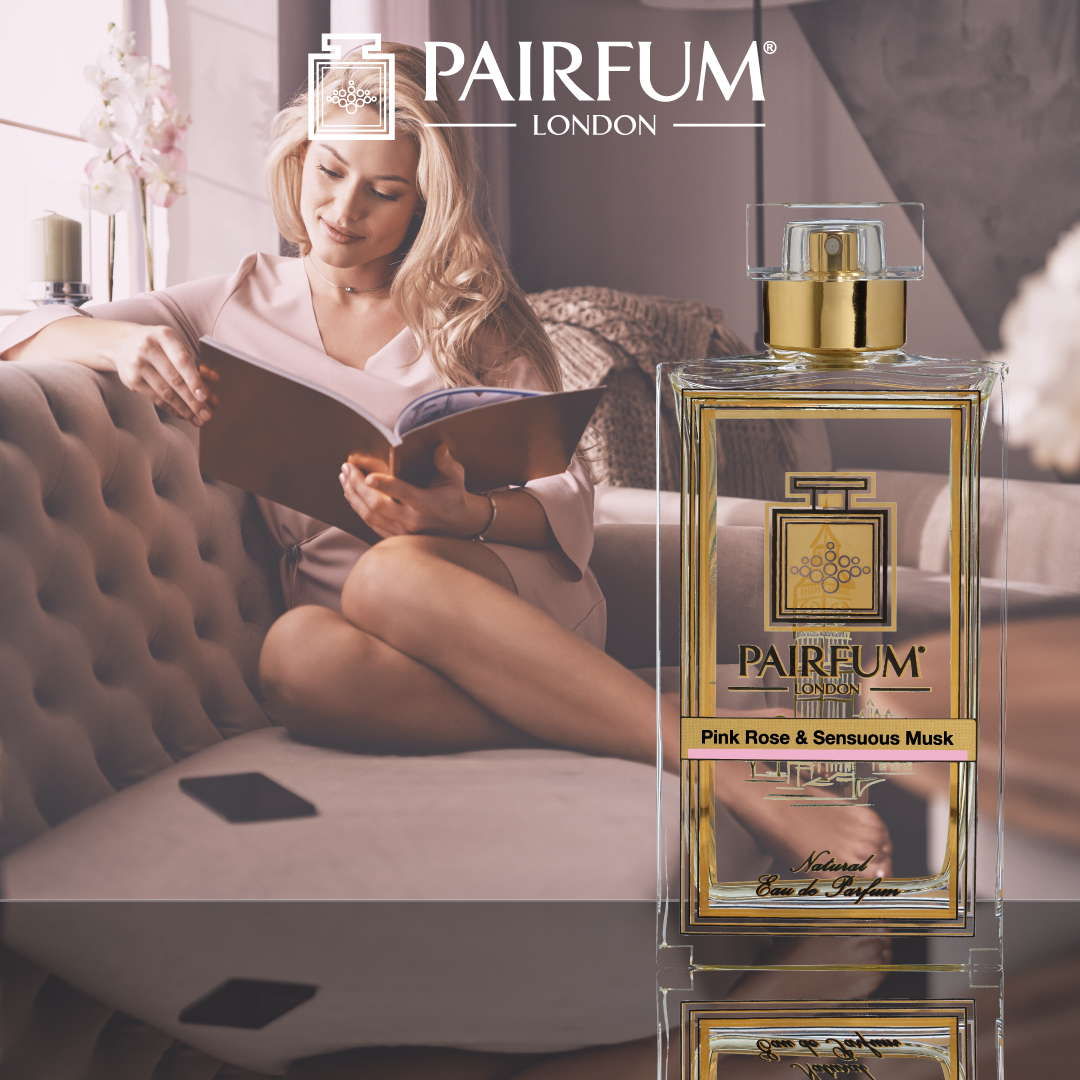
The Perfume of Rose, often hailed as the Queen of Flowers, has enchanted fragrance enthusiasts for centuries. Its rich and diverse aroma continues to captivate, symbolizing timeless elegance and sophistication. The fragrance of the rose transcends generations, evoking a sense of nostalgia, romance, and beauty, making it a cherished choice among perfumers and aficionados alike.
At Pairfum London, a boutique perfumery known for its exquisite and contemporary fragrance creations, we invite you to explore the enchanting realm of rose perfume. In this article, we will take a deep dive into the fascinating history, alluring charm, and dynamic artistry surrounding this exquisite bloom. Additionally, we will provide valuable insights on how to seamlessly incorporate the romantic essence of rose into your personal fragrance repertoire, enriching your scent experience.
Join us on this sensory journey as we unveil the regal charm and sensual sophistication that rose perfume embodies, ensuring you appreciate its beauty in every spritz.

Uncovering the Rich History of Rose Perfume
From ancient civilizations to modern times, the rose has been cherished for its exquisite fragrance, forming an integral part of its historical legacy. The origins of rose perfume can be traced back to the ancient cultures of Persia, Egypt, and Rome, where these beautiful flowers were cultivated not just for their beauty but also for their aromatic oils and delicate petals. The rose was not merely a flower; it was a symbol of love, passion, and enlightenment.
Legend has it that Cleopatra, the famed queen of Egypt, adorned her palace with rose petals, creating an intoxicating ambiance that was both romantic and enchanting. This historical connection to roses continued through the Middle Ages, as rose perfumes became a staple in Europe, often utilized in religious rituals or to mask unpleasant odors. The Renaissance era marked a significant increase in rose cultivation, particularly in France, which eventually became the epicenter of the perfume industry. Noblewomen, captivated by the allure of the rose, sought to capture its essence in oil, enhancing the fragrance of their luxurious gowns.
Throughout history, rose perfume has continued to enchant, evolve, and maintain its revered status as the Queen of Flowers among perfumers and fragrance enthusiasts alike.
Exploring the Intricate Aromatic Profile of Rose Perfume
The beauty of rose perfume lies in the complexity of its aroma, characterized by an exquisite range of notes that vary based on the specific breed, terroir, and harvesting techniques employed:
Discovering Rose Varietals and Their Unique Fragrance Profiles
Various rose species and hybrids offer distinct and captivating scent profiles, enriching the world of rose perfumes:
- Rosa Damascena: Commonly known as the Damask rose, this robust and fragrant species delivers a sweet, fresh, and deeply floral perfume, complemented by spicy, green, and earthy undertones, making it a favorite in many floral fragrances.
- Rosa Centifolia: Known as the ‘One Hundred Petals’ rose, or the Provence rose, this variety is celebrated for its enchanting scent, which evokes honey and powdery notes, with a subtle fruity nuance that adds to its charm.
- Rosa Alba: The White Rose is characterized by a softer, more delicate fragrance, featuring gentle floral notes accompanied by a light fruitiness reminiscent of stone fruits like peaches, making it a popular choice for lighter perfumes.
- Rosa Gallica: This rose boasts a deep and intense aroma, making it a preferred choice for more potent and complex perfume compositions.
Each of these rose varietals presents a unique olfactory signature, enriching the experience of rose perfumes and making them a delightful journey for the senses.

Understanding the Critical Role of Terroir and Harvesting in Rose Perfume
The cultivation and harvesting of roses significantly influence the final fragrance of the perfume. Terroir, encompassing aspects such as soil composition, climate, and altitude, plays a crucial role in shaping the aromatic profile of a rose. For instance, the Damask rose cultivated in Iran’s Fars province is renowned for its distinct, deep, and mystical scent, setting it apart from roses grown in different regions.
Moreover, the meticulous process of harvesting roses is vital in preserving their essence. Typically, blossoms are collected just before sunrise to capture their finest aromatic qualities, as the oil content is at its peak during the cool morning hours. This careful attention to detail ensures that every drop of rose perfume carries extraordinary freshness and complexity, adding to its allure.
Extraction Techniques: Unlocking the Essence of Rose Perfume
The extraction of rose essence is a delicate and labor-intensive process that employs various methods, each contributing uniquely to the final product:
- Steam Distillation: This traditional technique involves passing steam through rose petals, effectively capturing the essential oils. The outcome is both rose water and rose essential oil, both of which are widely utilized in perfumery.
- Solvent Extraction: A contemporary approach where solvents like hexane are employed to extract aromatic compounds. After extraction, the solvent evaporates, leaving behind a waxy substance known as concrete. This concrete undergoes further processing to yield absolute, a highly concentrated form of rose essence.
- CO2 Extraction: This modern method utilizes carbon dioxide at high pressure to extract essential oils, resulting in a pure and high-quality rose extract that retains the complexity of the original flower.

Natural Versus Synthetic Rose Perfumes: A Comprehensive Comparison
The ongoing debate surrounding natural and synthetic rose perfumes revolves around authenticity, sustainability, and cost considerations. Natural rose perfumes are crafted from essential oils and absolutes derived directly from rose petals, yielding a rich and genuine scent profile. However, the natural extraction process is often costly and requires substantial quantities of roses, raising significant sustainability concerns.
In contrast, synthetic rose perfumes are formulated using chemical compounds designed to replicate the scent of real roses. These synthetic alternatives are typically more affordable and are perceived as environmentally friendly since they do not depend on large-scale cultivation of flowers. That said, many perfumers argue that synthetic fragrances often lack the depth and complexity found in natural rose scents.
The Fascinating Evolution of Synthetic Rose Molecules: A Historical Perspective
The journey of synthetic rose molecules began in the late 19th century, marking a pivotal point in the evolution of perfumery. One of the earliest synthetic rose molecules, Rhodinol, was isolated from geranium oil. The success of Rhodinol opened doors to further research aimed at creating nature-identical compounds. In 1901, chemist Friedrich Wilhelm Semmler identified key components of rose oil, including citronellol and geraniol, which are now commonly synthesized for use in modern perfumes.
In the 20th century, the development of synthetic rose molecules reached new heights when Leopold Ružička was awarded the Nobel Prize in Chemistry in 1939. His pioneering research in large ring compounds, including musks and terpenes, laid the groundwork for synthesizing complex fragrance molecules. Today, these synthetic molecules play a vital role in contemporary perfumery, offering consistent and sustainable alternatives to natural rose extracts.

The Versatile Artistry and Blendability of Rose Perfume
The captivating nature of the rose allows it to blend seamlessly with various fragrance families, showcasing the versatility and adaptability of this illustrious flower in the world of perfumery. Whether in floral, oriental, or gourmand compositions, rose enhances and complements an array of scents, adding depth and richness to the overall fragrance profile. This unmatched blendability is evident in several iconic fragrance combinations:
- Rose and Oud: The opulence of the rose melds beautifully with the deep, resinous woody-balsamic notes of oud, creating a hypnotic and sensual fusion that has enchanted perfume enthusiasts for centuries. This classic accord of Rose & Oud is especially prominent in Arabian perfumes.
- Rose and Patchouli: Combining the romantic, sweet floral notes of rose with the earthiness and warmth of patchouli results in a luxurious and mysterious aroma, showcasing multiple facets of olfactory intrigue. Various other combinations of rose with woody notes have also crafted many exquisite fragrances.
- Rose and Vanilla: The harmonious pairing of rose with vanilla tantalizes the senses, providing a delightful balance of floral radiance and warm sweetness that accentuates the natural beauty of both scents. Other gourmand notes have also been blended with rose for a unique olfactory experience.
- Rose and Fruit: Blending rose with fruity notes is a natural combination, as rose inherently possesses many fruity facets in its scent profile. The next time you encounter a rose, take a moment to inhale and you may be surprised by the delightful fruity notes that emerge.
These enchanting fragrance combinations highlight the artistry and elegance of rose perfume, captivating both the wearer and those who are fortunate enough to catch a subtle whiff.
Celebrated Iconic Rose Perfumes Through the Ages
Numerous rose perfumes have achieved iconic status within the fragrance community:
- Chanel No. 5: While primarily recognized for its aldehydic notes, this classic fragrance features a subtle rose undertone that enhances its allure.
- Yves Saint Laurent Paris: A tribute to the city of romance, this fragrance beautifully blends Damask Rose with violet and bergamot, resulting in a romantic and elegant scent.
- Guerlain Nahema: Known for its opulent and luxurious rose aroma, Nahema is a timeless fragrance that exudes sophistication and charm.
- Lancome Tresor: Another classic, this fragrance boasts fruity, powdery rose notes complemented by a vanillic, woody base for a well-rounded scent experience.

Sienna Blake is a licensed aesthetic consultant and beauty writer specializing in cosmetic surgery advancements and non-invasive treatments. With a background in dermatology and over eight years of industry experience, Sienna is passionate about helping people achieve confidence through informed beauty decisions. She holds a Bachelor's degree in Health Sciences and regularly collaborates with top plastic surgeons to stay at the forefront of aesthetic innovations. Outside of her work, Sienna enjoys traveling, skincare research, and practicing Pilates.