



Is your skin exhibiting a blend of dryness in certain areas while being oily in others? Managing combination skin can indeed be a complicated endeavor, often resembling a delicate balancing act. While there isn’t a universal remedy for this unique skin type, we’ve compiled several essential skincare tips and strategies to assist you in achieving a harmonious balance. Continue reading to deepen your understanding of combination skin and discover effective management techniques.
Recognize These 5 Key Indicators of Combination Skin
Due to the similarity between combination skin and oily skin, many individuals often confuse the two. Here are five distinct symptoms that can help you identify if you have combination skin. Do any of these resonate with your experience?
1. Noticeable Oily and Dry Areas on Your Face
To determine if you have combination skin, start by cleansing your face thoroughly, allowing it to remain bare for about an hour. During this time, observe how your skin behaves. Do you find that your T-zone appears oily while your cheeks and jawline feel normal or dry? If this scenario sounds familiar, it’s likely that you are dealing with combination skin. This skin type is precisely what its name suggests—a combination of various skin types, leading to both oily and dry patches across your complexion.
2. Experiencing Simultaneous Mild Breakouts and Dryness
Clogged pores are often the culprit behind breakouts. Individuals with combination skin frequently experience occasional mild acne, particularly during times of hormonal shifts, such as menstrual cycles. These blemishes are typically concentrated in the T-zone, where oil production is most pronounced, while the surrounding areas like the cheeks, jawline, and hairline may feel dry and parched. This duality can be perplexing but is a common characteristic of combination skin.
3. Enlarged Pores on the Nose, Chin, and Forehead
Are you noticing significantly larger pores on your nose, chin, and forehead? This is a hallmark of combination skin, which features overactive oil glands in the T-zone. As a result, these areas may be more susceptible to clogged pores. When excess sebum accumulates within the pores, they expand to accommodate the additional oil, leading to an enlarged appearance. The good news is that with the right skincare routine, these pores can return to their normal size.
4. Makeup Appears Patchy Throughout the Day
Does your makeup seem to slide off your T-zone while clinging to your cheeks? If you find your makeup looking uneven and patchy by midday, you may be grappling with combination skin. To remedy this issue, it’s crucial to tailor your skincare routine specifically to address your skin type, ensuring a smooth and even makeup application.
5. Seasonal Changes Affect Your Skin’s Oiliness and Dryness
If you have combination skin, you may notice that your skin’s oily and dry balance shifts with the changing seasons. For instance, during the hot and humid summer months, increased heat can lead to heightened sebum production, rendering your T-zone particularly oily while your drier areas may feel relatively normal. Conversely, the winter cold often strips moisture from the skin, causing the T-zone to feel normal while the dry patches become even drier. If you’re curious about the underlying reasons for your combination skin, read further to uncover potential genetic factors.
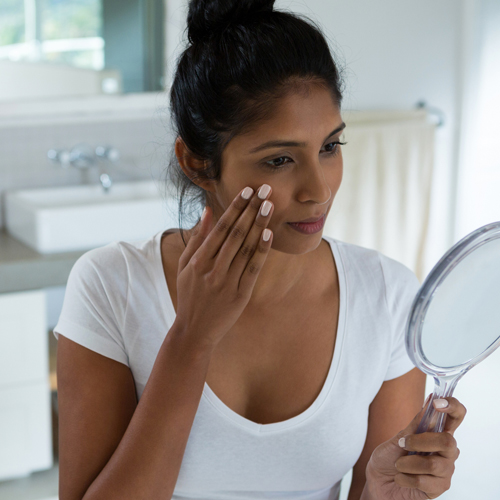
Understanding the Characteristics of Combination Skin
Combination skin is defined as a skin type that exhibits both dry and oily regions on the face, as explained by Dr. Hooman Khorasani, Dermatologic and Cosmetic Surgeon. This skin type showcases varied oil production levels: more vigorous activity from oil glands in the T-zone and reduced activity elsewhere on the face. Typically, the T-zone—which spans across the forehead and down the nose to the chin—is oily due to the abundance of sebaceous glands, resulting in larger pores and a shinier appearance in this region.
Watch this In The Mix video as Natalie Pergar, Lead Skin Care Trainer at Eminence Organics, shares three straightforward steps to help categorize your skin type effectively.
Distinguishing Between Dry Combination Skin and Normal Combination Skin
Your symptoms might not conform perfectly to the definitions provided above, leading to confusion about whether you truly have combination skin. To clarify, you can further categorize this skin type into two distinct types: normal-combination skin and dry-combination skin. If you find that your T-zone is oily while your cheeks feel ‘normal’—that is, not dry—you likely have normal-combination skin. Conversely, if you experience an oily T-zone paired with dry cheeks, you probably fall under the category of dry-combination skin. This latter type typically features a shiny forehead or chin alongside dry cheeks.
Identifying the Causes Behind Combination Skin
Several factors may contribute to the development of combination skin, including:
Genetic Predisposition to Combination Skin
As with all skin types, genetics play a significant role in determining whether you have combination skin. This skin type is commonly characterized by uneven oil production, with more active oil glands concentrated in the T-zone and less activity in other facial areas. Typically, individuals with combination skin experience oily regions such as the forehead, nose, and chin, which may feature larger pores, shine, and even blackheads. Meanwhile, the cheeks, jawline, and hairline may exhibit dryness, leading to symptoms such as flakiness, dullness, and fine lines.
Impact of Hormonal Changes on Your Skin
Hormonal fluctuations can significantly affect skin conditions, exacerbating symptoms associated with both oily and dry skin. The sebaceous glands possess receptors that respond to hormones such as testosterone and estrogen. Increased testosterone levels can lead to heightened oil production, impacting the balance of your skin and potentially resulting in breakouts and excess oiliness, particularly in the T-zone.
Environmental Factors Influencing Skin Type
The environment can also have a profound impact on combination skin, particularly in conditions of heat and humidity. Prolonged exposure to humid climates can stimulate sweat glands, resulting in moist and shiny skin, while excessive heat can lead to dehydration and increased sensitivity. This fluctuation occurs because the water content within the epidermis is often influenced by the surrounding humidity levels.
Effective Strategies for Treating Combination Skin
Understanding your unique skin type is essential for selecting the appropriate products and establishing a skincare routine that caters to combination skin effectively. Here are several straightforward strategies that can help improve the condition of your skin.
Selecting the Right Products Tailored for Combination Skin
The primary goal in managing combination skin is to effectively treat both oily and dry areas to achieve a clear and balanced complexion. To accomplish this, it’s imperative to choose the right products. According to Dr. Khorasani, opt for drying agents in the oily regions of your face, such as gels and lotions, while utilizing more moisturizing products for the drier zones, like oils and heavier ointments. This tailored approach can lead to more effective skincare results.
Minimize Breakouts Using a BHA Exfoliant
Incorporate a BHA exfoliant into your routine to target oily problem areas, unclogging pores and revealing new skin. Additionally, consider using a cleanser containing salicylic acid to help control oil buildup and prevent clogged pores. This dual approach can significantly improve the appearance of combination skin and help maintain a clearer complexion.
Utilize Blotting Paper for Shine Control
When you notice certain areas of your face becoming excessively greasy, it’s beneficial to keep blotting sheets readily available. These sheets effectively absorb shine and excess sebum without the need for harsh rubbing, which could irritate your skin and spread oil instead of absorbing it. This simple tool can help you maintain a fresh appearance throughout the day.
Tailor Treatments for Dry Cheeks and Oily T-Zone
Given that your T-zone is generally oilier while other areas are considerably drier, it’s advisable to treat each section with targeted products. Rather than applying the same moisturizer across your entire face, consider using a lightweight moisturizer for your T-zone and a richer, more hydrating formula for your cheeks. This method ensures that each area receives the appropriate level of care, enhancing overall skin health.
Do you identify with having combination skin? Explore this skincare routine specifically designed for individuals with this skin type. We invite you to share your experiences and tips for managing this multifaceted skin type in the comments below or on social media.
