


Doesn’t it seem like those pesky pimples and zits always appear at the most inconvenient times? You know exactly what we mean: those unwelcome bumps that decide to show up just before a big event, whether it’s a job interview, prom night, or a first date. These troublesome skin demons can be a source of frustration for everyone, and they remind us that acne can truly be a nuisance when it strikes at the worst moments.
Almost everyone experiences acne at some point in their lives, often triggered by stress or hormonal changes. As a result, we all search for effective remedies to eliminate these skin imperfections, and the market offers a plethora of acne treatment products. With countless options available, it can be overwhelming to choose the right one, especially when you want to achieve clear skin without further irritation.
Most acne-fighting products you come across will likely feature salicylic acid as a key ingredient, renowned for its efficacy. However, it’s essential to understand that not every acne treatment ingredient is suitable for all skin types. In this article, we will explore the intricacies of salicylic acid for breakout-prone skin, examining who can benefit from it, who should steer clear, and introducing salicin as a gentler yet effective alternative.
Understanding the Key Differences Between Salicin and Salicylic Acid
While wandering through skin care and beauty aisles, you’ll likely notice numerous products featuring salicylic acid prominently displayed. This popular ingredient is a staple in face washes, masks, foundations, and even lip balms! Salicylic acid is a type of beta hydroxy acid (BHA) derived from the bark of the willow tree, originating from the metabolism of salicin—a well-regarded anti-inflammatory component. Nowadays, salicylic acid is commonly biosynthesized for widespread use, moving away from its traditional sourcing from willow bark.
The healing benefits of salicin have been appreciated for centuries, and for good reason! This compound is rich in flavonoids—plant-derived compounds known for their ability to reduce inflammation—as well as antibacterial tannins. Historically, ancient Egyptians and Sumerians utilized this naturally occurring ingredient in their remedies for pain, fever, and inflammation, showcasing its long-standing significance in traditional medicine.
When consumed in various forms, such as powder, tea, or capsules, salicin has been found effective in treating headaches and migraines, reducing fevers, and easing digestive discomfort. Its anti-inflammatory properties played a pivotal role in Bayer’s development of Aspirin in 1899, which has since become one of the most widely used pain relievers globally.

Are you still following along after all that scientific terminology? Fantastic! This is where it gets truly fascinating! Once salicin is ingested and processed through the digestive system, enzymes convert it into salicylic acid. In laboratory conditions, this natural pain reliever can be chemically transformed into salicylic acid, establishing it as a precursor to Aspirin. Now that we’ve covered the oral uses, let’s delve into the specifics of how these two ingredients differ, including their respective advantages and disadvantages!
PRO TIP: The use of willow bark for medicinal purposes dates back thousands of years to the era of Hippocrates (400 BC), who advised patients to chew on the bark to alleviate fever and inflammation.
Exploring the Benefits and Drawbacks of Salicylic Acid for Acne
In the ongoing quest for effective acne solutions, many skincare brands position salicylic acid as a frontline defense against breakouts. Its reputation as a dedicated fighter against oil and acne is well-earned, making it particularly beneficial for those with oily, acne-prone skin. However, this acne-fighting champion does come with its own set of challenges—let’s take a closer look!
Advantages of Salicylic Acid
One of the standout features of salicylic acid is its ability to penetrate deeply into the skin, effectively dissolving debris and eradicating pore-clogging bacteria that contribute to acne. Additionally, it helps to constrict pore size, thereby reducing the likelihood of future clogs. Furthermore, salicylic acid breaks down fatty compounds, such as the oily sebum that can obstruct pores. Its exfoliating properties also aid in loosening old, dead skin cells, revealing a fresher, more vibrant complexion underneath.
Disadvantages of Salicylic Acid
While salicylic acid is a powerful exfoliant that effectively diminishes acne-related inflammation, many products containing salicylic acid can be harsher than your skin might require. Although it excels at eliminating acne-triggering oil, it can strip the skin of all oils, including those necessary for maintaining a healthy moisture barrier, leaving your skin feeling dry and compromised.
A common misconception is that salicylic acid offers a quick solution to acne. In reality, it can take several weeks before you start noticing results, which means consistent daily application is essential. Unfortunately, this may lead to excessive dryness, prompting your skin to overproduce oil in response! Therefore, individuals with already dry or sensitive skin should completely avoid products containing salicylic acid.
Once metabolized to salicylic acid, what you see labeled as “acetyl” salicylic acid is the active ingredient in Aspirin. However, excessive or prolonged use of Aspirin can harm the stomach lining, potentially leading to ulcers. It can also interact negatively with certain medications, such as blood thinners and beta-blockers, resulting in adverse effects.
Evaluating the Pros and Cons of Salicin for Gentle Skin Care
While salicylic acid can be effective in reducing acne inflammation, it is not suitable for everyone. Salicin offers a milder yet still effective alternative for treating acne and other skin irritations, making it suitable for a broader range of skin types. With its aspirin-like anti-inflammatory properties, salicin can serve as a natural remedy for various skin issues.
Benefits of Salicin
As a natural ingredient commonly found in skin care products, salicin serves as a versatile alternative to salicylic acid. Similar to its synthetic counterpart, salicin is oil-soluble, allowing it to penetrate deeply into the skin and balance oil production effectively. This compound also acts as a natural exfoliant, helping to loosen dead skin cells and cleanse pores, which results in a brighter, clearer complexion. Additionally, salicin is known for calming redness and inflammation associated with acne breakouts and may offer anti-aging benefits when applied topically.
For oral consumption, willow bark presents some advantages over its synthetic cousin, Aspirin, as it does not harm the stomach lining, which is a common concern with aspirin use.
Drawbacks of Salicin
However, not everyone can safely use willow bark. Individuals with allergies to aspirin may also react negatively to willow bark. Additionally, it can lead to stomach upset and interact with certain medications, including blood thinners and beta-blockers. The high tannin content in willow bark extract can cause some users to experience nausea. Perhaps we should have taken Hippocrates’ advice more seriously!
Natural Acne Treatments Featuring Salicin: Your Path to Clearer Skin
With its extensive range of naturally medicinal properties, willow bark and its key component, salicin, stand out as perfect ingredients for our natural acne treatments. When applied topically, willow bark can significantly reduce inflammation and promote healing in irritated skin. If you’re on the lookout for essential anti-acne products to enhance your skincare routine, we have a selection that will meet your needs!
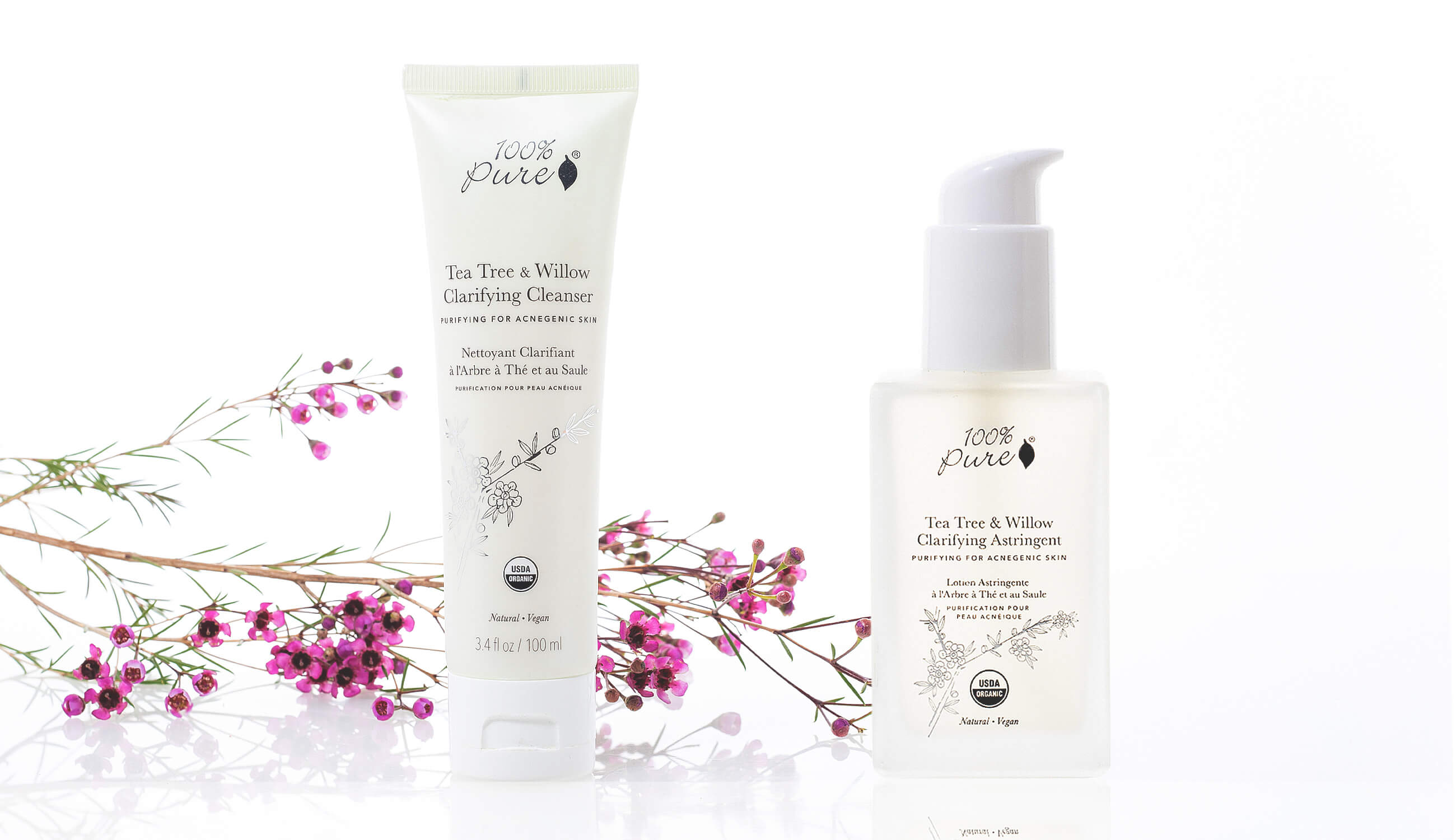
Start your routine by cleansing with our Tea Tree & Willow Clarifying Cleanser. This powerful formula combines antibacterial tea tree oil with salicin from willow bark, effectively removing excess oil, makeup, impurities, and bacteria that can lead to acne breakouts. Follow up with our complementary Tea Tree & Willow Clarifying Astringent, a natural blend of nourishing herbs designed to soothe and clarify the skin while preventing future breakouts. Complete your regimen with additional skincare gems tailored for acne-prone skin!
We understand that dealing with acne can be stressful, particularly when treatments fail to deliver results or exacerbate existing skin issues. The good news is that gentler, natural acne treatments exist, providing effective solutions that help keep acne at bay. For more information on natural acne treatments, masks, or beneficial ingredients, as well as insights into acne-friendly makeup, visit our blog for the latest updates on these topics and more!
Making the Right Choice: Salicin vs. Salicylic Acid for Acne-Prone Skin
When weighing the options between salicin and salicylic acid for your acne treatment, consider the following factors:
Skin Sensitivity: For those with sensitive or dry skin, salicin may prove to be a more gentle alternative compared to salicylic acid.
Severity of Acne: Salicin can be effective for mild to moderate acne, while salicylic acid may be more suitable for treating severe cases.
Preference for Natural Ingredients: If you favor natural components, salicin sourced from willow bark may better align with your skincare philosophy.
Skin Type Considerations: Individuals with oily skin types may benefit more from the oil-controlling properties of salicylic acid, whereas those with combination or normal skin may find salicin to be advantageous.
Addressing Other Skin Issues: If you are also focused on anti-aging, salicin’s potential anti-aging properties may serve as an additional benefit.
Top Recommended 100% PURE Products for Acne-Prone Skin
If you’re eager to incorporate salicin or other gentle, natural acne-fighting ingredients into your skincare regimen, consider these highly recommended 100% PURE products:
-
Tea Tree & Willow Clarifying Cleanser: This exceptional cleanser combines the power of salicin from willow bark with antibacterial tea tree oil, effectively cleansing and clarifying acne-prone skin without causing over-drying.
-
Tea Tree & Willow Clarifying Astringent: As the perfect follow-up to the cleanser, this astringent continues the fight against acne with willow bark extract and a blend of soothing herbs.
-
Lavender Oat Milk Soothing Cleanser: Specifically designed for sensitive, acne-prone skin, this gentle cleanser features oat milk and lavender to calm inflammation without causing irritation.
-
Green Tea EGCG Concentrate Cream: While not exclusively formulated for acne, this moisturizer is rich in green tea antioxidants that help soothe inflammation and protect the skin barrier—essential for individuals with acne-prone skin.
-
Fermented Rice Water Toner: Although it doesn’t contain salicin, this toner provides gentle exfoliation and brightening effects, making it beneficial for acne-prone skin, particularly for addressing post-acne marks.
Common Questions Regarding Salicin and Salicylic Acid for Acne Treatment
Q: Can I use salicin or salicylic acid if I’m pregnant or breastfeeding?
A: It’s crucial to consult with your healthcare provider before using either ingredient while pregnant or breastfeeding. Generally, low concentrations of salicylic acid are considered safe, but seeking professional advice is always wise.
Q: How often should I use products containing salicin or salicylic acid?
A: The frequency of use depends on your skin type and the product’s concentration. Begin with once a day or every other day, gradually increasing frequency as your skin adjusts. Always adhere to product instructions and pay close attention to your skin’s responses.
Q: Is it safe to combine salicin or salicylic acid with other acne-fighting ingredients?
A: Yes, but you should be cautious to avoid over-drying or irritating your skin. These ingredients can be used alongside benzoyl peroxide or retinoids, but it’s advisable to apply them at different times to minimize potential irritation.
Q: Will salicin or salicylic acid increase my skin’s sensitivity to sunlight?
A: Both ingredients may heighten sun sensitivity to some extent. Therefore, it’s crucial to use a broad-spectrum sunscreen daily while incorporating these ingredients into your routine, especially salicylic acid.
Q: How long can it take to see results from using salicin or salicylic acid for acne?
A: Results can vary, but you might begin to notice improvements within 4-6 weeks of consistent use. Remember that treating acne is often a long-term commitment, so patience and diligence are essential.
Keep in mind that while both salicin and salicylic acid can be effective in treating acne, everyone’s skin is different. What works for one individual may not yield the same results for another. It’s wise to patch test new products and introduce them gradually into your skincare routine. For persistent or severe acne issues, consulting with a dermatologist can help you create the most effective treatment plan tailored to your specific needs.
