


[ad_1]
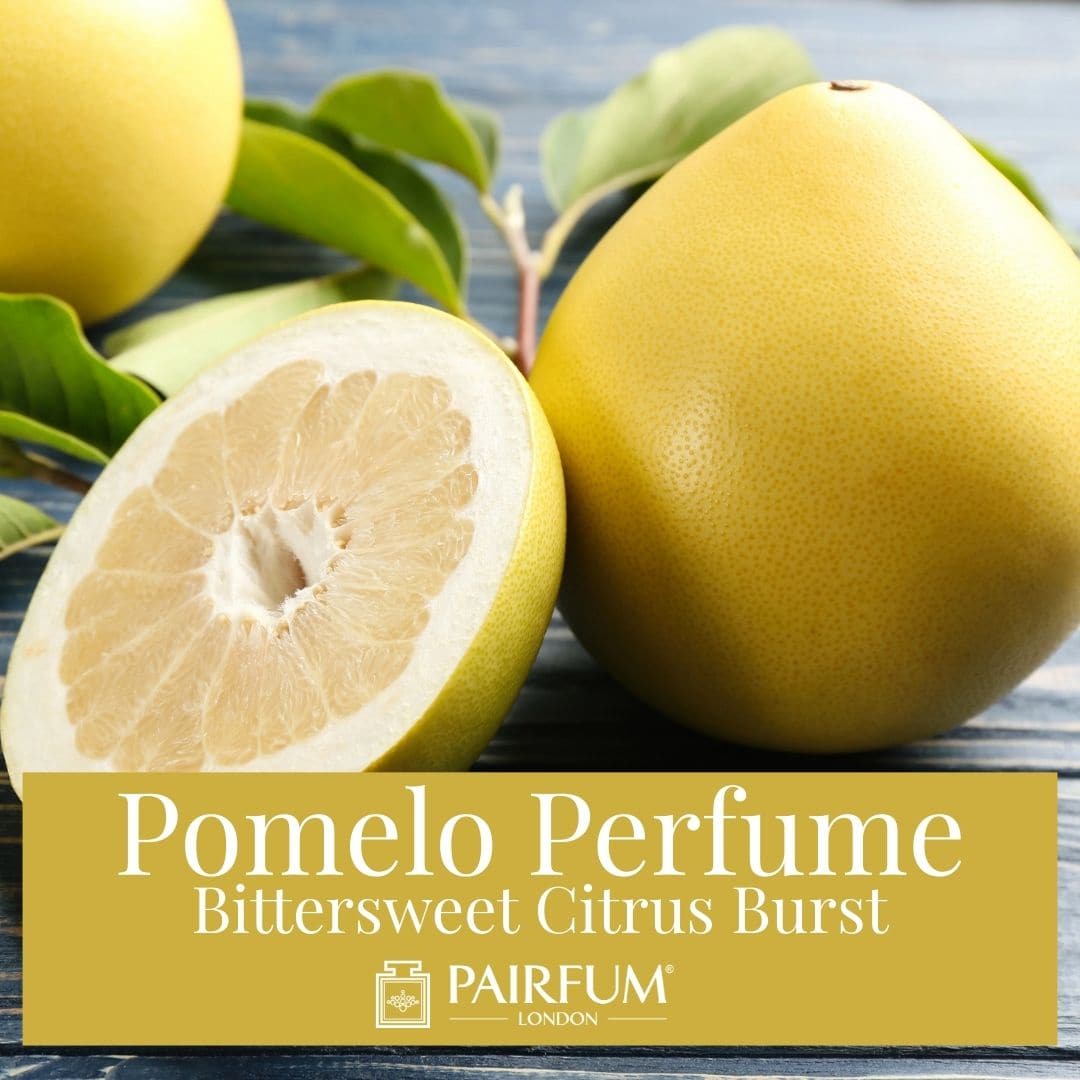
Pomelo is a citrus fruit because it offers a unique balance of sweetness and bitterness, which matters for perfume enthusiasts. This distinctive profile makes pomelo a sought-after ingredient in modern perfumery.
At CosmeticsUrgeryNews, we specialize in cosmetics, beauty, body care, hair care, and perfume, helping fragrance lovers achieve a vibrant and refreshing scent experience. Our mission is to provide insights into the latest trends and ingredients in the fragrance industry.
We monetize through partnerships with brands, affiliate marketing, and sponsored content, ensuring that our readers receive valuable information while discovering new products. In this guide, we cover:
- The history of pomelo in perfumery
- Distinct types of pomelo and their aromatic profiles
- Botanical characteristics and extraction methods
- Culinary and health benefits
- Iconic perfumes featuring pomelo
What is the History of Pomelo in Perfumery?
Pomelo is not a new ingredient. Its essential oil has been utilized for centuries in both beauty and wellness routines. The fruit, which resembles a larger grapefruit, has been enjoyed for its refreshing qualities. Historically, pomelo peel or flowers were used in aromatic traditions to enhance clarity and promote well-being.
Known scientifically as Citrus maxima or Citrus grandis, pomelo is the largest member of the citrus family. This fruit is native to Southeast Asia and serves as a non-hybrid ancestor to other citrus species. For example, the sweet orange is a hybrid of pomelo and mandarin, while grapefruit is a cross between pomelo and sweet orange. By the late 20th century, as interest in natural perfumery grew, pomelo oil became a popular choice for perfumers seeking citrus notes with more character.
What Are the Distinct Types of Pomelo and What Do They Offer?
Not all pomelos produce the same aroma. In perfumery, the variety of pomelo is crucial. Each type contributes its own unique effect to a fragrance.
| Type of Pomelo | Aroma Profile |
|---|---|
| White Pomelo | Drier with a greener, sharper citrus edge |
| Pink Pomelo | Rounder, sweeter, and juicier with vibrant pink flesh |
These subtle differences significantly impact fragrance composition. A white pomelo may provide a clean lift without overwhelming presence. Conversely, a pink pomelo offers a softer citrus roundness, ideal for eau de toilettes or warmer skin oils. The choice of variety depends on the desired prominence of citrus notes in the overall fragrance profile.
The harvesting region and timing also influence the oil’s aroma. Pomelos picked early in the season tend to be livelier, while those harvested later are warmer and softer. In the United States, pomelos are cultivated in states like Florida and California, ensuring a consistent supply. This attention to detail helps shape fragrance experiences that align with seasonal preferences.
What is the Botanical Profile and Physical Characteristics of Pomelo?
Understanding pomelo requires examining its structure. Unlike standard grapefruits, pomelos have a thick rind and can weigh several kilograms. The tree can grow up to 15 meters tall, featuring winged leaf stalks and fragrant yellow-white flowers. Inside, the edible flesh is protected by a dense, spongy pith known as the albedo.
While many enjoy the fresh fruit for its fiber and high Vitamin C content, perfumers focus on the extract derived from the skin. Pomelo grown in tropical regions often possesses a more robust profile compared to those cultivated in cooler climates. The quality of citrus remains a benchmark for freshness.
To capture pomelo in fragrance, the peel is cold-pressed. This method preserves the natural essence of the fruit, resulting in a bold and fresh aroma. Cold-pressed oils provide a sharper citrus hit than those extracted using heat.
What is the Culinary and Health Context of Pomelo?
While we primarily focus on scent, pomelo is also a staple in various culinary dishes. It is often featured in fruit salads, where its juicy vesicles are highlighted. Nutritional guides emphasize pomelo’s high fiber content and antioxidant properties.
Research into antioxidants like naringin and naringenin explores how compounds in citrus may interact with cancer cells and help prevent heart disease. These phytochemicals combat oxidative stress by neutralizing reactive oxygen species. In the UK, modern delivery services have made pomelo more accessible, allowing consumers to easily add it to their shopping lists.
Whether seeking halal meat or specialty products, pomelo is often found in the fresh fruit section. This crossover between culinary and fragrance applications is common for citrus notes, as both share descriptors like zesty, sharp, and refreshing. However, it’s essential to note that pomelos contain furanocoumarins, which can interfere with the metabolism of certain medications.
How is Pomelo Used in Iconic and Niche Perfumes?
Pomelo pairs well with other sharp fruits like grapefruit and bergamot, where its bitterness enhances the perfume’s opening. In natural perfumes, it often complements herbal notes like sage, mint, or rosemary, preventing the scent from becoming overly sweet or floral.
In summer fragrances, pomelo adds a burst of energy. It is also popular in reed diffusers and room sprays, maintaining a bright atmosphere without relying on florals. In niche perfumes, pomelo often complements soft musks or warm woods, adding lift to notes like sandalwood or neroli.
What Are Some Iconic Pomelo Fragrances?
Jo Loves: Pomelo – A cult classic known for its photorealistic, zingy, and sharp opening that captures the scent of freshly peeled fruit against a clean base of vetiver.
Heeley: Note de Yuzu – A sophisticated, salty citrus blend that utilizes the bitter zest of pomelo to create a crisp, high-fashion energy inspired by traditional Japanese baths.
Tiffany & Co: Tiffany & Love For Her – A bright, modern floral that combines the bittersweet spark of pomelo with blue basil and neroli for a refined finish.
What Role Does Pomelo Play During Late Winter?
February can feel lengthy. In the midst of heavier perfumes filled with resins, woods, or spice, pomelo acts as a refreshing breeze. The oil does not overpower but helps reset the fragrance profile, preventing it from becoming overly warm or dry.
In cold-weather perfumes, pomelo provides a citrus touch that brightens oud or amber, maintaining wearability without heaviness. This fruit offers a cleaner lift, ensuring the fragrance remains balanced.
As spring approaches, many prefer a scent that hints at seasonal change without being overly floral. The gentle bitterness of pomelo signals freshness, refreshing the spirit and transitioning fragrance wardrobes from winter comfort to spring cheer.
What is the Pomelo Inspired Perfume Spray by Pairfum London?
In the spirit of pomelo’s refreshing clarity, our Flacon Perfume Room Spray offers an elegant way to infuse natural fragrance into your living spaces. These beautifully crafted glass bottles hold concentrated perfume mists that freshen rooms without overwhelming them, perfect for lifting the atmosphere during winter’s heaviest days or transitioning into spring’s lighter mood.
A few spritzes deliver the same thoughtful blend of notes you’d wear on your skin, designed to scent linens, curtains, or simply the air around you. It’s a natural extension of your fragrance ritual, allowing your favorite perfume profiles to extend into the spaces where you spend your time.
What is the Neroli & Olive – Flacon Perfume Room Spray by Pairfum London?
This refined accord centers around the luminous notes of Neroli, Pomelo, Lime, and Petitgrain. Jasmine Petals, Vetiver, Patchouli, and Aged Leather add depth and warmth, capturing the essence of strolling through an olive grove on a warm, sun-drenched day.
