


Key Insights
- Scent Profile: Anjou pear is celebrated for its fresh, fruity, and mildly sweet aroma, making it a versatile ingredient in perfumery.
- Botanical Origins: Anjou pears, scientifically known as Pyrus communis, are primarily cultivated in France and the Pacific Northwest of the USA.
- Fragrance Versatility: The adaptability of Anjou pear allows it to blend beautifully with floral and woody notes, appealing to a wide range of fragrance preferences.
- Modern Trends: Anjou pear’s gender-neutral scent is increasingly popular in contemporary perfume formulations, aligning with current fragrance trends.
Anjou pear in perfume is celebrated for its naturally light, fresh, and fruity scent. It is often layered with floral, green, or woody notes to produce a fragrance that feels sheer and ethereal. This popular ingredient is widely used to create everyday, clean, and elegant fragrances, usually serving as a top note that opens a scent with a juicy, bright, and mildly sweet aroma.
Anjou pear carries with it a delightful mix of freshness and sophistication that has found a unique place in the world of perfumes. Known for its juicy freshness and elegant aroma, Anjou pear is a favourite for those looking for a perfume ingredient with both versatility and subtle refinement. From light daytime fragrances to complex bouquets for evening wear, this pear brings a touch of class to every composition, offering a scent that appeals across the board.
Its flexibility is one of the many reasons why the Anjou pear stands out in perfumery. Perfume enthusiasts know and love how beautifully it blends with other notes, introducing a burst of freshness that suits floral and woody undertones alike. This adaptability makes it an excellent choice for fragrances that are at once crisp, rich, and luxurious.
What is Anjou Pear? (Botanical and Sensory Profile)
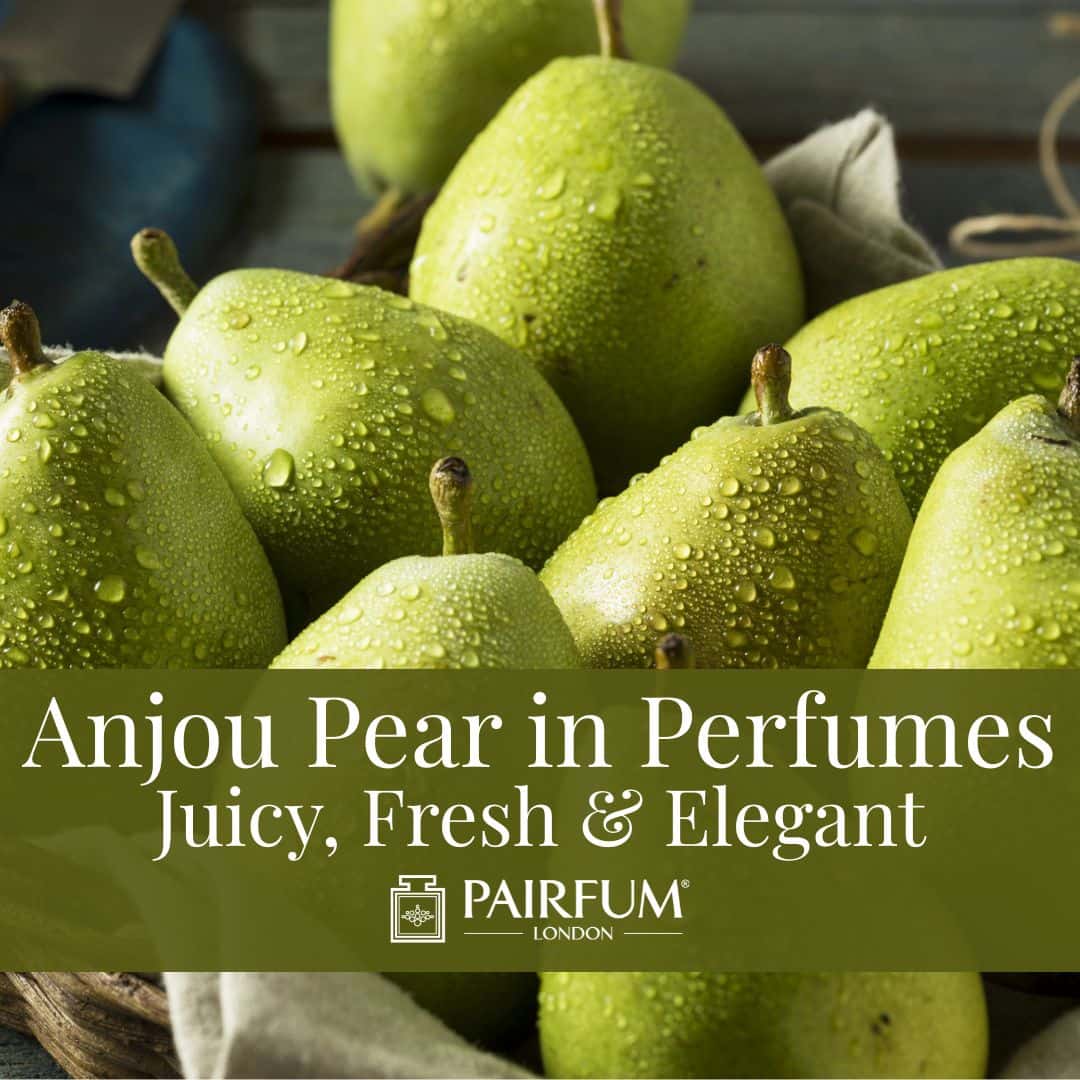
Anjou pears, scientifically labelled as Pyrus communis, are one of the most popular European pear varieties grown today. These pears originated in the Anjou region of France and have since become a staple of both the European pear and the USA pear markets. The green Anjou and red Anjou are the two main types you will find. Green Anjou pears are known for their bright green colour, which stays much the same even as the pear ripens, and for their mild sweet flavour and smooth skin. The red Anjou variety, meanwhile, boasts a beautiful red skin with a rich colour that becomes more vibrant as the pear matures.
Both types feature a slightly egg-shaped appearance with a broad base and a short neck. The fruit is firm, with abundant juices when fully ripe, making it especially favoured as a fresh pear for eating out of hand and for adding to a fruit bowl or a salad. The texture is fine and dense without graininess, making these pears suitable for poached pear dishes, desserts, and even savoury recipes.
Anjou pears grow on a pear tree, which is a deciduous fruit tree, appreciated as much for its attractive spring blossoms as for its fruit. Both green Anjou trees and red Anjou trees are reliable, hardy and long-lived. They are popular with gardeners for their consistent yield and moderate size, and can be found among other pear trees and nut trees in home orchards and commercial settings alike. Growing in the Pacific Northwest, Anjou pears thrive alongside a different variety of pears, including Bosc pear, Red Bartlett, and Beurre Bosc. Their resilience to cold and their reliability as a large pear crop make them indispensable to growers.

The Origins and History of Anjou Pear in Fragrance
First cultivated in France and widely grown as a European pear, Anjou pears have deep roots in both culinary and fragrance history. With their long shelf-life and dense, juicy flesh, they became favourites not only for eating but also as a natural inspiration for scent makers. Both the green Anjou and red Anjou varieties play a significant role in global production, with the Pacific Northwest now a leading region for USA pears, especially Anjou and its companions like Bosc pear and Bartlett pear.
Perfume houses first embraced Anjou pears for their subtle and pleasing aroma. Ancient civilisations valued fruit-based scents as a symbol of abundance and prosperity, a tradition that continues to this day. With its rich history, the pear tree has also come to represent longevity and renewal, several qualities that fragrance lovers continue to appreciate in sophisticated compositions inspired by this fruit.
Why Do Perfumers Love Anjou Pear? (Technical, Sensory, and Emotional Appeal)
Perfumers are particularly fond of Anjou pears because of the balance they offer. The scent profile is delicately sweet, with mild tart notes and a juiciness that closely mirrors the sensation of biting into a ripe pear fresh from the tree. Unlike some fruit scents that are too sugary or cloying, the Anjou pear note remains clean and refined.
Green Anjou is loved for its crisp, fresh character, while red Anjou brings a touch of warmth and adds a splash of colour to the olfactory palette. This makes Anjou pears useful in everything from classic to contemporary perfume design. Their aroma is gender-neutral, and their abundant juices and mild sweet flavour evoke feelings of comfort, nostalgia, and simple pleasure. For many, the fragrance of ripe pears conjures the memory of a family orchard or a lovingly prepared salad with pear slices.
Anjou Pear in Modern Perfumery (Trends, Popularity, Gender-Neutral Appeal)
Today’s perfume trends are all about versatile, wearable fragrances, and Anjou pears fit this trend perfectly. With their subtle scent and gentle sweetness, both green Anjou pears and red Anjou pears are found in a range of modern niche and luxury brands. The ability for these pears to feature as either a prominent note or as part of a supporting blend makes them a popular ingredient in gender-neutral scents.
Perfume houses have noticed how well Anjou pears work in concert with other fresh fruit notes, florals, and even woods. Their restrained sugar content ensures the fruit note never overpowers, and their compatibility with green pears, Bosc pear, or Red Bartlett keeps the scent profile lively and textured. This trend towards “clean” and “natural” is only set to grow, and Anjou pears from the Pacific Northwest and Europe continue to lead the way in quality and scent profile.
The Unique Characteristics and Types of Anjou Pear Aroma
Anjou pears are renowned for their juicy, mild, sweet flavour, moderate sugar content, and subtle tart aftertaste. Green Anjou is prized for its bright, clean scent, while red Anjou stands out for its unique berry-like complexity and rich colour. The skin of each is thin and edible, and their ivory-hued or yellow flesh remains firm yet moist, offering abundant juices that carry their fragrance exceptionally well, whether in a bottle or in a bowl of fresh pears.
Unlike the Bartlett pear, which often has a more aromatic and ephemeral sweetness, Anjou pears have a more subtle flavour, which is perfect for delicate or sophisticated perfume blends. When compared to the Asian pear or Bosc pear, both green Anjou and red Anjou are softer and more likely to hold their shape when baked or poached, making them excellent for recipes that focus on both texture and flavour.
The harvesting process ensures pears are picked before full ripeness and allowed to ripen off the tree, which preserves both flavour and aroma in the finished scent. Anjou pears, green and red alike, are known for their storage life, meaning they remain available and aromatic well beyond the main fruit season.

Scent Pairing and Olfactory Families
The true beauty of the Anjou pear in fragrance lies in how harmoniously it blends with other ingredients. Florals like peony, jasmine, rose, and freesia accentuate its fresh fruit notes, while gentle woods such as cedarwood and sandalwood effortlessly complement its green freshness. In more gourmand perfumes, Anjou pears can be paired with vanilla, tonka bean, or even with gentle spices, balancing natural sugars and lifting the entire blend.
Anjou pears also work well alongside green pears, Red Bartlett, Bosc pear, and Beurre Bosc, each bringing a slightly different variety of pear nuance. Combining these with musk, amber, or even a woody fig tree note creates a fragrance profile that feels at once familiar and refined.
Capturing the true essence of Anjou pear requires a careful blend of old and new techniques. Traditional pressing retains the purity and abundant juices of the pear, yielding a fresh and authentic aroma ideal for artisanal blends. Cold pressing is commonly used for green Anjou and red Anjou pears, preserving their freshness but requiring more energy. The increasingly popular supercritical CO2 extraction provides an eco-friendly and precise method, perfect for reproducing the pear’s distinct, mild sweet flavour and subtleties.
Growers and distillers favour pears harvested just before ripeness, ensuring the highest level of aroma and flavour in the final extract. This, along with storing pears at cool temperatures, maintains the balance of sugar and acid and guarantees the resulting fragrance oil is an accurate reflection of the green Anjou tree or red Anjou tree from which it came.

Olfactory Pyramid: Role of Anjou Pear (Top, Heart, Base Note)
In fragrance structure, Anjou pear is most often used as a top note, offering immediate freshness that lasts through the opening of the scent. As it settles toward the heart, the pear’s tart and juicy characteristics blend with florals and fruits, providing a full and succulent transition. Sometimes, when paired with musks or soft woods, the pear note can linger gently into the base, echoing the enduring aroma you’d find from a ripe pear left to mature on the tree.
Iconic Perfumes Featuring Anjou Pear
Several standout perfumes demonstrate the enduring popularity of Anjou pear. In Jo Malone English Pear & Freesia, the combination of pear and freesia brings out the fresh, floral, and slightly tart characteristics of green Anjou pears. Marc Jacobs Daisy Eau So Fresh uses Anjou pear as a lively introduction to a youthful blend of fruits and florals. Lanvin Éclat d’Arpège features pears at the forefront, where their abundant juices and subtle sweetness bring brightness and depth to each spray.
These perfumes show how the subtle, alluring qualities of Anjou pears, along with their ability to complement a wide variety of ingredients, have made them a timeless favourite among both fragrance lovers and perfumers.
How to Choose a Perfume with Anjou Pear
When selecting a fragrance with Anjou pear, consider the type and ripeness of the pear used. If you prefer a bright, refreshing opening, look for green Anjou or green Anjou pears in the top notes. For a deeper, warmer scent profile, choose perfumes that highlight red Anjou, as its colour and natural sugars add body and subtlety to the composition.
Think about the other ingredients included, as pairings with floral, woody, or spicy notes can influence the overall flavour and impression of the perfume. Opt for fragrances with references to fresh pear, abundant juices, or specific pear tree varieties, and sample the scent on your skin to see how it develops throughout the day.
Layering and Home Fragrance
The gentle nature of Anjou pears makes them equally well-suited to home fragrance. Pairfum London’s home collection features Anjou pear in diffusers, candles, and sprays, offering the same juicy aroma and colour found in the fresh fruit. For an even more immersive experience, layer a pear perfume with a matching scented body lotion or hand cream to help the fragrance last.
Fragrances with pear notes pair beautifully with citrus, especially a splash of lemon juice, for a zesty uplift. This layering technique works not only with personal scent but also when fragrancing a room, especially when using products that recall the clean, green scent of a freshly picked pear or notes reminiscent of a fig tree or nut trees.
FAQ Section
What does Anjou pear smell like in perfume?
Anjou pear smells fresh, mildly sweet, and gently tart. The aroma is juicy but restrained, with less pronounced sugar than canned pears, yet more depth than many green pears or even the Bosc pear.
Is Anjou pear a natural or synthetic note in perfumery?
Both natural extracts and nature-identical aroma compounds are used to recreate the true scent of Anjou pear. Due to the delicacy of pears’ oils and abundant juices, combining both techniques is common for a stable, long-lasting result.
How long does the Anjou pear note last in a fragrance?
Anjou pear is usually found as a top note, but in well-structured perfumes, it can be detected in the heart of the fragrance, especially if layered with other fruits or grounded with musk.
Can men wear Anjou pear fragrances?
Yes, Anjou pear is entirely gender-neutral. It’s clean, uplifting and mildly sweet flavour pairs well with earthy or woody notes, making it versatile for all.
What is the difference between green Anjou and red Anjou in fragrance?
Green Anjou provides a crisp, bright freshness, while red Anjou brings a touch of rich colour and berry note. Both varieties offer abundant juices, but the red Anjou adds extra complexity to the aroma.
How does Anjou pear compare to other pears?
Compared to Bartlett pear, Bosc pear, Red Bartlett, Asian pear, and Danjou pears, Anjou pears have a denser texture, less graininess, and a more understated, mild sweet flavour and sugar.
What are some culinary uses of Anjou pears?
Besides being enjoyed as a fresh pear, Anjou pears are perfect for salads, desserts, and poached pear dishes. Their shape and abundant juices help them stand up in recipes where other varieties might soften too much.
How do you ripen Anjou pears?
Store Anjou pears at room temperature. Ripe pears yield to gentle pressure near the stem. Harvesting is done before peak ripeness to ensure full flavour and colour as the pear matures off the tree.

Anjou Pear and Pear-Inspired Home & Personal Fragrance Products by Pairfum London
Black Orchid Tower Reed Diffuser by Pairfum London
This rich, Oriental fragrance opens with a vibrant blend of Anjou pear, dark cassis, and fresh orange slice as its top notes. The heart reveals an elegant floral bouquet featuring black orchid and powdery violet. The base is finished with a divinely sensuous mix of musk, copahu balm, and vanilla pod.
Spiced Coffee & Oaked Vanilla – Eau de Parfum by Pairfum London
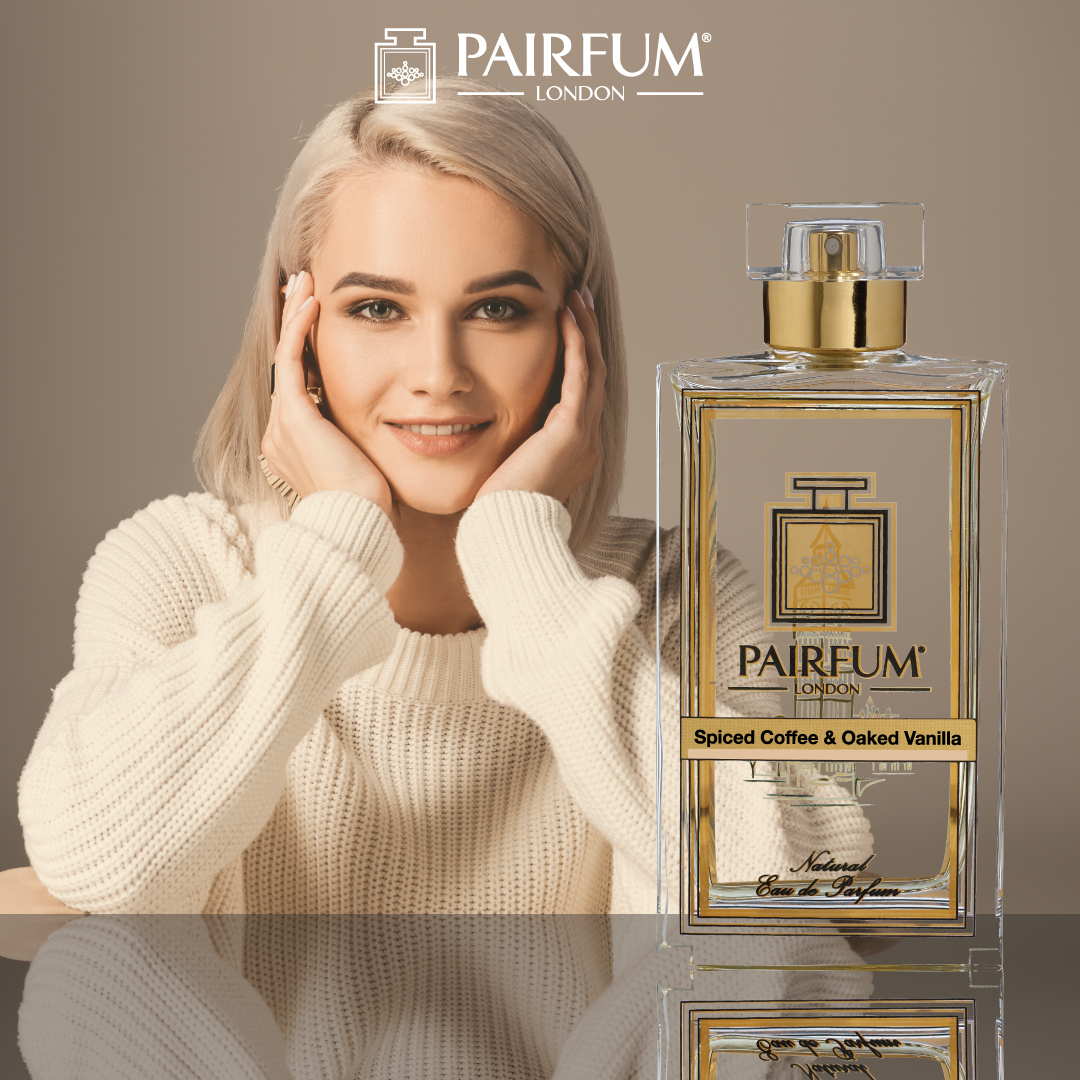
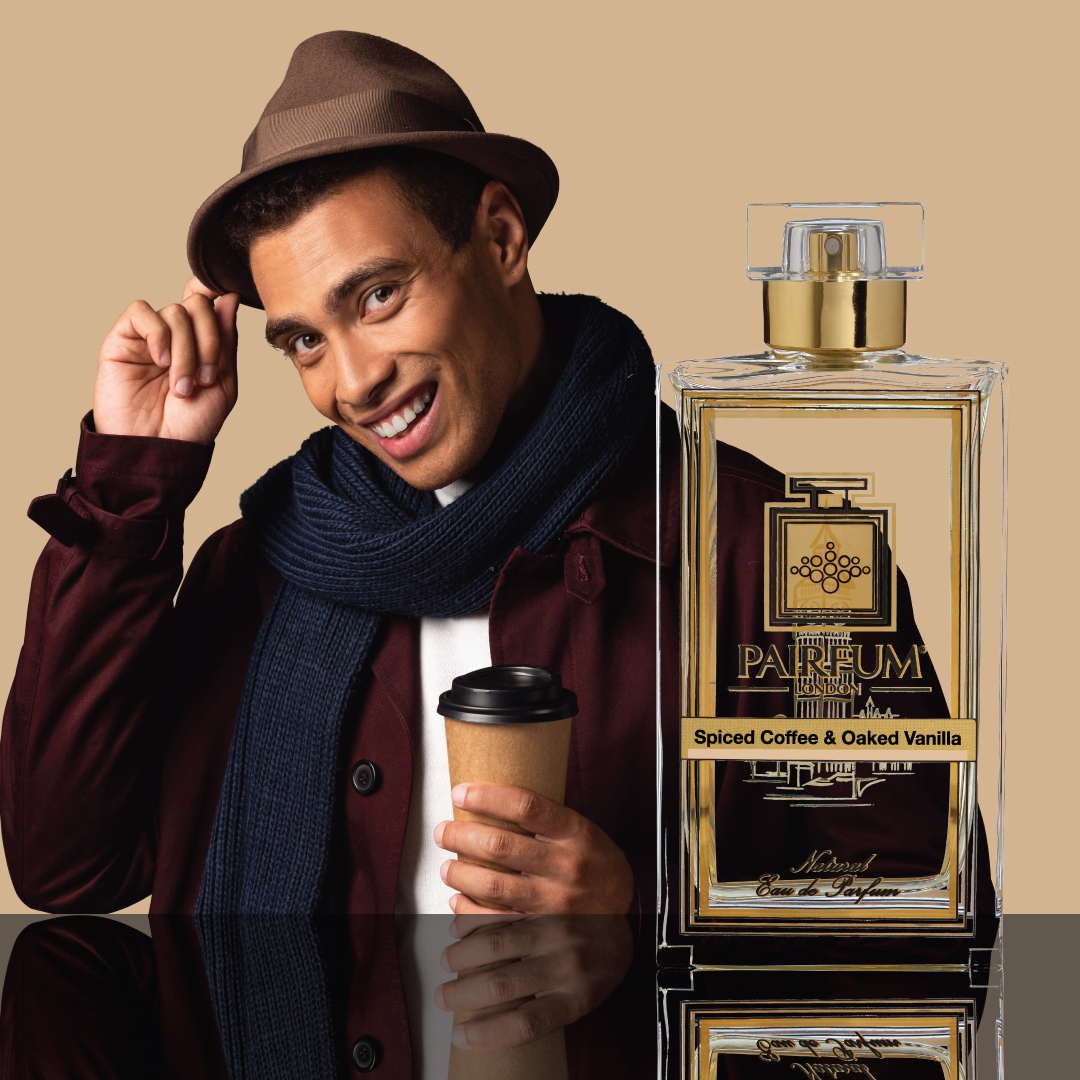
This warm, oriental spicy fragrance begins with top notes of pink pepper, orange blossom, and crisp pear. At its heart, the fragrance features a contemporary combination of rich, dark coffee and the elegance of jasmine. The sophisticated base concludes with vanilla aged in oak, patchouli, and cedar.
Embrace the Fresh Elegance of Anjou Pear with Pairfum London
The journey of the Anjou pear in perfumery is a story of refinement, freshness, and charm. From its roots as a classic European pear in the Anjou region to its current prominence in both culinary arts and modern fragrance, green Anjou pears and red Anjou pears continue to enchant with their elegance. Their balanced flavour, vibrant colour, and unique scent profile evoke the simple happiness of a walk through a pear orchard or the pleasure of enjoying a fresh pear from the tree.
Explore how Pairfum London weaves this beautiful note into its collection, creating fragrances that are both timeless and contemporary. Discover the artistry and natural allure of Anjou pears in our Natural Eau de Parfum range, and let the subtle sophistication of this classic fruit bring joy to every day.