

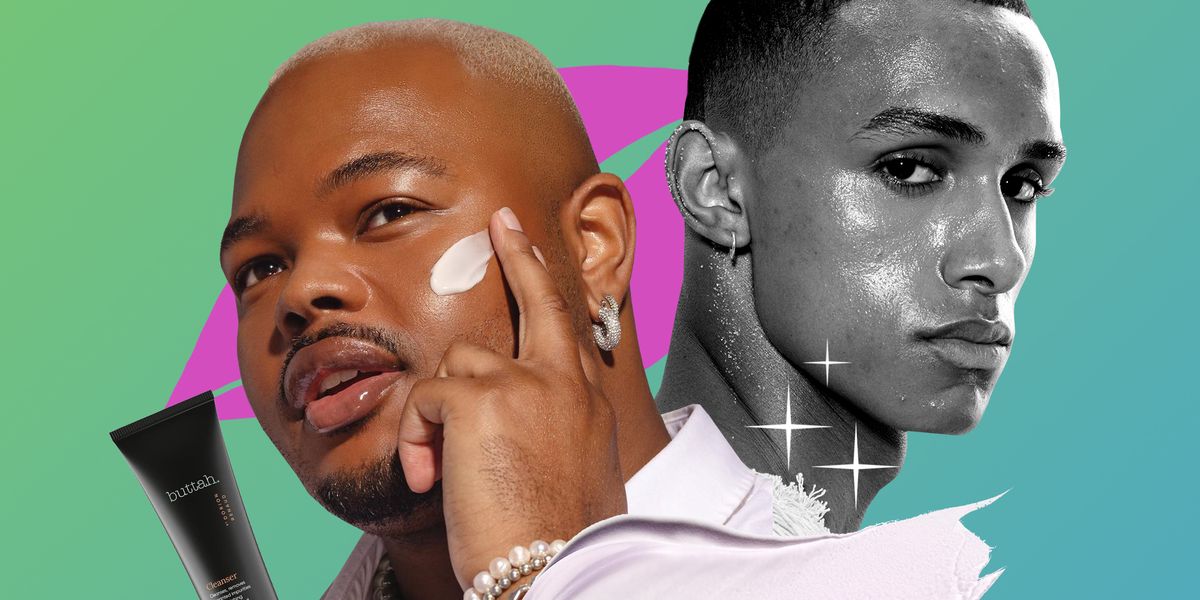
Pharrell Williams showcases skin that seems sculpted from marble, reminiscent of a masterpiece by Michelangelo. His complexion is flawless, smooth, and devoid of imperfections. Surprisingly, for a significant part of his life, Pharrell, often regarded as the unofficial face of the Fountain of Youth, neglected a proper skincare regimen. He candidly admitted to ELLE.com, “Skincare was not really a priority.” Yet, having the right circle of friends can make a world of difference. He recalls the pivotal moment when Naomi Campbell advised him to elevate his skincare game, urging him years ago to take better care of his skin.
Following Campbell’s guidance, Pharrell embarked on a transformative 20-year journey that has significantly influenced his recent endeavors. This path began with the establishment of a skincare routine and a crucial partnership with his longtime dermatologist, Dr. Elena Jones. “Once Dr. Jones enlightened me about the necessity of a routine and emphasized that it doesn’t have to be complicated, I was committed to maintaining it diligently,” he shared. Currently, Dr. Jones is the chief dermatologist for Pharrell’s skincare line, Humanrace. While Pharrell’s narrative is unique due to his celebrity status and youthful appearance, it resonates with many Black men who are now stepping into the beauty industry. Historically overlooked by the market, they are now leading the charge for change.
When you inquire about a man’s skincare routine, you might receive a range of responses, from covertly using their partner’s beauty products to relying on all-in-one formulas that claim to cleanse their face, hair, and body simultaneously. This tendency to use a single product for multiple uses isn’t entirely their fault; the beauty industry has long perpetuated the stereotype that proper skincare is exclusively a female concern. Consequently, many men are left underserved. Shaun McKinley, a PR executive in New York representing men’s beauty brands, notes a significant gap in products that genuinely address men’s specific skin concerns. Many brands underestimate men’s needs, pushing generic three-in-one products instead of recognizing that different areas of the body require tailored care. “These brands are trying to market all-in-one solutions when each part of your body deserves individual attention,” he critiques.
The beauty aisle is often a visual treat, with vibrant packaging showcasing products that promise brightening, anti-aging, or radiance benefits. In stark contrast, the men’s section typically features a sea of dark-colored bottles, predominantly in shades of navy, forest green, or black, all touting promises of deep cleansing or a flawless after-shave experience. But what about effectively addressing those annoying, itchy razor bumps or controlling facial oil throughout the day? While these issues may arise frequently, the discourse surrounding them remains largely muted, primarily due to a lack of information and representation in mainstream media. Many men simply lack the knowledge of where to begin their skincare journey.
This challenge is particularly pressing for Black men, who often feel neglected by both the beauty industry and their communities. Pharrell reflects, “In the past, skincare was rarely emphasized or taught to men; there was little awareness about the importance of cleansing, exfoliating, and moisturizing.”
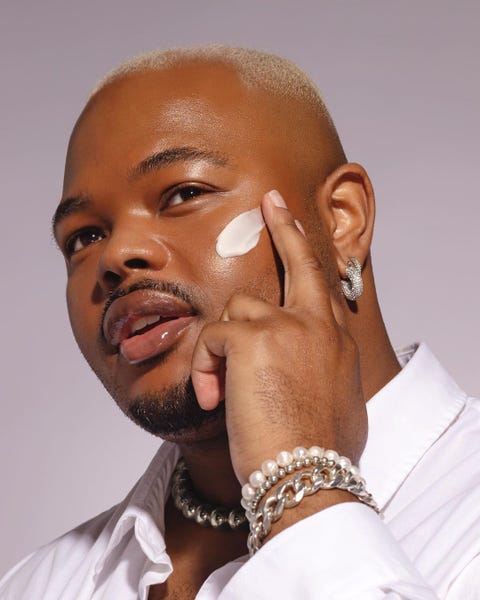
Dorion Renaud has been immersed in the world of self-care from a young age, growing up in a barbershop owned by his father, where discussions about appearance, from choosing the perfect fade to enjoying a soothing hot towel treatment, were prevalent. However, it wasn’t until his teenage years that he recognized that beauty for men transcended maintaining a neat hairstyle.
“In our community, being ashy is simply unacceptable. Growing up, men took all necessary steps to avoid being ridiculed, which meant having a hairbrush, pomade for styling, and a good moisturizer,” he explains. His understanding of men’s beauty expanded beyond just a clean, wavy fade during these formative years.
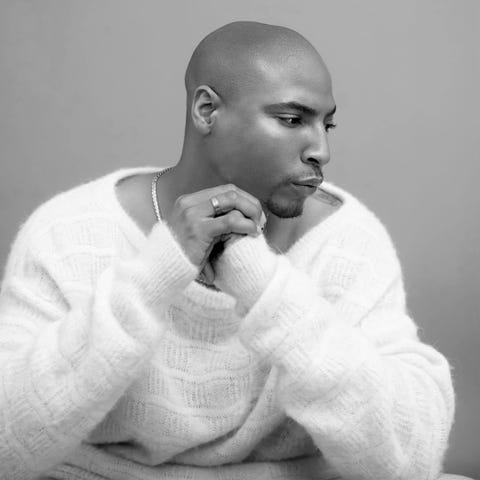
As a budding teenage model, Renaud faced an unexpected challenge when acne appeared on his face, threatening his modeling aspirations. He humorously recalls, “I resorted to microdermabrasion at the back of a nail salon,” a confession that would likely alarm any trained dermatologist. Before dermatologists and estheticians became widely accessible, many Black individuals turned to the beauty professionals at salons and barbershops for skincare guidance. “We have always been our own healers and doctors out of necessity,” Renaud reflects.
He sought help from his parents for a dermatologist visit, only to discover the exorbitant costs. “Resources for consultations were extremely limited, particularly for those of us with melanated skin,” Renaud lamented. However, everything changed when he relocated to Harlem at the age of 19 and discovered the wonders of African shea butter. “I began using it liberally, not just to combat breakouts but to enhance my overall appearance and feel good,” Renaud shares.
This newfound understanding of skincare paved the way for him to launch Buttah Skin in 2018. With shea butter as a cornerstone ingredient, the former model aimed to reshape perceptions surrounding men’s skincare, especially for men of color, while encouraging more individuals to embrace self-care and skincare routines. “I felt compelled to take action and provide education because skincare is not merely about vanity; it’s about understanding how to properly care for your skin. I chose the name Buttah because there’s no better compliment than being told your skin feels as smooth as butter—something we often say in the South,” the founder of Buttah Skin explains.
Achieving skin as smooth as butter can be striking enough to turn heads or stop scrolling on social media. This is how many discovered Sean Garette, who has built an immense following on Instagram and Twitter by sharing unfiltered skincare tips, stunning close-up shots of his beauty routines, and calming voiceovers that dissect popular beauty products. Before earning titles such as the “skin doll,” Fenty Skin ambassador, and Dior skincare expert, Garette spent his childhood immersed in the beauty regimens of his grandmother and mother.
“Growing up, I never viewed beauty as a gender-specific concern. I believe this perspective has shaped my career trajectory. When discussing men’s and women’s skin, although there are some differences, fundamentally, skin remains skin. A quality cleanser will benefit anyone, regardless of gender identity,” he emphasizes.
While many young men overlooked the importance of facial cleansers and moisturizers, Garette was diligently establishing a comprehensive skincare routine using Mary Kay products handed down by his grandmother, who was a Mary Kay ambassador. His grandmother instilled in him the value of indulging in self-care.
“My grandmother introduced me to the essence of self-care. In our Black community, maintaining one’s appearance was seen as a symbol of luxury. Being able to have regular haircuts, wear your favorite lipstick, and keep your nails manicured reflected success. She ingrained in me the idea that how you present yourself to the world matters,” he states.
This belief is deeply rooted in the values passed down to Black children by their matriarchs, who were often the initial sources of skincare knowledge long before dermatologists or estheticians became accessible or affordable.
Dr. Corey L. Hartman, a dermatologist based in Alabama, recalls his aunt’s blunt advice: “Black people don’t go to dermatologists.” This statement motivated him to become one. The New Orleans native felt a calling for dermatology from the age of 13, inspired by a neighbor who was the only Black dermatologist he knew. Throughout his youth, Dr. Hartman was always aware that Black individuals typically sought dermatological help only for severe skin issues like cysts, psoriasis, keloids, or hair loss, even though acne should be given equal importance.
The field of dermatology has grappled with a lack of expertise concerning skin of color, with many licensed professionals lacking training to address the unique needs of deeper skin tones. This has often left Black individuals seeking assistance elsewhere. For many in the community, dermatology was perceived as an exclusive luxury, financially out of reach. This disconnect, combined with the insufficient understanding of Black skin, has created barriers between the Black community and dermatological care.
“The landscape of dermatology has been quite limited for those with brown skin, and the possibilities seemed almost unattainable. The skin is visible to everyone, and it is closely linked to one’s identity, which makes its care all the more significant,” he elaborates.
Given the emphasis on identity, it’s understandable why many men feel pressured to overlook their skin issues due to societal expectations of masculinity. Historically, Black men have associated beauty with femininity.
“Men often find it intimidating to express interest in or seek knowledge about skin health due to the stigmas surrounding masculinity and self-care,” Williams remarks. While it’s easy to attribute the lack of interest in skincare among Black men to toxic masculinity, this perspective oversimplifies the issue. Beauty advertisements rarely cater to men of color, reinforcing narrow definitions of masculinity. “Media and marketing perpetuate rigid notions of masculinity, which can marginalize any deviation from these norms, leading men to believe that there’s only one acceptable definition of masculinity, leaving skincare and beauty off-limits,” he states. This is a critical issue Pharrell aimed to address with the launch of Humanrace in 2020.
“Societal expectations dictate that men should avoid appearing or acting vain. The injectable skincare industry has only recently begun to cater to the needs of darker skin tones. If marketing fails to resonate with you or address your specific needs, engagement is unlikely,” Dr. Hartman adds.
Despite these challenges, Dr. Hartman has noticed an increase in Black clients, particularly Black men, seeking long-term treatments for issues such as acne and hyperpigmentation. The rise of social media and the emergence of male-led beauty brands—like Buttah Skin and Pharrell’s Humanrace—have sparked this newfound interest. “Our goal is to shift the focus back to the importance of skincare and self-care. I appreciate that our clientele at Humanrace is evenly divided between men and women, which demonstrates a growing acceptance among men to participate in this dialogue and embrace the mission of Humanrace,” Pharrell notes. Although these brands feature male founders, their products are intentionally gender-neutral, reinforcing the idea that skin care is universal.
“Men should feel empowered to use these products. While we advocate for skincare as a universal necessity, it’s important to recognize that changing deep-seated beliefs takes time. As a queer individual, I am indifferent to whether a product is pink or purple. However, for many straight Black men, using products with a feminine color may feel uncomfortable. We need to shift towards non-gendered marketing that celebrates beauty across all skin types and identities,” Garette asserts. “Brands like Fenty Skin have pioneered this approach. We need more visibility from skincare professionals who resemble us in beauty marketing and advertisements.”
The beauty industry appears to be undergoing a transformation, or at least striving for one. The urgent calls from Black women for a more inclusive beauty landscape have ushered in a wave of deeper foundation shades, invisible sunscreens, and greater brand transparency. Now, the previously quiet demands of men, particularly Black men, are gaining momentum, resonating with the clear message that their skincare needs merit attention and care.
Step-by-Step Guide to Crafting Your Ideal Skincare Routine

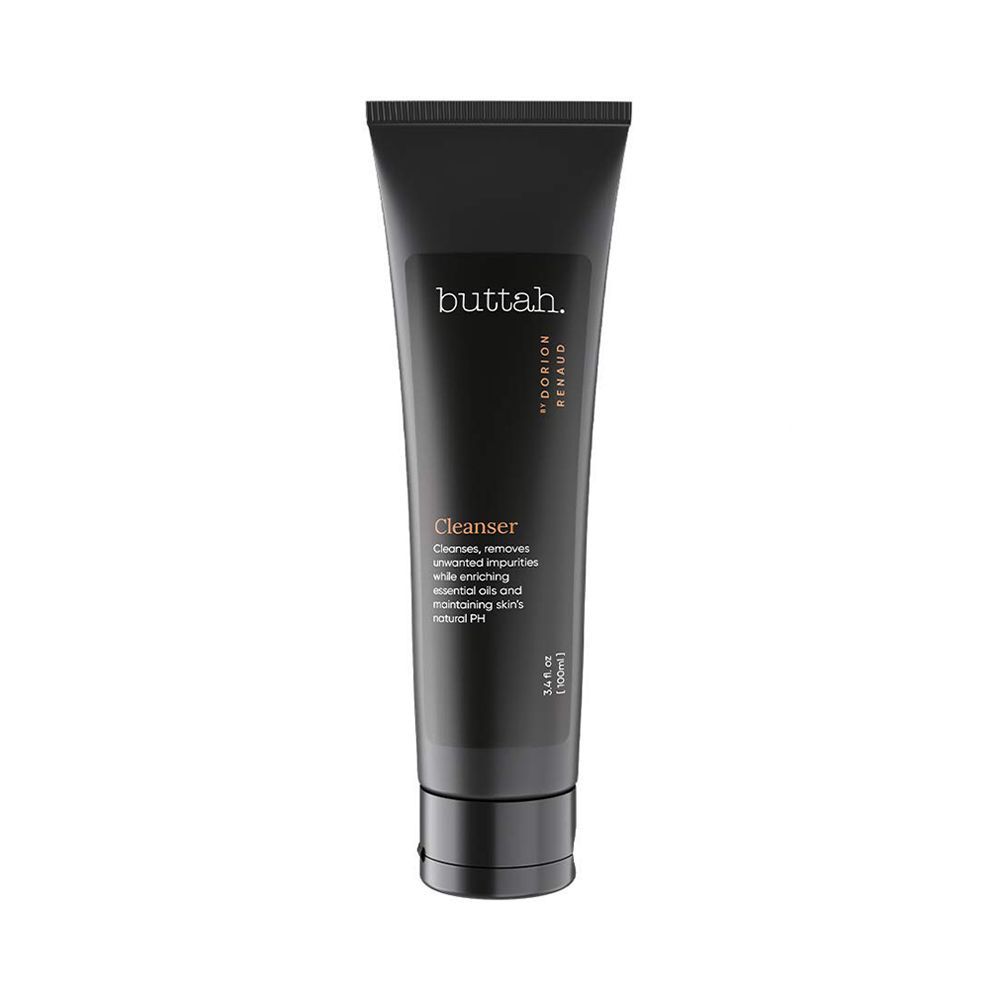
Buttah BUTTAH SKIN Cleanser
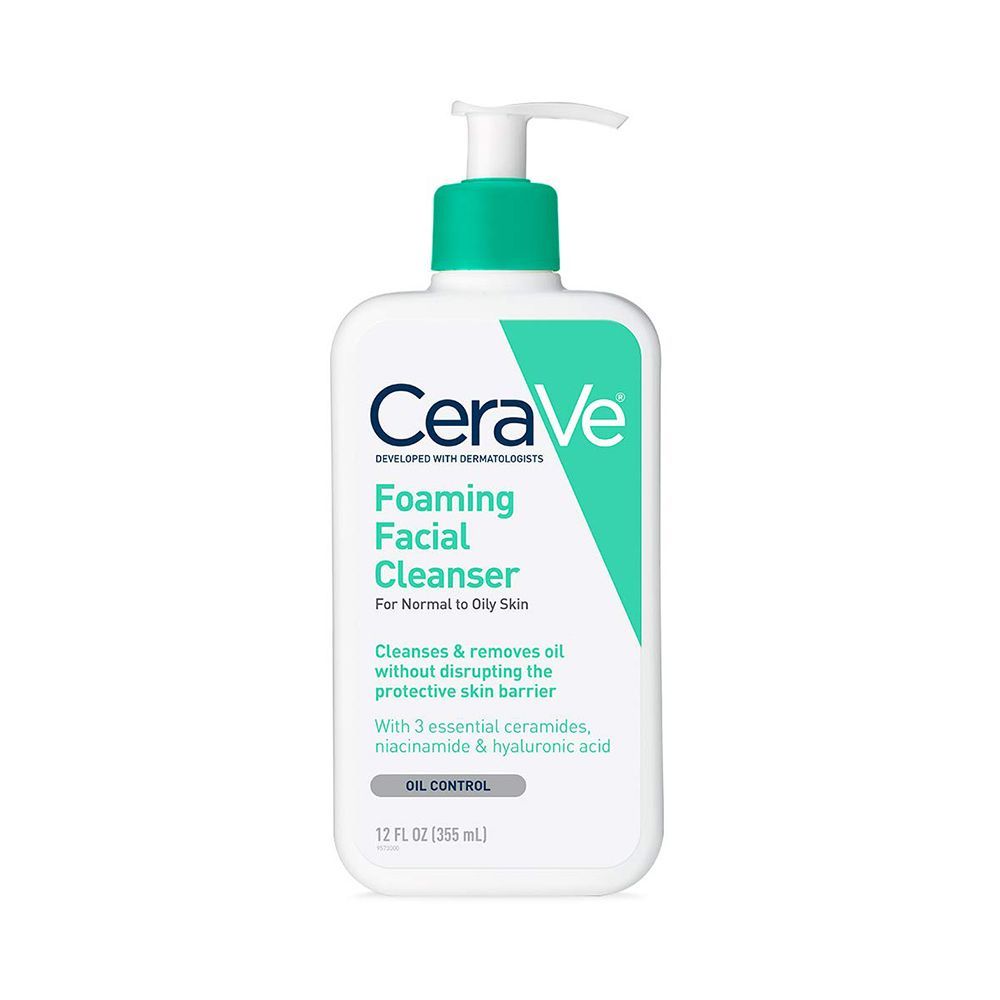
CeraVe Foaming Facial Cleanser

Temple Gentle Face Cleanser

Sienna Blake is a licensed aesthetic consultant and beauty writer specializing in cosmetic surgery advancements and non-invasive treatments. With a background in dermatology and over eight years of industry experience, Sienna is passionate about helping people achieve confidence through informed beauty decisions. She holds a Bachelor's degree in Health Sciences and regularly collaborates with top plastic surgeons to stay at the forefront of aesthetic innovations. Outside of her work, Sienna enjoys traveling, skincare research, and practicing Pilates.
