


In our increasingly digital landscape, finding the right balance between screen time and skin health has become a pressing challenge. You might be surprised to learn that the blue light emitted from our devices can have serious implications for our skin, contributing to problems such as premature aging and hyperpigmentation. Beyond just eye strain, our skin is facing significant risks from this often-overlooked threat. Fortunately, there are effective strategies you can adopt to protect your skin from the harmful effects of blue light exposure.
Let’s explore actionable and effective methods to shield your skin from the damaging effects of blue light.
Explore the Effects of Blue Light on Skin Health
Blue light, classified as high-energy visible (HEV) light, forms a crucial part of the visible light spectrum that we encounter on a daily basis. While natural blue light originates from the sun, it is also significantly emitted by our digital devices, including smartphones, tablets, and computers.
Unlike harmful UV rays, blue light has the ability to penetrate deeper layers of the skin, reaching the dermis and disrupting skin cells by generating harmful free radicals. This can lead to various skin concerns. While natural blue light is balanced by other wavelengths from sunlight, the artificial blue light produced by screens is more concentrated and poses a heightened risk to our skin, especially with prolonged exposure.

Uncovering the Detrimental Effects of Blue Light on Your Skin
Exposure to blue light, especially from digital screens, can have numerous negative consequences for skin health. One of the most alarming effects is premature aging, which can lead to what many refer to as “digital wrinkles.” This phenomenon arises due to oxidative stress initiated by blue light, which in turn damages key proteins such as collagen and elastin—the very fibers that keep our skin firm and elastic. Additionally, blue light exposure can trigger hyperpigmentation and uneven skin tone by increasing the production of melanin, particularly in individuals with darker skin types who are more susceptible to pigmentation issues.
Furthermore, blue light can compromise the skin’s barrier function, diminishing its ability to retain moisture and defend against environmental aggressors like pollution. This weakened barrier may increase susceptibility to irritation and dryness. There is also growing evidence suggesting a potential correlation between blue light exposure and acne flare-ups, as the light may exacerbate existing skin conditions, resulting in increased redness and breakouts over time.
Recognizing the Early Signs of Blue Light Damage
The initial signs of blue light damage can manifest as fine lines and wrinkles appearing earlier than anticipated. You might also observe alterations in skin texture and firmness, with your skin feeling less smooth and more inclined to sag.
Persistent redness or irritation is another significant indicator, as blue light may worsen inflammation and degrade the skin barrier. Increased sensitivity to skincare products can also point to damage; formulations that were once beneficial might lead to discomfort or irritation, suggesting that your skin’s resilience and overall health have been compromised.
Establishing a Comprehensive Blue Light Defense Plan
To effectively shield your skin from blue light damage, consider making thoughtful adjustments to your daily skincare routine. Opt for products enriched with protective ingredients such as antioxidants like vitamins C and E and niacinamide, which help neutralize harmful free radicals.
Both physical and chemical sunscreens offer protection against blue light; however, physical blockers such as zinc oxide provide broader coverage. Additionally, lifestyle modifications—such as limiting screen time, utilizing blue light filters, and consuming a nutritious diet rich in antioxidants—can significantly reduce exposure and enhance your skin’s defenses against blue light damage.
Essential Ingredients for Optimal Blue Light Protection
Antioxidants: Vitamin C, E, and Niacinamide
These potent ingredients neutralize free radicals generated by blue light exposure, aiding in the prevention of premature aging and skin damage.
Iron Oxides and Zinc Oxide
These compounds serve as physical sunscreens, effectively blocking both blue light and UV rays, thereby offering comprehensive protection against skin damage.
Algae and Marine Extracts
These ingredients enhance the skin barrier and provide essential hydration, shielding the skin from the drying and damaging effects of blue light.
Plant-Based Protectors: Red Algae, Cocoa Seed Extract
These natural elements protect the skin from oxidative stress and inflammation, helping to maintain skin health and resilience against blue light exposure.
Innovative Tech Solutions to Minimize Blue Light Exposure
1. Implementing blue light filtering apps and screen protectors on your devices can significantly diminish blue light exposure.
2. Modifying device settings to lower brightness and enabling night mode can further protect both your eyes and skin from blue light damage.
3. Regularly taking breaks from screens is vital; stepping away allows your skin to rejuvenate and prevents excessive blue light exposure, reducing the risk of long-term damage.
Revitalize Your Skin with Nighttime Recovery Techniques
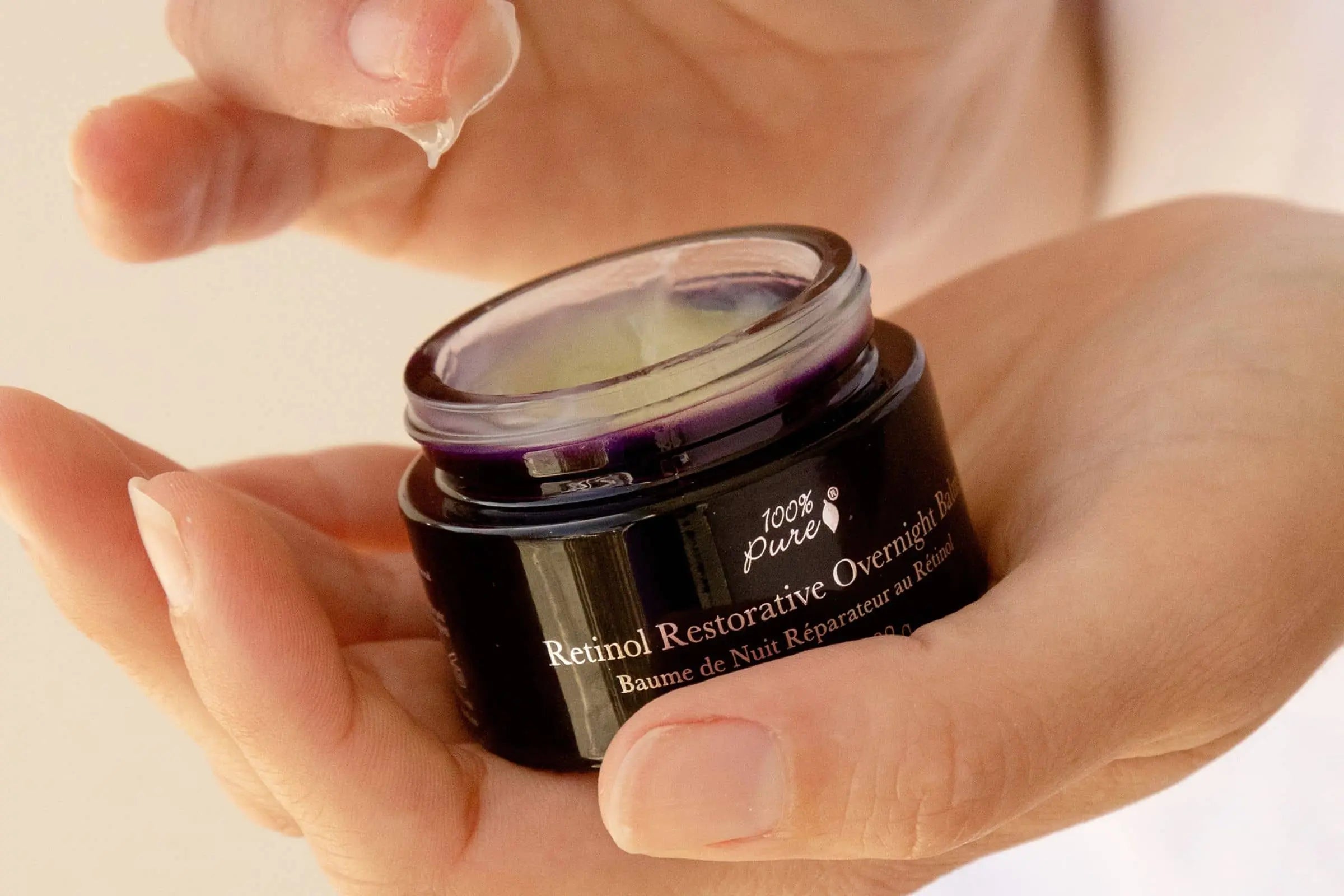
Nighttime serves as a critical window for healing skin that has been subjected to blue light throughout the day. Ingredients such as retinol, hyaluronic acid, and peptides are renowned for their ability to enhance overnight skin recovery by promoting cell turnover and hydration.
Creating a sleep environment conducive to skin health—such as utilizing a humidifier and maintaining a cool, dark room—can amplify the skin’s natural repair mechanisms, helping to counteract the effects of blue light damage and ensuring you wake up with refreshed, rejuvenated skin.
Adopting Holistic Strategies to Combat Blue Light Effects
Nutrition for Skin Protection: A diet abundant in antioxidants and omega-3 fatty acids is essential for safeguarding skin cells against blue light damage, while also supporting overall skin vitality.
Stress Management Techniques: Engaging in practices such as meditation and deep breathing can alleviate stress, which is known to exacerbate skin damage and inflammation linked to blue light exposure.
Role of Exercise in Enhancing Skin Resilience: Regular physical activity boosts blood circulation, delivering vital nutrients and oxygen to the skin, thereby enhancing its capacity to recover from and withstand blue light exposure.
Discover 100% PURE Products for Effective Blue Light Defense
100% PURE skincare solutions are expertly formulated to protect your skin from the adverse effects of blue light. Our products combine natural ingredients with advanced technology to deliver comprehensive protection and repair, addressing concerns such as premature aging, hyperpigmentation, and uneven skin tone resulting from prolonged screen exposure.
Fruit Pigmented® Tinted Moisturizer: This multifunctional moisturizer provides daily tinted coverage while protecting your skin from blue light exposure, offering you a flawless appearance with added defense in a single step.
Fermented Rice Water Serum: Renowned for its brightening capabilities, this serum works to even out skin tone and reduce the visibility of hyperpigmentation caused by blue light exposure.
Retinol Restorative Overnight Balm: Perfect for nighttime application, this balm aids in skin repair and rejuvenation, addressing damage while promoting cell turnover as you sleep.
Caffeine Mask: Refresh and protect fatigued skin with this mask, specifically designed to invigorate and revitalize skin that has been exposed to screens throughout the day.
Green Tea EGCG Concentrate Cream: Rich in antioxidants, this cream provides robust defense against digital aging, helping to safeguard your skin from the long-term impacts of blue light exposure.
Your Questions Answered: Blue Light Protection FAQs
How does blue light from screens differ from sunlight in terms of skin damage?
The blue light emitted from screens varies from sunlight primarily in its intensity and duration of exposure. While sunlight includes UV rays that can directly harm the skin’s DNA and accelerate aging, blue light penetrates deeper into the skin, potentially causing oxidative stress, pigmentation, and signs of premature aging. While sunlight can be intensely damaging in brief bursts, blue light from screens results in prolonged exposure that may contribute to cumulative skin damage over time.
Can blue light protection be combined with regular sunscreen?
Absolutely, blue light protection should be used alongside regular sunscreen. While sunscreens offer defense against UV rays, products formulated for blue light protection specifically target the effects of digital screen exposure. Utilizing both ensures comprehensive protection from a range of environmental factors leading to skin damage, including both UV rays and blue light, providing a more complete defense against premature aging and skin issues.
Are certain skin types more susceptible to blue light damage?
Indeed, certain skin types may be more vulnerable to the damaging effects of blue light. Individuals with lighter skin tones may show signs of pigmentation and premature aging more readily due to lower levels of melanin. Additionally, those with sensitive or compromised skin barriers may find that blue light exacerbates redness and irritation. Individuals with existing skin conditions like hyperpigmentation or inflammation may also be at a higher risk of experiencing the adverse effects of blue light exposure.
How long does it take to see improvements after implementing blue light protection?
The timeframe for noticing improvements after incorporating blue light protection can vary significantly. Generally, you may begin to observe benefits such as reduced redness and enhanced skin texture within a few weeks of consistent use. However, more substantial changes—like diminished pigmentation and wrinkles—may take several months of regular application and a combination of protective and restorative skincare practices to become noticeable.
Can blue light-blocking glasses help protect facial skin?
While blue light-blocking glasses are primarily designed to shield the eyes from the harmful effects of blue light, they do not directly protect the facial skin. However, by reducing overall blue light exposure, they can help lessen some indirect effects on the skin, such as reducing strain and potential redness around the eyes. For comprehensive facial protection, it is advisable to utilize skincare products specifically formulated to address blue light damage.
