


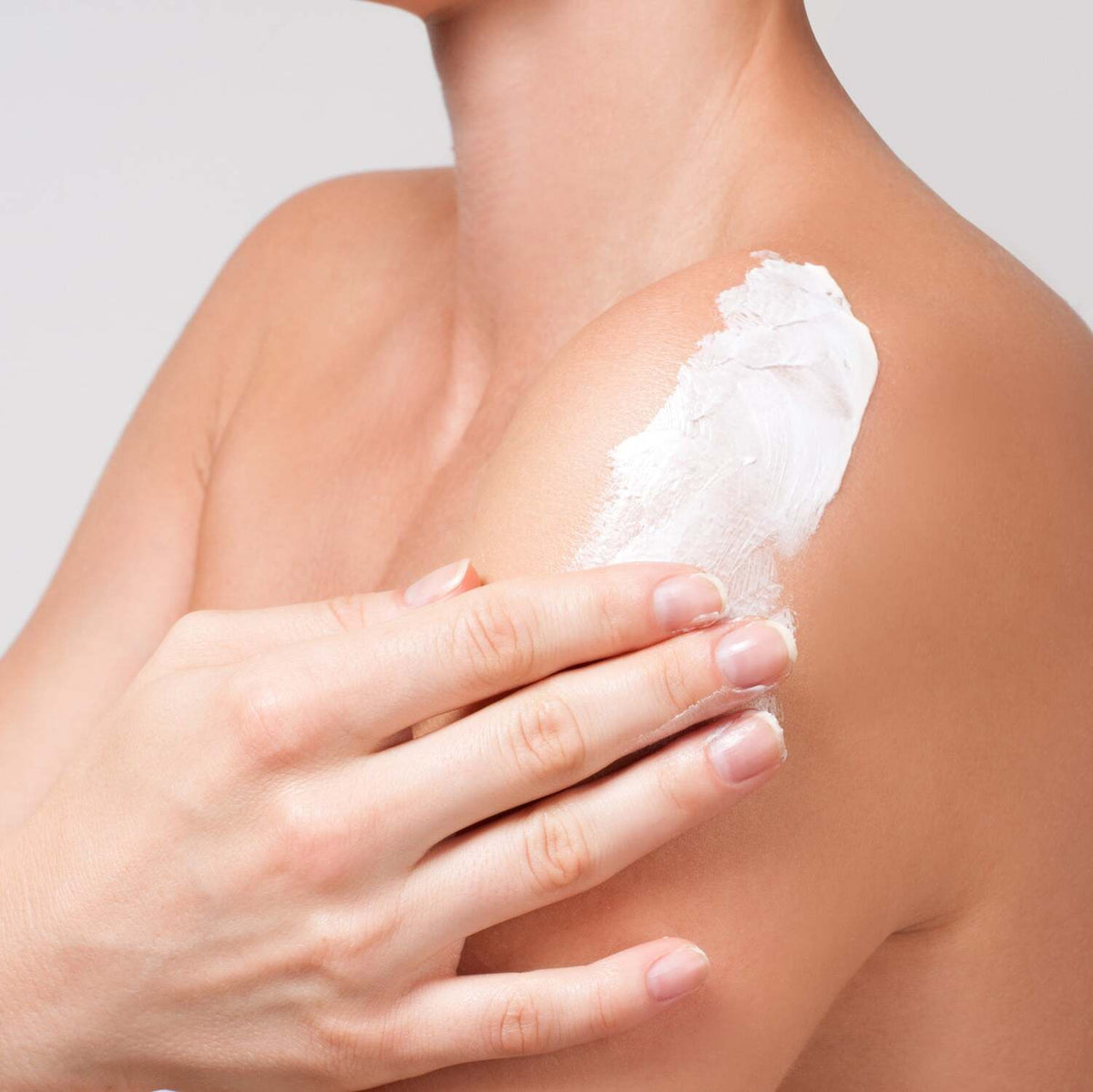
Regardless of whether it’s the chill of winter or the sweltering heat of summer, our delicate skin requires consistent nurturing and attention. When we refer to “care,” we mean applying a generous amount of body butter or body lotion to effectively combat our dry, thirsty skin. The question isn’t whether to moisturize but rather which product is the best choice for adequately hydrating my skin?
While many individuals typically opt for body butter as their go-to skin treatment, it’s essential to determine if you are selecting the right skincare product to meet your needs. The discussion surrounding body butter versus body lotion is a hot topic, and today we aim to explore which one truly stands out as the superior moisturizer in this ultimate showdown.
Join us as we delve into the specific circumstances in which you should reach for body butter versus when body lotion is more appropriate.
Understanding the Benefits of Body Butter
Body butter is often regarded as the ultimate choice among natural body care products. Our rich, indulgent body butter is readily available when your skin craves profound hydration. Formulated specifically to revitalize moisture into dry, cracked skin, body butter is your best ally against environmental stressors.
The secret to its deeply penetrating and softening qualities lies in its robust base of natural butters. We’ve expertly blended avocado, shea, and cocoa butter into a thick, creamy concoction; these three ingredients form a skincare trifecta that heals and nourishes. Adding to the mix are vitamin-rich argan oil, rejuvenating rosehip seed oil, and skin-repairing vitamin E, enhancing the overall effectiveness of our body butter.
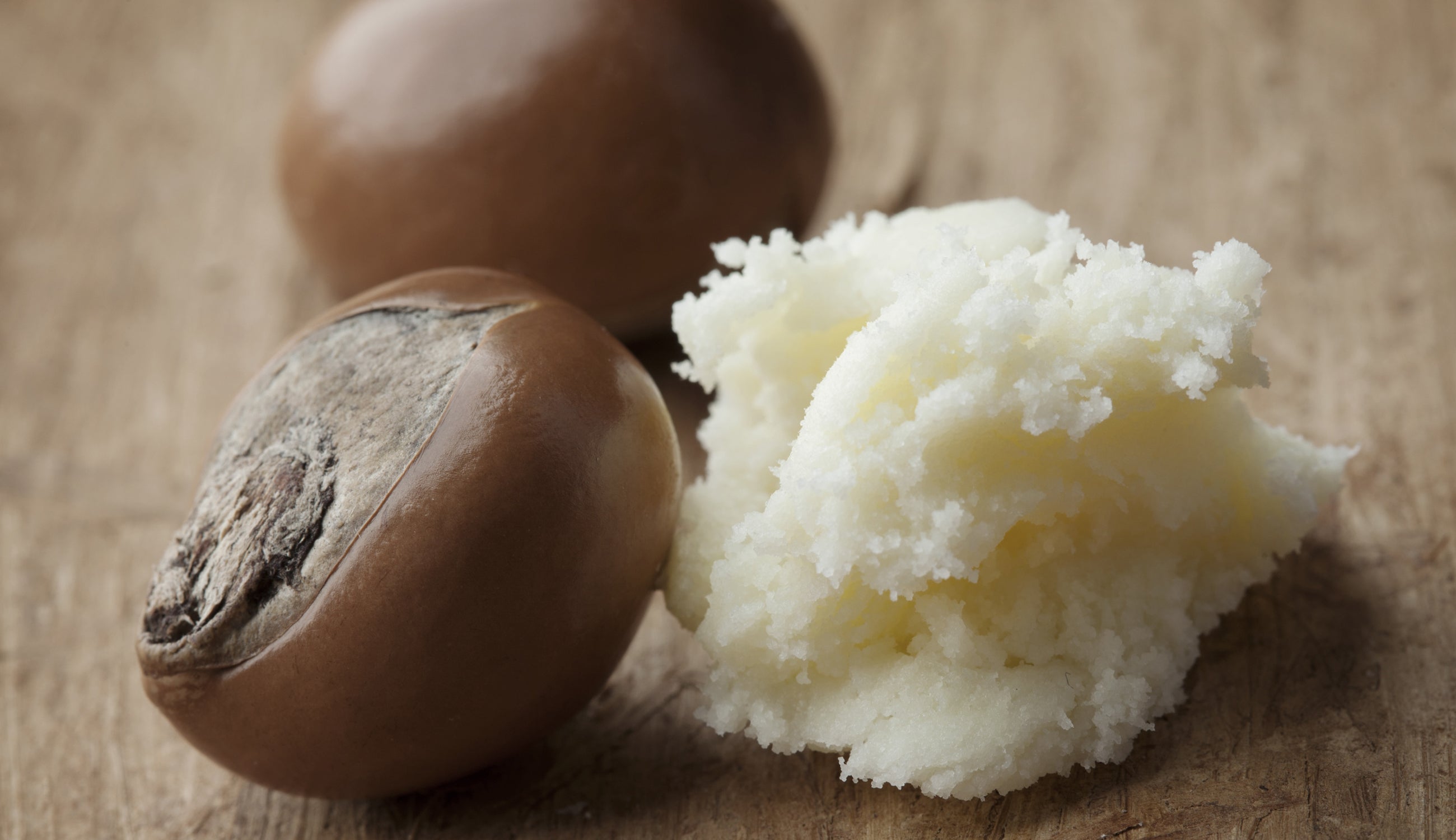
Discover the Top 5 Essential Ingredients in Body Butter
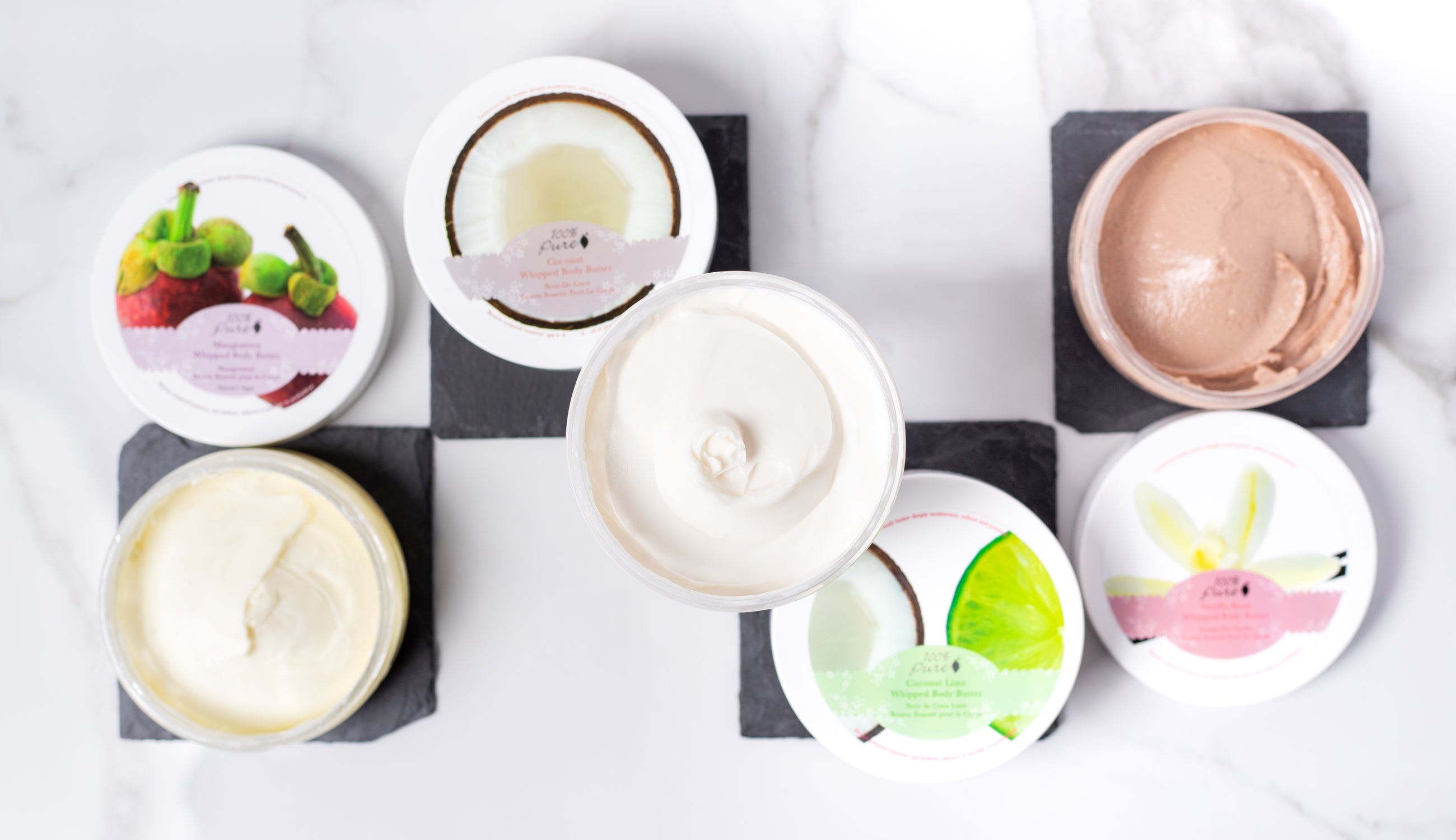
What sets our body butters apart? The answer is simple: a wealth of high-quality, natural ingredients that are exceptionally beneficial for all types of dry skin issues. We’ve meticulously mixed, whipped, and blended a variety of ten unique body butter scents designed to satisfy everyone’s preferences; from the spa-inspired Honey Almond Whipped Body Butter to the tropical indulgence of coconut body butter.
Our all-natural body butters are brimming with an incredible variety of skin-healing components that facilitate the recovery, softening, and replenishing of dry skin types desperate for hydration. Here are the top five hero ingredients featured in our body butters:
- Cocoa Butter
Cocoa butter serves as an ideal base for our body butter formulation, thanks to its abundant fatty acids. This ingredient delivers profound hydration and nourishing fats that enhance skin elasticity while establishing a protective barrier on the skin to lock in moisture. - Avocado Butter
Did you know that avocado butter can bolster our defense against ultraviolet rays? It acts as a low-grade natural sunscreen and an exceptional moisturizing agent. Packed with fatty acids, avocado butter is also a rich source of vitamin E, potassium, and lecithin, all of which collaborate to nourish and hydrate the skin. - Shea Butter
Completing our butter trio, shea butter is renowned for its concentration of fatty acids that work diligently to soften and heal dry skin. Rich in vitamins, shea butter is celebrated for its anti-inflammatory and rejuvenating properties. - Argan Oil
Brimming with skin-enhancing omega fatty acids, vitamin E, and linoleic acids, argan oil is a lightweight moisturizer crucial for restoring hydration to stubborn dry patches. - Vitamin E
Famed for its skin-repairing capabilities, vitamin E is another star ingredient in our body butter formulation. Not only does it help diminish the appearance of scars, but it also provides deep moisture for parched skin.
Stay Updated! Subscribe to Our Newsletter
Receive more blog updates and gain access to exclusive discounts
Comparing Body Butter and Body Lotion: Key Differences Explained
Feeling uncertain about which body care product is best suited for your dry skin? We’ve prepared a handy guide to help you determine whether body butter or body lotion is the right choice for your moisturizing needs.
- Body Butter:
- Provides deep, intensive moisturizing
- Ideal for rough, extremely dry skin
- Suitable for all-over body use with a focus on hands, feet, elbows, and legs
- Features a thicker formulation enriched with butters and oils
- Contains lower water content
- Body Lotion:
- Offers lightweight hydration
- Best for slightly dry skin
- Can be applied all over the body, concentrating on arms, stomach, and thighs
- Has a lighter, easily spreadable formula
- Contains higher water content
What Exactly Is a Body Balm and How Does It Differ?
Now that we have clarified the distinctions between body butter and lotion, you may have noticed another product designed to nourish, protect, and repair the skin: the body balm.
A body balm is crafted from a blend of butters and oils, typically resulting in a slightly thicker consistency than body butter. Thanks to its oil content, body balms usually absorb quickly into the skin, particularly those formulated with lightweight oils such as acai, pomegranate, and goji berry. You can find these beneficial ingredients in our Super Fruit Balm.
Essentially, body balms are considered a step above body butters in terms of nourishment: with their enhanced emollient and occlusive properties, they create an additional protective layer around the skin, trapping all those nourishing oils beneath.
Due to these added nurturing and protective qualities, body balms are exceptional for skin that is particularly damaged and in urgent need of care, whether due to harsh weather conditions, exposure to cleaning products without gloves, or skin ailments such as psoriasis or contact dermatitis.
Additionally, body balms are particularly effective for those areas of the body that tend to remain dry, such as elbows and knees. If your usual lotion or butter isn’t delivering the desired results, consider applying balm after bathing, right before bedtime.
Body balms are also fantastic for preventing dryness. One effective method to achieve this is through “slugging,” a technique in which you finish your skincare routine with a thick, occlusive product (like a balm) to lock in moisture overnight and prevent hydration loss while you sleep.
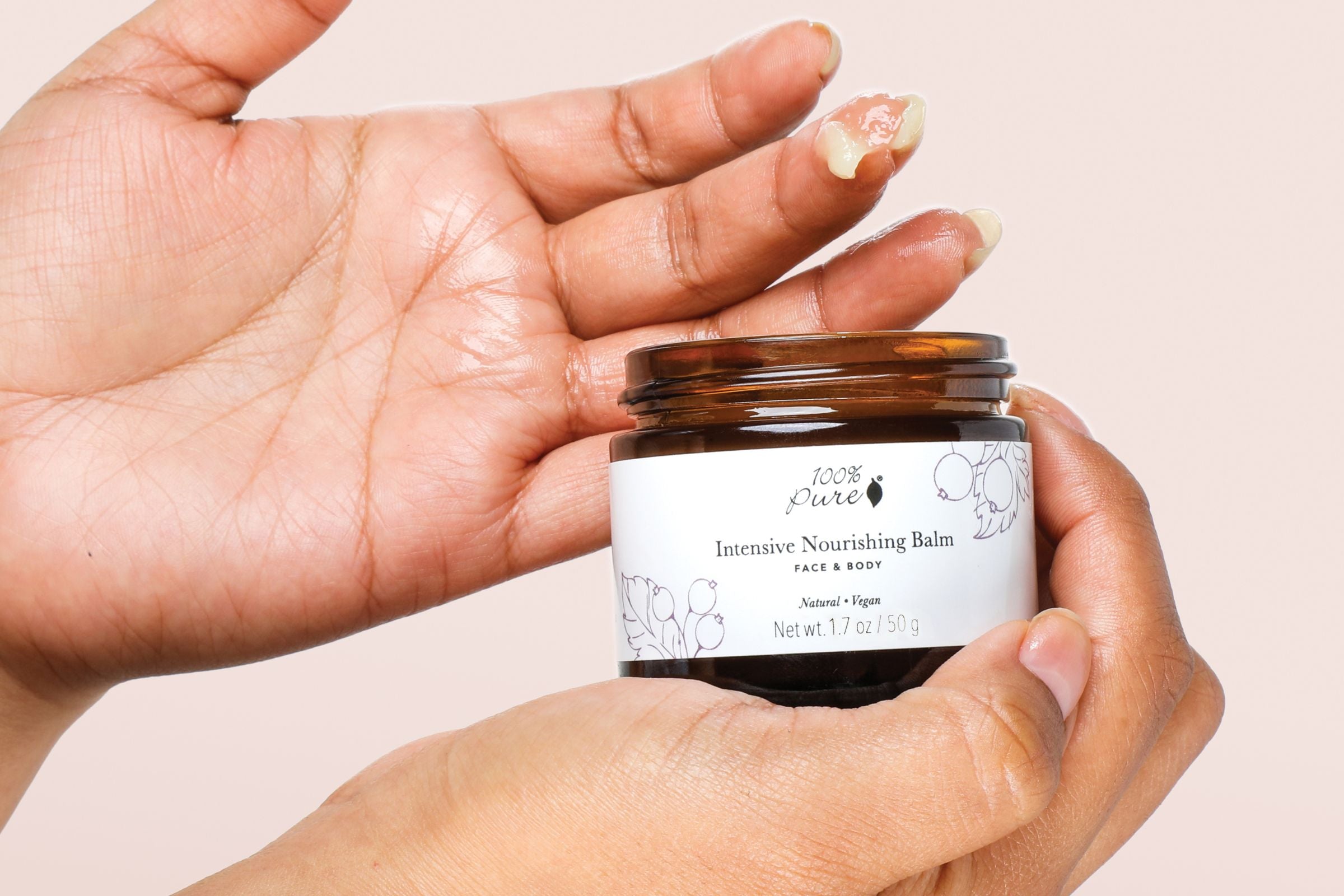
If you opt to use a body balm for slugging, ensure you select one that is also suitable for facial use, such as our Intensive Nourishing Balm. This rich formulation can be applied to both the face and body.
Determining the Best Option for Your Skin: Body Butter or Lotion?
The most straightforward answer depends on your specific skin concerns. If you seek a more profound remedy for dry, rough skin, body butter is your ideal solution. Due to its thicker consistency, body butter remains on the skin longer, effectively minimizing moisture loss and maintaining hydration. This protective layer ensures your skin stays moisturized for an extended period.
Conversely, if you require a light, daily moisturizer for common areas such as your arms and legs, body lotion is the better choice. This lighter formulation is perfect for larger surfaces, as it spreads more easily and absorbs quickly, preventing any greasy or slippery residue.
The primary causes of dry skin can vary, including factors such as climate, nutrition, frequency of washing, and dehydration. When the natural oils and hydration are stripped from our skin, the epidermis becomes rough and dry. To protect your skin’s hydration levels, you’ll need to apply a deeply hydrating body butter for extremely dry skin or opt for body lotion for everyday moisture.
Regardless of whether you choose body butter or body lotion, prioritize using the healthiest body care products available. Take the time to review ingredient labels for any harmful components. Never compromise your health for the sake of beauty; always choose a natural body butter or body lotion that is free from parabens, phthalates, artificial fragrances, synthetic chemicals, silicones, and toxic preservatives. You have only one body, so treat it with the utmost care!
Essential FAQs: Body Butter vs. Body Lotion – Key Insights
1. What distinguishes body butter from body lotion?
The primary distinction between body butter and body lotion lies in their texture, water content, and hydration levels they provide:
- Body Butter is denser and more concentrated, formulated with natural butters like shea, cocoa, and avocado butter, along with rich oils such as argan and rosehip seed oil. It delivers intense, long-lasting hydration and forms a protective barrier to prevent moisture loss, making it ideal for extremely dry or rough skin, especially on hands, feet, elbows, and knees.
- Body Lotion has a lighter consistency and higher water content, allowing for rapid absorption into the skin. It is perfect for daily moisturizing of normal to slightly dry skin and is effective on arms, legs, and stomach. Body lotions provide immediate hydration without leaving a greasy finish.
If your skin requires intensive moisture and repair, opt for body butter. If you prefer a lightweight, everyday moisturizer, then body lotion is the right choice.
2. Which product is more effective for extremely dry or damaged skin?
For severely dry or damaged skin, body butter is the superior option due to its rich consistency and higher concentration of nourishing ingredients. Ingredients like cocoa butter, avocado butter, and vitamin E provide deep hydration while establishing a moisture-sealing barrier that helps restore the skin’s protective layer.
If your skin is badly damaged, cracked, or sensitive, consider utilizing a body balm such as Super Fruit Balm or Intensive Nourishing Balm, which deliver even greater repairing and protective benefits.
3. Can body butter or body lotion be safely applied to the face?
While both body butter and body lotion are intended for use on the body, they are not always suitable for facial skin, which is typically thinner and more sensitive.
- Body Butter is often too rich and heavy for facial application, potentially clogging pores, particularly for those with oily or acne-prone skin.
- Body Lotion may sometimes be suitable for the face, depending on its ingredients. If it contains fragrances, silicones, or comedogenic oils, it might lead to irritation or breakouts.
For optimal facial hydration, it is advisable to utilize a moisturizer specifically designed for the face, such as the Hydra Drench Cream for light hydration or the Restorative Sea Culture Extra Riche Créme for deep moisture.
4. What is the most effective method for applying body butter for maximum hydration?
To maximize the benefits of your body butter, adhere to these guidelines for optimal absorption and hydration:
- Apply on damp skin – Immediately following a shower or bath, your skin is more receptive to moisture. The dampness aids in locking in hydration when body butter is applied.
- Warm it up – Take a small amount of body butter and rub it between your hands to soften it before application. This makes it easier to spread evenly.
- Massage into the skin – Concentrate on extra-dry areas like elbows, knees, and feet, using circular motions to enhance product penetration.
- Use before bedtime – Since body butter is thicker, nighttime application allows for deep absorption while you sleep.
For an added hydration boost, layer with body oil before applying body butter. The oil assists in sealing in moisture, leaving your skin incredibly soft and nourished.
5. How do body butters and lotions contribute to skin barrier protection?
The skin barrier acts as a crucial protective barrier, preventing moisture loss and blocking irritants. When compromised, the skin becomes dry, irritated, and more susceptible to sensitivity.
- Body butters are rich in fatty acids, ceramides, and antioxidants that fortify the skin barrier, repair dryness, and prevent transepidermal water loss (TEWL). Ingredients like shea butter and argan oil work to nourish and strengthen the skin barrier.
- Body lotions provide a lighter layer of hydration, helping to maintain skin balance and preventing dryness while allowing the skin to breathe.
To ensure your skin barrier remains robust and resilient, choose natural, non-toxic body care products that are free from parabens, sulfates, and synthetic fragrances.
Final Thoughts: Choosing Between Body Butter and Body Lotion
The decision between body butter and body lotion ultimately hinges on your skin type, individual concerns, and hydration requirements:
- Opt for body butter if you have dry, rough, or damaged skin that necessitates intensive, long-lasting moisture. It’s especially effective for cold weather, extremely dry areas, or overnight repair.
- Choose body lotion if you require a lightweight, daily moisturizer that absorbs quickly into the skin, keeping it soft and hydrated without a greasy residue.
For an optimal skincare routine, you can incorporate both: apply body lotion during the day for quick hydration and use body butter at night for profound nourishment and repair.
Regardless of your choice, always opt for natural, non-toxic formulations that honor your skin and offer pure, plant-based hydration. Treat your skin well, and watch it radiate health and vitality!
