



Experiencing skin conditions such as acne, rosacea, or psoriasis can be incredibly frustrating. This discomfort is often amplified during winter months when the harsh elements can exacerbate these issues. Eczema is no exception; its symptoms like severe itching, noticeable redness, and swelling can leave you feeling uncomfortable and less confident in your skin.
The persistent discomfort associated with eczema, characterized by intense itching and inflammation, can feel overwhelming at times. It’s important to recognize that managing these symptoms is possible, allowing you to reclaim your comfort and confidence. Today, we will delve deeper into understanding eczema, its manifestations, and how to effectively manage its symptoms.
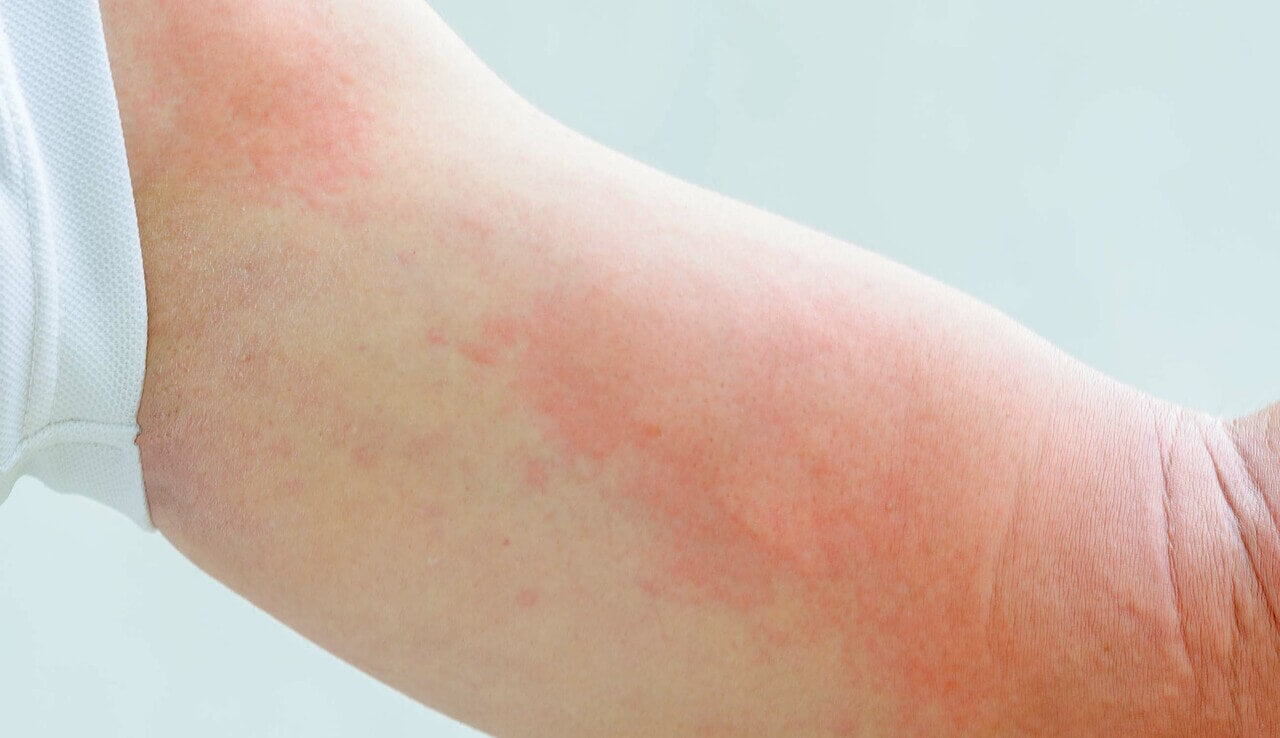
Recognizing Eczema: Key Symptoms to Look For
According to the Mayo Clinic, eczema refers specifically to atopic dermatitis, a condition characterized by red, itchy skin. Although it is prevalent among children, anyone can develop symptoms at any age. Understanding what symptoms to watch for is crucial in managing this condition effectively.
Common symptoms of eczema include:
-
Dry, patchy areas of skin
-
Persistent itching sensations
-
Small raised bumps that may weep or ooze
-
Scaly patches
-
Raw, inflamed skin resulting from scratching
Eczema is classified as a chronic condition, meaning that it often experiences periods of flare-ups. While there is currently no definitive cure, a combination of clinical treatments and self-care strategies can significantly alleviate itching and help prevent future outbreaks.
Top 10 Natural Ingredients That Soothe Eczema Symptoms
If eczema symptoms become severe to the point where they disrupt your sleep or daily activities, or if you notice signs of infection such as red streaks, yellow scabs, or pus, it’s advisable to consult a healthcare professional. However, for everyday management, certain natural ingredients can provide significant relief. Today, we’ll explore the most effective clean skincare ingredients for soothing eczema.
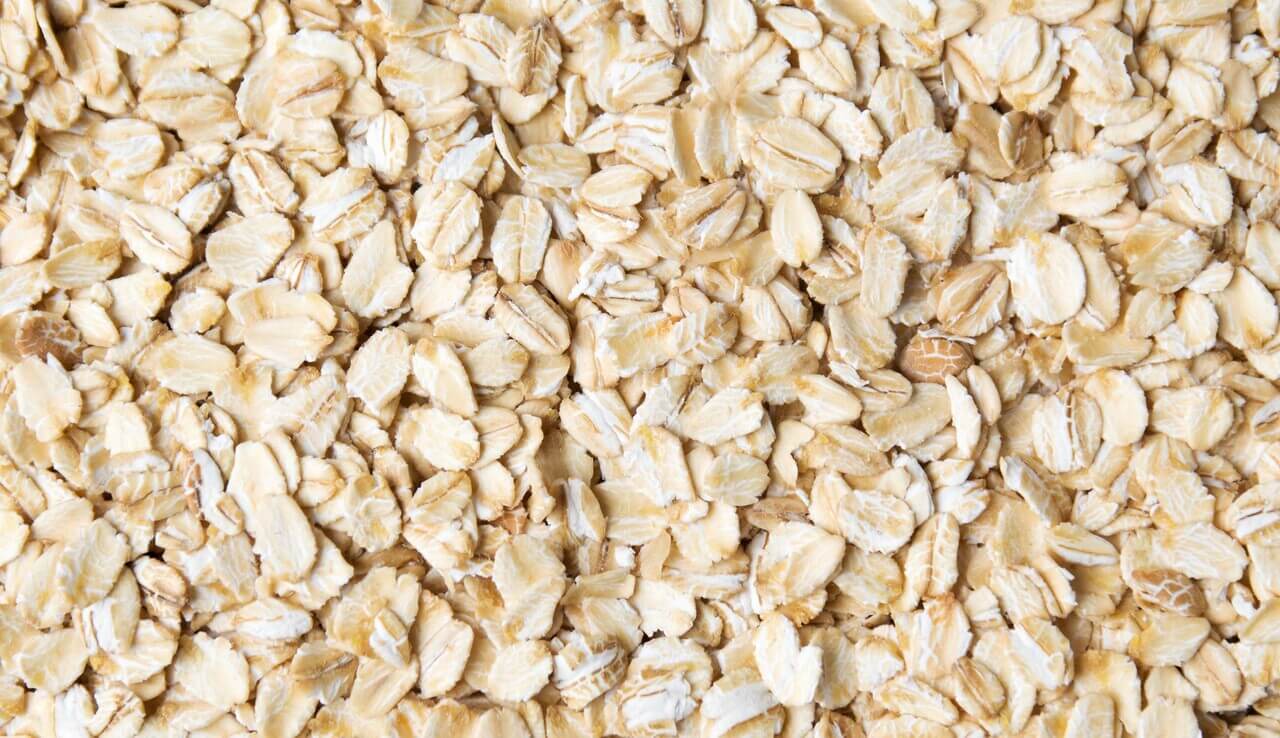
#1: Oatmeal
Known for its calming properties, oatmeal serves as one of the most effective natural remedies for eczema. This anti-inflammatory ingredient gently exfoliates the skin and aids in restoring the skin barrier, alleviating itchy sensations. Oatmeal can be added to baths or directly applied to the skin mixed with warm water for optimal results.
#2: Zinc
Zinc is a vital trace element that plays numerous roles in the body, including supporting metabolism and immune health. Additionally, zinc can help reduce inflammation in the skin, promoting cellular repair and improving overall skin health.
#3: Shea Butter
Renowned for its rich emollient properties, shea butter forms a protective barrier over the skin while providing deep hydration. Its anti-inflammatory qualities can also help reduce swelling and irritation. You can find this nourishing ingredient in various moisturizers, including our Coconut Hand Buttercream!
#4: Cocoa Butter
While cocoa butter is often associated with preventing stretch marks during pregnancy, it is also beneficial for healing rashes. Rich in fatty acids, cocoa butter is praised for its hydrating and nourishing properties, making our Cocoa Butter Moisture Mask a great choice for soothing dry skin.
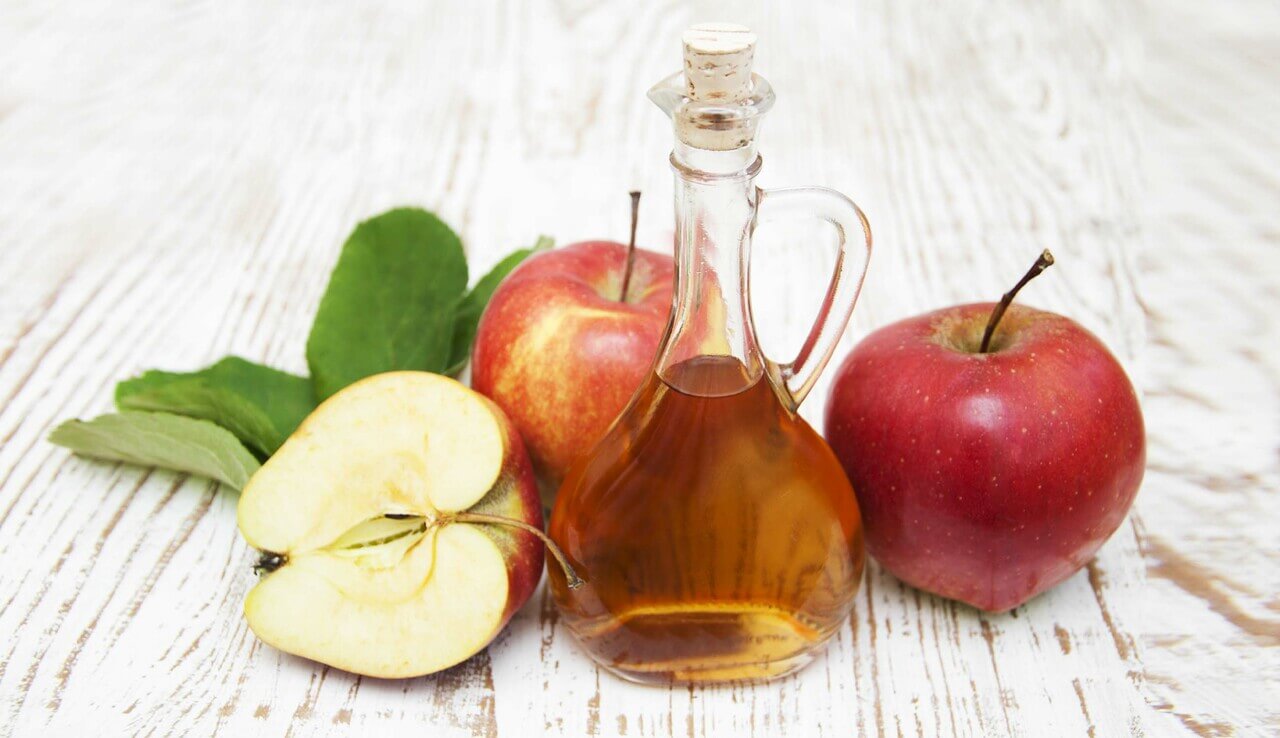
#5: Apple Cider Vinegar
This mild acid is thought to help balance the higher pH levels often found in those with eczema. However, due to its acidic nature, it may cause irritation for some individuals. It’s essential to conduct a patch test and dilute it with water before applying it to the skin.
#6: Calendula Flower Extract
Calendula is a remarkably gentle ingredient with multiple benefits; it boasts anti-inflammatory, antimicrobial, astringent, antifungal, antiviral, and immunostimulant properties. This makes calendula an exceptional choice for treating eczema and other skin concerns, especially for sensitive skin types.
#7: Witch Hazel
Extracted from the bark and leaves of the witch hazel shrub, witch hazel has been utilized for centuries due to its astringent properties. Though research on its effectiveness for eczema is limited, it is frequently applied topically to treat inflamed and oozing skin.

#8: Coconut Oil
Renowned for its versatility, coconut oil is another excellent option for alleviating eczema symptoms. With its emollient and antimicrobial properties, extra-virgin cold-pressed coconut oil can help soothe discomfort and combat bacteria on the skin. For maximum effectiveness, apply it right after bathing when your skin is still damp.
#9: Baking Soda
For those with severely dry eczema, baking soda’s antibacterial properties can provide relief, especially during a 15-minute lukewarm bath. Always conduct a patch test beforehand, as some individuals may have an allergy to baking soda.
#10: Aloe Vera Gel
Often referred to as nature’s remedy for burns and bites, aloe vera can also be beneficial for soothing eczema. Although research is still emerging, aloe vera has demonstrated antifungal, antibacterial, and anti-inflammatory properties, which can contribute to healing and recovery.
Ingredients to Steer Clear of When Managing Eczema
To effectively manage eczema symptoms and minimize flare-ups, utilizing clean and beneficial ingredients is essential. Equally important is avoiding components that may irritate your skin and trigger eczema outbreaks. If you struggle with eczema, the following ingredients should be disregarded:
-
Lanolin
-
Retinoids
-
Propylene glycol
-
Ethanol
-
Urea
-
Essential oils
-
Fragrances
Lanolin is an emollient derived from sheep’s wool. While it offers excellent moisturization, many individuals with eczema have reported allergic reactions to it. Additionally, due to its animal origin, it may not align with everyone’s ethical beliefs.
Ethanol
Ethanol is a lightweight alcohol that absorbs quickly, often leaving a cooling sensation. Due to these properties, it’s commonly found in gel-based products such as body washes and deodorants. However, for many with eczema, ethanol can cause stinging or burning sensations, leading to increased irritation. It can also dry out the skin, triggering flare-ups.
Fortunately, our Shower Gels are formulated without ethanol!
Sodium Lauryl Sulfate
If your new body wash seems to make your skin itchier, sodium lauryl sulfate could be the culprit. This ingredient, often used to create lather in products, is prevalent in body washes and bubble baths. Sulfates, in general, should be avoided, particularly by those with eczema.
Creating an Effective Eczema-Friendly Skincare Routine
Recognizing beneficial ingredients is vital, but establishing a consistent skincare routine is equally critical for effectively managing eczema. Here’s a comprehensive guide to help you develop an eczema-friendly skincare regimen featuring clean, natural products:
Gentle Cleansing: Begin with a mild, soap-free cleanser that won’t strip your skin of its natural oils. Opt for products enriched with oatmeal or calendula for their soothing qualities, ensuring your skin remains calm and hydrated.
Hydration is Essential: After cleansing, apply a rich, nourishing moisturizer while your skin is still slightly damp. This helps to lock in moisture and bolster the skin barrier, promoting overall skin health.
Targeted Treatment: For stubborn areas affected by eczema, utilize concentrated treatments containing effective ingredients like zinc or shea butter. These targeted solutions can help alleviate symptoms and provide relief where it’s most needed.
Protect and Prevent: Lastly, don’t forget about sun protection! Choose a mineral-based sunscreen that is gentle on sensitive skin, offering essential protection against UV rays while keeping your skin healthy.
Recommended 100% PURE Products for Eczema-Prone Skin
Black Tea Grass Jelly Anti-oxidant Moisturizer: This luxurious cream is enriched with antioxidants derived from black tea, designed to soothe inflammation and support the skin barrier. Its gentle formulation makes it ideal for sensitive, eczema-prone skin.
Lavender Oat Milk Soothing Cleanser: Infused with oat milk and lavender, this gentle cleanser effectively calms irritated skin while removing impurities. The soothing properties of oats make it a fantastic choice for those suffering from eczema.
Restorative Sea Culture Extra Riche Cream: This ultra-hydrating moisturizer harnesses the power of seaweed collagen to improve skin elasticity and hydration. Its nourishing formula is especially beneficial for dry, eczema-prone areas.
Retinol Restorative Neck Cream: Although retinoids are generally not recommended for eczema, this gentle formulation combines retinol with soothing ingredients like shea butter and vitamin E. It can improve skin texture without causing irritation, but always remember to patch test before use.
Commonly Asked Questions About Eczema Management
Q: Can my diet influence my eczema symptoms?
A: Yes, dietary choices can significantly impact eczema symptoms. Certain foods may trigger flare-ups in some individuals. Common culprits include dairy, eggs, nuts, and gluten. Keeping a food diary and collaborating with a healthcare professional can assist in identifying your specific triggers.
Q: How often should I moisturize if I have eczema?
A: It’s recommended to moisturize eczema-prone skin at least twice daily, particularly after bathing or showering. During flare-ups or in dry weather, you may need to apply moisturizer more frequently to maintain hydration.
Q: Is stress a trigger for eczema flare-ups?
A: Absolutely, stress is a recognized trigger for eczema flare-ups. Incorporating stress management techniques such as meditation, yoga, or regular exercise can help reduce both the frequency and intensity of eczema symptoms.
Q: Is it safe to use natural remedies alongside prescribed eczema treatments?
A: While many natural remedies can be highly beneficial, it’s essential to consult your healthcare provider before combining them with prescribed treatments. Some natural ingredients may interact with medications or lead to unexpected reactions.
Q: What steps can I take to prevent eczema flare-ups during winter?
A: Winter can pose significant challenges for those with eczema. To minimize flare-ups, consider using a humidifier indoors, avoiding hot showers, dressing warmly when outside, and enhancing your moisturizing routine. Look for products containing shea butter and coconut oil for extra protection against harsh winter conditions.
Always remember that while these tips and product recommendations can aid in managing eczema symptoms, consulting with a dermatologist for personalized advice and treatment options is the best course of action.
