


While vibrant lipsticks and mega-volume mascaras are often the stars of makeup routines, it’s the primer that truly elevates your entire look. Flirty pouts and fluttery lashes are key components of a successful cosmetic regimen, but face primer transforms the makeup experience entirely. This often-overlooked product is essential for achieving a flawless finish.
Face primers serve as the foundation for your makeup arsenal, creating a smooth, even canvas for your products to adhere to. They effectively eliminate common makeup mishaps such as fading, creasing, and separating, acting as a crucial bridge between skincare and makeup applications. By preparing your skin, primers ensure that your subsequent beauty products perform at their best.
From hydrating primers designed for dry skin to color-correcting primers tailored to tackle discolorations, face primers significantly enhance makeup application. They enable all other makeup products to function at their highest potential, ensuring a flawless and long-lasting look.
In this article, we will explore all you need to know about face primer—you will be able to confidently answer key questions such as:
What does primer do?
What is primer used for?
What effects does primer have on makeup?
By the end of this guide, you will know exactly how to avoid makeup mistakes and make your look last all day for a complete skin success!
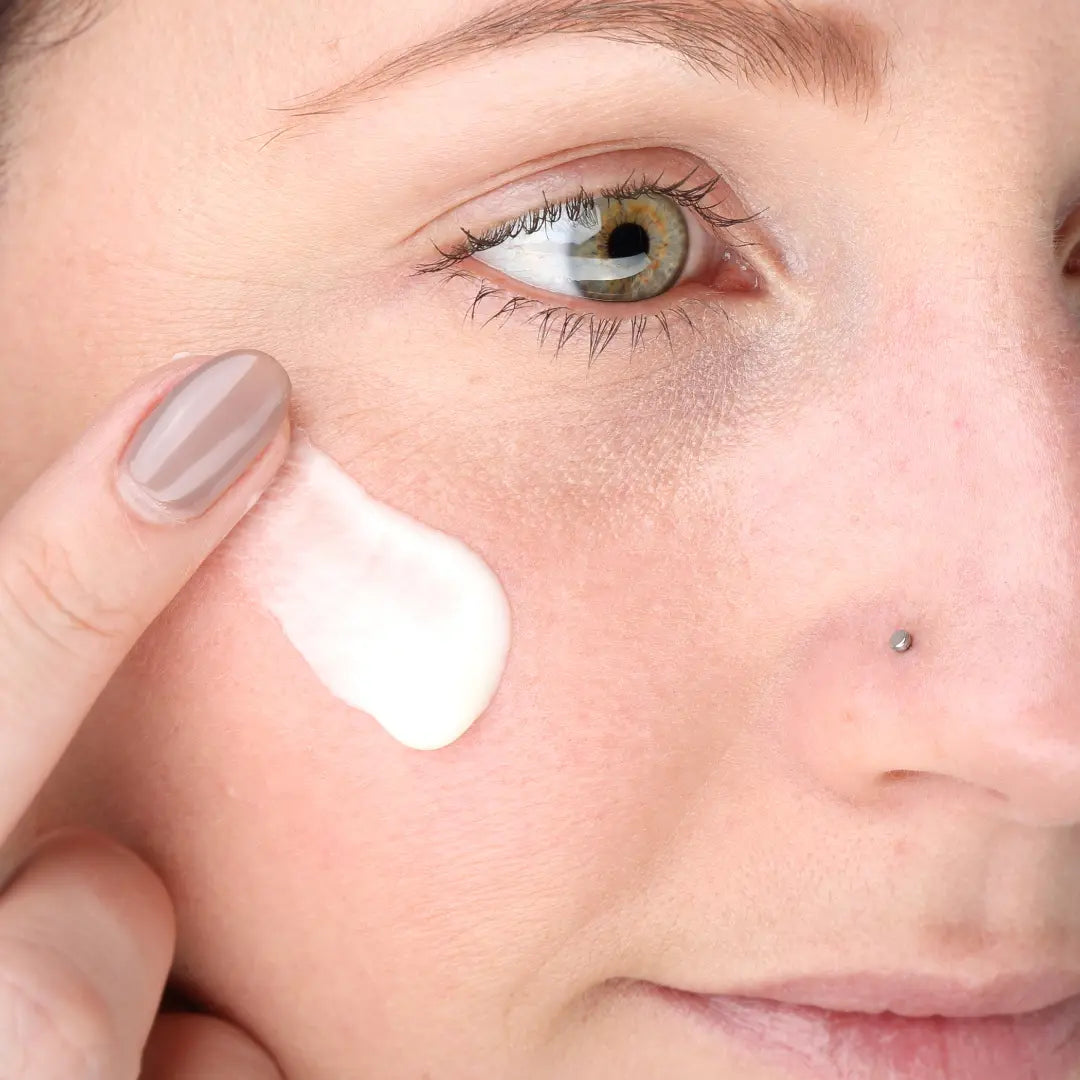
Understanding the Purpose of a Face Primer
As the name aptly suggests, a face primer prepares or ‘primes’ the skin for makeup application, much like a primer is utilized for painting on a canvas. However, there’s significantly more to face primers than meets the eye. They play an essential role in your makeup routine.
Being the cornerstone of any makeup routine, a primer establishes an enhanced surface or base for cosmetics and follow-up products to adhere to, much like paint on a canvas. Our skin serves as that canvas, and using a primer ensures that the makeup is applied smoothly.
So, what exactly does primer do for makeup? If foundation is the leading star of your makeup game, face primers are the dedicated teammates that ensure everything flows seamlessly. A primer is a lightweight product applied before foundation, creating a smooth and even surface that allows the makeup to stick and remain intact. It effectively fills in fine lines, blurs pores, and enhances the longevity of foundation, resulting in a flawless appearance.
Because a foundation primer serves multiple skin purposes, it’s not surprising that this nearly invisible layer comes in various formulations to address diverse needs. Different types of makeup primers cater to various skin requirements and concerns. Common categories include hydrating, mattifying, illuminating, color-correcting, and pore-refining primers, each offering specific benefits outlined below.
#1. Hydrating Primers:
So, what is primer used for in makeup, and how do hydrating primers enhance skin vitality?
Benefits: Ideal for individuals with dry, dehydrated, or mature skin, these primers infuse moisture into the skin, creating a plump base for makeup and preventing it from settling into fine lines or appearing cakey.
How they work: They often contain powerful ingredients, such as hyaluronic acid or humectants like glycerin, which help draw moisture into the skin.
#2. Mattifying Primers:
What does a makeup primer do, and why are mattifying primers essential for controlling oil and shine?
Benefits: Perfect for oily, combination, or acne-prone skin, these primers effectively manage oil production and create a matte finish, minimizing the visibility of pores and keeping makeup intact for extended periods.
How they work: They typically include ingredients like silica or kaolin clay that absorb excess oil.
#3. Illuminating Primers:
So, what is primer used for, and what advantages do illuminating primers offer?
Benefits: These primers provide a subtle glow and radiance to the skin, enhancing brightness and promoting a youthful appearance. They are particularly beneficial for dull or tired-looking skin, or anyone seeking a dewy, radiant finish.
How they work: Featuring light-reflecting particles or pearlescent pigments, they create a soft-focus effect. Our illuminating primers utilize ethically sourced mica for a natural sheen.
#4. Color-Correcting Primers:
Which skin types and concerns benefit most from this makeup primer?
Benefits: These primers are formulated to neutralize specific skin issues like redness, discoloration, or dark spots, providing a more uniform complexion before foundation application.
How they work: Available in various colors (e.g., green for redness, yellow for dullness), they effectively counteract unwanted skin tones.
#5. Pore-Refining Primers:
What is primer used for, and do pore-refining primers really deliver results?
Benefits: These primers minimize the appearance of pores and create a smoother canvas for makeup application.
How they work: Often containing silicone-based ingredients, they fill in pores and establish a seamless surface.
Most primers incorporate silicone-based components like dimethicone, which provides that silky-smooth texture that allows foundation to glide on effortlessly.
Understanding the Impact of Primer on Your Makeup
A face primer is one of the most transformative products for achieving long-lasting makeup. By applying this almost invisible layer to your skin before makeup, a foundation primer can effectively target specific skin concerns and elevate the performance of your other makeup products.
Let’s explore what makeup primer does and how it enhances makeup application.
#1. Improves Foundation Adhesion
Face primer significantly enhances foundation adhesion by providing a smooth, even surface that allows foundation to glide on effortlessly and remain in place for longer durations. By creating a barrier between the skin and makeup, a makeup primer helps foundation stick better and last longer, preventing issues such as creasing, fading, or melting throughout the day.
#2. Smooths Skin and Minimizes Texture
A face primer is designed to fill in fine lines, blur pores, and even out skin texture, resulting in a smoother, more uniform base for makeup application. The seamless application of foundation on a primed surface yields a more flawless, airbrushed appearance.
#3. Reduces Oiliness and Shine
A makeup primer effectively reduces oiliness and shine by forming a thin, invisible layer on the skin’s surface that helps absorb excess oil and mattify the skin, creating a smoother base for makeup. While certain primers can effectively diminish shine, selecting a mattifying formula specifically designed for oily or combination skin can be particularly beneficial for controlling oil and eliminating shine.
#4. Delivers Hydration and Nourishment
A face primer can provide vital hydration and nourishment through ingredients like hyaluronic acid, glycerin, and botanical oils, which draw moisture into the skin and create a hydrated base for makeup application. Maintaining skin hydration is crucial for optimal barrier function and overall skin health.
Research on skin barrier function emphasizes the significance of protective layers in retaining moisture and avoiding irritation. Studies, such as this research on skin barrier protection, highlight how occlusive ingredients (common in primers) and plant oils reinforce skin defense mechanisms.
By incorporating makeup primer into your beauty routine, you’re not just prolonging the longevity of your makeup; you’re also providing your skin with an extra layer of care and protection.
Choosing the Best Primers for Various Climates and Weather Conditions
Most individuals recognize the need to adjust their skincare products with changing seasons. For instance, the lightweight moisturizer you might have used during the hot summer months may not provide enough hydration during the dry, moisture-sapping winter months.
If you regularly transition your skincare products with the seasons, you may also need to modify some of your beauty items based on the climate and weather conditions in your area, as well as your specific skin type.
Humid Climates:
In humid environments, the air is already saturated with moisture, making it difficult for sweat to evaporate quickly. This can lead to sweat accumulation on the skin, causing makeup to slide off or become patchy. Sweat-resistant primers are essential as they prevent makeup from melting, smudging, or creasing due to excess moisture and humidity.
Product Feature: 100% PURE Mattifying Primer – A lightweight primer designed to manage excess oil while providing a smooth, even base for foundation.
Cold Weather:
Cold weather often brings dryness, highlighting fine lines, dry patches, and uneven skin texture. To address these issues, utilizing a hydrating and protective primer with ingredients like hyaluronic acid and glycerin is vital. A hydrating primer combats dryness caused by harsh conditions, creating a smooth, plump canvas for makeup application and preventing a cakey or patchy finish.
Hot and Dry Climates:
Hot and dry weather can lead your skin to produce excess oil, resulting in a shiny or greasy appearance. Heavy primers can feel suffocating in the heat and may cause makeup to slide off or crease, particularly around the eyes and mouth. However, lightweight primers, especially those formulated for oil control, can help absorb excess oil, maintaining a matte, fresh, and breathable feel.

Mastering Primer Application for Diverse Makeup Looks
A flawless makeup application begins with the right base, and choosing the perfect primer is crucial. Whether you aim for a natural makeup look or a glamorous style for a night out, we’ll guide you through the details of these looks and how to effectively apply our Luminous Primer for the most coveted, flawless results.
This silicone-free, antioxidant-rich primer diffuses pores and illuminates with light-reflective pigments, ensuring flawless, long-lasting makeup application. It features a carefully curated blend of jojoba oil, jojoba wax, silica, rice starch, anti-aging resveratrol, nourishing vitamin E, and deeply hydrating aloe.
#1. Everyday Natural Makeup Routine
An everyday natural makeup look focuses on enhancing your inherent features with minimal, subtle products, emphasizing a “barely there” effect using items such as a face primer, tinted moisturizer, soft eyeshadow, a hint of blush, and mascara.
#2. Glam/Full-Coverage Makeup
A glam makeup look is a bold and dramatic style that emphasizes enhancing natural features with a flawless base, dramatic eyes, and a statement lip. This style often incorporates techniques such as contouring, highlighting, and voluminous lashes.
#3. No-Makeup Makeup Look
For those seeking a “no-makeup makeup look,” we have you covered. This style focuses on using minimal products and techniques to highlight natural features rather than conceal them. The goal is to create the illusion of looking effortlessly radiant and put-together without appearing heavily made up.
Here’s how to apply our Luminous Primer for an added glow with any of these makeup styles:
#1. Begin at the end of your skincare routine. The key requirement is that your skin is clean and well-hydrated. Ensure that your sunscreen is also applied prior to your makeup primer.
#2. Squeeze out a pea-sized amount of primer and apply it using your fingertips. Dot the primer over the center of your face: the forehead, around the nose, and chin.
#3. Again, use your fingertips to distribute the product evenly across each area of your face. It’s essential not to rub or agitate the primer; instead, we simply sweep the product outward with our fingertip pads, covering the entire face.
PRO-TIP: For oily or combination skin—or to achieve a targeted glow—apply the primer only to specific areas.
#4. Next, smooth the product over your skin until evenly distributed. This primer works wonderfully on eyelids to enhance eyeshadow, or on the high points of the face to act as a light highlighter. It also amplifies the impact of any highlighters applied on top!
#5. Allow the primer to set for one to 90 seconds before applying your makeup. Use this time to apply lash primer and lip balm, or to accessorize for the day.
You can wear this face primer on its own as a dewy moisturizer paired with brows, mascara, and gloss for a fresh, glowing look. Alternatively, pair it with a BB cream for light coverage or dive straight into your favorite products for a seamless day-to-night beauty transformation.
Understanding the Differences: Primer, Moisturizer, and Setting Spray
Prime, moisturize, set—oh my! With an array of products on the market claiming to fulfill specific roles, it’s vital to differentiate between these skin and makeup essentials. A face primer preps your skin for makeup application by forming a smooth canvas, a moisturizer hydrates and retains moisture, and a setting spray locks makeup in place for a longer-lasting, flawless finish.
Let’s take a closer look at our beloved face primers and how each functions distinctly.
Mattifying Primer:
This silicone-free primer is infused with skin-plumping seaweed collagen for flawless, long-lasting makeup application. It effectively fills fine lines while minimizing shine.
Luminous Primer:
There’s never a bad time to achieve glowing, radiant skin. This primer is infused with age-defying antioxidants, acting as skincare for timeless skin while enhancing makeup with its hydrating and conditioning formula.
Hydra Drench Cream:
This lightweight moisturizer features a fast-absorbing formula that rehydrates thirsty skin cells with soothing rose water and chia seed gel, a nutritious source of beneficial omega fatty acids.
Rose Water Face Mist:
This soothing, balancing natural rose water spray delivers a burst of hydration from rose water and hyaluronic acid, resulting in a plumped, youthful glow.
Frequently Asked Questions: The Essentials of Face Primer and Its Role in Flawless Makeup
Can I use a face primer without applying foundation?
Absolutely! A face primer can be worn alone to smooth skin texture, manage shine, and provide a naturally polished appearance. Some primers, like our Luminous Primer, even offer additional skincare benefits and a radiant glow.
What’s the best primer for oily skin?
For those with oily skin, opt for a mattifying primer like our Mattifying Primer, which helps absorb excess oil and ensures makeup stays put throughout the day. It contains ingredients such as tea tree and green tea to balance sebum production.
How can I prevent my primer from pilling under makeup?
Pilling occurs when skincare or primer doesn’t fully absorb prior to makeup application. To avoid this, apply your primer after your moisturizer has settled for a minute or two. Use a thin, even layer and allow it to set before layering foundation on top.
Do I need separate primers for my eyes and lips?
Yes! Eye and lip primers are specifically formulated to enhance wear time and prevent creasing in those areas. A face primer won’t grip eyeshadow or lipstick as effectively as dedicated primers, so it’s best to use an eye primer for lids and a lip primer for smoother, longer-lasting color.
Can I mix primer with foundation?
Absolutely! Combining a primer with foundation can sheer out coverage and facilitate smoother application. If you desire a radiant glow, blend a luminous primer with your foundation, or for a more airbrushed effect, mix it with a mattifying primer.
Is Investing in a Face Primer Worth It?
The verdict is clear—yes, a face primer is an essential addition for anyone looking to enhance their makeup routine. Whether you seek a glow boost, shine control, or simply wish to extend your makeup wear, the right primer makes a significant difference. By selecting a primer tailored to your skin type and makeup objectives, you can establish a flawless base that keeps your makeup looking fresh and polished throughout the day. So, the next time you prepare for an event, don’t overlook this game-changing step!