


A rose is not just a symbol of love; it is a powerful ingredient in skin care renowned for its ability to hydrate and soothe the skin. This exquisite bloom is packed with beneficial properties that can transform your skin care routine. Beyond its romantic connotation, the rose offers a myriad of skin health benefits that make it an essential element in effective beauty regimens. Its natural oils and hydrating properties have been cherished for centuries, making it a timeless choice for anyone aiming for radiant and healthy skin.
In this article, we will explore why this beloved flower stands out as one of the most effective treatments for skin issues. We will also clarify the distinctions between rose water and rose hydrosol, along with practical tips on how to seamlessly integrate this delightful ingredient into your daily beauty routine.
Understanding the Key Differences Between Rose Water and Rose Hydrosol
Both rose water and rose hydrosol are aromatic liquids extracted from roses, and due to their similarities, they are often confused with one another. Each provides a range of benefits, including hydration, anti-inflammatory properties, and the ability to calm and soothe irritated skin. However, the primary difference lies in their concentration levels, which affects their potency and uses in skin care.
Pure rose water is created by infusing water with rose petals or rose essential oil. This results in a product that contains a small percentage of rose oil, making it a more budget-friendly option compared to pure rose oil or rose hydrosol. Renowned for its captivating aroma, many users find the scent of rose water to be incredibly uplifting and aromatherapeutic. Its use in beauty rituals dates back to Ancient Persia, showcasing its long-standing reputation in skin and hair care.
On the other hand, rose hydrosol is the fragrant water that remains after the steam distillation of roses. While it possesses similar characteristics to essential oils, it is significantly more concentrated. The high levels of antioxidants present in rose hydrosol offer numerous benefits for skin health. As a water-based ingredient, it blends beautifully into cleansers, serums, and other liquid products, enhancing their effectiveness and overall appeal.
Exploring 8 Remarkable Benefits of Rose Hydrosol for Your Skin
Given its exceptional ability to hydrate and soothe, along with its natural anti-inflammatory and antibacterial properties, it is no surprise that rose hydrosol is a highly sought-after ingredient in modern skin care products.
This enchanting floral tonic boasts an array of advantages for your skin. Here, we delve into the most impactful benefits of rose hydrosol and identify which skin types can gain the most from this delicate yet powerful ingredient.
#1: Reduces Skin Redness
If you experience redness on your skin, rose hydrosol can effectively diminish its visibility while alleviating any associated irritation. It is widely recognized as one of the best ingredients for calming and soothing sensitive skin, making it a staple for those prone to redness.
#2: Provides Intense Moisturization
Maintaining adequate moisture is crucial for achieving healthy-looking skin, and rose hydrosol excels as a natural hydrator. The inherent oils found in rose hydrosol offer lightweight moisture and refreshing hydration, ensuring your skin remains soft and supple.
#3: Alleviates Inflammation
Thanks to its potent anti-inflammatory and antibacterial properties, rose hydrosol can provide much-needed relief for individuals dealing with irritated skin conditions, including acne, eczema, and psoriasis. Its soothing qualities help to restore balance and comfort to compromised skin.
#4: Promotes Skin Balance
Rose hydrosol’s ability to clarify and balance the skin pH makes it an excellent choice for maintaining the skin’s natural equilibrium. This is particularly advantageous for those with oily skin, as it aids in controlling excess oil production while enhancing the overall texture.
#5: Minimizes the Appearance of Pores
This delightful hydrosol can effectively remove pore-clogging impurities, helping to reduce the visibility of enlarged pores. Regular use can lead to a more refined, toned, and smooth complexion that radiates health.
#6: Aids in Repairing Damaged Skin
Rich in antioxidants, rose hydrosol is beneficial for combating the effects of environmental damage. As a result, it can strengthen skin cells against sun exposure while promoting regeneration in areas affected by sun damage or other environmental stressors.
#7: Supports Aging Skin
Both rose water and rose hydrosol have been revered for their ability to help skin age gracefully. They may aid in diminishing the appearance of fine lines and wrinkles while providing a plumping effect that enhances skin firmness and elasticity.
#8: Revitalizes Dull, Dehydrated Skin
By effectively removing impurities, rose hydrosol can rejuvenate the skin, making it appear more vibrant and lively. When skin is dehydrated, it can look lackluster, which may highlight other minor imperfections. With its perfect balance of hydration and toning attributes, rose hydrosol has the power to instantly uplift and revitalize your skin’s appearance.
Enhancing Your Skin Care Routine with Rose Water and Rose Hydrosol
Incorporating rose water or rose hydrosol into your daily skincare regimen is a breeze. Below, we present a selection of top-rated products designed to benefit all skin types, particularly those that are dry or sensitive.
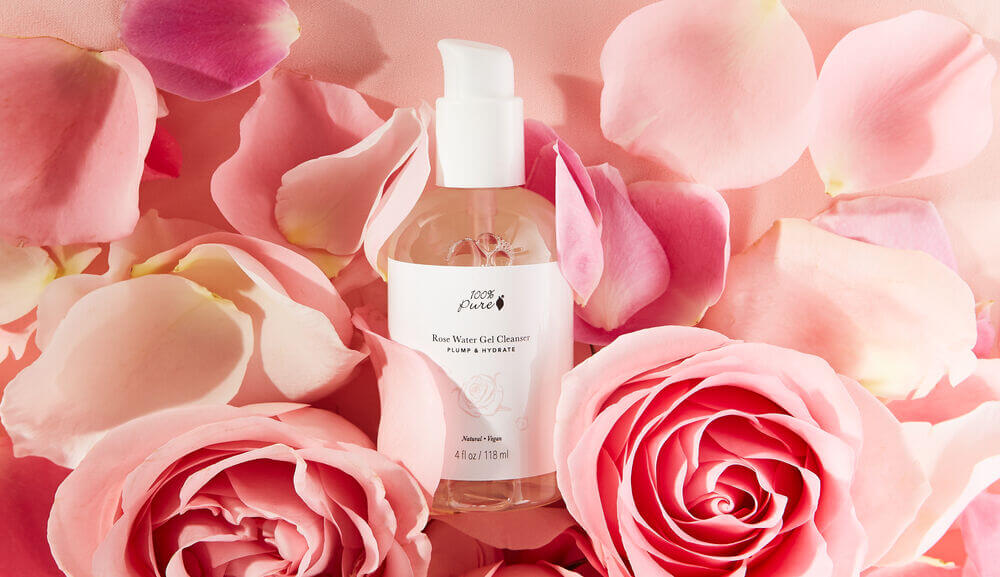
#1: Rose Water Gel Cleanser
Wash away the day’s stress with this gentle, skin-softening cleanser. Infused with the soothing essence of Damask rose and calming calendula flower, this liquid gel cleanser utilizes balancing rose hydrosol to restore and protect your skin’s moisture barrier, leaving you refreshed and revitalized.
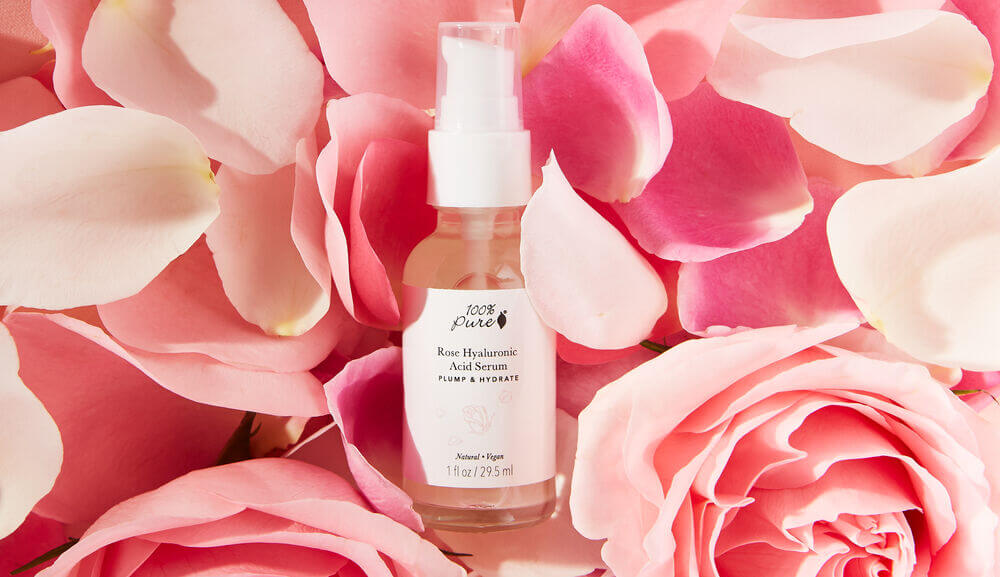
#2: Rose Hyaluronic Acid Serum
Harnessing the power of rose hydrosol, this skin-plumping serum combines the soothing, cooling effects of aloe vera with fragrant rose to reduce redness. Enhanced with toning white tea and hydrating hyaluronic acid, this formula is designed for achieving dewy, youthful-looking skin.
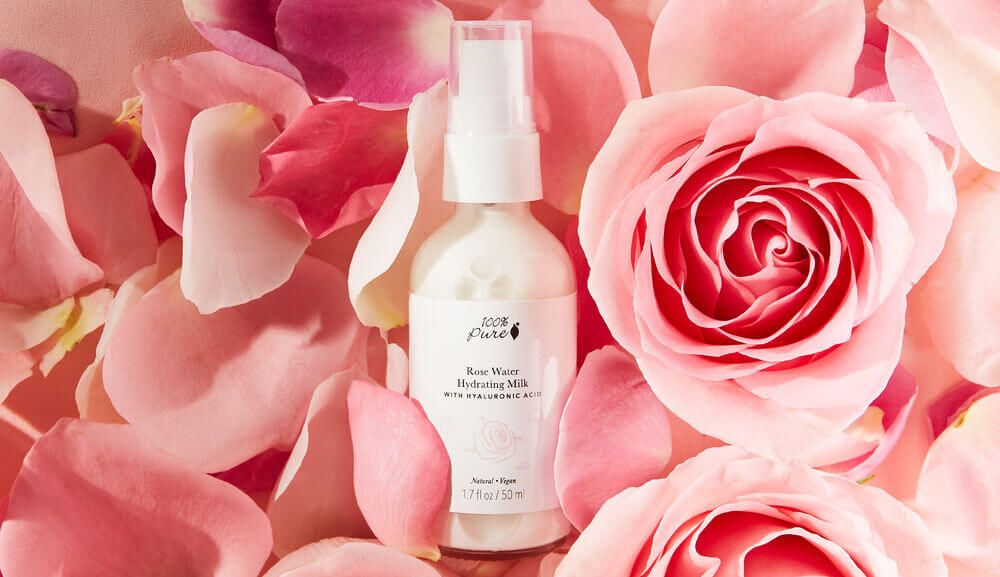
#3: Rose Water Hydrating Milk
Experience the feather-light, fast-absorbing texture of this moisturizer, which leaves dry skin feeling exceptionally soft without any greasy residue. Infused with rose hydrosol and hyaluronic acid, it ensures that your skin feels instantly hydrated with every application.
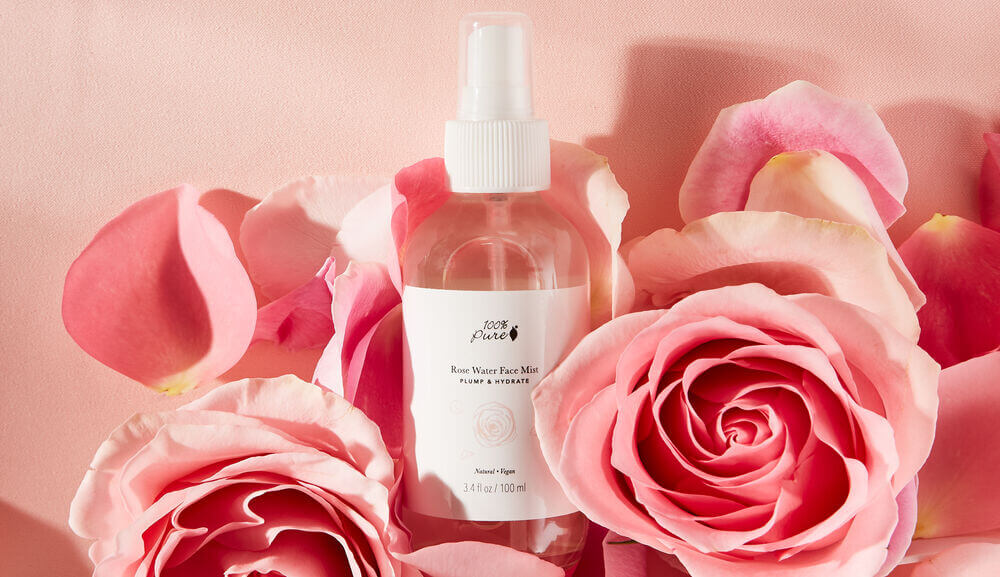
#4: Rose Water Face Mist
Elevate your experience with this enhanced rose water mist, featuring a powerful blend of hyaluronic acid, aloe vera, and white tea. This aromatic face mist not only refreshes but also provides additional support to minimize redness while conditioning the skin.
#5: Cucumber Cloud Foam Cleanser
This ultra-gentle foaming face wash replenishes thirsty skin with cucumber juice and aloe vera. Enhanced with rose hydrosol, it soothes irritated skin while calming redness, leaving your face perfectly balanced after cleansing.
#6: Calendula Flower Cleansing Milk
This floral cleansing milk works wonders for your skin. It delivers a kiss of moisture and hydration with a blend of rose hydrosol, calendula, and chamomile, gently lifting away impurities without stripping the skin’s natural moisture.
Whether you opt for rose water or rose hydrosol, you are sure to enjoy the myriad of benefits this legendary flower has to offer. By making this potent floral ingredient a part of your daily routine, you can even explore its advantages for your hair!
Expert Tips for Incorporating Rose Water and Rose Hydrosol into Your Skincare Routine
To fully harness the benefits of rose water or rose hydrosol within your skincare regimen, consider implementing the following strategies:
Utilize as a Toner: After cleansing, apply rose water or hydrosol using a cotton pad to help balance pH levels and prepare your skin for subsequent skincare steps.
Enhance Your Moisturizer: Mix a few drops of rose hydrosol into your regular moisturizer for an extra dose of hydration.
Refreshing Spritz: Keep a spray bottle filled with rose water or hydrosol nearby for quick, refreshing applications throughout the day.
Natural Makeup Setting Spray: Use rose water or hydrosol as a natural setting spray to prolong the wear of your makeup while imparting a dewy finish.
Calm Skin Irritation: Apply to sunburns, razor burn, or other irritations to provide immediate relief and comfort.
Your Questions Answered: Rose Water and Rose Hydrosol
Q: Are rose water and rose hydrosol suitable for all skin types?
A: Absolutely! Both rose water and rose hydrosol are generally well-tolerated across all skin types. They are especially beneficial for dry, sensitive, and mature skin, thanks to their hydrating and soothing qualities. Those with oily skin can also take advantage of their balancing effects.
Q: How often should I include rose water or rose hydrosol in my skincare routine?
A: These gentle products can be used daily, both morning and evening. However, it’s wise to start by using them once a day and then gradually increase usage as your skin adapts.
Q: Can rose water or rose hydrosol assist with acne?
A: While they are not primary treatments for acne, the anti-inflammatory and antibacterial properties of rose water and hydrosol can help calm acne-prone skin and reduce redness associated with breakouts. For persistent acne issues, consulting a dermatologist is advised.
Q: Is there a difference in shelf life between rose water and rose hydrosol?
A: Generally, rose hydrosol has a longer shelf life due to its higher concentration of natural preservatives. Nonetheless, both should be stored in a cool, dark location and used within 6-12 months of opening for optimal results.
Q: Can I create my own rose water at home?
A: While it’s feasible to make a simple version of rose water by steeping rose petals in water, it won’t match the concentration or purity of commercially produced rose water or hydrosol. Additionally, homemade variants lack preservatives and should be consumed within a week, ideally stored in the refrigerator. Always remember that while both rose water and rose hydrosol offer numerous advantages, they function best as part of a holistic skincare routine tailored to your individual skin needs. Consulting with a dermatologist is always advisable if you have specific concerns or skin conditions before introducing new products.
