


Every individual with curly hair understands the rollercoaster of emotions that comes with it: one day you wake up to perfect, bouncy curls, and the next, they seem to have a mind of their own. The secret to achieving consistently beautiful curls isn’t mere luck; it’s about recognizing your unique curl pattern and utilizing the right techniques to enhance your natural texture effectively. By learning how to work with your curls rather than against them, you can achieve stunning results day after day.
For many with curly hair, the journey towards embracing natural texture often involves much trial and error. You may have experimented with countless products, tried various routines, or even contemplated abandoning your curls. However, the reality is that attaining frizz-free, well-defined curls isn’t about finding a magical solution or adhering to a generic routine. Instead, it involves understanding your curls’ individual characteristics and mastering the art of nurturing them to achieve their best potential.
In this detailed guide, we will uncover the secrets to achieving those coveted, defined, smooth, and bouncy curls you’ve always desired. Whether you’re just starting your journey with curly hair or seeking to refine your existing techniques, you’ll find expert advice on enhancing your natural curl pattern while effectively managing frizz. Prepare to embrace your curls in a whole new way!
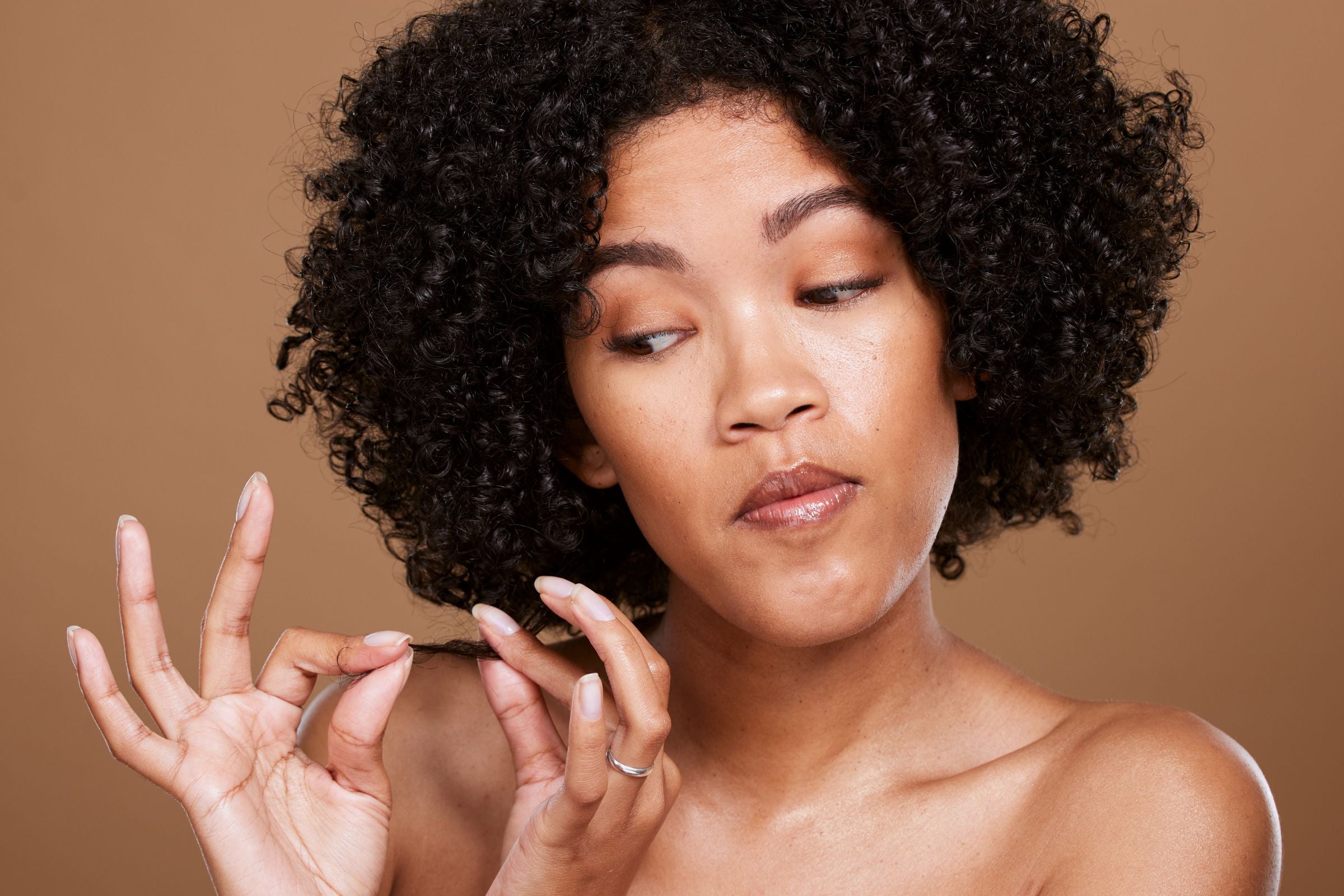
Discover Your Unique Curl Type for Optimal Care
Before we delve into specific styling techniques, it’s essential to identify your curl type. Consider your curl pattern as a distinct signature of your hair; knowing it enables you to select the most effective products and methods tailored to your specific needs.
Exploring Different Curl Types
Curl patterns exist on a diverse spectrum, each exhibiting unique characteristics and requirements:
Type 2C: The Gateway to Curls
- Creates S-shaped waves that initiate at the roots
- Often prone to frizz
- Typically requires lightweight products to prevent weighing down the curls
- Can vary from loose waves to more defined curls
Type 3A: Loose and Bouncy Curls
- Forms loose, bouncy curls roughly the size of a wine cork
- Usually exhibits natural spiral patterns
- Generally has good definition yet can be susceptible to frizz
- Generally responds well to lightweight styling products
Type 3B: Defined Spirals with Volume
- Creates tighter spiral curls akin to the size of a Sharpie marker
- Tends to have more volume than 3A curls
- Often requires additional moisture to maintain definition
- Can be prone to dryness and frizz
Type 3C: Tight Corkscrews with Density
- Forms tight corkscrews similar to the size of a pencil
- Typically has significant volume and density
- Requires a careful balance of moisture to maintain definition
- Often needs heavier products to achieve proper hold
Type 4A: Springy and Defined Coils
- Creates S-patterned coils that are highly springy
- Exhibits a clear, defined pattern when adequately moisturized
- Requires ample moisture to maintain definition
- Benefits from protective styling techniques
Type 4B: Distinct Z-Pattern Curls
- Forms a pronounced Z-shaped pattern rather than traditional coils
- Generally has a less defined curl pattern compared to 4A
- Needs substantial moisture and protective measures
- Can benefit from careful detangling and protective styles
Type 4C: Ultra Tight Z-Pattern
- Creates extremely tight Z-patterns with less visible curl definition
- Exhibits the greatest shrinkage among curl types
- Requires maximum moisture and protective styling
- Advantages from regular deep conditioning treatments
The Importance of Knowing Your Curl Type
Understanding your curl type goes beyond mere classification; it’s integral to optimizing your hair care routine. Your curl pattern significantly influences:
Moisture Requirements: Tighter curl patterns often necessitate more moisture because the natural oils from your scalp struggle to travel down the curved hair shaft. Recognizing your pattern enables you to determine how much hydration your curls truly need.
Product Selection: Different curl patterns react uniquely to varying product weights and formulations. For example, Type 2C curls might thrive on lightweight products to maintain bounce, while Type 4C curls may require richer, more emollient products for adequate moisture and definition.
Effective Styling Techniques: Your curl pattern dictates which styling methods will yield the best results. For instance, the “rake and shake” technique may work beautifully for 3A curls but could disrupt the pattern of 4B curls, which might benefit more from careful finger coiling.
Maintenance Needs: Understanding your curl type helps you determine how often to wash, deep condition, and refresh your curls. It also assists in selecting protective styles and figuring out how to preserve your curls overnight.
Keep in mind that it is entirely possible to have multiple curl patterns on your head, and your curl type may vary slightly due to factors like humidity, health, and the products you use. The key is to observe how your curls behave and adjust your care routine as needed.
Essential Hair Preparation Steps for Defined Curls
Achieving beautifully defined curls begins long before you apply any styling products. The preparation phase is vital in establishing the foundation for frizz-free, bouncy curls that endure. Let’s delve into how to create the perfect canvas for your curl styling routine.
Start with a Hydrating Shampoo and Conditioner
The cleansing process is vital for curl definition, as it lays the groundwork for the moisture level your curls require. The Honey and Virgin Coconut Restorative Shampoo and Conditioner duo is particularly effective for curly hair because these products deliver intense hydration without causing buildup that can weigh your curls down.
When washing your curls, consider these tips:
- Utilize lukewarm water to open the cuticle for thorough cleansing
- Concentrate the shampoo on your scalp, allowing the suds to cleanse the lengths naturally
- Apply conditioner from mid-shaft to ends, ensuring complete coverage of your strands
- Let the conditioner sit for 3-5 minutes to maximize moisture absorption
Gently Detangle with a Wide-Tooth Comb
The detangling process encompasses more than merely removing knots; it’s about aligning your curl pattern for the best definition. Always detangle while your hair is saturated with conditioner, which provides maximum slip and minimizes breakage.
Follow these practical steps for effective detangling:
- Start at the ends and gradually work your way up
- Hold each section firmly near the root to prevent pulling on your scalp
- Utilize slow, deliberate strokes with your wide-tooth comb
- Divide your hair into sections if necessary for thorough detangling
- Be mindful of your natural curl clumps and avoid separating them excessively
Finish with a Cool Water Rinse to Seal Your Cuticle
The temperature of your final rinse can significantly impact frizz control. Cool water aids in sealing the cuticle, locking in moisture and creating a smooth surface that reflects light better, resulting in shinier, more defined curls.
For the most effective cool rinse:
- Gradually lower the water temperature during your final rinse
- Maintain the cool temperature for at least 30 seconds
- Avoid disturbing your curl clumps during the rinse
- Direct the water flow along the hair growth direction to minimize frizz
Proven Techniques for Defining Curls While Preventing Frizz
Now that your hair is aptly prepped, let’s dive into the most effective techniques for crafting and sustaining defined, frizz-free curls.
Utilizing the “Rake and Shake” Method for Curl Separation and Definition
This technique facilitates the creation of distinct curl clumps while preserving your natural curl pattern. It is especially effective for curl types 2C through 3C.
Here’s how to execute the rake and shake method:
- Begin with very wet hair to ensure optimal product distribution
- Apply Pro-Vitamin B5 Smoothing Hair Serum to each section, using enough to thoroughly coat the strands
- Use your fingers to rake through a small section of hair from root to tip
- When you reach the ends, gently shake the section from side to side
- Observe as your curls naturally clump together into their defined pattern
- Repeat with the remaining sections, keeping consistent sizing
Applying the “Praying Hands” Method for Smoothing Frizz
This technique excels at smoothing the cuticle and promoting curl clumping while reducing frizz. It works particularly well for curl types 3A through 4C.
To perform the praying hands method:
- Section your very wet hair into manageable parts
- Apply styling product between your palms
- Press your hands together as if in prayer, with a section of hair nestled between them
- Gently glide your hands down the length of your hair, maintaining light pressure
- Pay special attention to the ends, where frizz typically starts
- Repeat the motion 2-3 times per section if necessary
Scrunching for Enhanced Volume and Shape
Scrunching is a fantastic method for amplifying your natural curl pattern while boosting volume and bounce. This technique is most effective for curl types 2C through 3C but can be adjusted for tighter curl patterns.
For optimal scrunching results:
- Flip your head upside down or tilt it to the side
- Gently cup your hands under a section of hair
- Push up toward your scalp, creating accordion-like folds
- Hold for a few seconds before releasing
- Repeat throughout your hair, focusing on the ends
- Consider using a microfiber towel or t-shirt for this step to minimize frizz
It’s important to remember that these techniques can be combined and tailored to suit your specific curl pattern and needs. The key is to maintain consistent sectioning and gentle handling throughout the styling process. Tune in to how your curls respond to each technique and make adjustments as needed.
Avoiding Common Mistakes for Flawless, Frizz-Free Curls
Even the most dedicated individuals with curly hair can occasionally fall into habits that undermine their efforts to achieve well-defined, frizz-free curls. Recognizing these common mistakes can help maintain your curl pattern and consistently yield better results.
Overusing or Underusing Products
Determining the right amount of product for your curls requires understanding both your hair’s unique characteristics and how different products interact with your curl pattern. Overapplication can weigh your curls down, leading to a stringy or greasy appearance. Conversely, using too little product can leave your hair susceptible to frizz and environmental factors that disrupt your curl pattern.
The key to optimal product application lies in starting with a small amount and observing how your hair reacts. Your hair should feel evenly coated without heaviness or stickiness. Keep in mind that different sections of your hair might require varying amounts of product—for example, your crown area may need extra protection against frizz compared to your underlayers.
Neglecting Heat Protection When Diffusing
Many with curly hair mistakenly believe that using a diffuser on low heat settings negates the need for heat protection. However, even minimal heat exposure can gradually damage your hair’s cuticle layer, leading to frizz and diminished curl definition over time. Consider heat protectant as essential as sunscreen for your hair—even on cooler days, protection is crucial.
When diffusing your curls, always apply a heat protectant first, ensuring to:
- Distribute evenly throughout your hair
- Focus on the ends, which are the most vulnerable
- Allow the product to absorb fully before applying heat
- Utilize it even with low heat settings
Brushing Dry Curls: A Recipe for Frizz
One of the quickest ways to disrupt your curl pattern and induce frizz is by brushing your hair when it’s dry. Your curl shape forms during the wet phase, and disturbing these established curls post-drying will break apart curl clumps and roughen the cuticle, resulting in frizz and potential breakage.
To avoid brushing dry curls:
- Save detangling for when your hair is wet and coated with conditioner
- Use your fingers to gently separate curls if necessary
- Refresh individual sections with water or a curl refreshing spray if reshaping is needed
- Consider protective styles at night to maintain your curl pattern
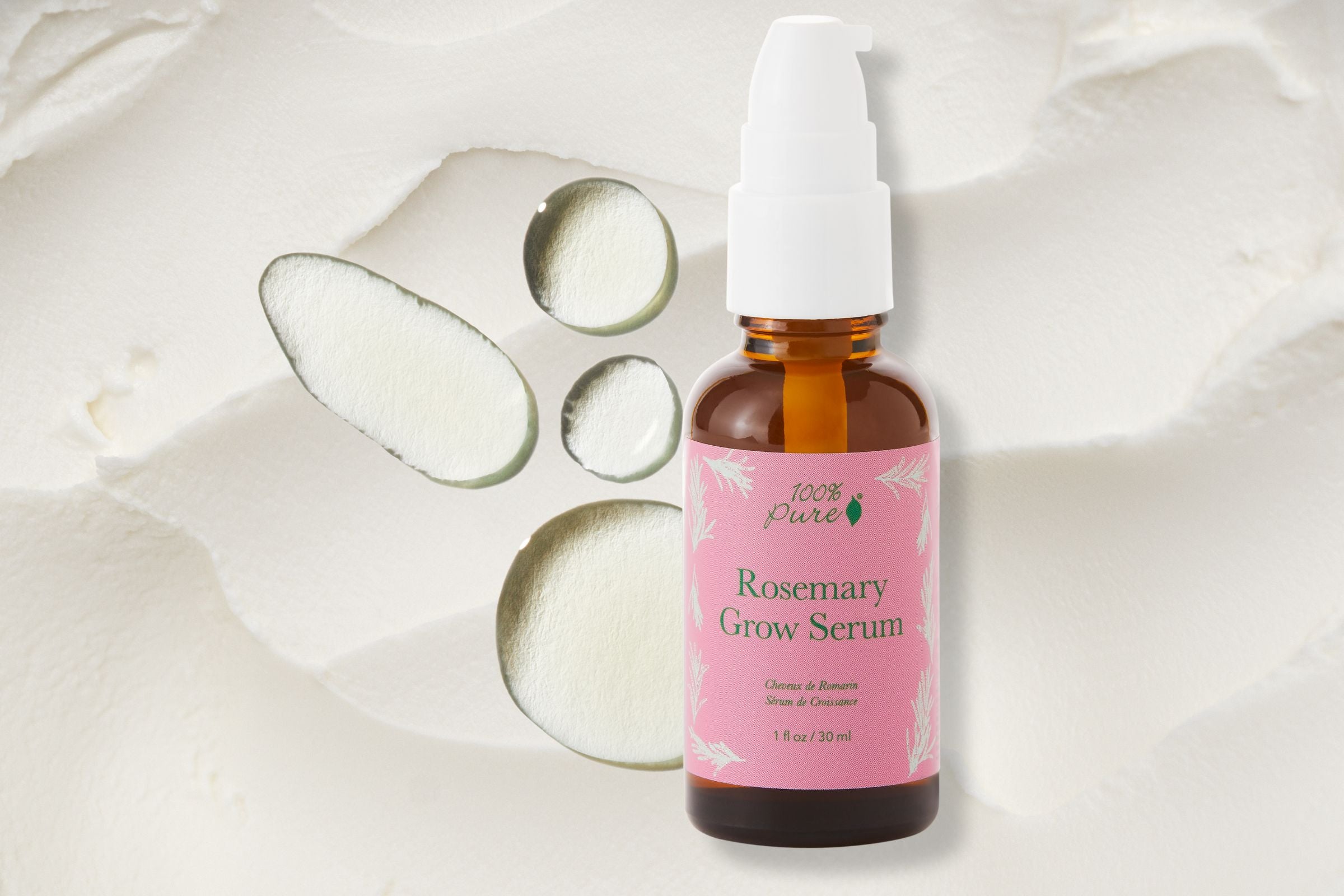
Top 100% PURE Products for Achieving Perfect Curl Definition
To achieve and maintain stunning curls, it’s crucial to use products that work synergistically with your natural texture. Let’s explore the 100% PURE products that can assist you in reaching your curl goals.
Honey and Virgin Coconut Restorative Shampoo and Conditioner
This hydrating duo serves as the cornerstone for healthy, defined curls. The shampoo gently cleanses without stripping your hair’s natural oils, and the conditioner delivers deep moisture that curly hair desperately craves. The natural honey acts as a humectant, drawing moisture into your strands, while virgin coconut oil seals the cuticle for enhanced shine and definition.
What makes this combination particularly beneficial for curls includes:
- The gentle cleansing maintains your scalp’s natural balance
- Natural ingredients provide deep hydration without buildup
- The formula helps smooth the cuticle for improved definition
- These products work in harmony to create the ideal foundation for styling
Pro-Vitamin B5 Smoothing Hair Serum
This versatile serum is an essential tool for achieving curl definition and controlling frizz. The lightweight formula incorporates Pro-Vitamin B5, which penetrates the hair shaft to deliver lasting hydration while enhancing the appearance of your curls.
Key benefits for curly hair include:
- Provides slip for easier styling and detangling
- Creates a protective barrier against humidity
- Enhances natural shine without weighing down curls
- Helps maintain curl definition throughout the day
Glossy Locks Grow More Conditioner
This lightweight yet powerful conditioner strikes the perfect balance of moisture and hold for curls. Its natural ingredients work to enhance your curl pattern while providing essential nourishment.
What makes it ideal for curls includes:
- Offers sufficient hold for curl definition without crunchiness
- Helps naturally clump curls together
- Maintains moisture balance throughout the day
- Supports healthy hair growth while defining curls
Rosemary Grow Serum
This multipurpose serum excels as a curl refresher, revitalizing and redefining curls between wash days. The natural rosemary extract stimulates the scalp while the lightweight formula assists in reshaping and enhancing your curl pattern.
How to seamlessly incorporate it into your curl routine:
- Use it as a refresher spray on second or third-day hair
- Apply to edges for smoothing and control
- Mist on hands before scrunching to reactivate your curl pattern
- Utilize it to add moisture when needed without weighing down curls
While these products deliver excellent results for curly hair, the key to success lies in how you apply them. Pay close attention to your hair’s response and adjust the amounts and application techniques accordingly. Your curl pattern, porosity, and density all play significant roles in how your hair interacts with various products.
Common Questions Answered About Curl Care
How often should I wash my curly hair to maintain definition?
The optimal washing frequency for curly hair hinges on several factors, including your scalp’s oil production, lifestyle, and curl type. Most individuals with curly hair find that washing 2-3 times weekly yields the best results, as curly hair tends to be drier than straight hair. Think of your scalp as a garden—it requires regular care to flourish, but excessive interference can disrupt its natural balance.
When determining your ideal wash schedule, consider these elements:
- Your scalp’s oil production rate
- Your activity level and perspiration rate
- The products you use and how quickly they accumulate
- Your local climate and humidity levels
Remember that “washing” doesn’t always entail using shampoo. Many individuals with curly hair benefit from co-washing (using conditioner only) between regular shampoo sessions to retain moisture without stripping natural oils.
Can I use these techniques if I have color-treated curls?
Absolutely! These techniques work wonderfully with color-treated curls, but you’ll need to make some thoughtful adjustments. Color-treated curly hair demands extra attention to moisture and protein balance, as the coloring process can render hair more porous and susceptible to dryness.
For color-treated curls, consider:
- Using products specifically formulated for color-treated hair
- Incorporating regular deep conditioning treatments
- Being particularly gentle when detangling and styling
- Minimizing heat styling to maintain color vibrancy
- Paying extra attention to protein-moisture balance
How do I determine the right amount of product to use on my curls?
Finding the appropriate amount of product hinges on understanding your hair’s unique characteristics and needs. Think of it as watering a plant—too little won’t provide enough nourishment, while too much can drown the roots.
Start with these guidelines based on your hair length and density:
- For shoulder-length hair, use approximately a quarter-sized amount
- For longer or thicker hair, gradually increase the amount
- For fine or shorter hair, begin with a dime-sized amount
Pay attention to your hair’s response. Signs that you’re using too much product include:
- Hair feels weighed down or greasy
- Curls appear stringy or separated
- Product visibly sits on the hair
- Ex

Sienna Blake is a licensed aesthetic consultant and beauty writer specializing in cosmetic surgery advancements and non-invasive treatments. With a background in dermatology and over eight years of industry experience, Sienna is passionate about helping people achieve confidence through informed beauty decisions. She holds a Bachelor's degree in Health Sciences and regularly collaborates with top plastic surgeons to stay at the forefront of aesthetic innovations. Outside of her work, Sienna enjoys traveling, skincare research, and practicing Pilates.
