


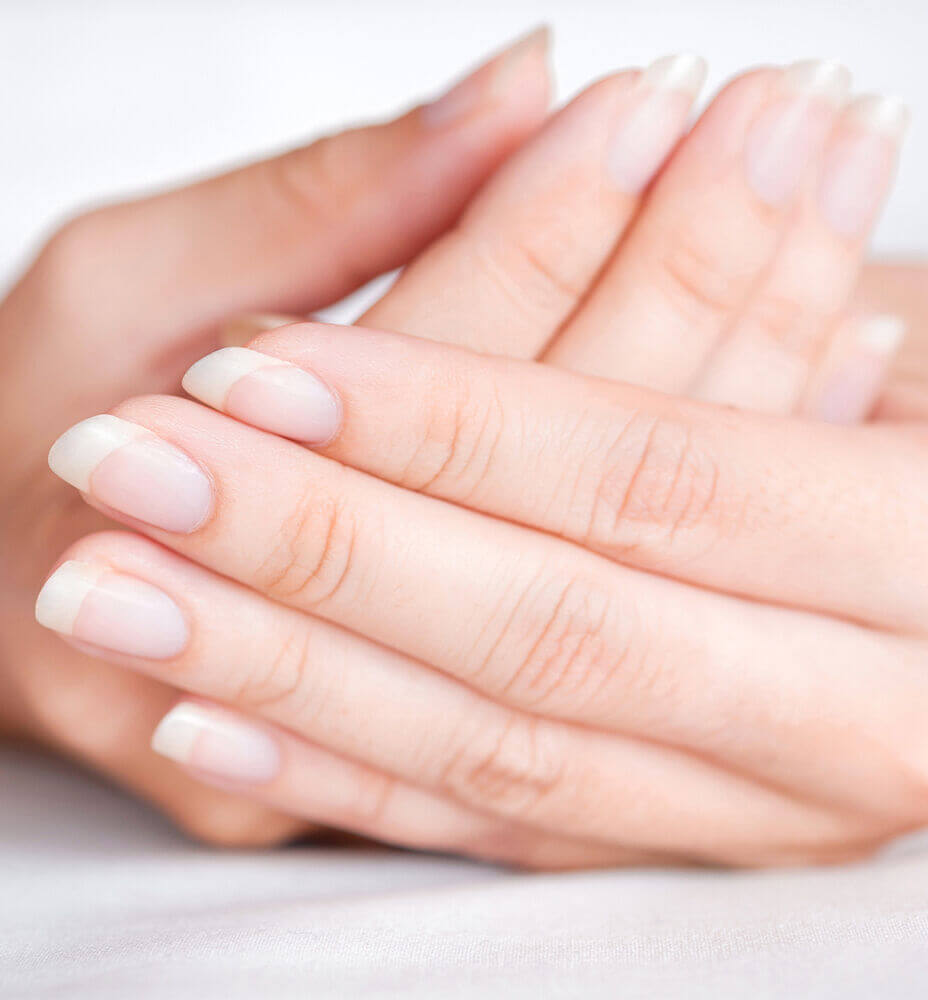
Having healthy nails is essential not just for aesthetics, but also as an indicator of your overall health. Unhealthy nails might hint at deeper issues such as vitamin deficiencies, anxiety, or even serious conditions like heart disease. Fortunately, maintaining your nails—both fingernails and toenails—can be a straightforward process that also positively impacts your well-being.
To achieve strong, beautiful nails, it’s crucial to assess your daily habits and lifestyle choices. This guide will delve into common nail problems, their underlying causes, and provide you with practical tips and recommended products to help you achieve healthy nails swiftly.
Understanding 6 Common Nail Problems
Displaying strong and healthy nails can greatly enhance your self-esteem; however, our nails may not always look as pristine as we desire. While it’s relatively simple to identify issues with our hair or skin, recognizing signs of nail distress can be more challenging. Continue reading to discover the most prevalent causes of unhealthy nails and how to address them effectively.
Combatting Nail Brittleness
Onychoschizia, a term that describes the condition of brittle nails that split or break easily, is often caused by the repeated exposure of nails to water. This cycle of wetting and drying strips nails of moisture, making them prone to breaking.
To combat this issue, start by wearing gloves whenever your hands are likely to be submerged in water, such as during dishwashing. This simple precaution can significantly reduce moisture loss, keeping your nails stronger.
Additionally, incorporating a high-quality natural hand cream into your skincare routine can restore moisture levels and create a protective barrier over any cracks or damaged skin. Our Coconut Hand Buttercream is designed to deeply nourish and soften both your skin and cuticles while leaving a delightful scent!
Strengthening Weak Nails
Nothing is more frustrating than breaking a nail unexpectedly! If your nails are soft or weak, they can easily snap or break with minimal pressure. This weakness is often exacerbated by excessive moisture or exposure to harsh chemicals found in common household cleaners and acetone-based nail polish removers.
To maintain nail strength, always wear protective gloves while cleaning to minimize chemical exposure. Opting for natural cleaning products can also make a significant difference, as they tend to be gentler on both your skin and nails.
Addressing Nail Discoloration
Whether you prefer a polished look or embrace your natural nails, discolored nails are undesirable. Color variations—such as yellow, green, blue, or even black—indicate underlying issues that require attention.
Yellowing nails are quite common and typically result from wearing nail polish for extended periods. Other colors could signify deficiencies, trauma, or infections. If you notice unusual changes in your nail color, consulting with your healthcare provider is advisable to rule out any health concerns.
Managing Hangnails Effectively
Few things are as bothersome as a hangnail, which can cause both irritation and pain. This condition occurs due to small tears in the skin surrounding a nail, often resulting from habits like nail-biting or exposure to harsh soaps.
Providing your hands and nails with some tender loving care (TLC) can alleviate this discomfort. Our non-greasy French Lavender Hand Buttercream is specifically formulated to deeply hydrate your hands while enveloping you in the soothing scent of lavender.
Caring for Receding Cuticles
The small half-moon-shaped skin at the base of your nails, known as the cuticle, plays a vital role in protecting the nail matrix from bacteria. When cuticles dry out or recede, it can indicate a lack of moisture.
To promote healthy cuticles, soak your hands and feet in warm water for about 10 minutes. After drying, apply a nourishing Nail & Cuticle Oil to prevent dryness and reduce the risk of fungus or hangnails. If you suspect that other factors are affecting your cuticles, it’s best to consult a medical professional.
Understanding Ingrown Toenails
Describing an ingrown toenail often brings to mind the sensation of pain. This condition arises when the nail edge grows into the surrounding skin, usually due to improperly fitting shoes or incorrect nail trimming techniques.
For relief, soak your foot in warm saltwater daily for approximately 10 minutes. It’s also crucial to avoid cutting your nails too short and to refrain from using sharp objects to dig into the nail edges, as this can exacerbate the issue.
Implementing 10 Effective Tips for Healthier Nails
Many undesirable nail conditions can be easily avoided with proper care for both your fingernails and toenails. The fastest path to healthier nails lies in simple lifestyle adjustments and breaking bad habits, like using your nails as a tool!
#1: Give Your Nails a Break from Polish
When was the last time you allowed your nails to rest from polish? It’s essential to remove nail polish regularly—ideally once a week or as soon as it begins to chip. For toenails, a break of 2-3 weeks is advisable. Consistent wear can lead to brittle or discolored nails over time.
Ensure that you provide your nails with at least 1-2 weeks of polish-free time in between applications to promote health and vitality.
#2: Master Proper Nail Trimming Techniques
For optimal nail growth and to prevent ingrown toenails, always trim your nails straight across. Avoid cutting them too short, rounding the edges, or trimming toenails into a V-shape.
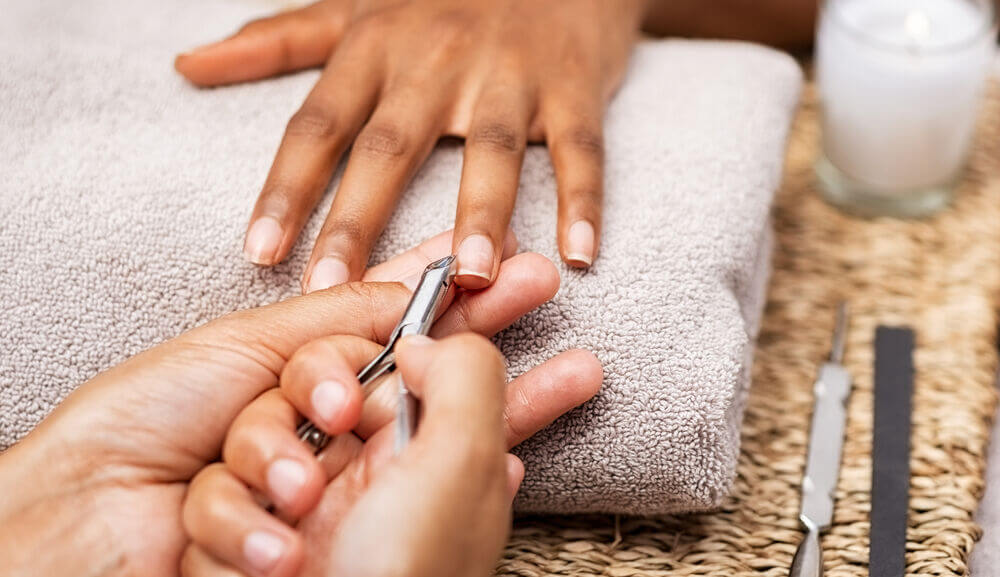
Never cut your cuticles; instead, gently push them back when necessary. When using an emery board, remember to file in one direction to prevent splitting the nail.
#3: Steer Clear of Harsh Nail Products
Products containing harsh chemicals, like acetone, can weaken your nails, leading to brittleness and discoloration. Additionally, gel polishes and adhesive products can cause long-term damage to the nail bed and cuticles, especially if removed improperly.
#4: Maintain Clean and Trimmed Nails
Keeping your hands and nails clean is essential, so use hydrating products for washing. Choose a gentle hand soap, an effective hand sanitizer gel, or a hydrating hand sanitizer spray that contains humectants.
Regular nail trimming can also prevent many common problems, such as hangnails and ingrown toenails.
#5: Properly Clean Manicure and Pedicure Tools
To inhibit bacterial growth on your tools, soak them in a jar of alcohol or hydrogen peroxide for a few minutes. After soaking, allow them to dry completely before storing in an airtight container.
#6: Regularly Change Your Socks
Sweaty feet can lead to more than just unpleasant odors; when left in damp socks for too long, they create an ideal environment for bacteria and fungal growth. Always carry an extra pair of socks to switch into, especially during physical activities!
#7: Keep Cuticles Hydrated
Healthy cuticles are essential for longer and stronger nails. Regularly moisturize and protect them with cuticle oil to prevent dryness and reduce the risk of bacterial or fungal infections.
#8: Choose Appropriate Footwear
Wearing well-fitting shoes is crucial to avoid discomfort and prevent ingrown toenails. When using public showers, be sure to wear flip-flops to minimize infection risks. If your feet will encounter water, opt for waterproof shoes, and keep a dry pair of socks and shoes handy for after your activities!
#9: Break the Nail Biting Habit
For many, breaking the habit of nail-biting can be challenging, but it’s essential to resist this temptation. Nail biting can damage the nail bed and lead to abnormal nail growth or severe damage to the keratin that supports nail growth.
#10: Avoid Using Nails as Tools
Refrain from using your nails as makeshift tools. Instead of using them to open cans or packages, utilize the pads of your fingertips or appropriate tools for such tasks. This practice will help preserve your nails and maintain your manicure!
For more comprehensive tips and insights on maintaining nail health, continue exploring our resources:
Common Questions About Nail Health
What are the indicators of healthy nails?
Healthy nails are characterized by a smooth surface, free from pits or grooves. They exhibit a uniform color and texture, without any spots or discoloration. Generally, healthy nails are both strong and flexible, reflecting a well-cared-for nail bed and cuticles.
What impact does diet have on nail health?
Your diet significantly influences nail health, as nails are primarily composed of a protein called keratin. A diet rich in protein can fortify your nails. Incorporating foods high in biotin, such as eggs, almonds, and whole grains, along with vitamins A, C, D, and E, omega-3 fatty acids, and zinc, supports nail vitality.
Can frequent nail polish usage harm my nails?
Regularly applying nail polish can lead to dry and brittle nails due to the chemicals present in polishes and removers. It’s crucial to allow your nails time to recuperate between applications, use acetone-free removers when possible, and apply a protective base coat to shield against staining and chemical exposure.
What are the best practices for nail trimming and grooming?
To maintain optimal nail health, trim your nails regularly using sharp nail scissors or clippers, following the natural curve of your fingertips. Gently push back your cuticles with a cuticle pusher after a shower or bath, and avoid cutting them. Keeping your nails clean and dry is essential for preventing bacterial growth.
How can I prevent my nails from breaking or splitting?
To protect your nails from breakage, keep them well-moisturized with a quality nail cream or cuticle oil. Avoid using your nails as tools for opening or prying items. When engaging in household chores, especially those involving water or chemicals, always wear gloves to protect your nails from potential damage.
