


Have you ever examined the ingredient list on your favorite beauty products, such as the Multi-Vitamin + Antioxidants Potent PM Serum or Maracuja Mascara, and found yourself puzzled by the names? Understanding these terms and their implications can seem daunting. However, when it comes to personal care products like makeup, skin care, and hair care, the ingredient lists represent a unique lexicon. The good news is that deciphering this language is entirely achievable – and we’re here to guide you through the process!
Your choice to delve into this topic highlights a growing trend among beauty enthusiasts who are more informed than ever in selecting products that suit their needs. Today’s consumers not only care about the effectiveness of skin care and makeup but are increasingly focused on the specific ingredients they apply daily. This shift reflects a desire for transparency and knowledge in the beauty industry, allowing individuals to make choices that align with their values and skin health.
To effectively navigate ingredient lists and understand what’s in your beauty products, you must start with the International Nomenclature Cosmetic Ingredient (INCI) system, which serves as the foundation for ingredient transparency.
Understanding the INCI System for Ingredient Transparency
The acronym INCI stands for “International Nomenclature Cosmetic Ingredient.” This standardized system is essential for categorizing and naming cosmetic ingredients in the United States. Ingredients are displayed using their INCI names, which can include scientific names, Latin terms, or English descriptors. By familiarizing yourself with INCI, you’ll be able to decode the ingredient lists on your favorite products with ease.
Regulated by the Personal Care Products Council (PCPC), the INCI system provides clarity and consistency in the beauty industry, ensuring that consumers can easily understand what they are applying to their skin and hair. This standardization is vital for fostering trust between consumers and brands, as it holds manufacturers accountable for ingredient labeling.
In summary, understanding INCI allows consumers to identify ingredients accurately, enhancing their ability to make informed choices about the products they choose to use.
The Importance of INCI for Beauty Professionals and Consumers
The INCI system is crucial for both cosmetic professionals and consumers. For dermatologists and scientists, it allows for the accurate identification of ingredients, enabling them to document their effects in a way that is comprehensible to the broader community. By using standardized names, professionals can communicate findings about ingredient benefits or risks more effectively.
Moreover, consumers benefit greatly from understanding INCI. Rather than solely relying on marketing claims made by brands, you can scrutinize the ingredient list to determine if a product aligns with your personal skin care goals. As you become more knowledgeable about recurring ingredients and their functions, your confidence in choosing products will grow.
However, it’s essential to recognize that just because an ingredient is listed under the INCI system, it does not inherently reflect its quality or reputation. The INCI serves to create a clear and uniform language, helping consumers and experts alike identify what to look for or avoid in their formulas.
Decoding Common and INCI Ingredient Names
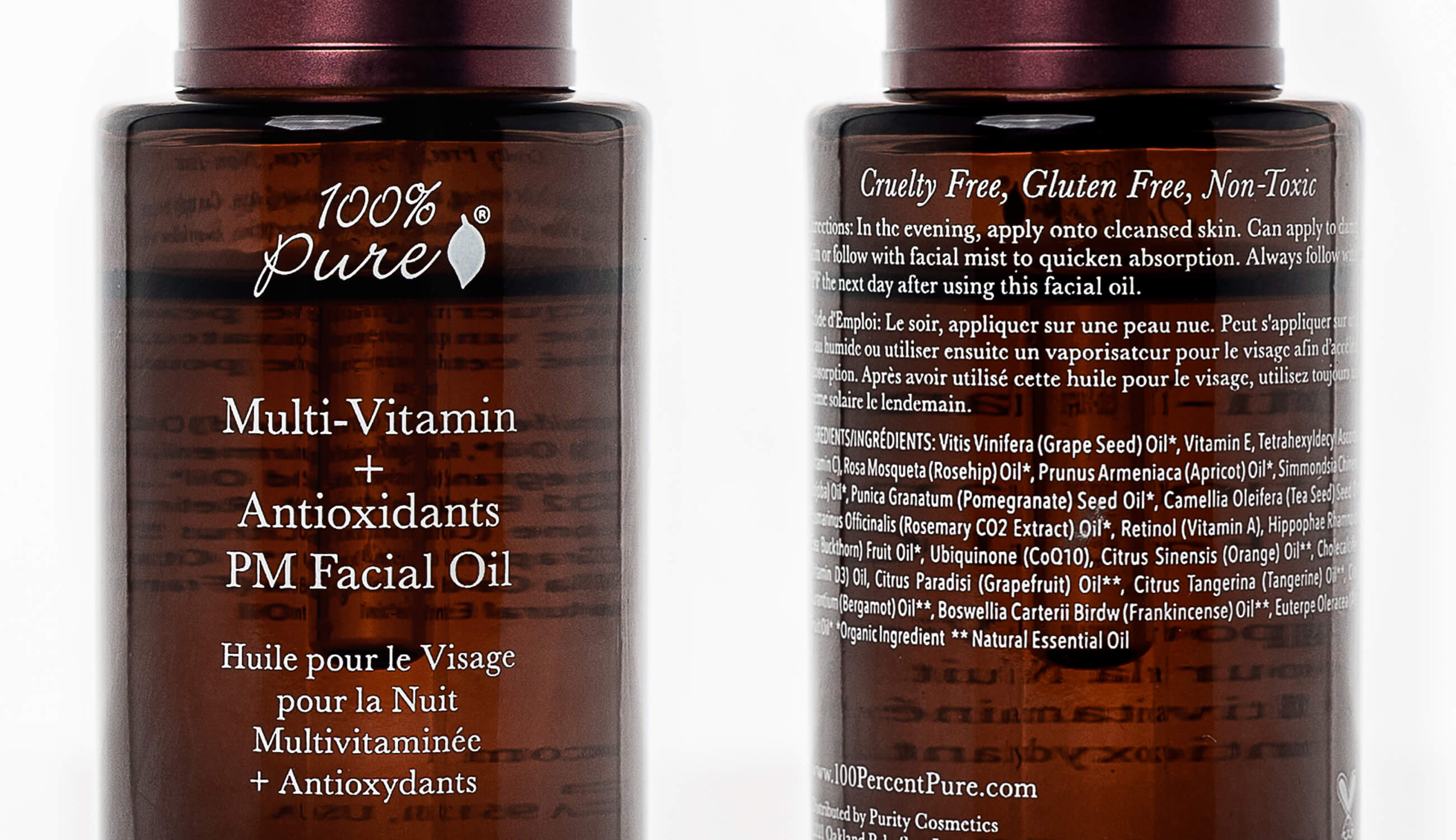
When reading ingredient lists, it’s crucial to understand that each ingredient may have two names. For example, vitamin A and retinol refer to the same compound, but “vitamin A” is the common name while “retinol” is the INCI name. This distinction can help you better grasp the function of ingredients in your products.
Here are some common examples of ingredient names and their corresponding INCI names:
|
Common Name |
INCI Name |
|
Vitamin E |
Tocopherol |
|
Cocoa Bean |
Theobroma Cacao |
|
Vitamin C |
Ascorbic Acid |
|
Green Tea Extract |
Camellia Sinensis Leaf Extract |
|
Sweet Almond Oil |
Prunus Amygdalus Dulcis |
|
Grape Seed |
Vitis Vinifera |

Distinguishing Between Active and Inactive Ingredients in Personal Care Products
Certain personal care products, particularly those like acne treatments and sunscreens, fall under the category of over-the-counter drugs. Consequently, these products’ ingredient lists are divided into “active” and “inactive” components. This classification can initially seem perplexing; you might wonder if all ingredients should be considered active. While technically most ingredients serve a purpose, some play significantly larger roles than others.
For instance, titanium dioxide is classified as an active ingredient in sunscreens, such as our Yerba Mate Mist SPF 30, as it serves a crucial role in protecting your skin from harmful UV rays, which is the primary function of the product. Similarly, salicylic acid is identified as an active ingredient in acne treatments due to its effectiveness in combating breakouts.
On the other hand, inactive ingredients serve supportive roles, such as moisturizing the skin or minimizing the appearance of pores, contributing to the overall efficacy of the product.
Navigating the Ingredient Hierarchy for Effective Choices
In the U.S., the ingredient list for cosmetic products is regulated by the FDA, which mandates a specific order: all ingredients constituting more than 1% of the product are listed first, arranged from highest to lowest concentration. This means that the most predominant ingredient should always appear at the top of the list.
Ingredients that account for less than 1% can be listed in any order, with any dyes or colorants typically appearing at the end. This hierarchy can provide valuable insights into product quality; for example, if a product claims to contain beneficial ingredients like tea tree oil or willow bark, you should verify that these ingredients are listed near the top of the ingredient list.
Conversely, if a product advertises a specific beneficial ingredient but lists it last, it’s a sign that its concentration is minimal, especially if water or a cheaper filler is among the first ingredients. Water is frequently found as one of the top ingredients, indicating that the product may be of lower quality, with diluted active ingredients.
Using Ingredient Lists to Verify Marketing Claims
Cosmetic brands often entice consumers with appealing phrases like “natural,” “hypoallergenic,” or “fragrance-free.” However, a closer examination of the ingredient list may reveal a different story. For beauty products, the only aspect regulated by the FDA is the ingredients themselves and their arrangement in the list. Companies may easily make bold claims, even if they lack factual support. In contrast, medical or drug claims are subject to stricter regulations.
While the ingredient list may initially appear intimidating, comprehending their meanings is a matter of conducting research. This includes familiarizing yourself with certain ingredients, understanding their prevalence, and discerning what their presence indicates for your skin or hair.
Instead of blindly trusting marketing claims, take the time to read the ingredient list and draw your own conclusions based on factual information!
Common Questions About Reading Ingredient Lists
What does it signify if an ingredient appears early in the ingredient list?
In both the cosmetics and food industries, ingredients are listed in descending order based on their predominance by weight. Therefore, if an ingredient is near the top of the list, it indicates that it is one of the primary components of the product. This practice allows consumers to gauge the concentration of particular ingredients, which can be crucial for efficacy and individual allergies or preferences.
How can I tell if a product is genuinely “fragrance-free” or “hypoallergenic” by examining the ingredient list?
To ascertain whether a product is truly “fragrance-free,” search for terms like “fragrance,” “parfum,” or specific chemical names associated with fragrances in the ingredient list. A product genuinely labeled as fragrance-free should not include any of these terms. However, the absence of the word “fragrance” does not guarantee that the product is devoid of scent-producing ingredients, as natural oils and extracts may also impart fragrance.
The term “hypoallergenic” suggests that a product is less likely to trigger allergic reactions, but it does not provide an absolute guarantee. Since there are no standardized regulations for hypoallergenic products, it’s essential to scrutinize the ingredient list for known allergens or irritants. Typically, hypoallergenic products avoid common allergens like fragrances, parabens, and certain preservatives, though individual sensitivities can vary significantly.
Are ingredients with Latin or scientific names inherently better or safer than those with common English names?
Not necessarily; ingredients with Latin or scientific names are not automatically superior or safer compared to those with common English names. The use of Latin or scientific names in skincare and cosmetic products adheres to the standards set by the International Nomenclature of Cosmetic Ingredients (INCI). This system is designed to promote consistency and accuracy in ingredient identification worldwide. While these names often refer to plants or chemicals in their scientifically accepted forms, the safety and effectiveness of an ingredient depend on its specific characteristics and concentration within the product, rather than the terminology used.
If a product claims to contain beneficial ingredients like vitamin C or green tea, how can I verify the actual concentration of those ingredients?
Determining the precise amount of beneficial ingredients like vitamin C or green tea in a product can be challenging, as manufacturers are not required to disclose the exact concentrations on labels. However, the ingredient list can provide useful hints:
- Ingredients listed closer to the beginning of the list are typically present in higher concentrations within the formula.
- Some products may indicate the percentage of a key ingredient on the packaging if it is a significant selling point (e.g., “contains 10% vitamin C”).
- For exact information, consider reaching out to the manufacturer or consulting third-party testing reports if available.
Why do some ingredients appear under their common names while others use INCI names?
Ingredients are typically listed using INCI names to provide a uniform, globally recognized system for identification. This method employs scientific terminology for chemicals, botanical names for plants, and other specific descriptions to accurately convey the contents of the product. However, common names may occasionally be used alongside or in place of INCI names for clarity or marketing purposes, particularly when referring to familiar ingredients that consumers might easily recognize (such as “water” instead of “aqua”). While using common names can make ingredient lists more approachable for the general public, it may also create confusion regarding the precise nature of the ingredients.
var windowWidth,lazyLink,lazyImages,lazySource,lazyBackground,lazyIframe,lazyScripts,navigator_platform,lazyLoadedJS,src,style,datasrc,urls,analytics,s,x,i,j,flag;
function init(){flag&&(flag=0,load_all_js(),lazyLoadImg(),lazyLoadBackground(),lazyLoadIframe(),lazyLoadSource())}
function isElementInViewport
var a=t.getBoundingClientRect();
return a.top>=0&&a.left>=0&&a.bottom<=(window.innerHeight||document.documentElement.clientHeight)&&a.right<=(window.innerWidth||document.documentElement.clientWidth)
}
function insertAfter(newNode, referenceNode) {
referenceNode.parentNode.insertBefore(newNode, referenceNode.nextSibling);
}
function isElementInView
var a=t.getBoundingClientRect();
return a.top(window.innerHeight/2||document.documentElement.clientHeight/2)
}
function lazyLoadLink(){
lazyLink.forEach(function
t.href=null==t.dataset.href?t.href:t.dataset.href
})
}
function lazyLoadImg(){
lazyImages.forEach(function
null!=(src=windowWidth<600?null==t.dataset.mobsrc?t.dataset.src:t.dataset.mobsrc:t.dataset.src)&&(t.src=src),t.classList.remove("lazy2")
})
}
function lazyLoadImg2(){
lazyImages.forEach(function
isElementInViewport
})
}
function lazyLoadSource(){
lazySource.forEach(function
t.srcset=null==t.dataset.srcset?t.srcset:t.dataset.srcset
})
}
function lazyLoadBackground(){
lazyBackground.forEach(function
lazybg=windowWidth<768?null==t.dataset.mobstyle?t.dataset.style:t.dataset.mobstyle:t.dataset.style,null!=lazybg&&(t.style=lazybg),t.classList.remove("lazybg")
})
}
function lazyLoadIframe(){
lazyIframe.forEach(function
t.src=null==t.dataset.src?t.src:t.dataset.src
})
}
function lazyLoadScripts(){
j!=lazyScripts.length&&("lazyload2"==lazyScripts[j].getAttribute("type")?(lazyScripts[j].setAttribute("type","lazyloaded"),void 0!==lazyScripts[j].dataset.src?((s=document.createElement("script")).src=lazyScripts[j].dataset.src,document.body.appendChild(s),s.onload=function(){j++,lazyLoadScripts()}):((s=document.createElement("script")).innerHTML=lazyScripts[j].innerHTML,document.body.appendChild(s),j++,lazyLoadScripts())):(j++,lazyLoadScripts()))
}
function lazyLoadCss
(s=document.createElement("link")).rel="stylesheet",s.href=t,document.getElementsByTagName("head")[0].appendChild(s)
}
function lazyLoadJS
if(lazyLoadedJS)return setTimeout(function(){lazyLoadJS
}
function wnwAnalytics() {
var script2 = document.querySelectorAll(".analytics");
script2.forEach(function(analyticsScript) {
trekkie.integrations=false;
s = document.createElement("script");
s.innerHTML = analyticsScript.innerHTML;
insertAfter(s, analyticsScript);
analyticsScript.parentNode.removeChild(analyticsScript);
});
}
document.addEventListener("DOMContentLoaded",function(){windowWidth=screen.width,lazyLink=document.querySelectorAll("link"),lazyImages=document.querySelectorAll("img.lazy2"),nolazyImages=document.querySelectorAll("img.lazy"),lazyBackground=document.querySelectorAll(".lazybg"),lazyIframe=document.querySelectorAll("iframe"),lazySource=document.querySelectorAll("source"),lazyScripts=document.getElementsByTagName("script"),navigator_platform=navigator.platform,i=0,j=0,flag=1,window.addEventListener("scroll",function(){init()}),window.addEventListener("mousemove",function(){init()}),window.addEventListener("touchstart",function(){init()}),"Linux x86_64"!=navigator_platform&&init(),setTimeout(function(){init()},60000)});
function load_all_js() {
lazyLink=document.querySelectorAll("link");
lazyLoadLink();
}