

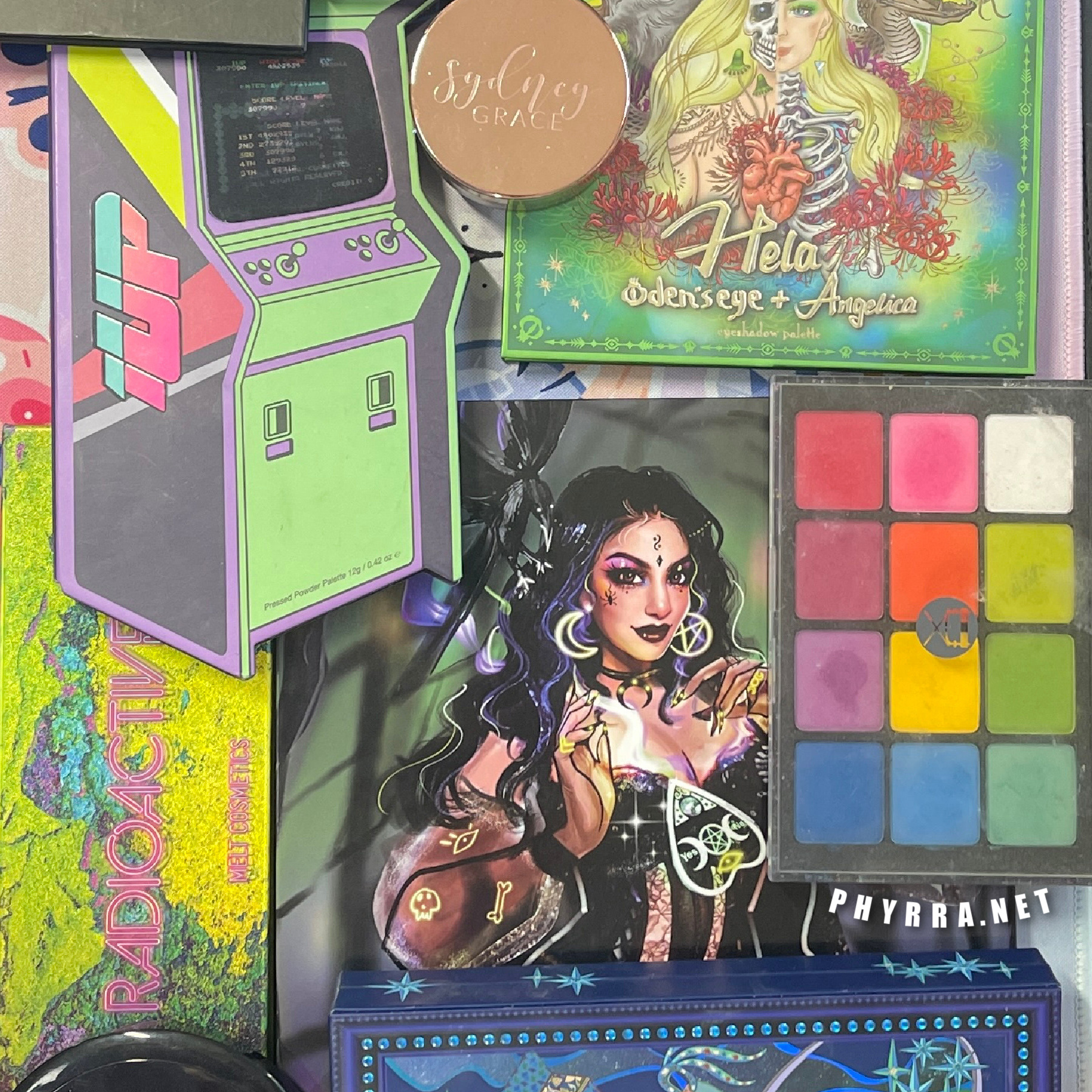
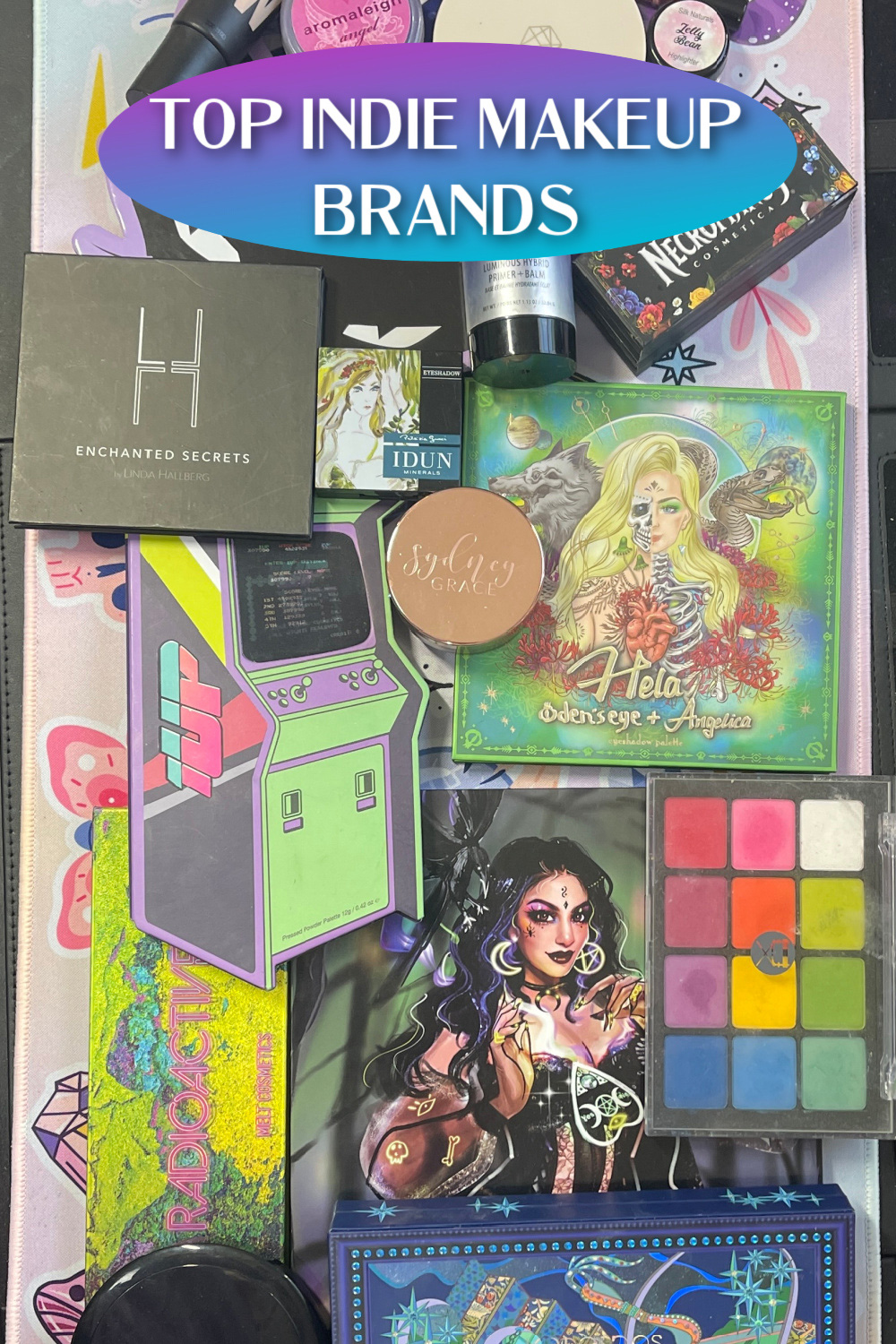
Hello, beautiful creatures! Today, I am excited to share with you my curated list of the Top Indie Makeup Brands. My journey with indie makeup began back in 2008, which inspired me to start this blog where I showcase various indie makeup swatches. Makeup is not just a hobby for me, but a passion, and I love exploring new products and sharing my findings with all of you.
Recently, I had the incredible opportunity to be interviewed by Gayle Guyardo on Bloom TV, where we discussed the vibrant world of indie makeup. I am always thrilled to engage in conversations about indie brands and share their unique offerings with the world!
Understanding the Essence of Indie Makeup
To grasp what indie makeup truly means, we need to delve into the term “indie.” Short for independent, the word signifies a brand that operates without external control. According to Merriam-Webster, independent refers to entities not governed by larger corporations, much like a local independent bookstore that thrives on its own.
Thus, an indie brand is one that is independently owned and not tied to a corporate parent company. This autonomy allows an indie makeup brand to dictate its product creation, manufacturing processes, and overall brand identity without compromise or dilution from external influences.
Comparing Notable Brands: Indie vs. Corporate
For instance, Urban Decay, which falls under the ownership of L’Oreal, cannot be classified as an indie brand due to its connection to a major corporation. Many enthusiasts express frustration when companies like L’Oreal or Estee Lauder acquire indie brands, fearing that such acquisitions strip away the uniqueness and charm that initially attracted them to those brands.
Conversely, a brand such as Danessa Myricks Beauty, owned by the talented makeup artist Danessa Myricks, qualifies as an indie brand. With full ownership of her company and a collaborative relationship with a lab for product manufacturing, Danessa exemplifies the essence of an independent brand while providing exceptional professional makeup artistry products and a positive work culture.
Defining Handmade and Indie: Debunking Myths
There’s often a debate about whether an indie brand must exclusively offer handmade products or whether they can be sold in mainstream retailers like Ulta or Sephora. In my view, the core definition of an indie brand remains rooted in its independence from external control, rather than adhering to strict parameters set by self-proclaimed purity advocates.
Brands like Fyrinnae, which produce all their products in-house, showcase the handmade aspect. Yet, others, like Sugarpill, may choose to partner with manufacturers for specific formulas and packaging while still maintaining their indie status and creativity.
My Passion for Indie Makeup Brands
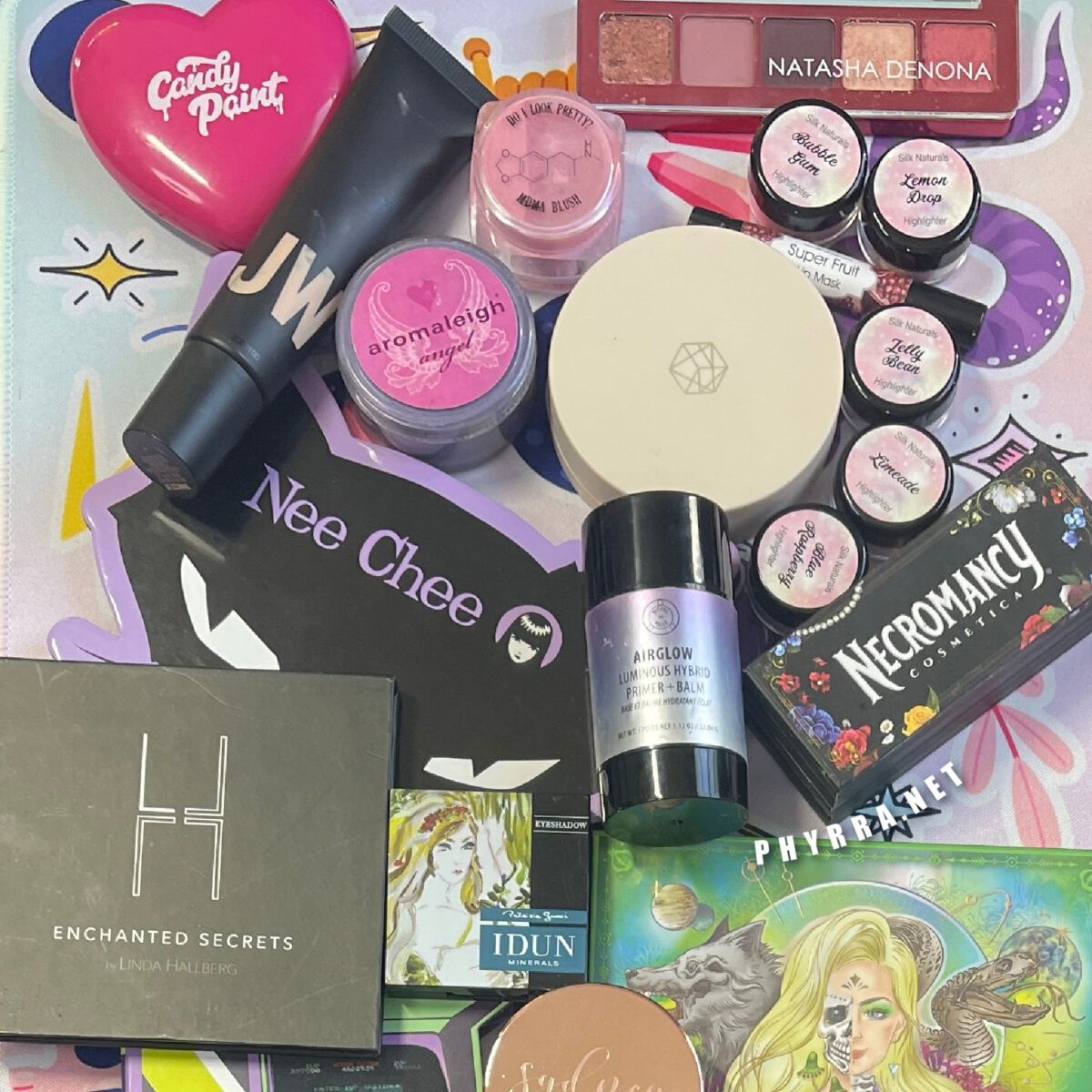
My affection for indie beauty brands stems from their ability to provide affordable, high-quality products that often stand out in creativity and formulation. Additionally, my love for indie fashion brands is rooted in their ability to create bespoke items tailored to individual preferences. For instance, my stunning gothic couture wedding dress was custom-made for me, exemplifying the unique artistry that draws me to indie products.
Understanding Private Label Brands in the Indie Space
It’s essential to recognize that many brands claiming to be indie may actually sell private-label products that lack customization. This means that while they might be independent from larger corporations, the products themselves could be widely available under different names at varying price points.
As an example, I have a particular fondness for teal makeup. A few years back, I purchased what was advertised as four unique teal gel eyeliners from different indie brands, only to discover they were all the same product sourced from a private label company, differing significantly in price.
Promoting Transparency: The Key to Indie Brand Integrity
It’s crucial for brands that utilize non-unique private label formulas from manufacturers like Ladyburd, Aliexpress, or Alibaba to be transparent about their sourcing. Many consumers choose indie products to support independent artists and may feel misled when presented with private-label items that lack originality and creativity.
I firmly believe that companies that simply select eyeshadows and packaging from a catalog, without any involvement in the formulation process, should not be classified alongside true indie makeup brands. I liken them to MLMs or other trends that dilute the essence of what indie beauty represents. This perspective comes from my personal experiences of being misled by brands that misrepresent their indie status, making me more determined to support authentic indie artists.
Ultimately, I seek authenticity and transparency from brands. If a company is not genuinely indie, they should not market themselves as such.
Best Places to Purchase Indie Makeup
If you’re wondering where to buy indie makeup, the most reliable approach is to purchase directly from the brand’s website or platforms like Etsy and Storenvy. As brands grow, some may gain enough popularity to be stocked in larger retailers such as Ulta, Sephora, Camera Ready Cosmetics, Hot Topic, Credo Beauty, Amazon, and others.
For added security when purchasing indie products, I highly recommend using PayPal, which offers a Buyer’s Protection program. This feature safeguards you in case of issues with the transaction, ensuring you can seek refunds through PayPal or your credit card company if your order does not arrive as expected. Should any issues arise, reach out to PayPal or your credit card provider for assistance.
Navigating Clean, Cruelty-Free, and Vegan Labels
Terms like ‘clean beauty,’ ‘cruelty-free beauty,’ and ‘vegan beauty’ are not regulated by the FDA, which means they often serve marketing purposes rather than reflecting rigorous standards. Clean beauty can frequently be a buzzword, while cruelty-free generally signifies that no animal testing has occurred, and vegan means the product contains no animal-derived ingredients.
Watch my video on What’s the Difference Between Cruelty-free and Vegan?.
My Perspective on Clean Beauty Trends
Personally, I tend to steer clear of clean beauty products. My experience with a concealer that went rancid within a month left me wary of many clean brands. I appreciate preservatives in my makeup that help maintain product integrity over time. My theory is that the rise of clean beauty brands is a response to late-stage capitalism, where companies feel pressured to drive constant growth to satisfy shareholders.
Evaluating the Quality of Indie Makeup Products
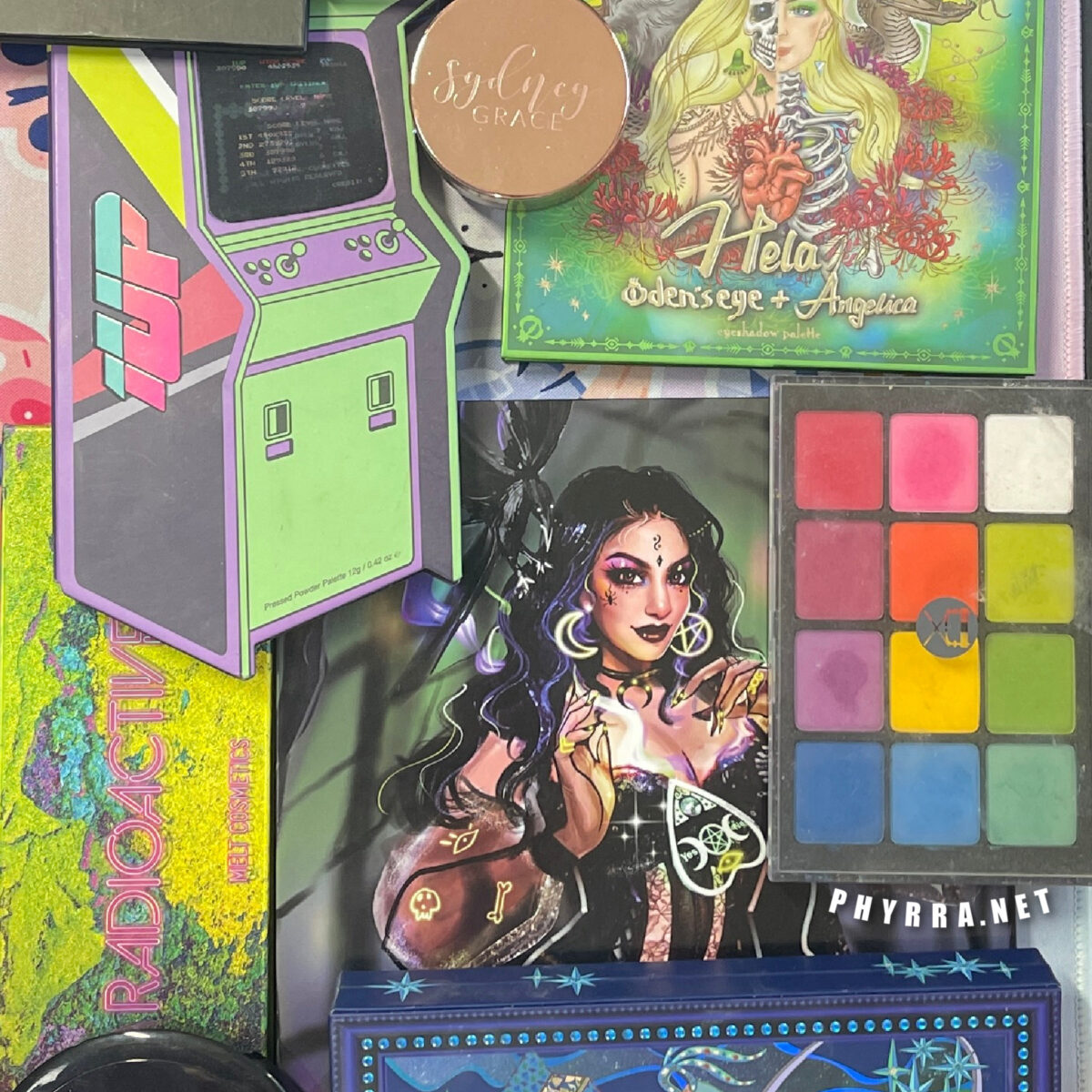
If you’re unsure where to begin with indie brands and how to assess product quality, I suggest using resources like Google, Reddit, and YouTube to find reviews and swatches. These platforms are excellent for gathering insights into the reputation of indie brands, understanding product quality, and evaluating customer service experiences. Additionally, you can explore my blog, where I’m in the process of updating over 600 older posts to improve their formatting and imagery.
When examining indie makeup products, pay close attention to the ingredients list. If you see terms like ‘shimmer,’ ‘pigment,’ or ‘frost,’ it’s best to steer clear, as these are not FDA-approved ingredients. For your convenience, you can check the current list of FDA-approved color additives for cosmetics here.
As a note, my discussion about ingredients is primarily focused on regulations in the USA.
Examples of Ingredients in Indie Makeup
Quality Eyeshadow Ingredients
Here are a few examples of quality eyeshadow ingredients:
- Silica, CI 77019 (Mica), Caprylic/Capric Triglyceride, Dimethicone, Octyldodecanol, Magnesium Stearate, Kaolin, Dimethicone Crosspolymer, Phenoxyethanol, Copernicia Cerifera Cera (Carnauba Wax), Ethylhexylglycerin. [+/- (May Contain): Synthetic Fluorphlogopite, CI 77891 (Titanium Dioxide), CI 77499, CI 77492, CI 77491 (Iron Oxides), CI 77861 (Tin Oxide), CI 77007 (Ultramarines), CI 77510 (Ferric Ferrocyanide), CI 77288 (Chromium Oxide Greens), CI 77742 (Manganese Violet), CI 77000 (Aluminium)
- Mica, Titanium Dioxide. May contain Tin Oxide, Silica, UltraMarine Blue, Hydrated Chromium Oxide Green, Iron Oxides, Chromium Green Oxide, ferric ferrocyanide, Ultramarines, Calcium Aluminum Borosilicate, Boron Nitride, Bronze Powder, Copper Powder, Silicon Dioxide, Cetyl Dimethicone, Zinc, and Calcium Sodium Borosilicate.
- Mica, Silica, Titanium Dioxide
For eyeshadow, quality ingredients such as zinc oxide, magnesium myristate, kaolin clay, coated mica, and silica enhance blendability and longevity, making for a standout product.
Blush Ingredient Quality
Here are a few examples of quality blush ingredients:
- CI 77019 (Mica), Magnesium Stearate, Kaolin, Zinc Stearate, Dimethicone, Caprylic/Capric Triglyceride, Dimethicone/Vinyl Dimethicone Crosspolymer, Phenoxyethanol, Dimethicone Crosspolymer, Silica, Ethylhexylglycerin. [+/- (May Contain): Synthetic Fluorphlogopite, CI 77891 (Titanium Dioxide), CI 77499, CI 77492, CI 77491 (Iron Oxides), CI 778161 (Tin Oxide), CI 77007 (Ultramarines), CI 77288 (Chromium Oxide Greens), CI 77742 (Manganese Violet), CI 42090 (Blue 1 Lake), CI 16035 (Red 40 Lake), CI 19140 (Yellow 5 Lake), CI 15850 (Red 7), CI 45410 (Red 27 Lake)]
- Sericite Mica, Iron Oxides, Titanium Dioxide, Magnesium Stearate. May contain: Manganese Violet.
- Mica, Silica, Iron Oxides, Titanium Dioxide, Tin Oxide
Foundation Ingredient Quality
Here are a few examples of quality foundation ingredients:
- Mica, Zinc Oxide, May Contain (+/-): C.I. 77891 (Titanium Dioxide), C.I. 77492 (Iron Oxides), C.I. 77491 (Iron Oxides), C.I. 77499 (Iron Oxides)
- Mica, Titanium Dioxide, Zinc Oxide, Silk Powder, Magnesium Stearate, Boron Nitride, Silica
- Zinc Oxide, Titanium Dioxide, Mica, Silk Powder, Magnesium Stearate, Boron Nitride, Silica
Understanding SPF Claims in Makeup
It’s essential to be aware that if a foundation claims to provide SPF protection, it must be rated by the FDA. Specific SPF ratings require extensive testing, which is typically only feasible for larger brands with significant resources. Therefore, consumers should approach SPF claims with caution, especially when considering indie products.
Identifying Questionable Ingredients in Makeup
Bismuth Oxychloride is one ingredient I tend to avoid due to its potential to cause irritation and rashes. If an ingredient is not approved for use in the USA but has approval in the UK, I may consider trying it, although I understand that everyone has different thresholds for ingredient safety.
Brands seeking ingredient approval must submit a petition to the FDA. Unfortunately, like many government agencies, the FDA is often understaffed and slow to approve new ingredients, which can delay the availability of innovative products.
For more information, explore the prohibited and restricted ingredients on the FDA website.
Also, be cautious of misleading information from apps or websites like Think Dirty, EWG, Yuka, or Clean Beauty. These platforms can create unnecessary fear around ingredients, suggesting that many commonly used substances are toxic when that is not necessarily true.
Addressing Harassment in the Indie Beauty Community
My enthusiasm for indie makeup was significantly impacted by the harassment I experienced from some indie brand owners and their followers. From 2012 to 2014, I faced daily insults, including being labeled as stupid and ugly, and receiving threats to my well-being, which deeply affected me. This online bullying came through various channels, including my blog, email, Facebook, and Reddit.
The experience left me disillusioned with the indie community, as it’s natural to want to distance oneself from a space that harbors negativity. Fortunately, many of the brands involved in this behavior have since closed down, including names like Shiro, One Hand Washes the Other, and Detrivore.
Interestingly, I have received apologies from some individuals involved in the harassment, and I have chosen to forgive them. A sincere apology can carry significant weight, but an apology without genuine behavioral change feels insincere.
It was truly disappointing to see how some members of the online indie community made excuses for the poor behavior of certain brands. Thankfully, my therapist helped me navigate this trauma and develop resilience in the face of adversity.
Indie Makeup Brands to Approach with Caution
Individuals have varied reasons for avoiding certain brands, and I respect that not everyone will share my opinions. Personally, I choose to avoid brands like Menagerie Cosmetics (formerly Makeup Monsters), Notoriously Morbid, Touch of Glam, and others due to their treatment of customers, my own negative experiences, perceived brand behavior, or product quality concerns.
Recognizing the Diversity Among Indie Brands
Indeed, there are various types of indie brands, and recognizing their differences is essential!
Exploring Handmade Beauty Brands
A number of indie beauty brands pride themselves on being 100% handmade. These brands develop their unique base formulas and incorporate their own micas or dyes to create distinctive products. Many handmade brands specialize in loose eyeshadows, blushes, and foundations. Two of my favorite examples of this category are Silk Naturals and Aromaleigh Cosmetics. If you’re curious, follow Silk Naturals on Instagram to get a glimpse of their behind-the-scenes product creation!
Innovative Brands with In-House Labs
Another category of indie brands comprises larger companies that maintain 100% unique formulas and operate in-house labs for product manufacturing. These brands often feature more sophisticated packaging compared to strictly handmade brands. My favorite examples of this type include Lethal Cosmetics, Baby Bat Beauty, and Fyrinnae.
Unique Formulas with Private Label Products</

Sienna Blake is a licensed aesthetic consultant and beauty writer specializing in cosmetic surgery advancements and non-invasive treatments. With a background in dermatology and over eight years of industry experience, Sienna is passionate about helping people achieve confidence through informed beauty decisions. She holds a Bachelor's degree in Health Sciences and regularly collaborates with top plastic surgeons to stay at the forefront of aesthetic innovations. Outside of her work, Sienna enjoys traveling, skincare research, and practicing Pilates.