


Lily perfume has long been cherished for its delicate and fresh floral aroma. Renowned for its elegance and versatility, lily has secured a distinguished spot in the realm of perfumery. The enchanting scent of lilies, particularly the white lily, can elevate a fragrance to an extraordinary level. Our admiration for lily perfume transcends its beautiful fragrance; it invokes feelings of purity, grace, and sophistication, often linked to natural beauty and happiness. The emotional connection to lily perfumes makes them a favorite among fragrance aficionados seeking a blend of freshness and elegance.
The lily perfume landscape is vast and diverse, showcasing a variety of floral scent profiles to suit different tastes. From the classic charm of white lilies to the exotic undertones of valley and oriental lilies, the selection is extensive. Each type of lily contributes its unique allure, making lily perfumes a delightful choice for fragrance lovers. The enduring popularity of lily perfume ensures it remains a staple in the fragrance industry, available in various forms, including eau de parfum, eau de toilette, and even wax melts.
Discover the Cultural Significance of Lilies Across the Globe
The lily flower embodies profound symbolism in numerous cultures. In Christianity, lilies—especially the white lily—represent purity and rebirth, often associated with the Virgin Mary. This strong symbolism, particularly evident in the valley lily, has persisted through the ages, highlighting the flower’s sacred status.
In Chinese culture, lilies are synonymous with enduring love and happiness, symbolizing good fortune in marriage. Across both Western and Eastern traditions, lilies consistently convey virtues such as innocence, purity, and love, qualities that consumers often seek in fragrance and personal care products. This cross-cultural appreciation adds depth to the allure of lily perfumes.

Explore the Rich and Diverse History of Lily Perfumes
The fascinating history of lily perfume stretches back to ancient civilizations. Cultures such as the Egyptians, Greeks, and Romans utilized lily oils in perfumery for both sacred rituals and daily use, symbolizing rebirth and motherhood. The association of the lily with purity and elegance continued into the Renaissance, during which the Madonna Lily emerged as a potent symbol of virtue, establishing its prominence in perfumery.
As the art of perfumery evolved, so too did the crafting processes behind lily perfumes. In the 19th and 20th centuries, perfumers began experimenting with diverse ingredients and extraction techniques to capture the true essence of lilies. Today, lily perfumes are available in various forms, including eau de parfum and wax melts, providing consumers with numerous options to enjoy their exquisite scent.
Stay Ahead of the Curve: Embrace Modern Trends in Lily Perfumes
Lily perfumes beautifully align with contemporary trends favoring natural, minimalist fragrances. Crisp and fresh floral scents, such as white lily and valley lily, resonate with individuals seeking nature-inspired, subtle yet sophisticated aromas. Additionally, the versatility of lily perfumes makes them suitable for everyday wear, whether you’re navigating a busy workweek or indulging in relaxation during weekends.
Another noteworthy trend is the emphasis on sustainability, with more consumers gravitating towards products that feature eco-friendly packaging and ingredients. As shoppers become increasingly aware of their environmental footprint, they often search for complementary products like natural candles, reed diffusers, and body care items that incorporate lily fragrance.
Understanding the Unique Aromas of Various Lily Types
The realm of lilies presents an extensive array of varieties, each possessing its unique scent profile:
- Madonna Lily (Lilium candidum): Renowned for its sweet and clean floral aroma, this classic is an excellent choice for sophisticated perfumes.
- Oriental Lily (Lilium orientalis): Celebrated for its exotic and rich scent, accented with spicy notes, this lily enhances perfumes, making it perfect for eau de parfum or evening wear.
- Tiger Lily (Lilium lancifolium): With its bold, slightly spicy profile, this lily adds an exciting note to daring fragrance compositions.
- Calla Lily (Zantedeschia aethiopica): This lily offers a subtle and mild floral scent, ideal for light and airy perfumes.
These diverse varieties provide ample options for both perfumers and consumers, enabling the creation of personalized and varied fragrance profiles that cater to individual preferences.
Maximize Your Scent Experience: Mastering Perfume Layering with Lily
Lily perfumes are exceptional for perfume layering, offering versatility when paired with other fragrance notes. The floral essence of lily harmonizes beautifully with other floral scents like gardenia and jasmine, or can be layered with warm elements like amber, vanilla, or even refreshing citrus for a richer, more complex scent.
For instance, layering lily with a hint of amber or vanilla creates a more sensual and evening-appropriate fragrance, while combining it with jasmine imparts a touch of freshness, perfect for daytime wear. This flexibility makes lily-based perfumes ideal for those who enjoy customizing their fragrance experience.
Explore Effective Techniques for Extracting the Essence of Lily Fragrance
Extracting lily fragrance is a meticulous process that employs various methods to ensure the highest quality:
- Steam Distillation: This age-old technique involves passing steam through lily bulbs to extract their essential oils, capturing the flower’s true essence without altering its natural scent.
- Solvent Extraction: Utilizing solvents like ethanol, this method yields a more concentrated lily fragrance, making it ideal for intense perfumes.
- Enfleurage: A traditional technique where lily petals are placed on glass coated with fat to absorb the fragrance. Although rare today, it provides a rich and authentic lily aroma.
Unlock the Benefits of Lily Perfume in Aromatherapy
Beyond its role in perfumery, lily perfume is employed in aromatherapy for its calming and soothing properties. Its fresh and tranquil fragrance is renowned for alleviating stress and fostering happiness, making it a favored choice for wax melts, candles, and essential oils in home settings.
The ability of lily to cultivate a serene atmosphere has made it a staple in wellness routines, helping individuals unwind after a demanding day or creating a peaceful ambiance during relaxing weekends at home.
Embrace Eco-Friendly and Sustainable Practices in Perfume Production
Modern consumers increasingly prioritize sustainability in their purchasing decisions. The incorporation of eco-friendly ingredients in lily perfumes, such as ethically sourced lily bulbs and sustainable packaging, aligns perfectly with this growing consumer demand. Brands that adopt sustainable practices often receive favorable customer reviews, establishing lily perfumes as an ethical and luxurious choice.
Expert Tips for Selecting the Perfect Lily Perfume
Choosing the right lily perfume hinges on your personal preferences and the occasion. If a light and fresh floral scent appeals to you, the Madonna Lily is a fantastic choice for daily wear. Conversely, if you desire a more complex fragrance for special events, consider a perfume featuring the Oriental Lily. Eau de toilette versions of lily perfumes provide a lighter, casual scent, while eau de parfum offers a longer-lasting, more concentrated fragrance.
Additionally, for those looking to enhance their experience, exploring related products such as lily-scented candles or body lotions can be rewarding.

Unleashing the Versatility of Lily: Uses in Fragrances and Beyond
The adaptability of the lily is not limited to perfumes but extends to a variety of other products. Lily fragrances can be incorporated into luxurious body creams, home fragrances like wax melts, and room sprays. Its soothing and refreshing scent is perfect for personal care items, while its elegant floral notes enhance the ambiance of any space.
At Pairfum London, we proudly offer an exquisite selection of lily fragrances and related products that make perfect gifts or delightful additions to personal collections. In particular, we think you might enjoy:
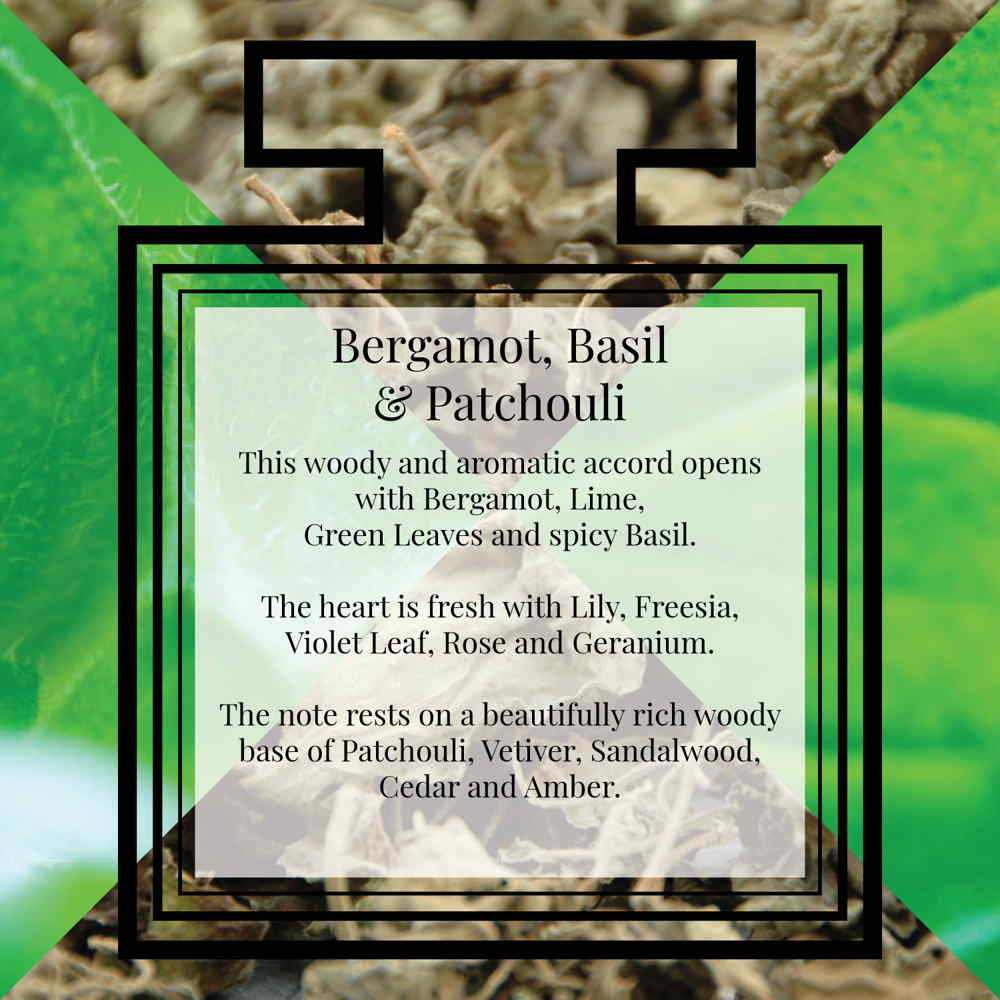
Bergamot, Basil & Patchouli – Eau de Parfum
- This woody and aromatic accord opens with Bergamot, Lime, Green Leaves, and spicy Basil.
- The heart features fresh notes of Lily, Freesia, Violet Leaf, Rose, and Geranium.
- The fragrance settles on a beautifully rich woody base of Patchouli, Vetiver, Sandalwood, Cedar, and Amber.
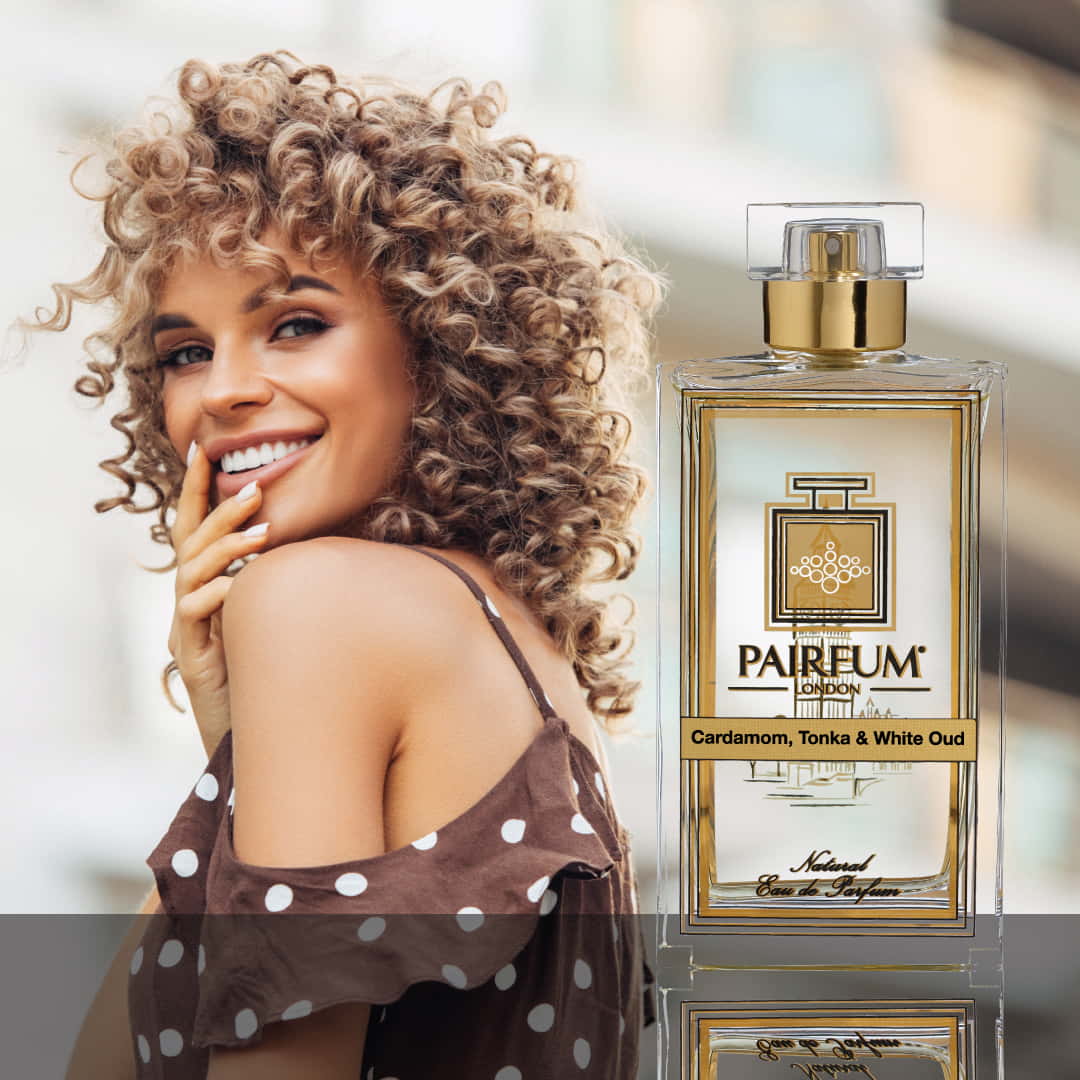
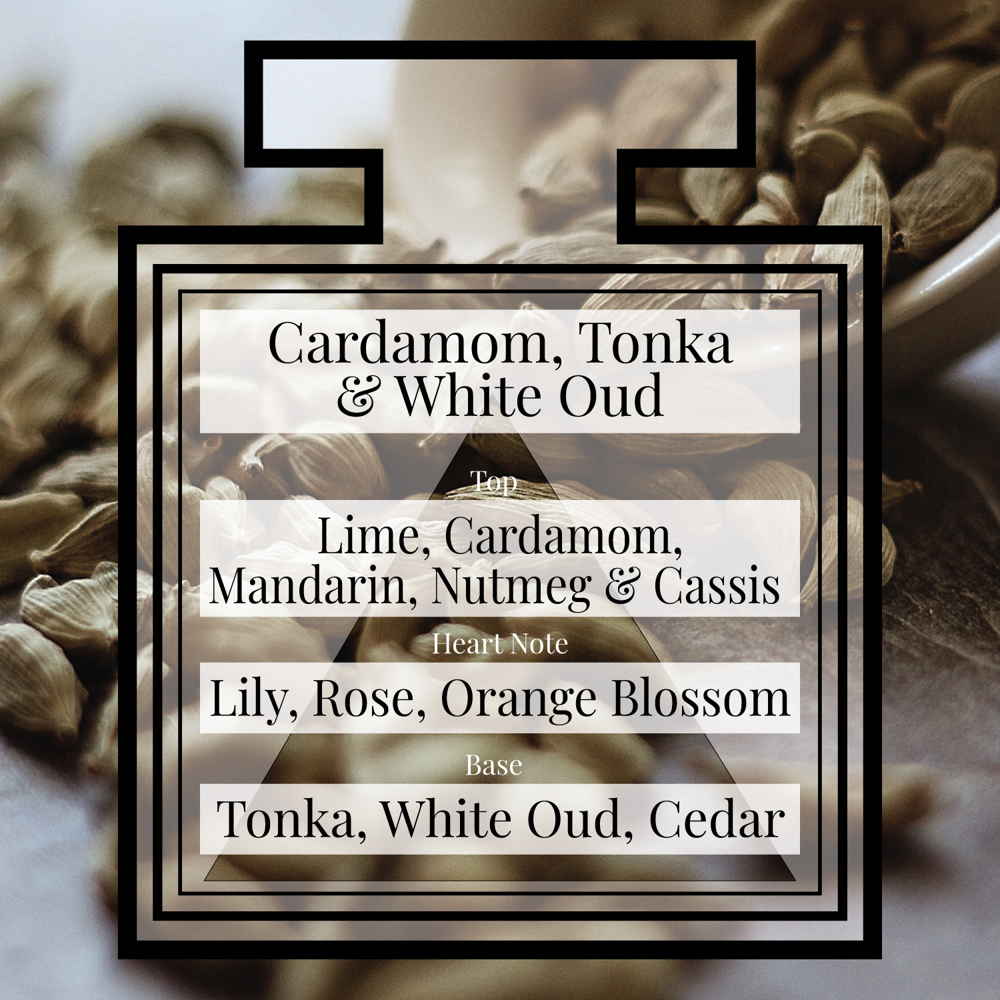
Cardamom, Tonka & White Oud – Eau de Parfum
- This rich and passionate fragrance commences with notes of Lime, Mandarin, Cardamom, Nutmeg, Clove, and fruity hints of Cassis.
- At the heart of this composition are spicy White Lily, Rose, and Orange Blossom.
- A sensual base of Tonka, White Oud, Cedar, Santal, and Amber completes this creation.
Trail of White Petals – Reed Diffuser
- A delicate and sparkling white floral blend infused with Jasmine Blossom, intertwined with Lily, Tuberose, and Ylang-Ylang.
- The top note features bright highlights of Apple and Cassis, resting on a base of creamy Sandalwood and Musk.

A Timeless Choice: The Allure of Lily Perfume
Lily perfume remains a classic and refined selection within the fragrance world. From its rich history and cultural significance to its alignment with modern trends, lily perfumes continue to enchant fragrance enthusiasts. Whether you are drawn to the pure and simple notes of white lily or the exotic appeal of valley perfume, there is a lily-based fragrance that suits everyone.
With applications spanning personal care and home products, along with customizable options for perfume layering, the scent of lilies continues to inspire. Dive into our collection at Pairfum London to discover the enchanting aroma of lily perfumes and let it infuse a touch of luxury into your life.
{“slug”:”real-cookie-banner-pro”,”textDomain”:”real-cookie-banner”,”version”:”5.0.6″,”restUrl”:”https://www.pairfum.com/wp-json/real-cookie-banner/v1/”,”restNamespace”:”real-cookie-banner/v1″,”restPathObfuscateOffset”:”ffc2deb1d7b46f72″,”restRoot”:”https://www.pairfum.com/wp-json/”,”restQuery”:{“_v”:”5.0.6″,”_locale”:”user”},”restNonce”:”d3f2a12595″,”restRecreateNonceEndpoint”:”https://www.pairfum.com/wp-admin/admin-ajax.php?action=rest-nonce”,”publicUrl”:”https://www.pairfum.com/wp-content/plugins/real-cookie-banner-pro/public/”,”chunkFolder”:”dist”,”chunksLanguageFolder”:”https://www.pairfum.com/wp-content/languages/mo-cache/real-cookie-banner-pro/”,”chunks”:{},”others”:{“customizeValuesBanner”:”{“layout”:{“type”:”dialog”,”maxHeightEnabled”:true,”maxHeight”:740,”dialogMaxWidth”:600,”dialogPosition”:”middleCenter”,”dialogMargin”:[0,0,0,0],”bannerPosition”:”bottom”,”bannerMaxWidth”:700,”dialogBorderRadius”:0,”borderRadius”:0,”animationIn”:”none”,”animationInDuration”:1000,”animationInOnlyMobile”:false,”animationOut”:”none”,”animationOutDuration”:1000,”animationOutOnlyMobile”:false,”overlay”:true,”overlayBg”:”#0a0a0a”,”overlayBgAlpha”:50,”overlayBlur”:0},”decision”:{“acceptAll”:”button”,”acceptEssentials”:”button”,”showCloseIcon”:false,”acceptIndividual”:”button”,”buttonOrder”:”all,save,individual,essential”,”showGroups”:true,”groupsFirstView”:true,”saveButton”:”afterChangeAll”},”design”:{“bg”:”#ffffff”,”textAlign”:”left”,”linkTextDecoration”:”underline”,”borderWidth”:1,”borderColor”:”#000000″,”fontSize”:14,”fontColor”:”#000000″,”fontInheritFamily”:true,”fontFamily”:”Arial, Helvetica, sans-serif”,”fontWeight”:”normal”,”boxShadowEnabled”:false,”boxShadowOffsetX”:0,”boxShadowOffsetY”:-1,”boxShadowBlurRadius”:9,”boxShadowSpreadRadius”:0,”boxShadowColor”:”#2b2b2b”,”boxShadowColorAlpha”:20},”headerDesign”:{“inheritBg”:true,”bg”:”#f4f4f4″,”inheritTextAlign”:true,”textAlign”:”center”,”padding”:[5,5,5,5],”logo”:””,”logoRetina”:””,”logoMaxHeight”:40,”logoPosition”:”left”,”logoMargin”:[5,10,5,10],”fontSize”:19,”fontColor”:”#2b2b2b”,”fontInheritFamily”:true,”fontFamily”:”Arial, Helvetica, sans-serif”,”fontWeight”:”normal”,”borderWidth”:0,”borderColor”:”#e2e2e2″},”bodyDesign”:{“padding”:[0,5,0,5],”descriptionInheritFontSize”:true,”descriptionFontSize”:14,”dottedGroupsInheritFontSize”:true,”dottedGroupsFontSize”:14,”dottedGroupsBulletColor”:”#3e3e3e”,”teachingsInheritTextAlign”:true,”teachingsTextAlign”:”center”,”teachingsSeparatorActive”:true,”teachingsSeparatorWidth”:50,”teachingsSeparatorHeight”:3,”teachingsSeparatorColor”:”#3e3e3e”,”teachingsInheritFontSize”:false,”teachingsFontSize”:12,”teachingsInheritFontColor”:true,”teachingsFontColor”:”#7c7c7c”,”accordionMargin”:[10,0,5,0],”accordionPadding”:[5,10,5,10],”accordionArrowType”:”outlined”,”accordionArrowColor”:”#000000″,”accordionBg”:”#ffffff”,”accordionActiveBg”:”#f9f9f9″,”accordionHoverBg”:”#efefef”,”accordionBorderWidth”:1,”accordionBorderColor”:”#efefef”,”accordionTitleFontSize”:12,”accordionTitleFontColor”:”#2b2b2b”,”accordionTitleFontWeight”:”normal”,”accordionDescriptionMargin”:[5,0,0,0],”accordionDescriptionFontSize”:12,”accordionDescriptionFontColor”:”#6d6d6d”,”accordionDescriptionFontWeight”:”normal”,”acceptAllOneRowLayout”:false,”acceptAllPadding”:[10,5,10,5],”acceptAllBg”:”#3e3e3e”,”acceptAllTextAlign”:”center”,”acceptAllFontSize”:18,”acceptAllFontColor”:”#ffffff”,”acceptAllFontWeight”:”normal”,”acceptAllBorderWidth”:1,”acceptAllBorderColor”:”#000000″,”acceptAllHoverBg”:”#6d6d6d”,”acceptAllHoverFontColor”:”#ffffff”,”acceptAllHoverBorderColor”:”#000000″,”acceptEssentialsUseAcceptAll”:false,”acceptEssentialsButtonType”:””,”acceptEssentialsPadding”:[10,5,10,5],”acceptEssentialsBg”:”#ffffff”,”acceptEssentialsTextAlign”:”center”,”acceptEssentialsFontSize”:16,”acceptEssentialsFontColor”:”#3e3e3e”,”acceptEssentialsFontWeight”:”normal”,”acceptEssentialsBorderWidth”:1,”acceptEssentialsBorderColor”:”#3e3e3e”,”acceptEssentialsHoverBg”:”#ededed”,”acceptEssentialsHoverFontColor”:”#000000″,”acceptEssentialsHoverBorderColor”:”#3e3e3e”,”acceptIndividualPadding”:[10,5,10,5],”acceptIndividualBg”:”#ffffff”,”acceptIndividualTextAlign”:”center”,”acceptIndividualFontSize”:16,”acceptIndividualFontColor”:”#3e3e3e”,”acceptIndividualFontWeight”:”normal”,”acceptIndividualBorderWidth”:1,”acceptIndividualBorderColor”:”#000000″,”acceptIndividualHoverBg”:”#ededed”,”acceptIndividualHoverFontColor”:”#000000″,”acceptIndividualHoverBorderColor”:”#000000″},”footerDesign”:{“poweredByLink”:false,”inheritBg”:true,”bg”:”#f4f4f4″,”inheritTextAlign”:true,”textAlign”:”center”,”padding”:[0,5,5,5],”fontSize”:14,”fontColor”:”#6d6d6d”,”fontInheritFamily”:true,”fontFamily”:”Arial, Helvetica, sans-serif”,”fontWeight”:”normal”,”hoverFontColor”:”#2b2b2b”,”borderWidth”:0,”borderColor”:”#e2e2e2″,”languageSwitcher”:”flags”},”texts”:{“headline”:”Privacy Preferences”,”description”:”We use cookies and similar technologies on our website and process your personal data (e.g. IP address), for example, to personalize content and ads, to integrate media from third-party providers or to analyze traffic on our website. Data processing may also happen as a result of cookies being set. We share this data with third parties that we name in the privacy settings.
The data processing may take place with your consent or on the basis of a legitimate interest, which you can object to in the privacy settings. You have the right not to consent and to change or revoke your consent at a later time. For more information on the use of your data, please visit our {{privacyPolicy}}privacy policy{{/privacyPolicy}}.”,”acceptAll”:”Accept all”,”acceptEssentials”:”Continue without consent”,”acceptIndividual”:”Set privacy settings individually”,”poweredBy”:”1″,”
