


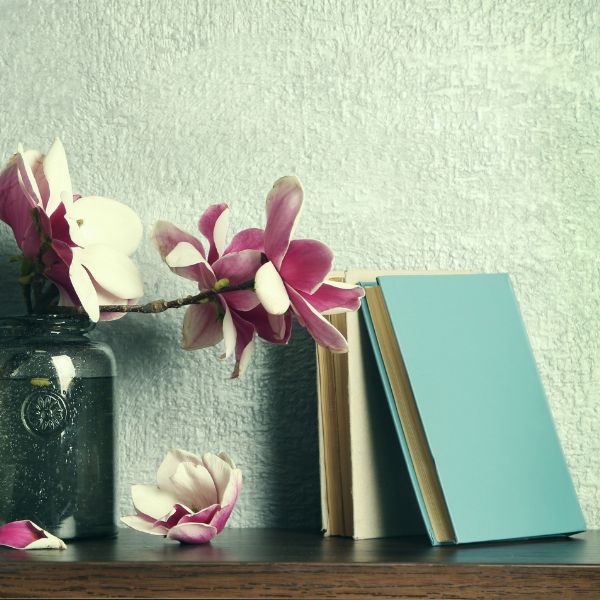
Explore the Enchanting Allure of Magnolia: A Deep Dive into Its Beauty and Significance
This month, we are captivated by the stunning beauty of magnolia, a flower that has inspired countless perfumers and lovers of nature alike. Our journey begins with a curated selection of our favorite magnolia-centric scents, which are currently enchanting our senses. We will also delve into the various delicate and sometimes surprising aromatic facets that can be coaxed from these magnificent blooms. In today’s exploration, we will uncover the intriguing myths, rich history, and cultural significance that surround this ancient flower, shedding light on why it continues to mesmerize us.
Named in honor of the esteemed French botanist, Pierre Magnol, who pioneered the classification of plants into distinct families, the flowering of the magnolia tree represents one of nature’s most extravagant displays. The sight of those plump buds bursting forth to reveal their grand, chalice-like blooms is nothing short of breathtaking, often leaving admirers in awe of their striking beauty and audacity. Each bloom, with its delicate elegance, is a reminder of nature’s artistry and the rich biodiversity found in our world.
Originating from both Asia and the Americas, magnolias comprise approximately 200 different species, making them one of the most ancient flowering plants known to humanity. Their existence dates back to prehistoric times, which is a fascinating notion when considering that dinosaurs may have once enjoyed the fragrance of their blossoms—albeit without the ability to indulge in the scent themselves. This historical depth adds to the charm and allure of magnolias, making them a captivating subject of study and admiration.

The captivating scent of magnolia is primarily derived from its thick, waxy tepals, a primitive blend of petals and sepals that exude a variety of chemical compounds. Among these is linalool, a naturally occurring terpene alcohol known for its citrus-like fragrance. As Judith Adam beautifully articulates in her blog gardenmaking.com, ‘Creamy magnolia blossoms in the crisp spring air are the fulfillment of a gardener’s winter dream.’ Interestingly, the temperature of the surrounding air can significantly influence the aroma of a magnolia blossom, leading to a delightful array of scents ranging from sweet candy and spicy verbena to tart lemon and citrus-honey.
In ancient China, magnolias symbolized feminine beauty, gentleness, nobility, and dignity. It was not uncommon for an emperor to bestow a magnolia as a token of high regard. In the American South, these elegant flowers often adorned bridal bouquets, symbolizing the purity of the bride. Yet, beneath this innocent charm lies a more sensual allure that has captivated many throughout history.
The exquisite beauty of magnolia blooms has long been a muse for artists, with pioneer photographer Imogen Cunningham gaining notoriety in the early 1920s for her bold close-up images of magnolias. Her work was often the subject of scandalous discussions, as critics claimed her floral photography had overtly sexual undertones, focusing on the phallic arrangement of stamen and petals. This criticism echoed the sentiments directed at artist Georgia O’Keefe, whose floral studies were similarly perceived as provocative.
 Imogen Cunningham Magnolia Blossom c.1925
The multifaceted magnolia is cherished by perfumers and fragrance enthusiasts alike, and there may be a scientific explanation for our deep-seated appreciation of its scent. Interestingly, this admiration is far from innocent. A research team at Ruhr-Universitat Bochum in Germany has identified a specific type of receptor in the lining of the human nose called VN1R1. When we inhale the fragrance of magnolia, a compound known as methyl dihydrojasmonate—released by the flowers—binds directly to this receptor, activating an area of the brain associated with motivation and memory, thus enhancing the emotional experience of the scent.

In collaboration with researchers at the University Hospital Dresden, the scientific team has revealed that magnolia activates the hypothalamus, the part of the brain responsible for regulating hormone levels. An insightful article titled ‘Sensual Scents – How Magnolias Turn on the Human Brain’ on The BioPhiles blog highlights that this effect appears to be specific to magnolias and jasmine, as tests with other floral compounds did not yield similar results. The conclusion suggests that magnolias may indeed be producing the scent of romance—or at least igniting feelings of desire.
From evoking a sense of purity to igniting passionate desires, it is no wonder that contemporary floral fragrances continue to sing the praises of this creamy, dreamy scent that has captivated hearts and minds for centuries.
Written by Suzy Nightingale
