


Unveiling the Secrets of Perfumery: Are Natural Talent and Rigorous Training Essential for Aspiring Perfumers?
The intriguing question of whether perfumers are born with an innate ability to detect scents or whether their expertise is cultivated through dedicated education and practice has long captivated fragrance enthusiasts. While some individuals may indeed have a natural sensitivity to aromas, the intricate art and science of perfumery typically necessitate a comprehensive educational journey. In our quest for knowledge, we consulted some of the industry’s most renowned experts to glean their top strategies for refining our own olfactory skills.
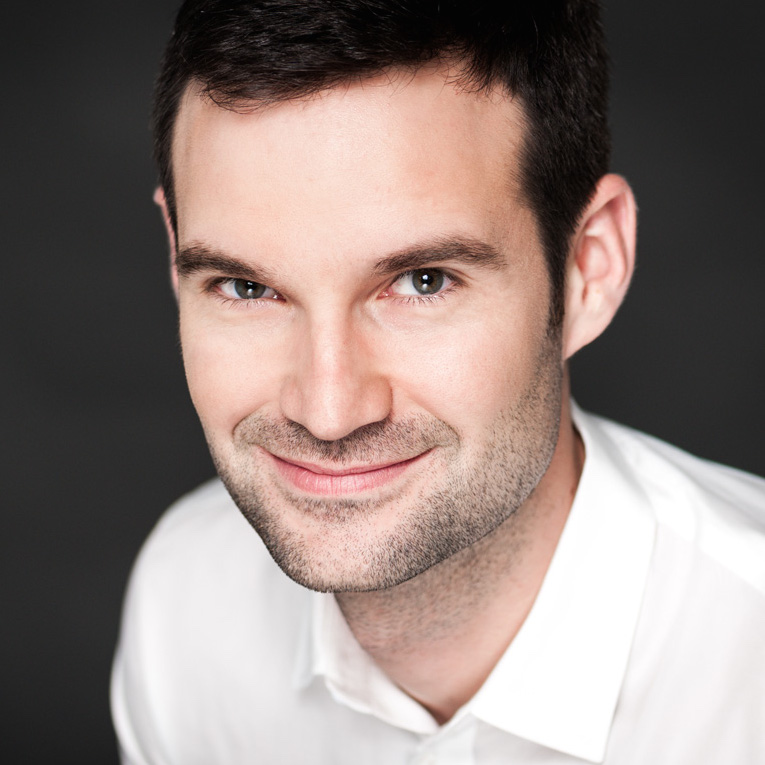
Mathieu Nardin, hailing from the fragrant region of Grasse, champions the notion that enhancing one’s awareness of the sense of smell is crucial. He emphasizes the significance of connecting scents to the emotions and personal experiences they evoke, which plays a vital role in developing a robust olfactory memory. “The key is to recognize the extraordinary capability of our sense of smell,” he explains. In a world where the senses of taste and sight often overshadow the nose, he urges individuals to close their eyes and deeply engage with the olfactory experience, not just during work hours but continuously in their daily lives. Numerous studies have demonstrated that the nose is intricately intertwined with memories and imagery, creating an incredibly potent connection that requires exploration and understanding.
When encountering a scent—whether it be lavender, a specific fragrance, or an ingredient from the kitchen—Mathieu advises letting go of its literal identity and instead linking it to an associated personal feeling. By analyzing these emotions and connecting them to personal experiences, individuals can enhance their smelling capabilities and retention of fragrances. This method is a fundamental aspect of learning in perfumery schools, as the process must be personal to hold significance.
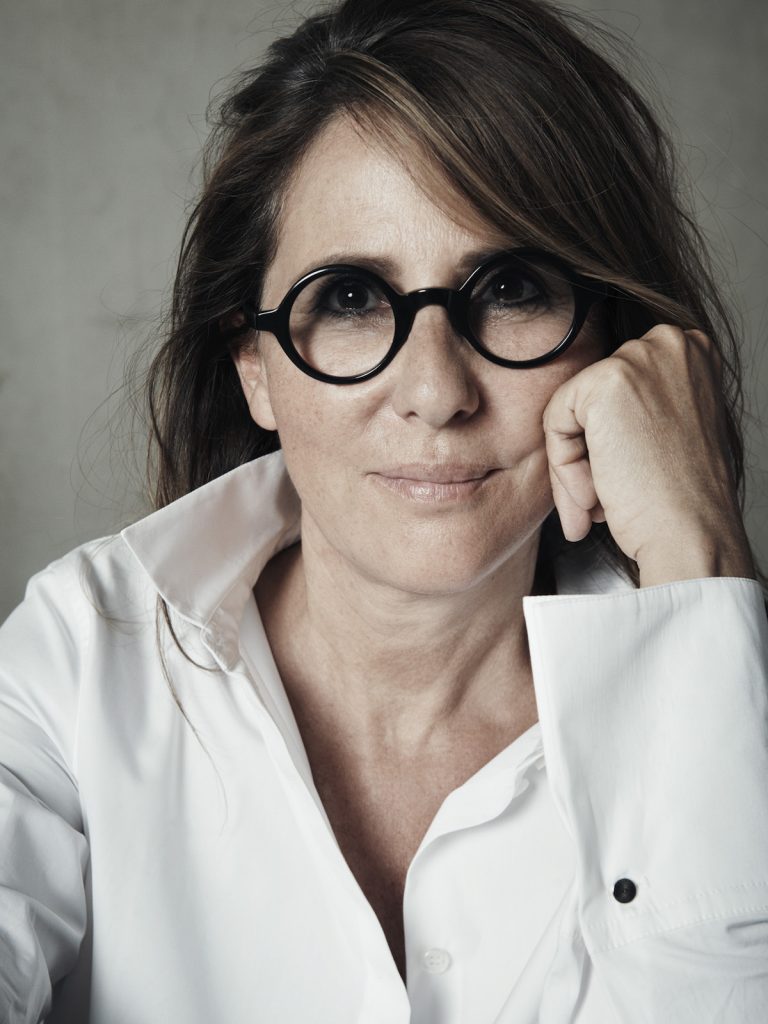
Renowned perfumer Christine Nagel echoes this sentiment, stressing the necessity of daily olfactory exploration. “Cultivate your olfactory curiosity,” she advises. “Make it a habit to smell everything around you, no matter where you are, every single day. Keep your nose actively engaged!” Her passion for scent ignited when she first encountered a perfumer, prompting her to pursue a career that began with training as a research chemist and market analyst. In 1997, she embarked on her illustrious journey in Paris, resulting in the creation of iconic fragrances like Narciso Rodriguez for Her (in collaboration with Francis Kurkdjian), Jimmy Choo Flash, and Guerlain’s Les Elixirs Charnels collection.

Alberto Morillas, a master perfumer known for crafting some of the most celebrated fragrances worldwide—such as Calvin Klein CK One, Kenzo Flower, Bvlgari Omnia, Cartier Panthere de Cartier, and Giorgio Armani Aqua di Giò for women—believes that anyone can enhance their olfactory skills. Born in Sevilla, Spain, in 1950, Morillas describes himself primarily as a self-taught perfumer who began his career at the School of Beaux Arts in Geneva before joining Firmenich in 1970. He asserts, “If you dedicate time to training your nose, you will learn to distinguish between the primary olfactory families. Everyone possesses a unique olfactory memory, akin to a ‘library of scents’ that consists of aromas associated with people, places, experiences, objects, and culinary delights throughout one’s life.”
Morillas encourages individuals to enrich this library by smelling fragrances in stores or trying them on their skin to fully experience them. “Some scents are fresher, while others are more sensual; strive to articulate what you detect to define the various sensations. Repetition is key—practice smelling blindly, allowing spontaneity to guide your insights. Document your thoughts freely, and over time, you will build your personal references, enabling you to categorize fragrances by their main themes, such as woody, aromatic, citrus, or ambrée. Memory is paramount. You must repeatedly smell the same fragrances, blending them with others to observe how they evolve. It’s reminiscent of cooking—you must continually taste to develop your palate, and the same principle applies to your sense of smell.”

Sophie Labbé, another esteemed perfumer, grew up between Paris and the Charente-Maritime region of France, where she encountered a variety of smells that deeply influenced her career path. She studied at IPSICA, the perfumery school in Paris, and underwent six months of training at the Givaudan Perfumery School in Geneva. In 1992, she began her journey at IFF as a junior perfumer, contributing to notable fragrances such as Bulgari Jasmin Noir, Calvin Klein Beauty, and Estée Lauder Pure White Linen. Sophie shares practical advice for beginners interested in developing their olfactory skills: “Open your nose—be aware of all the scents surrounding you. Start with everyday aromas that you might overlook, then transition to perfumes. Challenge yourself to smell as many fragrances as possible, beginning with the classic milestone scents that every perfumer studies during their education. Expand your knowledge by reading extensively; there are countless resources available, including books and insightful articles on perfumery.”
These invaluable insights from renowned perfumers, gathered through interviews for our award-winning magazine, The Scented Letter, demonstrate that anyone can enhance their relationship with fragrance. Even if you do not intend to become a perfumer, these strategies can enrich your everyday life significantly.

Essential Techniques from Leading Perfumers:
-
Cultivate Olfactory Curiosity: Engage with the myriad of scents around you.
-
Connect Scents to Emotions: Associate fragrances with your personal memories and feelings.
-
Create a Personal Scent Library: Regularly sample fragrances and categorize them by scent families.
-
Explore Classic Fragrances: Familiarize yourself with the landmark perfumes every perfumer studies.
-
Practice Blind Smelling: Train your ability to identify scents

Sienna Blake is a licensed aesthetic consultant and beauty writer specializing in cosmetic surgery advancements and non-invasive treatments. With a background in dermatology and over eight years of industry experience, Sienna is passionate about helping people achieve confidence through informed beauty decisions. She holds a Bachelor's degree in Health Sciences and regularly collaborates with top plastic surgeons to stay at the forefront of aesthetic innovations. Outside of her work, Sienna enjoys traveling, skincare research, and practicing Pilates.
