


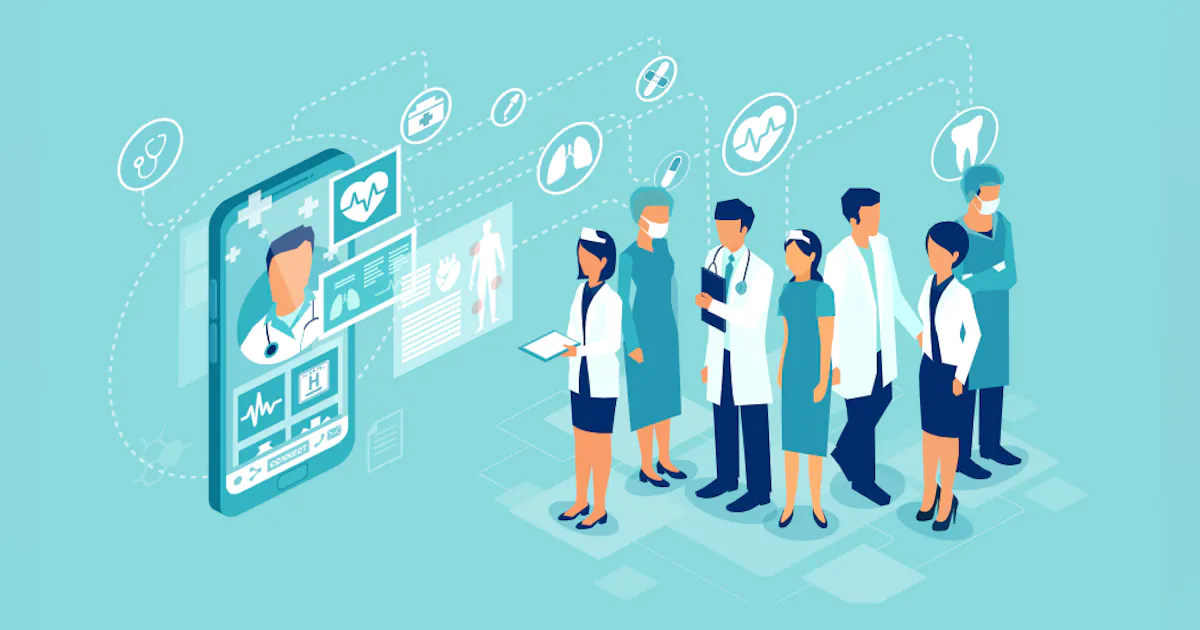
In the healthcare sector, the conversation often revolves around integrating medical and behavioral health, yet the crucial role of dental health tends to be overlooked. It’s essential to recognize that oral health is a vital component of overall well-being, as a healthy mouth is integral to achieving comprehensive health. The reality is that oral diseases affect nearly four billion individuals globally, highlighting the urgent need for inclusive health discussions.1
Neglecting oral health can lead to severe consequences, including tooth loss, untreated cavities, and periodontal disease. These conditions not only affect individual well-being but also result in significant healthcare costs due to preventable emergency room visits. Particularly among individuals who are dually eligible for Medicare and Medicaid, often low-income seniors, there is a noticeable increase in dental and vision issues compared to other Medicare recipients.23
The dual-eligible population presents unique challenges, being five times more likely to have disabilities and twice as likely to experience hospitalization or mortality compared to their non-dual counterparts. These individuals often have complex health conditions and face substantial social and financial hurdles, which complicates their access to high-quality healthcare services.456
Access to oral healthcare in the United States is fraught with challenges, characterized by inequitable availability and a focus on restorative rather than preventive care. The need for transformation in the dental care delivery system is evident. Medical-dental integration (MDI) emerges as a critical strategy, especially for improving health outcomes among those who are dually eligible.
Understanding Medical-Dental Integration (MDI)
Medical-dental integration, often referred to as interprofessional practice, is grounded in research indicating that a holistic approach to healthcare—addressing both oral and physical health—yields better health outcomes and improves access to care, particularly for vulnerable populations. This model emphasizes the importance of providing comprehensive care that does not silo dental health into separate visits, but instead incorporates it into overall health management.
Related articles
Driving medical-dental integration with telehealth technology
Medical and dental data integration: How can this become a reality?
There is a profound need to address the intricate requirements of the dually eligible populations, with statistics revealing that 41% of these individuals have at least one mental health diagnosis. Additionally, nearly half rely on long-term care services, while 60% deal with multiple health conditions.7 Access to effective integrated care models that bridge gaps in preventive health and disease management remains conspicuously low for these groups.
The connection between medical and dental care is well-established, yet significant disparities persist among dual-eligible populations facing various comorbidities. Despite the evident need for dental care, patients with severe mental health issues often find it challenging to access necessary dental services. Furthermore, individuals in nursing homes or assisted living facilities frequently enter these environments with existing oral health problems that can hinder their recovery and overall health.
The fragmentation of medical and dental care systems disproportionately affects vulnerable groups, including low-income individuals, people of color, those with disabilities, rural residents, and formerly incarcerated individuals. These populations experience higher rates of dental disease and pain, alongside significant barriers when attempting to access necessary care.8
Transforming Care Delivery for Enhanced Access and Outcomes
MDI aims to facilitate the delivery of essential healthcare services where patients already receive support, fostering a coordinated approach among various healthcare providers, regardless of their physical location. Numerous pilot programs across the nation exemplify this integration, such as incorporating oral health screenings into well-child visits or allowing dental care providers to monitor insulin levels. Telehealth services are also being utilized to connect providers from diverse disciplines to a single patient, enhancing coordinated care.
Successful opportunities have been identified where oral health risk assessments and dental hygiene education are integrated into primary care visits, hospital inpatient wards, and numerous federally qualified health centers (FQHCs). A notable example is the CareQuest Institute for Oral Health Improvement’s pilot program in Massachusetts, known as the COVID-19 Oral Health Recovery and Transformation (COHRT) Learning Community.9 This initiative emphasized teledentistry for disease prevention, minimally invasive treatments, and personalized care strategies. Providers were equipped with tools such as monthly assistance calls, expert access, and a collaborative virtual learning environment, fostering peer interaction and problem-solving.
However, despite these advancements, such integrated care models remain uncommon. Data from CareQuest indicates that patients are rarely asked about their oral health during primary care visits, nor are medical inquiries made during dental visits.10 Alarmingly, 45% of oral health providers report infrequent collaboration with non-dental clinicians. Nevertheless, integrated care approaches have shown to enhance provider satisfaction through personalized care planning.
Barriers to Effective Medical-Dental Collaboration
Recent findings suggest that providers are open to embracing integrated processes, expressing a desire for improved screening methods, referral systems, and enhanced communication within interprofessional practices.9 Evidence indicates that when care providers adopt collaborative approaches, they not only enhance the quality of care but also experience increased financial support and stability. Care teams often report more stable salaries when they are part of group networks or dental service organizations that function within an integrated, value-oriented financial model.
Evaluating the Benefits of Medical-Dental Integration
Interestingly, individuals who are dually eligible for both Medicare and Medicaid account for a staggering one-third of total spending across these programs—despite comprising only 15% and 20% of total enrollees, respectively.7 This demographic frequently utilizes high-cost healthcare services, making them prime candidates for MDI initiatives aimed at improving case management and outreach, as well as enhancing oral health management in relation to their underlying health conditions.
Integrating personalized care plans has proven to significantly reduce emergency department visits and overall healthcare costs. The timely identification and management of undiagnosed systemic diseases can lead to substantial savings; for instance, the CDC estimates that yearly savings could reach up to $100 million if screenings for conditions like diabetes, hypertension, and high cholesterol were conducted during dental visits.11
Moreover, previous analyses indicate that preventive periodontal services for Medicaid-enrolled adults with diabetes could achieve cost reductions of approximately 13% overall, and an impressive 48% in inpatient costs.12 In addition, another study revealed that enrollees with diabetes or coronary artery disease who had at least one preventive dental visit each year realized cost savings ranging from $515 to $1,718 per member annually.13
For every 1% increase in patients receiving dental services, the rate of uncontrolled diabetes among diabetes patients decreased by 0.2% in populations treated at FQHCs.14 Research from the American Dental Association also indicates significantly higher utilization of preventive and disease management services among seniors receiving dental treatment at facilities designed around MDI principles.15
By ensuring a healthier mouth and body, individuals can experience longer-lasting dental restorations and improved surgical outcomes, reinforcing the interconnectedness of oral and overall health.
Identifying Necessary Changes for Effective MDI Implementation
Several challenges must be addressed to facilitate successful MDI implementation. These challenges span across different stakeholders, including healthcare plans, providers, patients, and policymakers. Key issues include enhancing interoperability, refining benefit designs, establishing consistent networks, improving case management, and increasing education among stakeholders.
Health Information Technology (HIT): Advancements in health information exchanges and the development of standardized data and language between the medical and dental fields will be critical for the long-term success of interprofessional strategies. Furthermore, a broader adoption of technology within dentistry can lead to improved health outcomes, more efficient appointment processes, and expanded opportunities for education and knowledge enhancement.
The fragmentation of medical and dental care systems disproportionately affects vulnerable populations, including low-income groups, people of color, those with disabilities, rural residents, and formerly incarcerated individuals who are more likely to suffer from oral diseases and pain..
One significant technological advancement is the implementation of telehealth/teledentistry. Synchronous telehealth visits enable real-time communication through video, phone, or chat between providers and patients. These virtual consultations allow for integrated, interprofessional care that transcends geographical barriers. By incorporating both medical and dental care teams through telehealth, a more comprehensive approach to patient needs can be achieved, particularly for those with mobility challenges.
Asynchronous telehealth differs, allowing providers to upload patient data for later review by specialists. Primary care teams within integrated systems are increasingly leveraging telehealth for consultations with off-site specialists, including cardiology and dermatology, and the addition of dental providers can further enhance patient access and outcomes. This integration also allows dental providers to conduct virtual consultations with medical professionals, reinforcing their critical role within the interdisciplinary healthcare team.
However, for telehealth and other forms of care to be effective, a cohesive infrastructure that supports all types of care in a unified environment is essential. Interoperability is crucial; the separation of electronic medical and dental records mirrors the fragmentation of the care systems themselves. While there have been significant updates to support dental data exchange, many challenges remain. Nationally, these systems must facilitate efficient information transfer not just to enhance patient care but also to improve data collection and analysis. The current reliance on manual processes and cumbersome workarounds for inter-disciplinary communication is unsustainable.
Benefit Design and Networks: There is a pressing need for cohesive dental benefit designs that span both Medicaid and Medicare programs, not only to support dual-eligible members but also to streamline processes for all enrollees, providers, and administrators. Essentially, benefit designs must be comprehensive and integrated across the Medicaid and Medicare structures while ensuring beneficiaries have access to oral health resources that directly correlate with improved health outcomes and lower care costs.
Furthermore, effective benefit designs must incorporate financial strategies and adaptable billing structures that remain responsive to the evolving landscape of dental care. MDI represents a gradual transformation and comes with alternative payment models associated with ongoing quality improvement initiatives that are continuously evaluated and refined.
Maintaining consistent networks is vital for effective benefit design, as this promotes continuity of care and fosters interprofessional care teams that enhance oral health case management and care coordination efforts. It is critical that networks across varied eligibility criteria (e.g., Medicaid and Medicare) are unified and integrated across physical, behavioral, and oral health domains.
Next Steps: The stark disparities in oral health have only intensified in the wake of the COVID-19 pandemic. Given that health outcomes improve and costs decrease when patients receive dental care, implementing MDI is a logical step, particularly in the dual-eligible population where health outcomes are poorer and costs are higher.
To achieve this, all stakeholders in dental care delivery—including software vendors, payers, policymakers, and dental providers—must engage proactively. Comprehensive dental benefits should be standard offerings for all individuals, and the disconnection between public insurance programs where dental benefits may overlap must be addressed. Enhancing the patient experience is essential; health plans and dental benefit administrators should collaborate to create a seamless MDI experience that aligns with the quadruple aim of healthcare.
Now is the opportune moment to capitalize on the transformative momentum generated by changes in care delivery during the pandemic.
Editor’s note: This article first appeared in the December 2022 print edition of Dental Economics magazine. Dentists in North America are eligible for a complimentary print subscription. Sign up here.
References
- Oral health. World Health Organization. March 15, 2022. https://www.who.int/news-room/fact-sheets/detail/oral-health
- Freed M, Neuman T, Jacobson G. Drilling down on dental coverage and costs for Medicare beneficiaries. KFF. March 13, 2019. https://www.kff.org/report-section/drilling-down-on-dental-coverage-and-costs-for-medicare-beneficiaries-issue-brief/
- Katch H, Van de Water PN. Medicaid and Medicare enrollees need dental, vision, and hearing benefits. Center on Budget and Policy Priorities. December 8, 2020. https://www.cbpp.org/research/health/medicaid-and-medicare-enrollees-need-dental-vision-and-hearing-benefits
- Wadhera RK, Wang Y, Figueroa JF, et al. Mortality and hospitalizations for dually enrolled and nondually enrolled Medicare beneficiaries aged 65 years or older, 2004 to 2017. J Amer Med Assoc. 2020;323(10):961-969. doi:10.1001/jama.2020.1021
- Elmaleh-Sachs A, Schneider EC. Strange bedfellows: Coordinating Medicare and Medicaid to achieve cost-effective care for patients with the greatest health needs. J Gen Intern Med. 2020;35(12):3671-3674. doi:10.1007/s11606-020-05914-y
- Johnston KJ, Mittler J, Hockenberry JM. Patient social risk factors and continuity of care for Medicare beneficiaries. Health Serv Res. 2020;55(3):445-456. doi:10.1111/1475-6773.13272.
- People dually eligible for Medicare and Medicaid. CMS. March 2020. https://www.cms.gov/Medicare-Medicaid-Coordination/Medicare-and-Medicaid-Coordination/Medicare-Medicaid-Coordination-Office/Downloads/MMCO_Factsheet.pdf
- Simon L. Overcoming historical separation between oral and general health care. Interprofessional collaboration for promoting health equity. AMA J Ethics. 2016;18(9):941-949. doi:10.1001/journalofethics.2016.18.9.pfor1-1690
- System transformation: A three domain framework to innovating oral health care. CareQuest. October 2020. https://www.carequest.org/system/files/CareQuest-Institute-Three-Domain-Framework-White-Paper.pdf
- Missed connections: Providers and consumers want more medical-dental integration. CareQuest. https://www.carequest.org/system/files/CareQuest_Institute_Missed-Connections-Providers-and-Consumers-Want-More-Medical-Dental-Integration_FINAL.pdf
- Return on investment. Healthcare investment savings. CDC. Page last reviewed August 25, 2020. https://www.cdc.gov/oralhealth/infographics/roi-healthcare.html
- Thakkar-Samtani R, Heaton LJ, Kelly AL, et al. Diabetes treatment costs decrease after periodontal therapy. CareQuest. https://www.carequest.org/system/files/Samtani_NOHC-2022%20poster_48x36_3.31.22.pdf
- Borah BJ, Brotman SG, Dohlakia R, et al. Association between preventive dental care and healthcare cost for enrollees with diabetes or coronary artery disease: 5-year experience. Compendium. March 2020. https://www.aegisdentalnetwork.com/cced/2022/03/association-between-preventive-dental-care-and-healthcare-cost-for-enrollees-with-diabetes-or-coronary-artery-disease-5-year-experience
- Value-base care: The federally qualified health center story. CareQuest. https://www.carequest.org/resource-library/value-based-care-federally-qualified-health-center-story
- Mosen DM, Banegas MP, Dickerson JF, et al. Examining the association of medical-dental integration with closure of medical care gaps among the elderly population. J Am Dent Assoc. 2021;152(4):302-308. doi.org/10.1016/j.adaj.2020.12.010