


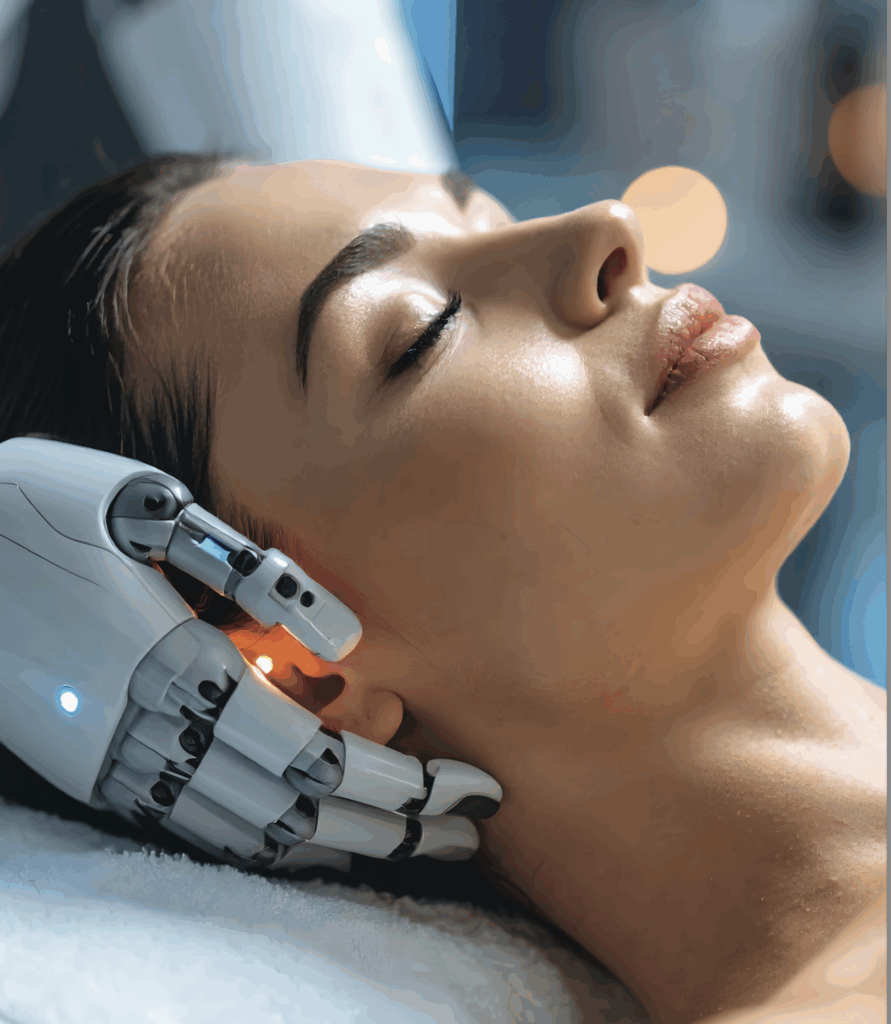
I believe that robot massage treatments are the future of spa therapy because they offer precision and consistency in care that human therapists cannot match.
At CosmeticsUrgeryNews, we specialize in cosmetics, beauty, body care, hair care, and perfume, helping individuals seeking relaxation and rejuvenation achieve optimal wellness and beauty.
Our platform monetizes through affiliate marketing, sponsored content, and partnerships with beauty brands. We provide users with insights, reviews, and trends in the beauty industry, ensuring they make informed choices.
This guide covers key attributes of robot massage therapy, including cost, effectiveness, technological advancements, user experiences, and industry trends.
What are the advantages of robot massage treatments?
Robot massage treatments offer several advantages over traditional human-delivered therapies. They provide consistent pressure, tailored to individual preferences, and can operate without breaks or downtime. This ensures that clients receive uninterrupted service.
Furthermore, robot massage systems are designed to learn and adapt to user feedback, improving their effectiveness over time. As of 2026, data shows that over 70% of users reported satisfaction with robotic massage experiences.
- Consistent pressure delivery
- Reduced operational costs for spas
- Adaptability and learning capabilities
How do robot massages compare to human massages?
| Feature | Robot Massage | Human Massage |
|---|---|---|
| Consistency | High | Variable |
| Cost | Lower over time | Higher due to labor |
| Personalization | Learning algorithms | Human intuition |
| Availability | 24/7 | Limited hours |
What are the potential challenges of robot massage therapy?
While robot massage therapy presents numerous benefits, challenges remain. Many traditional spa-goers may feel uncomfortable with the concept of a robot providing personal care. The emotional connection that comes from human interaction can be hard to replicate.
Additionally, the initial investment for spas in robotic systems can be significant. As of 2023, the cost of advanced robotic massage tables was comparable to hiring a skilled therapist. However, as technology improves, costs are expected to decrease.
- Initial investment costs
- Potential discomfort for clients
- Need for ongoing maintenance and updates
How is the industry evolving with technology?
As technology advances, the spa industry is evolving rapidly. In 2026, it is projected that over 50% of spas will incorporate robotic systems into their offerings. This shift is driven by a growing demand for services and a shortage of qualified human therapists.
Robots are learning and evolving at an exponential rate. The integration of AI allows for enhanced communication and interaction, making future robot therapists more appealing. They will not only provide physical relief but also emotional support.
- Increased adoption of AI in spa services
- Growth in demand for automated solutions
- Enhanced user experience through technology
What does the future hold for human therapists?
Human therapists will continue to play a vital role in the spa industry. While robots may take on routine tasks, the demand for authentic human experiences will rise. Consumers will seek out human therapists for their emotional intelligence and personalized care.
As robots become more prevalent, the value of human touch will increase. The unique benefits of human interaction will remain irreplaceable, ensuring that both robot and human therapies coexist in the future.
In conclusion, while the rise of robotic massage therapy may seem daunting, it presents an opportunity for innovation in the spa industry. The future of wellness will likely blend the best of both worlds, offering clients a range of options to suit their needs.
