


Experiencing temporary facial redness due to embarrassment or vigorous exercise is one thing, but enduring chronic facial redness can be truly frustrating and a clear warning sign of a condition known as rosacea – insert fuming red-faced emoji! Compounding this issue is the harshness of winter weather, which can exacerbate symptoms and create an even more challenging situation for those who are already dealing with this skin condition. As the cold months set in, managing rosacea becomes a two-fold battle, requiring you to adapt your skincare routine to combat the elements.
While we may find joy in the charming image of Rudolph with his bright red nose, many individuals suffering from rosacea are less than thrilled with their own persistent redness that lacks the cute factor. For those with this condition, the arrival of winter often triggers a wave of frustration due to unpredictable flare-ups that can be as surprising as an unexpected snowfall. Understanding how to manage these flare-ups effectively is key to maintaining confidence and comfort during the colder months.
As temperatures drop, it doesn’t take long for rosacea symptoms to intensify, leaving many feeling disheartened. However, there’s no need for panic; we’re here to share practical strategies for managing rosacea in winter. It’s time to transform your winter skincare routine into a powerful tool that helps you achieve a calmer and healthier complexion, allowing you to embrace the season with confidence.
Comprehending the Relationship Between Rosacea and Cold Weather
Do you notice your face flushing or blushing easily, particularly in response to certain stimuli, and does this redness linger longer than expected? While temporary redness can be common after exercise or socializing, sustained facial redness, especially when accompanied by visible blood vessels, acne-like pustules, or a family history of similar skin conditions, could indicate rosacea.
Rosacea is a prevalent, chronic skin condition that primarily affects the nose, cheeks, forehead, and chin, resulting in skin that can appear thickened or swollen with small, red, pus-filled bumps. Often mistaken for acne, eczema, or allergies, this skin disorder requires careful management to minimize its impact on daily life.
According to the National Rosacea Society, approximately 16 million individuals in the United States are affected by rosacea, with a significant number being middle-aged women. This condition is characterized by cycles of flare-ups and periods of remission. While the statistics may seem daunting, it’s essential to explore the different types of rosacea and their specific characteristics to regain control over your skin health.
Rosacea manifests in four distinct types: erythematotelangiectatic (vascular), papulopustular (inflammatory), phymatous, and ocular. Let’s delve deeper into each type to understand how they differ and what symptoms to watch for.
Erythematotelangiectatic Rosacea: This type is characterized by persistent redness or discoloration, frequent flushing, and visible blood vessels. Without appropriate treatment, this redness can become more prominent and even permanent, making it vital to seek solutions early.
Papulopustular Rosacea: This form presents with “whitehead” pustules – pus-filled blemishes – along with red, swollen bumps primarily on the cheeks, chin, and forehead. Often misidentified as acne, it requires targeted treatment to alleviate symptoms.
Phymatous Rosacea: This type leads to skin thickening and scarring, resulting in an uneven texture that can appear bumpy, swollen, and discolored over time.
Ocular Rosacea: This variant impacts the eyes and eyelids, causing redness, irritation, and dryness. It can lead to sensitive, dry eyes and even cyst formation on the eyelids, necessitating careful management.
Given the various forms of rosacea and their complexities, it’s no surprise that the precise causes of this inflammatory skin condition remain elusive. However, an intricate interplay of hereditary, vascular, immune, and environmental factors likely contributes to its emergence. Common triggers and symptoms of rosacea include:
#1. Immune responses: Inflammatory processes and immune system reactions may play a role in the development of rosacea, suggesting a disruption within the neurovascular system (which includes nerves, veins, and arteries).
#3. Genetic predisposition: If rosacea runs in your family, your genetic makeup may increase your likelihood of developing this chronic skin condition.
#4. Environmental factors: Exposure to UV radiation from the sun, extreme heat, and certain skin-dwelling microbes could exacerbate rosacea symptoms. Additionally, microscopic mites called Demodex, which are more prevalent in individuals with rosacea, may also contribute to the condition.
#5. Skin sensitivity: Individuals with rosacea often experience heightened skin sensitivity. Those with fair skin who flush easily, particularly those of northern European descent, may be at an increased risk for developing rosacea.
Returning to the dual challenges of managing rosacea and adapting to winter, the cold season can exacerbate existing symptoms and create new hurdles for individuals with sensitive skin. Understanding how cold weather affects rosacea can help you navigate this seasonal hurdle:
Dryness: Cold air is notoriously low in humidity, leading to skin dehydration. This can result in a tight, itchy sensation, making the skin more susceptible to irritation and inflammation, particularly for those with rosacea.
Temperature changes: As temperatures drop in winter, the skin faces the dual threat of harsh, dehydrating winds and the jarring transition from cold outdoor air to warm indoor environments. This sudden change can trigger vasodilation, resulting in increased redness and flushing.
Indoor heating: While we seek comfort from the cold, indoor heating systems can inadvertently exacerbate skin dryness. Enjoying cozy indoor environments can lead to increased irritation and inflammation for those with sensitive skin.
Holiday indulgences: Rich, spicy foods, hot beverages, and alcoholic drinks can all serve as triggers for rosacea flare-ups during festive gatherings.
Recognizing Triggers for Rosacea in Winter Conditions
The winter season, with its unique climatic challenges, can have a significant impact on rosacea symptoms. As temperatures plummet, the changes in environmental conditions and lifestyle habits often necessitate adjustments to how we care for our skin. Let’s examine how the cold weather and related lifestyle shifts can act as triggers for rosacea symptoms.
Harsh winds and low temperatures: The combination of biting cold and dry winds poses a significant threat to rosacea-affected skin. Individuals may notice a pronounced worsening of symptoms in such conditions. The low humidity and frigid air strip away the skin’s natural oils, essential for moisture retention.
This moisture loss often results in a dry, tight feeling and can lead to flaking. A compromised skin barrier becomes increasingly vulnerable to irritants and pathogens, heightening the risk of irritation and inflammation as the skin dries out.
Dry air from indoor heating: While escaping the cold indoors seems sensible, the dry air generated by heating systems can also exacerbate rosacea symptoms. Indoor heating often leads to reduced humidity, creating an environment that strips moisture from the skin.
The constant transition between cold outdoor air and heated indoor spaces can disrupt the skin’s natural hydration balance, leading to a more sensitive and inflamed complexion.
Dietary considerations
If you find solace in spicy foods that bring a tear to your eye, you might also experience tears of frustration when rosacea flares up. Spicy dishes, hot beverages, and alcohol – particularly red wine – can trigger rosacea and lead to blotchy facial skin. It may be time to explore alternatives that satisfy your taste buds without aggravating your skin.
PRO TIP: If your skin turns red and feels itchy or burning after consuming wine, you might be experiencing more than just a rosacea flare-up – it could be a sign of a wine allergy. Oh, the horror!
Spicy foods contain compounds that increase blood circulation and interact with skin heat receptors, leading to redness and irritation. Similarly, consuming hot drinks can raise your body temperature, triggering flushing. Even hot water can provoke flushing and enhance redness.
Alcohol consumption during holiday seasons:
After a long day of holiday shopping and festivities, enjoying a favorite alcoholic beverage might seem rewarding until you realize it exacerbates your rosacea symptoms. Alcohol dilates blood vessels in the skin, increasing blood flow and causing flare-ups while also contributing to inflammation and altering the gut microbiome.
Stress and lifestyle factors
Stress and various lifestyle factors, such as inadequate sleep quality, can significantly exacerbate rosacea by triggering inflammation, leading to facial flushing and redness. Stress induces the release of hormones like cortisol, which can heighten skin sensitivity and promote blood vessel dilation associated with rosacea. It’s crucial to manage stress levels and lifestyle choices for optimal skin health.
Holiday-related stress: The holiday season can be a breeding ground for stress, which can worsen rosacea symptoms. The anxiety of potential flare-ups often leads to a cycle where the fear of turning red exacerbates the condition, creating further stress.
Changes in sleep patterns:
Individuals with rosacea frequently experience poorer sleep quality compared to those without the condition. The severity of rosacea symptoms often correlates with the quality of sleep. Disrupted sleep can provoke inflammatory responses, and fluctuations in body temperature while sleeping may lead to sudden flare-ups.
Finding Balance Between Skin Protection and Enjoying Winter Activities
Those with rosacea are often well-aware that heat poses a significant threat to their skin. Avoiding direct sun exposure and staying cool with shade and hydration are fundamental principles of rosacea management. This understanding may lead to a sigh of relief at winter’s arrival; however, the cold season presents its own set of challenges.
Just because the temperatures drop doesn’t mean individuals with rosacea can become complacent in their skincare regimen. In fact, winter requires adjustments to navigate the unique challenges it brings. The key to successful rosacea management during this season lies in balancing skin protection with the enjoyment of winter activities, rather than retreating from them.
Desire to enjoy winter activities vs. fear of flare-ups:
Winter activities can present a dilemma for those with rosacea. The harsh winds and dry air can significantly impact sensitive skin, stripping away its protective barrier and increasing the risk of flare-ups. To mitigate this, wearing protective clothing, such as scarves, hats, and sunglasses, and applying SPF when spending extended periods outdoors is crucial. Don’t allow the fear of flare-ups to deter you from embracing the benefits of being active during the winter months.
Struggle with maintaining a normal lifestyle during flare-ups:
Navigating life with rosacea can be challenging, especially during flare-ups. It’s important to acknowledge your skin’s needs and take precautionary measures to sustain a normal lifestyle. Allow yourself the grace to step back and indulge in calming activities, whether it’s reading a book, enjoying a relaxing bath, or pursuing a hobby. Maintaining a positive mindset is crucial, as worrying about a flare-up can exacerbate the condition. Regular exercise, even a simple walk outdoors, can also provide therapeutic benefits.
Emotional impact of rosacea exacerbation in social settings:
Rosacea can profoundly affect individuals emotionally, particularly in social situations. The fear of judgment due to visible redness may lead to avoidance of social interactions. If you feel comfortable, openly discussing your rosacea with those around you can foster understanding and reduce assumptions about your health. Remember, your skin does not define you; focusing on your positive attributes can enhance your confidence. Additionally, consider using gentle, suitable makeup to cover redness and even out your complexion.
Winter Rosacea Management: Proven Strategies for Relief
Implementing effective skincare strategies during winter is essential for managing rosacea symptoms. With frigid winds, low humidity levels, and heated indoor environments, the winter months can pose a significant challenge to your delicate skin. We’ve compiled a range of solutions and strategies to help you navigate rosacea flare-ups during this challenging season!
Establishing a Protective Skincare Routine:
Creating a protective and nurturing skincare routine in winter is vital for preventing rosacea flare-ups. The harsh elements of winter can be detrimental to sensitive skin, making it crucial to adopt effective strategies to keep irritation at bay. Here are some essential tips to help your skin weather the storm of winter.
Gentle, non-irritating cleansers:
A strong foundation for maintaining a healthy skin barrier starts with your cleansing routine. Opting for a gentle, non-irritating cleanser ensures that your skin is thoroughly cleansed without stripping away its natural oils. Harsh cleansers can deplete essential lipids and proteins necessary for a healthy skin barrier, leading to increased dryness and irritation, ultimately worsening rosacea symptoms.
Barrier-repairing moisturizers:
Incorporating products with barrier-repairing ingredients, such as ceramides, niacinamide, and fatty acids, is crucial for maintaining skin health. Moisturizers enriched with antioxidants and anti-inflammatory properties are ideal for rosacea-prone skin, as they help repair and fortify the skin barrier, enhancing its ability to retain moisture and shield against environmental stressors during the winter months.
Importance of sun protection even in winter:
UV rays remain a significant factor in triggering rosacea flare-ups, making regular sun protection essential for maintaining a healthy skin barrier. Remember that sunlight reflecting off snow can intensify UV exposure, so protecting your delicate skin is vital even in winter.
Lifestyle adjustments:
Protecting skin from extreme temperatures:
Severe cold winds and extreme temperatures can further aggravate the appearance of red, irritated skin. It’s essential to layer on sunscreen even in winter to avoid reflective rays from the snow, while also ensuring you wear protective gear during extremely cold weather.
Humidifier use for indoor moisture balance:
It’s not just the frigid outdoor air that dries out your skin; indoor heating systems contribute to dry air, especially while you sleep. Investing in a humidifier can enhance your sleep quality while maintaining moisture levels in your skin, reducing the frequency of rosacea flare-ups.
Stress-reduction techniques:
Stress is a common trigger for rosacea flare-ups, and numerous techniques can help alleviate stress. Engaging in mindfulness practices, such as meditation, yoga, or tai chi, can be beneficial. Regular physical activity, whether it’s taking a brisk walk or dancing, can help reduce stress levels. Remember to incorporate enjoyable activities into your routine, like reading or taking a soothing bath. In moments of stress, practice deep breathing exercises to promote relaxation.
Medical treatments:
Topical medications for flare-up control:
Over-the-counter options like Azelaic acid, available in gel or lotion form, can effectively reduce inflammation and prevent pore clogging. Regular application can help diminish facial redness associated with rosacea.
Oral antibiotics or other prescriptions when necessary:
In cases of more severe rosacea, consulting a board-certified dermatologist may lead to prescription antibiotics or topical treatments that can provide additional relief.
Top 100% PURE Products for Rosacea Relief This Winter
During the hectic holiday season, it’s easy to let your skincare routine slip, especially when managing rosacea. Since the outer layer of skin is often compromised in individuals with this condition, they become increasingly vulnerable to irritants. To avoid negative reactions, stick to gentle beauty and skincare products. Refrain from over-exfoliating, using chemical peels, or applying harsh alcohol-based products.
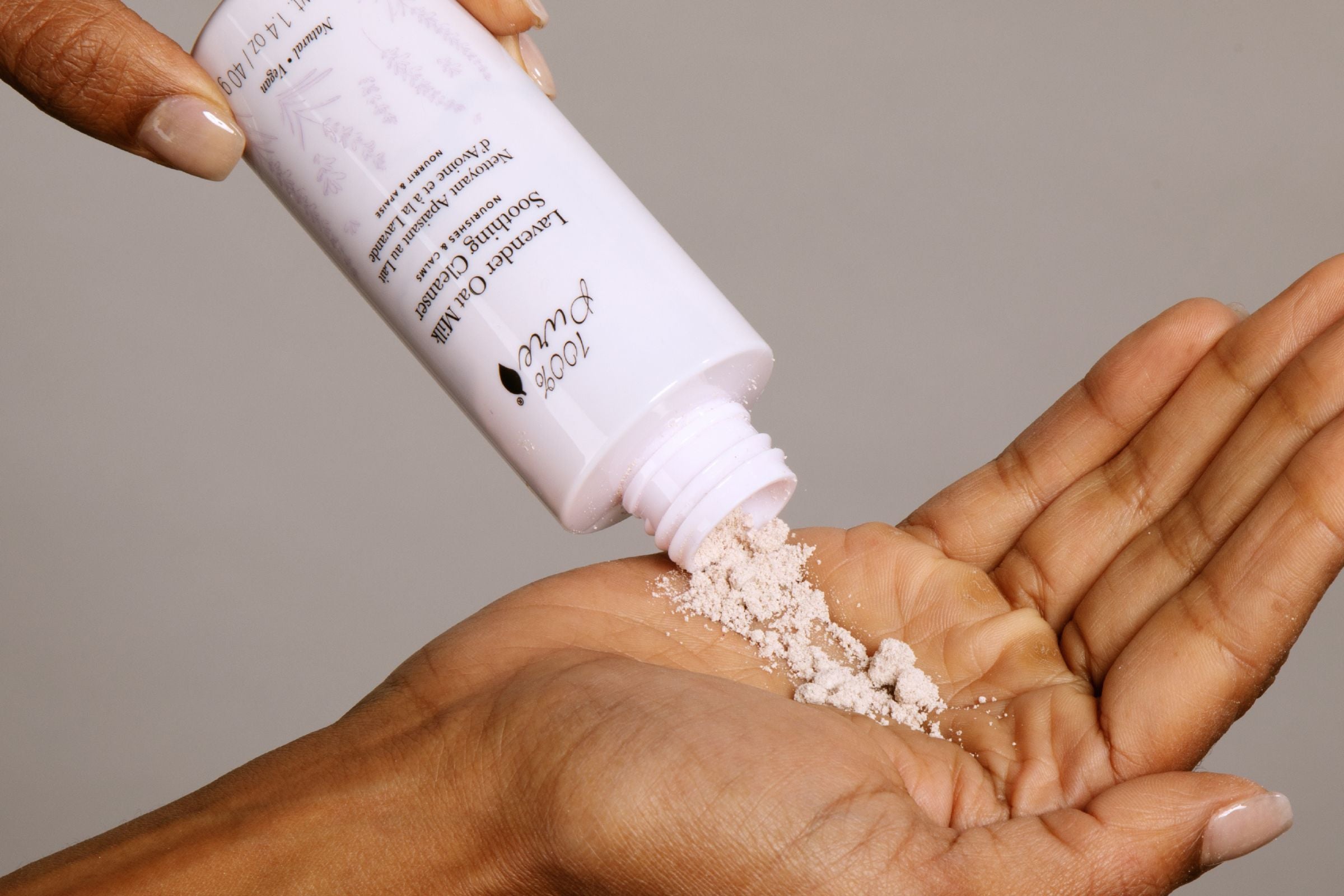
Lavender Oat Milk Soothing Cleanser:
Imagine a gentle cleansing experience reminiscent of lavender fields and warm oatmeal baths. This soothing cleanser combines the moisturizing properties of colloidal oatmeal with the purifying benefits of lavender oil, oat milk, and the restorative properties of echinacea, making it an essential addition to your skincare routine for calming sensitive skin.
Green Tea EGCG Concentrate Cream:
Infused with the powerful antioxidant properties of green tea, this cream acts as your skin’s best ally against environmental damage, harsh winter weather, and sensitivities.
Rose Water Hydrating Milk:
Nothing hydrates the skin quite like a blend of rose hydrosol and hyaluronic acid. This ultra-lightweight moisturizer delivers a gentle touch of hydration, perfect for those days when your skin feels parched. It’s an essential addition to your skincare arsenal for combating dryness.
Restorative Sea Culture Replenishing Serum:
This ultra-light gel serum is crafted to deeply nourish and hydrate dry skin cells. Powered by mineral-rich sea kelp and algae extract, along with hyaluronic acid, this serum helps achieve plump, supple skin while reducing redness and irritation.
Yerba Mate Mist SPF 30:
Your go-to product for sun protection, this lightweight mist infused with nourishing yerba mate provides antioxidant-rich defense against free radicals that can cause UV damage and premature aging. The soothing scent of safflower seed oil adds an extra layer of comfort to your skincare routine.
Addressing Common Concerns About Rosacea in Winter
Can rosacea worsen permanently if not managed properly in winter?
The cold, dry air and harsh winds typical of winter can intensify the symptoms of rosacea, leading to increased dryness and redness. Without a dedicated winter skincare routine, your rosacea could worsen, potentially leading to long-term complications.
Are there any specific fabrics I should avoid wearing to prevent flare-ups?
Certain fabrics can trigger rosacea flare-ups, either by trapping heat (like polyester) or irritating the skin (such as wool). Opt for breathable materials like 100% cotton, bamboo, or silk to minimize irritation.
How can I distinguish between rosacea flare-ups and normal skin reactions to cold?
To differentiate between a rosacea flare-up and a typical cold reaction, look for persistent facial redness that continues even after warming up, visible blood vessels, and bumps or pimples on the face. A burning or stinging sensation may also be present. In contrast, a normal cold reaction typically results in temporary redness that subsides quickly once indoors. If you experience significant redness, itchiness, or welts after exposure to cold, it may indicate a cold allergy (cold urticaria) rather than a typical response.
Is it safe to use facial oils if I have rosacea-prone skin?
Using facial oils on rosacea-prone skin can be safe when choosing non-comedogenic options like jojoba, rosehip, argan, apricot, or squalane. These oils are less likely to clog pores and irritate sensitive skin, but always conduct a patch test first and consult a dermatologist if you have concerns.
Can indoor exercise help or worsen rosacea symptoms in winter?
Indoor exercise during winter can worsen rosacea symptoms if the environment is too warm. The combination of increased body temperature from exercise and heated indoor air may

Sienna Blake is a licensed aesthetic consultant and beauty writer specializing in cosmetic surgery advancements and non-invasive treatments. With a background in dermatology and over eight years of industry experience, Sienna is passionate about helping people achieve confidence through informed beauty decisions. She holds a Bachelor's degree in Health Sciences and regularly collaborates with top plastic surgeons to stay at the forefront of aesthetic innovations. Outside of her work, Sienna enjoys traveling, skincare research, and practicing Pilates.
