


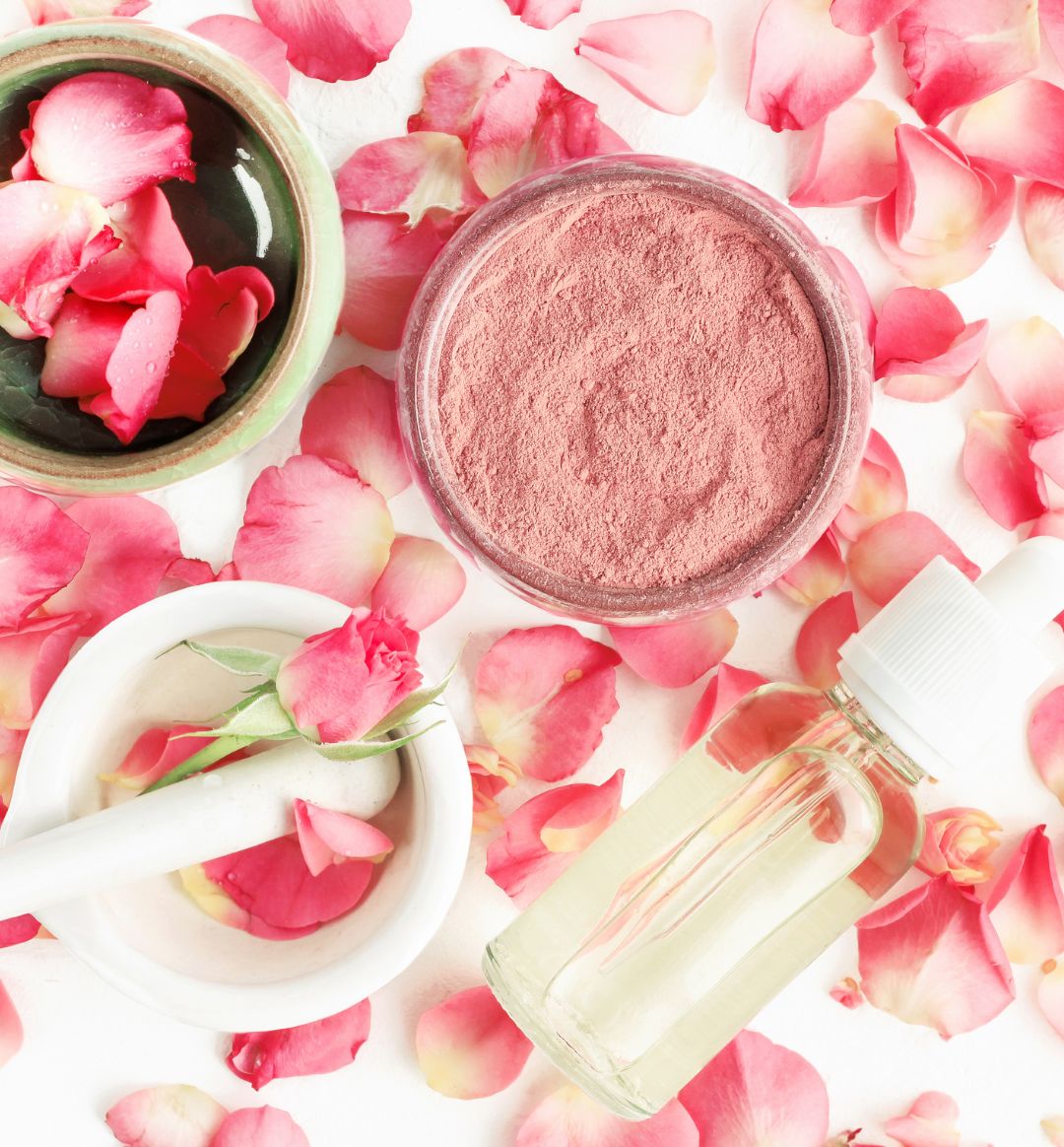
For centuries, rose petals have been cherished not only for their ethereal beauty and captivating fragrance but also for their remarkable benefits in skincare. This timeless ingredient, a fundamental component of natural skincare regimens across various cultures, continues to be esteemed for its powerful skin-enhancing properties. The allure of rose petals transcends mere aesthetics, delving into the core of holistic beauty practices. Their versatile nature allows for use in diverse forms—ranging from oils and extracts to fresh petals—each providing a distinct pathway to achieving radiant and healthy skin.
Rich in essential vitamins and antioxidants, rose petals play a crucial role in regenerating skin tissues, tightening pores, and imparting a natural glow. Their anti-inflammatory properties are effective in diminishing redness and soothing the skin, making them an excellent choice for all skin types, including sensitive and acne-prone skin. Additionally, the hydrating qualities of rose petals ensure that the skin remains moisturized, plump, and incredibly soft to the touch, enhancing overall skin texture and appearance.
Incorporating rose petals into your skincare routine can transform the experience, benefiting not only your skin but also your senses. Whether indulging in a luxurious rose petal bath, applying a soothing facial toner, or enjoying a rejuvenating mask, the benefits of rose petals are multifaceted and profound. In the following sections, we will delve into various methods to harness the skincare benefits of rose petals, turning your routine into an indulgent, fragrant journey towards achieving healthier and more luminous skin.
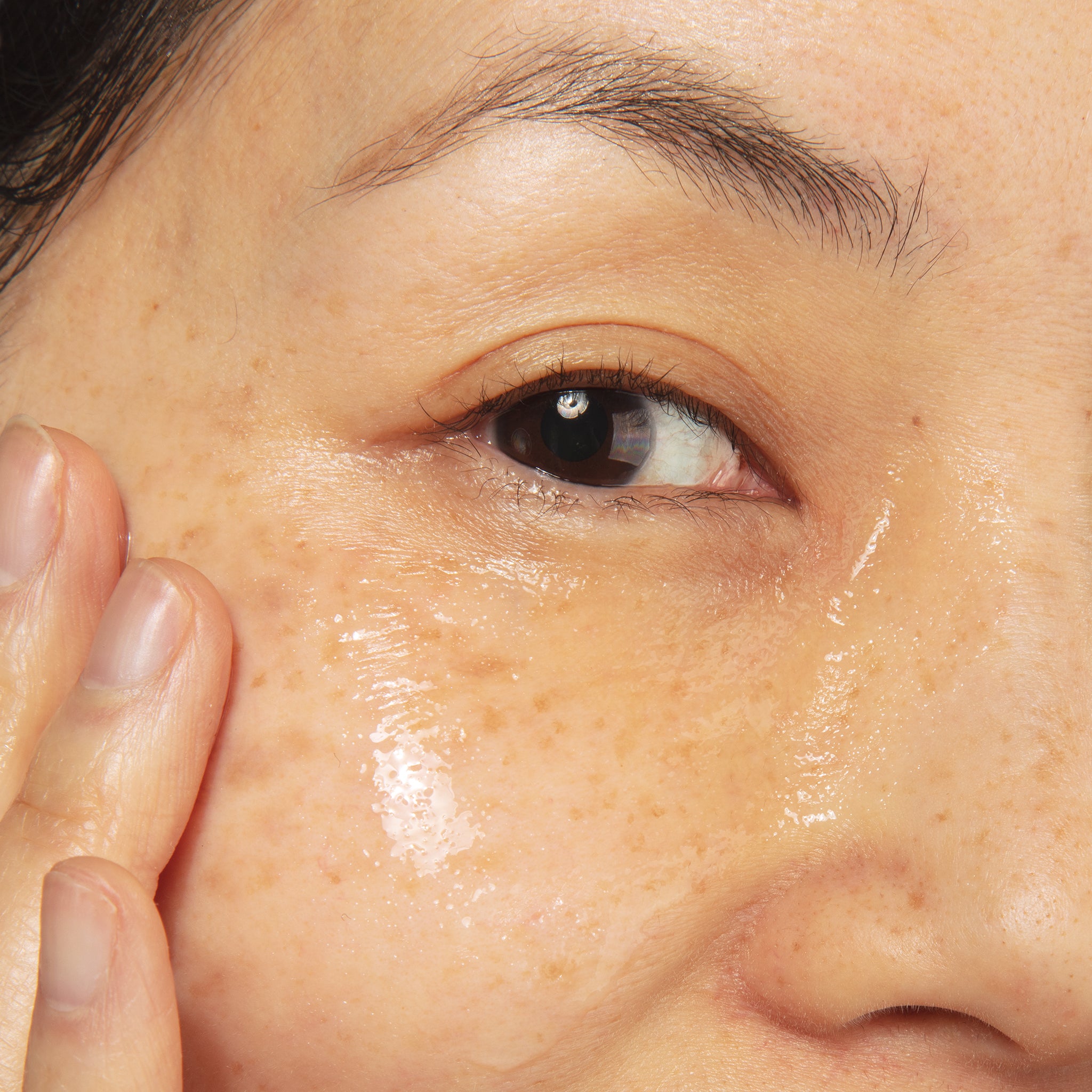
The Timeless Allure of Rose Petals in Skincare
Rose petals, with their delicate fragrance and soft texture, have long been emblematic of beauty and love. Yet, beyond their aesthetic charm, these blooms offer extraordinary benefits for skincare. The allure of rose petals extends into the realm of beauty treatments, where their natural properties have been harnessed to nourish, rejuvenate, and protect the skin. This segment of the article will explore the historical use of rose petals in skincare and delve into the myriad skin benefits they provide.
Historical Significance of Rose Petals in Skincare
The use of rose petals in beauty and skincare rituals has a rich history that spans thousands of years, with ancient civilizations such as the Egyptians, Romans, and Greeks recognizing their remarkable potential. Cleopatra, renowned for her beauty, is said to have bathed in rose water to maintain her youthful complexion. In Ayurveda, the ancient Indian system of medicine, rose petals have been traditionally employed to harmonize the mind, body, and spirit, especially in skincare formulations designed to enhance complexion and soothe irritated skin.
Historically, rose petals were distilled into rose water, pressed for oil, and incorporated into balms and poultices, celebrated for their healing properties. These traditional practices laid the foundation for modern skincare formulations that continue to honor the rose as a pivotal ingredient for its beauty-enhancing benefits. The historical significance of rose petals illustrates their enduring appeal and effectiveness in promoting skin health.
Unveiling the Skin Benefits of Rose Petals
The contemporary application of rose petals in skincare is supported by scientific research, revealing their rich composition of vitamins, minerals, and antioxidants. Below are the key skin-enhancing properties of rose petals that contribute to their efficacy:
Hydration: Rose petals are renowned for their exceptional hydrating properties, making them an excellent ingredient for moisturizing the skin. Their natural oils and sugars effectively lock in moisture, ensuring the skin remains smooth, plump, and youthful throughout the day.
Soothing Skin Irritation: The anti-inflammatory properties of rose petals render them ideal for calming the skin. They can significantly reduce redness, alleviate irritation, and provide relief from conditions such as eczema and rosacea, promoting an even skin tone and texture.
Enhancing Natural Radiance: Abundant in vitamin C and antioxidants, rose petals can brighten the skin and promote a radiant complexion. They actively combat free radicals, reduce the appearance of dark spots, and bestow a healthy, natural glow to the skin.
Antibacterial and Antiseptic Properties: Rose petals possess potent antibacterial and antiseptic qualities, making them beneficial in treating acne and preventing breakouts. They cleanse the skin thoroughly, removing dirt and bacteria without stripping away the skin’s natural oils, leading to a clearer complexion.
Toning and Tightening Effects: The astringent properties of rose petals help to tighten pores and tone the skin, contributing to a smoother, more youthful appearance. Regular use can lead to visibly refined skin texture.
How to Prepare Rose Petals for Skincare Use
The use of rose petals in skincare is a cherished tradition, celebrated for their natural healing and rejuvenating properties. To maximize these benefits, it’s essential to prepare your rose petals with care, ensuring they are clean, properly dried, and stored. Here’s a step-by-step guide on how to do it:
Sourcing and Cleaning Rose Petals
Choosing High-Quality Rose Petals: The first step in preparing rose petals for skincare involves sourcing high-quality, organic petals. Organic roses are cultivated without synthetic pesticides or fertilizers, ensuring your skincare regimen remains as natural and beneficial as possible. Look for suppliers or local farmers specializing in organic gardening, or consider growing your own roses for the highest quality. When selecting petals, choose those that are vibrant and fresh, showing no signs of wilting or blemishes, as these are indicators of their vitality and potency.
Cleaning Your Rose Petals: After sourcing high-quality rose petals, the next crucial step is to clean them thoroughly. This is essential to remove any dirt, insects, or residual pesticides (if not organically sourced). To clean the petals, gently rinse them under cool, running water, or soak them in a bowl of water mixed with a teaspoon of salt, which can help draw out impurities. Exercise care to avoid bruising the petals during this process. After rinsing, lay the petals out on a clean towel or kitchen paper and gently pat them dry.
Drying and Storing Rose Petals
Drying Your Rose Petals: Following the cleaning process, the petals require drying if you plan to store them for an extended period. Spread the petals out in a single layer on a clean, dry surface, avoiding direct sunlight to prevent fading their beautiful color. A well-ventilated room or a shaded area is ideal for drying. Alternatively, you can use a dehydrator set at a low temperature to preserve both their color and therapeutic properties. The drying process may take several days, depending on the method and environmental conditions. The petals are considered properly dried when they feel crisp to the touch.
Storing Dried Rose Petals: Proper storage is essential to maintain the integrity of your dried rose petals. Once completely dried, transfer the petals to an airtight container, preferably made of dark glass to protect them from light, which can degrade their quality over time. Label the container with the drying date to monitor freshness. Store the container in a cool, dark place, such as a cupboard or pantry, to preserve their color, fragrance, and therapeutic properties. When stored correctly, dried rose petals can remain effective for up to one year.
Stay Updated with Our Newsletter
for more blog updates and exclusive discounts
Seamlessly Integrate Rose Petals into Your Skincare Routine
Incorporating rose petal products into your daily skincare routine can significantly enhance your skin’s health and appearance. Rose petals are renowned for their hydrating, soothing, and anti-inflammatory properties, making them an ideal choice for individuals looking to elevate their skincare regimen with the power of natural ingredients. Below are effective methods to seamlessly integrate rose petal products into your daily skincare routine:
Morning Routine:
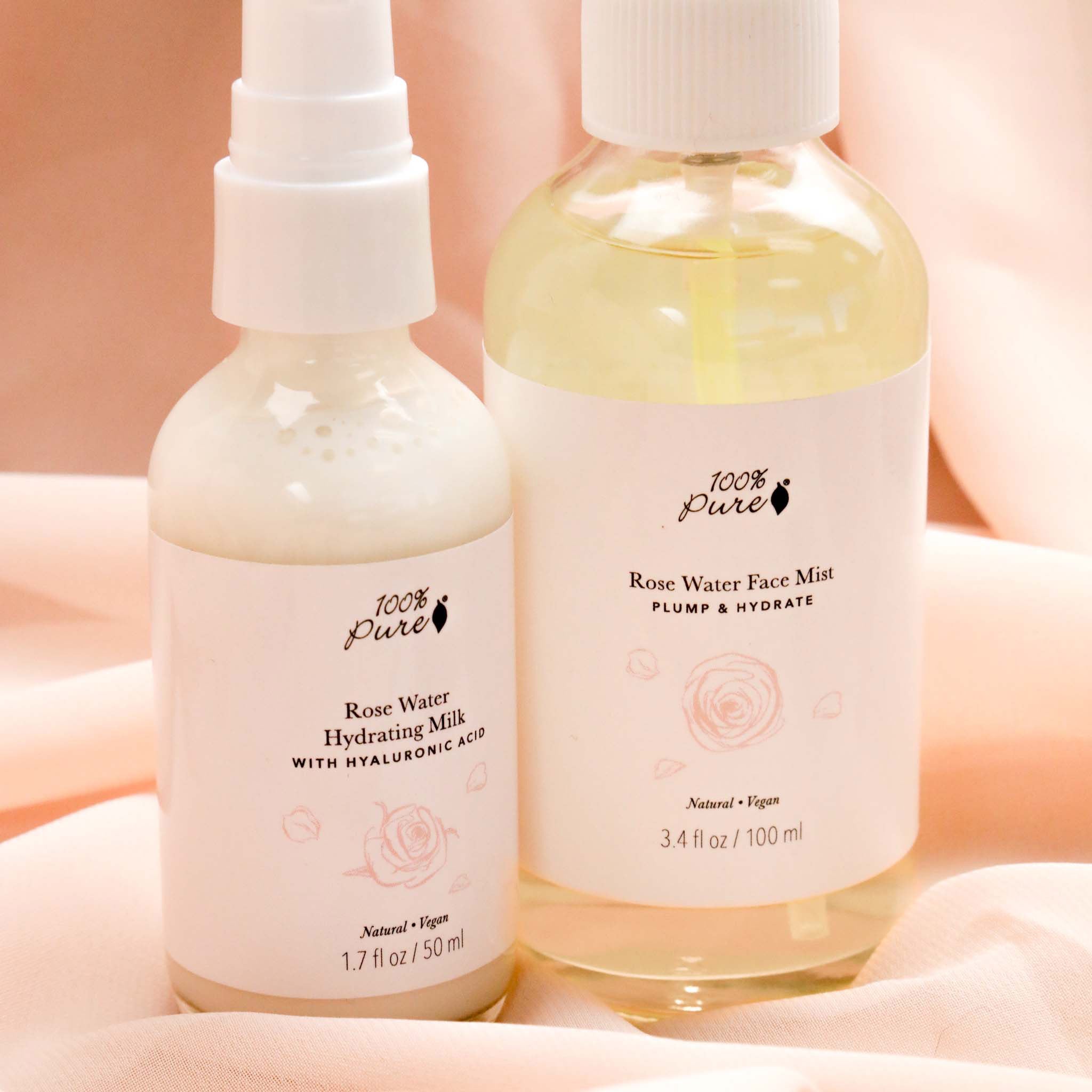
Start your day with the Rose Water Gel Cleanser: Gently cleanse your face with this soothing formula, ensuring your skin remains hydrated and pH balanced, thus providing a refreshing start to your day.
Next, apply the Rose Hyaluronic Acid Serum: After cleansing, apply this serum to damp skin to restore elasticity and provide deep hydration, preparing your skin for the day ahead.
Follow up with the Rose Water Hydrating Milk: This nourishing product locks in moisture, ensuring your skin remains hydrated and supple throughout the day.
Finish your morning routine by setting your skincare with the Rose Water Face Mist: A light mist will provide an additional boost of hydration and help set your makeup.
Evening Routine:
At the end of the day, start by removing makeup with Rose Micellar Cleansing Water: This gentle cleanser effectively removes makeup, sunscreen, and impurities accumulated throughout the day without stripping your skin of its natural oils.
For a thorough cleanse, follow up with a second cleanse using the Rose Water Gel Cleanser if you practice double cleansing, ensuring all residues are eliminated, leaving your skin perfectly clean.
Reapply the Rose Hyaluronic Acid Serum: Nighttime is ideal for a second application of this serum, allowing it to support your skin’s overnight recovery process.
Finally, moisturize with the Rose Water Hydrating Milk: This will help calm any redness or irritation and provide lasting hydration as you sleep.
Special Treatments
For occasions when your skin needs extra pampering or to target specific skincare concerns, consider incorporating these special treatments:
Weekly Rose Petal Face Mask: Create a soothing mask by mixing crushed rose petals with honey and a bit of rose water. Apply this mixture to your face for 15-20 minutes before rinsing with warm water. This mask can effectively soothe, hydrate, and brighten your complexion.
Make Rose Petal Ice Cubes: Freeze rose water in an ice cube tray and gently massage your face with a cube in the morning or as needed. This method can help reduce puffiness, tighten pores, and refresh your skin.
Indulge in a Rose Petal Bath Soak: For an ultimate relaxation experience, add rose petals and a few drops of rose essential oil to your bathwater. This not only soothes the skin but also provides a calming, aromatic experience to relax your mind and body.
By incorporating rose petal products into your skincare routine, you can leverage their natural benefits to achieve a healthier, more radiant complexion. Whether used daily or as part of special treatments, these rose-infused products offer a gentle, effective way to care for your skin.
FAQs: Unveil the Secrets of Rose Petals
Are Rose Petals Suitable for All Skin Types?
Absolutely! Rose petals are incredibly versatile and gentle, making them suitable for all skin types. Their natural anti-inflammatory properties are especially beneficial for calming irritated skin, reducing redness, and soothing conditions such as eczema and rosacea. For oily and acne-prone skin, rose petals can assist in balancing oil production and tightening pores, while their hydrating qualities are perfect for dry skin types. However, as with any skincare ingredient, it’s always advisable to perform a patch test before full application, particularly if you have sensitive skin.
How Often Can I Use Rose Petal Treatments?
The frequency of using rose petal treatments can vary based on the specific product and your skin’s individual needs. Gentle rose water toners or mists can typically be used daily for a refreshing boost. For more concentrated treatments like masks or serums infused with rose petal extracts, using them 2-3 times a week is generally sufficient. It’s vital to listen to your skin and adjust usage according to its response to these treatments.
Are There Any Side Effects Associated with Using Rose Petals?
Rose petals are generally safe for topical application, and side effects are rare. However, individuals with certain allergies, particularly to plants within the Rosaceae family, may experience allergic reactions. Signs of an allergic reaction could include itching, redness, or swelling. If you notice any adverse effects, discontinue use immediately and consult a dermatologist if necessary.
Can I Use Store-Bought Roses for My Skincare Needs?
While it is possible to use store-bought roses for skincare, it is crucial to ensure that they have not been treated with pesticides or other chemicals that could harm your skin. Opt for organic roses or those specifically labeled as safe for culinary use to avoid potential irritants. Roses sourced from florists or garden centers are often treated and may not be appropriate for direct skin application.
How Can I Preserve My Homemade Rose Petal Skincare Products?
Preserving homemade skincare products containing rose petals requires careful attention to prevent spoilage and maintain their beneficial properties. Refrigeration is a simple method that can extend the shelf life of fresh formulations like masks or toners, typically allowing them to last up to a week. For longer preservation, incorporating natural preservatives such as vitamin E, rosemary extract, or grapefruit seed extract can help maintain quality. Always use clean, sterilized containers for storage and create products in small batches to ensure freshness.
Exploring the Abundant Benefits of Rose Petals in Skincare
In our exploration of the multifaceted world of natural skincare, rose petals emerge as a remarkable ingredient, offering a multitude of benefits for the skin. Throughout this article, we have examined the various ways in which rose petals can enhance your skincare routine, from their potent anti-inflammatory properties that calm irritated skin to their rich antioxidant content that protects against environmental stressors. The natural oils found in rose petals can deeply moisturize, leaving the skin soft, supple, and radiant. Furthermore, their astringent properties aid in tightening pores and restoring youthful elasticity.
The versatility of rose petals allows for their incorporation into numerous skincare formulations, including facial toners, masks, and scrubs, making them a highly adaptable ingredient for addressing a wide range of skin concerns. Whether you aim to calm redness, hydrate dry skin, or simply achieve a healthy glow, rose petals provide a natural, fragrant, and effective solution.
We encourage you to embrace the beauty and efficacy of rose petals in your skincare routine. Experiment with DIY recipes or seek out products enriched with rose essence to harness these benefits. By integrating rose petals into your skincare practices, you’re not only indulging in their delightful aroma; you’re also tapping into centuries of beauty wisdom that celebrates the healing and beautifying properties of this enchanting flower.
Embrace the natural, fragrant, and effective skincare solutions that rose petals offer. Their ability to transform and rejuvenate the skin, combined with their sensory appeal, makes them a cherished ingredient in the realm of natural skincare. As we seek gentle yet powerful ways to care for our skin, the timeless allure and proven benefits of rose petals remind us of nature’s abundant gifts waiting to be explored.
var windowWidth,lazyLink,lazyImages,lazySource,lazyBackground,lazyIframe,lazyScripts,navigator_platform,lazyLoadedJS,src,style,datasrc,urls,analytics,s,x,i,j,flag;
function init(){flag&&(flag=0,load_all_js(),lazyLoadImg(),lazyLoadBackground(),lazyLoadIframe(),lazyLoadSource())}
function isElementInViewport
var a=t.getBoundingClientRect();
return a.top>=0&&a.left>=0&&a.bottom<=(window.innerHeight||document.documentElement.clientHeight)&&a.right<=(window.innerWidth||document.documentElement.clientWidth)
}
function insertAfter(newNode, referenceNode) {
referenceNode.parentNode.insertBefore(newNode, referenceNode.nextSibling);
}
function isElementInView
var a=t.getBoundingClientRect();
return a.top(window.innerHeight/2||document.documentElement.clientHeight/2)
}
function lazyLoadLink(){
lazyLink.forEach(function
t.href=null==t.dataset.href?t.href:t.dataset.href
})
}
function lazyLoadImg(){
lazyImages.forEach(function
null!=(src=windowWidth<600?null==t.dataset.mobsrc?t.dataset.src:t.dataset.mobsrc:t.dataset.src)&&(t.src=src),t.classList.remove("lazy2")
})
}
function lazyLoadImg2(){
lazyImages.forEach(function
isElementInViewport
})
}
function lazyLoadSource(){
lazySource.forEach(function
t.srcset=null==t.dataset.srcset?t.srcset:t.dataset.srcset
})
}
function lazyLoadBackground(){
lazyBackground.forEach(function
lazybg=windowWidth<768?null==t.dataset.mobstyle?t.dataset.style:t.dataset.mobstyle:t.dataset.style,null!=lazybg&&(t.style=lazybg),t.classList.remove("lazybg")
})
}
function lazyLoadIframe(){
lazyIframe.forEach(function
t.src=null==t.dataset.src?t.src:t.dataset.src
})
}
function lazyLoadScripts(){
j!=lazyScripts.length&&("lazyload2"==lazyScripts[j].getAttribute("type")?(lazyScripts[j].setAttribute("type","lazyloaded"),void 0!==lazyScripts[j].dataset.src?((s=document.createElement("script")).src=lazyScripts[j].dataset.src,document.body.appendChild(s),s.onload=function(){j++,lazyLoadScripts()}):((s=document.createElement("script")).innerHTML=lazyScripts[j].innerHTML,document.body.appendChild(s),j++,lazyLoadScripts())):(j++,lazyLoadScripts()))
}
function lazyLoadCss
(s=document.createElement("link")).rel="stylesheet",s.href=t,document.getElementsByTagName("head")[0].appendChild(s)
}
function lazyLoadJS
if(lazyLoadedJS)return setTimeout(function(){lazyLoadJS
}
function wnwAnalytics() {
var script2 = document.querySelectorAll(".analytics");
script2.forEach(function(analyticsScript) {
trekkie.integrations=false;
s = document.createElement("script");
s.innerHTML = analyticsScript.innerHTML;
insertAfter(s, analyticsScript);
analyticsScript.parentNode.removeChild(analyticsScript);
});
}
document.addEventListener("DOMContentLoaded",function(){windowWidth=screen.width,lazyLink=document.querySelectorAll("link"),lazyImages=document.querySelectorAll("img.lazy2"),nolazyImages=document.querySelectorAll("img.lazy"),lazyBackground=document.querySelectorAll(".lazybg"),lazyIframe=document.querySelectorAll("iframe"),lazySource=document.querySelectorAll("source"),lazyScripts=document.getElementsByTagName("script"),navigator_platform=navigator.platform,i=0,j=0,flag=1,window.addEventListener("scroll",function(){init()}),window.addEventListener("mousemove",function(){init()}),window.addEventListener("touchstart",function(){init()}),"Linux x86_64"!=navigator_platform&&init(),setTimeout(function(){init()},60000)});
function load_all_js() {
// console.log("Yes-optimization");
lazyLink=document.querySelectorAll("link");
lazyLoadLink();
/*
lazyLoadJS("storefront-a2d444786d996da5634fbbaeeffe6104ee672440dfa6cdcaebfb27dceaaf9c0f.js?v=20220906");
lazyLoadJS("analytics.js");
lazyLoadJS("consent-tracking-api.js");
lazyLoadJS("features-1c0b396bd4d054b94abae1eb6a1bd6ba47beb35525c57a217c77a862ff06d83f.js");
lazyLoadJS("zendesk-embeddable.js?579967&shop=100-pure.myshopify.com");
lazyLoadJS("tracker.js/834c66d4-6a7e-46f8-b2d6-ad2dbf6148b9?shop=100-pure.myshopify.com&sp-cache-control=cHVibGljLCBtYXgtYWdlPTkwMA");
lazyLoadJS("https://www.googletagmanager.com/gt
