


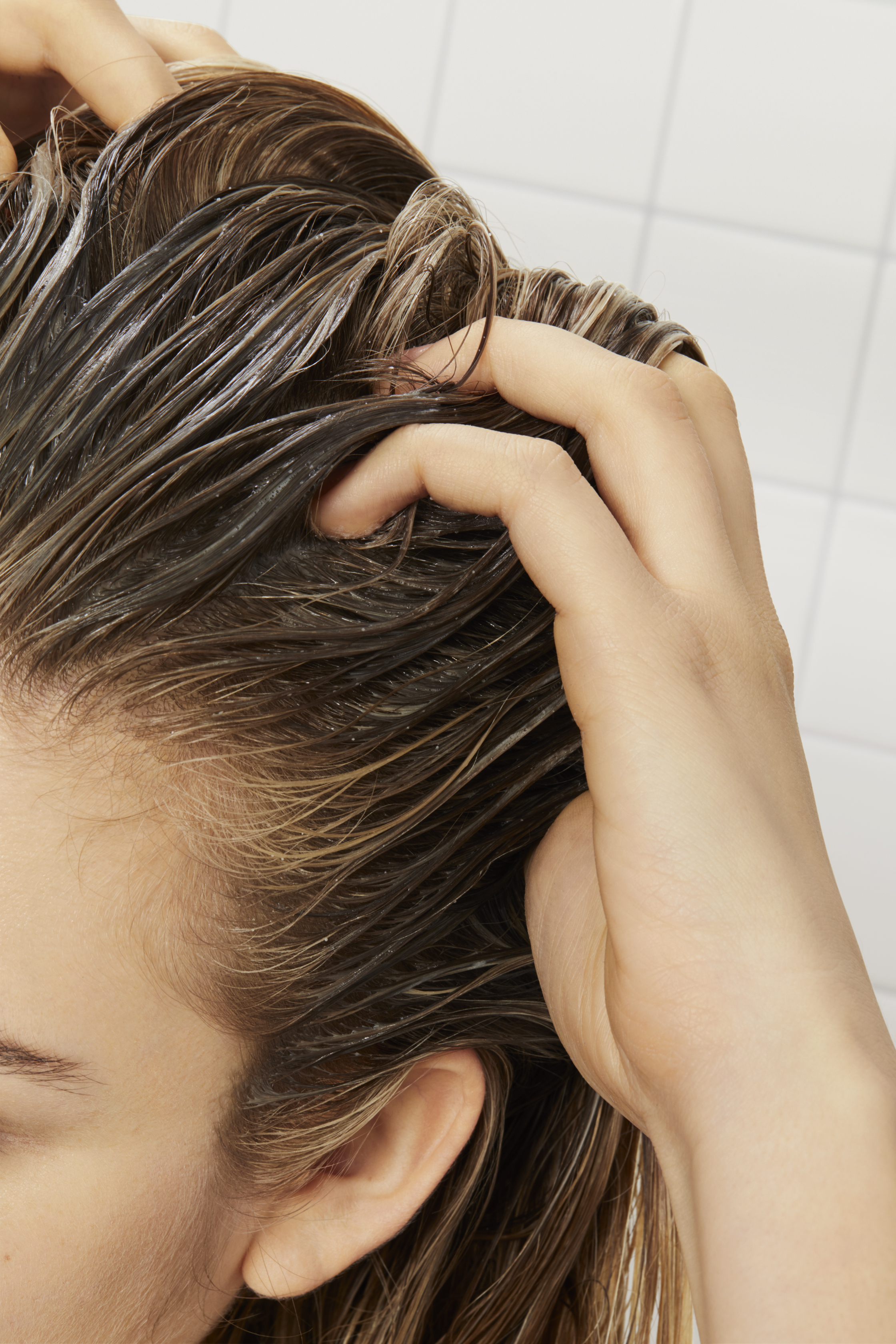
Discover How Tight Hairstyles Like Ponytails Can Lead to Scalp Discomfort
While everyone enjoys the sleek appearance of a well-styled hairdo, it’s crucial to recognize that frequently wearing tightly pulled-back hairstyles can lead to discomfort in the upper regions of your scalp. Styles such as high ponytails, buns, or braids can create unnecessary tension on the scalp, potentially damaging hair follicles over time.
When you opt for tight hairstyles, your hair may begin to break away from the roots, which can lead to issues such as splitting and weakened strands. It’s important to consider the condition of your hair as well; for instance, wearing your hair in a wet updo can exacerbate the problem. Wet hair is particularly fragile and susceptible to breakage due to its expanded state, and as it dries, the tension on the hair increases significantly.
Moreover, sleeping with your hair pulled up in a bun can further compromise your hair’s health and contribute to scalp irritation. Although an updo can keep your hair neatly out of your face during the night, it can also tug at your roots as you shift positions while sleeping. To minimize this risk, consider using a soft scrunchie if you prefer to keep your hair up overnight.
Effective Strategies to Alleviate Scalp Pain from Tight Hairstyles
One of the simplest solutions to combat scalp pain caused by tight hairstyles is to let your hair down. While a polished hairstyle can enhance your look, it’s advisable not to maintain such styles throughout the entire day or on a daily basis. Additionally, allowing your hair to flow freely while you sleep can significantly reduce the strain on your roots. Instead of tying it up for bed, consider using a silk bonnet to protect your hair.
Furthermore, when styling your hair, opt for soft cloth or satin hair ties instead of traditional elastic bands, which can lead to breakage due to their grip. On days when you’re not wearing a tight updo, choose looser hairstyles that provide your hair with a much-needed break and promote overall scalp health.
Understanding How Migraines Can Result in Scalp Sensitivity and Pain
Scalp discomfort may also stem from other underlying health issues, particularly for those who suffer from migraines. This phenomenon, known as allodynia, occurs when nerve cells in the brain become hyperactive, resulting in an increased sensitivity to pain. Consequently, during a migraine attack, even gentle hair movements may cause significant discomfort.
The American Migraine Foundation indicates that individuals experiencing migraines may find even light touches, such as a tap on the shoulder or the pressure from a hat, to be painfully intense. Although this pain may seem to originate from the skin, it is often a result of misfiring signals within the nervous system. The more frequently migraines occur, the more likely it is that individuals will experience this heightened sensitivity.
Recommended Approaches to Manage Migraine-Related Scalp Pain
The most effective approach to mitigating scalp pain related to migraines often involves medication. It is essential to consult with a healthcare professional to discuss your symptoms and determine if migraine medications are suitable for you. If your doctor agrees, it’s advisable to take your prescribed migraine medication at the onset of symptoms to prevent allodynia from developing. Communicating the connection between your migraines and scalp discomfort to your doctor is crucial, as it may highlight a risk factor for more frequent migraine episodes.
Additionally, seeking the guidance of a headache specialist can provide you with tailored treatment options that address your specific needs and help manage your migraine symptoms more effectively.
Identifying the Impact of Hair Washing Frequency on Scalp Health
Maintaining healthy hair can be quite challenging, particularly when it comes to determining the optimal frequency for washing your hair. Inadequate washing can lead to scalp pain, as infrequent cleansing may not provide sufficient stimulation to your scalp, resulting in an accumulation of oils and flakes that can irritate sensitive skin.
Conversely, excessive washing can create similar problems. Over-washing your hair can cause your scalp to overproduce oils, leading to dryness and brittleness in your hair. It’s vital to recognize that individual hair needs can vary significantly based on factors such as age, activity level, hair texture, and hair type.
Practical Solutions for Finding the Right Hair Washing Routine
As previously mentioned, determining the correct washing frequency can be tricky. Striving to maintain the pH balance of your hair is essential, and a general guideline suggests washing your hair every two to three days. However, it’s important to remain flexible and adjust this schedule based on your unique circumstances.
If you’ve been washing your hair daily, it may take time for your scalp to adapt to a reduced washing frequency. Your oil glands may be overstimulated, leading to a greasy sensation in your scalp. Patience is key, as your scalp and hair will eventually rebalance themselves.
Additionally, be cautious when using dry shampoo between washes. Bacteria can accumulate in unwashed hair, leading to product buildup on your scalp. When you do use dry shampoo, apply it sparingly to your roots and crown, ensuring that you select a product with natural, non-clogging ingredients.
Take Charge of Your Scalp Health with Simple Lifestyle Adjustments
Scalp pain can arise from various sources, but many of these issues are manageable and can lead to immediate relief. Making small adjustments, such as allowing your hair to flow freely and opting for gentler hair ties, can greatly enhance the overall health of your hair and scalp.
While some changes may require a minor adjustment to your daily routine, the benefits to your hair follicles and scalp health are undoubtedly worth the effort. Be sure to find a washing routine that aligns with your hair type and personal schedule.
Lastly, while a high ponytail may be a trendy hairstyle, it’s wise to incorporate a variety of looks to prevent unwanted consequences, such as hair loss or scalp discomfort.
[ad_2]
Source link