


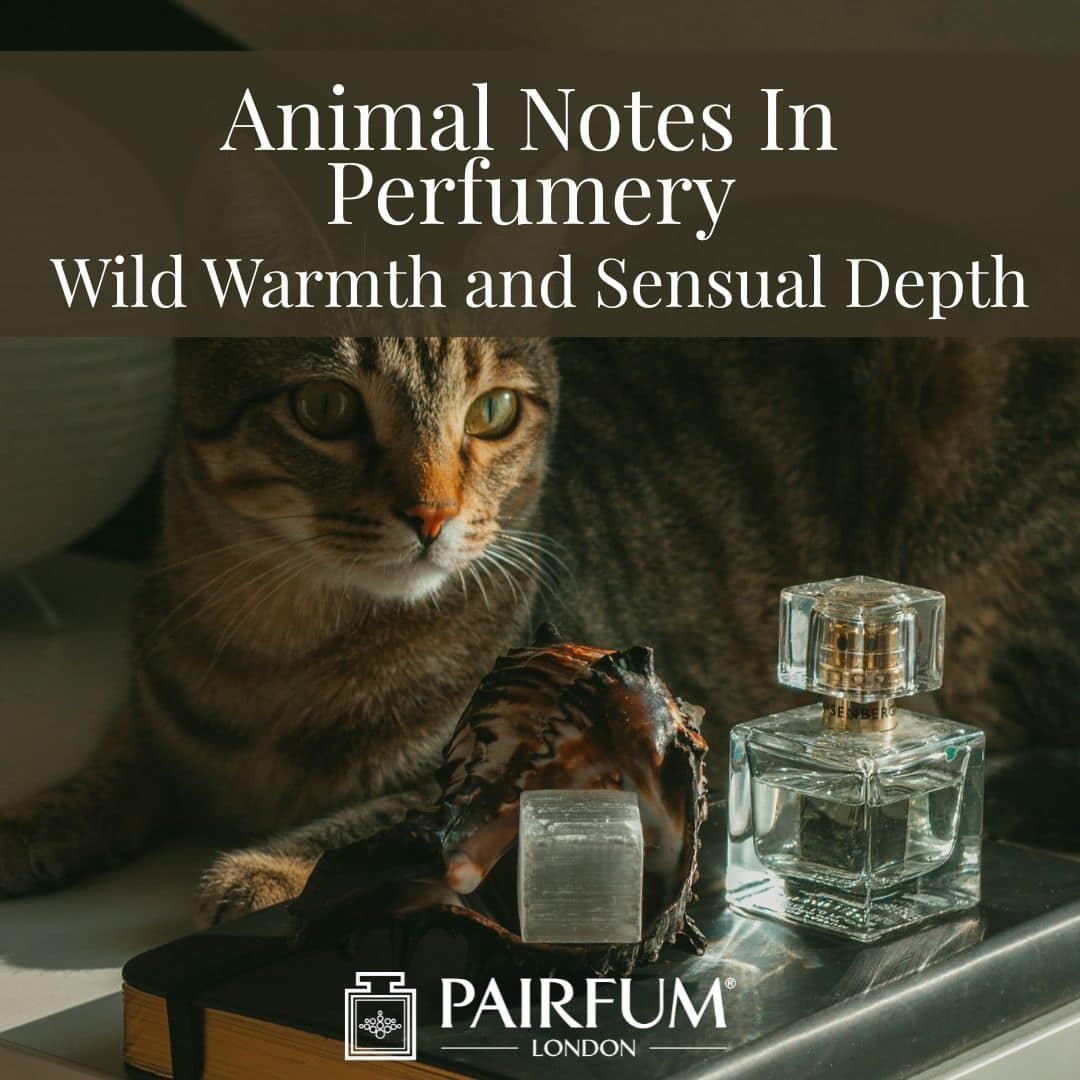
Key Insights
- Definition: Animal notes in perfumery are scents derived from animal sources, contributing warmth and richness to fragrances.
- Synthetic Alternatives: Ethical concerns have led to the shift towards synthetic versions of animal notes in modern perfumery.
- Historical Significance: Animal notes have been integral to perfumery for thousands of years, often associated with luxury and status.
- Modern Use: Today, animal notes enhance fragrance compositions by providing depth and longevity.
Animal notes in perfumery refer to scents originally obtained from animals, which contribute richness, warmth, and sensuality to fragrance compositions while helping to fix the perfume for lasting wear. Although musk, civet, and castoreum were once taken directly from animal secretions, most animal notes in modern perfumery are now created from synthetic alternatives because of ethical concerns and animal welfare standards. Some less controversial animal-derived ingredients, such as beeswax and ambergris, may still be used, but synthetics are now the primary choice.
Perfumes can transport us, their scented bouquets whisking us away on captivating journeys. Among the layers of notes encountered in this aromatic voyage, animal notes stand out as mysterious and enticing components. For those unfamiliar, animal notes might initially raise an eyebrow, but in perfumery, these special notes are essential for adding depth and a unique sense of sensuality. With their ability to bring warmth and complexity, animal notes turn the ordinary into something memorably extraordinary.
The charm is found in both their enigmatic character and their enduring intrigue. Once you gain some insight, it’s easy to see why perfumers regard them with such reverence. Whether it’s a gentle hint of warmth or a more pronounced sense of sensuality, animal notes beckon fragrance lovers to discover the artful world beneath the surface.
What Are Animal Notes? A Definition and Their Role in Perfume
Animal notes refer to a unique set of scent facets in perfumery. Created either from natural substances or by synthetic means, they are meant to echo aromas that once originated from animals or from the landscape where animals roam. Rather than capturing the precise scent of an animal, perfumers often seek to recreate tactile sensations – the feeling of warm skin, natural habitats, or the earthy musky presence of an animal living peacefully in the wild.
These notes are described as musky, leathery, balsamic, or sometimes even slightly sweet, salty, wild, or earthy. Previously, they were often extracted from animal products. Now, nearly all animal notes are designed in laboratories to ensure animal welfare is protected. Whether their source is from an animal or crafted synthetically, animal notes continue to be highly valued for the texture, sensuality, richness, and longevity they give to compositions. In modern perfumery, animal fragrance notes often form the base of a fragrance, weaving through the perfume and enveloping the other notes, creating an experience that lingers.
The Sensory and Olfactory Experience of Animal Notes
Experiencing animal notes in fragrance is both intimate and evocative for humans and for animals. Enthusiasts describe how animal notes in perfume connect deeply with the skin, conjuring sensations of comfort, nostalgia, softness, and warmth. Musk is a prime example; although rooted in animal origins, musk offers a creamy, powdery, and enduring warmth when blended with carefully balanced notes.
Civet, a classic animal note, gives off an earthy undertone described as slightly humid, reminiscent of shadows that add dimension to a painting. In the hands of a skilled perfumer, civet enhances and uplifts the floral and spicy notes around it. Ambergris, occasionally referred to as “floating gold,” combines subtle scents: a sea breeze, sun-kissed skin, and a gentle hint of animalic warmth. Castoreum, historically taken from beavers, reveals a leathery, smoky aroma sometimes likened to vintage books, tobacco, and antique leather. Its scent has even made subtle appearances in food and food advertisements.
Such notes are seldom fixed in a single state. Their impressions may shift across hours, with animal notes starting quietly beneath brighter top notes before gradually revealing their fuller personality once the fragrance is on your skin. This transformation heightens the allure, turning a fragrance into a loyal companion that tells a story over time.
Animal notes also interact beautifully with other notes in perfumery—whether evoking memories of food, suggesting the land and earth, or reminding a person of music’s harmonies. Blending animal notes can produce an orchestral effect across a composition, much as Alan Fishbone observed that perfume occupies a place alongside music and other arts.
The History and Origins of Animal Notes
Animal notes hold a history that stretches back many thousands of years. Links between ancient societies, food sources, cultural rituals, and the art of scent all wind through the history of animal notes in perfumery. In the era of the ancient Egyptians, animal products burned in incense were thought to please the gods or act as wards against demons. In China and the Middle East, animal notes like musk and civet were prized ingredients, aligning perfume with luxury and claims of healing benefits.
As centuries passed, animal perfume notes became woven into the fabric of cultural life in Europe as well. Nobility during the medieval and Renaissance periods placed high value on fragrances built on animal notes such as ambergris, civet, and musk. These luxury notes held the double purpose of conferring status and overcoming the scent of animal fat or tallow used in other products and personal rituals.
Rare animal notes were so sought-after that their value sometimes eclipsed that of gold or a precious banknote. Perfume formulas containing animal notes were considered trade secrets, closely held by master perfumers. Their blending was compared to the flair and vision of a German Expressionist painter: bold, impassioned, and original. Myths and stories often featured families, children, birds, and expeditions in search of new sources of rare animal notes to craft the most distinguished compositions for the powerful and elite.
A Broader Spectrum of Animalic Notes and Modern Alternatives
While musk, civet, ambergris, and castoreum are the historic mainstays of animal notes, innovations in animal-themed fragrances now include animalic notes from non-animal sources as well.
Honey Absolute: Produced from honeycomb, this note lends a waxy, sweet quality and may carry a subtle animalic warmth. It is cherished, especially in vegan and natural compositions for its affinity to classic animal notes.
Costus Root: Though plant-derived, the oil from costus root delivers a ‘dirty’ aroma, calling to mind wet wool or the warmth of animal skin and muscle. Due to regulation, natural costus is rarely used, but today’s animal notes often rely on synthetic costus to produce similar effects.
Hyrax (Africa Stone): Derived from solidified excretions of the rock hyrax, hyrax combines dryness, musky sweetness, and hints of several animal notes, often used in niche and luxury perfumes.
Labdanum: A natural resin from the cistus shrub, labdanum is leathery, sweet, and sensually rich, and lets a vegan perfumery create compositions echoing animal warmth in non-animal products. Blended with earthy notes like patchouli, oakmoss, or subtle spices, it offers complexity that was once possible only with animal origin.
The majority of animal notes in use today are built in laboratories. Ingredients such as muscone for musk, civetone for civet, and Ambroxan or Ambrox to emulate ambergris from sperm whale origin appear widely in innovative products. Through reproducing the feel of animal notes, these synthetic materials enable vegetarians and ethical consumers to enjoy fragrances with nuanced depth and warmth.
Types of Animal Notes
Musk
First obtained from the musk deer living in Asia, the animal note, musk, has become legendary in perfumery. Musk notes bring a musky, creamy, and enveloping character that fuses smoothly with a person’s unique skin chemistry. Now, musk is synthesised almost exclusively, preserving the musk deer and other animals, such as birds, for future generations. Musk remains beloved in perfumery for its unmatched sensuality and for prolonging scents on the skin.
Civet
Civet is a standout among animal notes, once sourced directly from the civet animal. On its own, civet can seem intense, but used with care in compositions, it brightens up florals and spices, endowing depth and a radiant warmth. Civet’s presence has helped define many legendary perfumes, and new industrial techniques mean that today’s civet notes are almost always synthetic, ensuring animals are not harmed.
Ambergris
Ambergris is a substance once gathered from the digestive tracts of sperm whales, later cast up by ocean currents. Its distinctive character as an animal note offers wonderful softness, long-lasting effect, and a whisper of marine freshness. Ambergris notes, now expressed almost entirely using Ambroxan, Ambrox, or similar molecules, keep the essence alive without any risk to whales, birds, or ocean creatures.
Castoreum
Traditionally acquired from the castor sacs of beavers, castoreum supplies a leathery, smoky note with unmistakable animalic richness. Most modern castoreum notes are constructed using synthetic molecules, allowing perfumers to honour animalic warmth and complexity whilst upholding ethical standards for animals.
Delving into these animal notes provides perfumers with an unmatched palette with which to express themselves, offering every fragrance its own distinctive identity, echoing the warmth of land, the touch of skin, and the ageless link between humans, animals, and nature.

The Allure and Controversy of Animalic Scents
Animal notes often spark passionate debate in the world of perfumery. Their profound sensuality, richness, and magnetic qualities are matched only by the controversy that sometimes surrounds them. For centuries, perfume featuring animal notes represented not just wealth but almost magical power. Artworks and old advertisements depicted these animal notes as the essence of prestige and allure.
Modern awareness about ethics, vegetarian choices, and animal welfare, however, now influences how consumers view animal notes. Many people (especially vegetarians or vegans) prefer products free from animal products, so most animal notes are now achieved using synthetic alternatives. This ensures everyone can enjoy the heat and depth that animal notes lend, even if they choose not to use animal-derived materials.
Nonetheless, animal notes maintain a loyal following. Perfume connoisseurs appreciate their ability to animate a composition and to define the personality of the person wearing it. Even sceptics can be won over by the role animal notes play in lending balance, harmony, and depth, rather than simply dominating the entire scent profile.
Uses of Animal Notes in Modern Perfumery
Animal notes remain vital in modern fragrance compositions. They offer warmth, prolong scents, and turn a collection of notes into a story that is intricate and long-lasting. As base notes, animal notes anchor and elevate florals, woods, or spice notes within a perfume.
In addition, animal notes such as musk serve as fixatives, ensuring the fragrance holds on the skin. As a pivotal note in perfumery, musk also blends rough edges, enhances delicate notes, and delivers an intimate, memorable touch. Vegan or not, the use of animal notes is often the thing that allows perfumery to move from ordinary to extraordinary, linking memories with emotion and individual skin chemistry.
Animal Notes and Everyday Life
The presence of animal notes is not limited to perfumes alone. Sometimes, traces of these notes, or more commonly their synthetic versions, appear in a variety of products – from candles to luxury soaps – echoing long-standing associations with comfort and warmth. Historical uses of animal fat and tallow in certain foods further demonstrate the foundational link between animal products and our daily routines. The curious use of animal notes or animal-derived ink in a banknote exemplifies how far-reaching this class of notes can be.
At Pairfum London, ingredient transparency is a priority, and every effort is made to ensure all products are free from animal fat, tallow, and animal products. Many of our fragrances are appropriate for vegetarians and vegans. The aim is always to offer information and educate customers about the artistry, provenance, and benefits of animal notes and all that goes into the compositions.

Extraction Methods and Synthetic Alternatives
In the past, animal notes were produced by extracting materials from the organs of animals or as by-products of the food and perfume industry. Musk points to the musk deer, civet from civet animals, ambergris from the sperm whale, and castoreum from beavers are just several key examples. Almost all animal notes in current perfumery are achieved through synthetic means, preserving both animals and our wider environment, and preventing harm to humans or to the land.
Creative perfumery now depends on the skill involved in producing molecules that can echo animal notes without requiring the use of animal organs or muscle tissue. These lab-based animal notes offer a sustainable solution, delivering the distinctive sensuality, depth, and warmth needed in modern perfumery. Thus, from children to adults, users can enjoy high standards of safety, transparency, and care.
Iconic Perfumes Featuring Animal Notes
Some of the most enduring fragrances owe their magic to animal notes, such as:
Subtle animal notes enrich its musky base, giving steady warmth beneath its classic floral heart and aldehyde notes. The effect is a lasting sense of both elegance and modernity.
The interplay of notes in Shalimar is supported by a signature note of ambergris, imbuing the composition with a luxuriant, mysterious depth alongside vanilla and iris.
Joy by Jean Patou
Joy stands as a testament to how bold white florals like jasmine and rose blend with the animal note of civet, creating a refined, layered finish.
Fragrances from niche brands, especially those by Serge Lutens, are also celebrated for weaving together animal notes such as musk, ambergris, and civet. This expands the creative range for what these notes can contribute to scent.
Tips for Discovering and Wearing Animalic Fragrances
If animal notes intrigue you, the best approach is to try them on your skin rather than testing on a paper blotter, as many animal notes reveal subtle nuances only with skin warmth and chemistry. Consider beginning with lighter perfumes in which animal notes play only a supporting part, such as a faint hint of musk or honey, before moving to richer perfumes where animal notes are center stage.
Discover the Enigmatic Charm of Vegan and Animal-Free Fragrances with Pairfum London
At Pairfum London, we are committed to crafting luxurious fragrances that are entirely vegan and free from animal-derived ingredients, while still capturing the depth and complexity traditionally associated with animal notes. Our eau de parfum collection is meticulously designed to evoke the same rich, sophisticated allure, using innovative plant-based ingredients and expertly blended accords. Each fragrance delivers a distinctive olfactory experience, proving that elegance, intensity, and refinement can be achieved without the use of animal products.
Fragrance Library Perfume Experience by Pairfum London
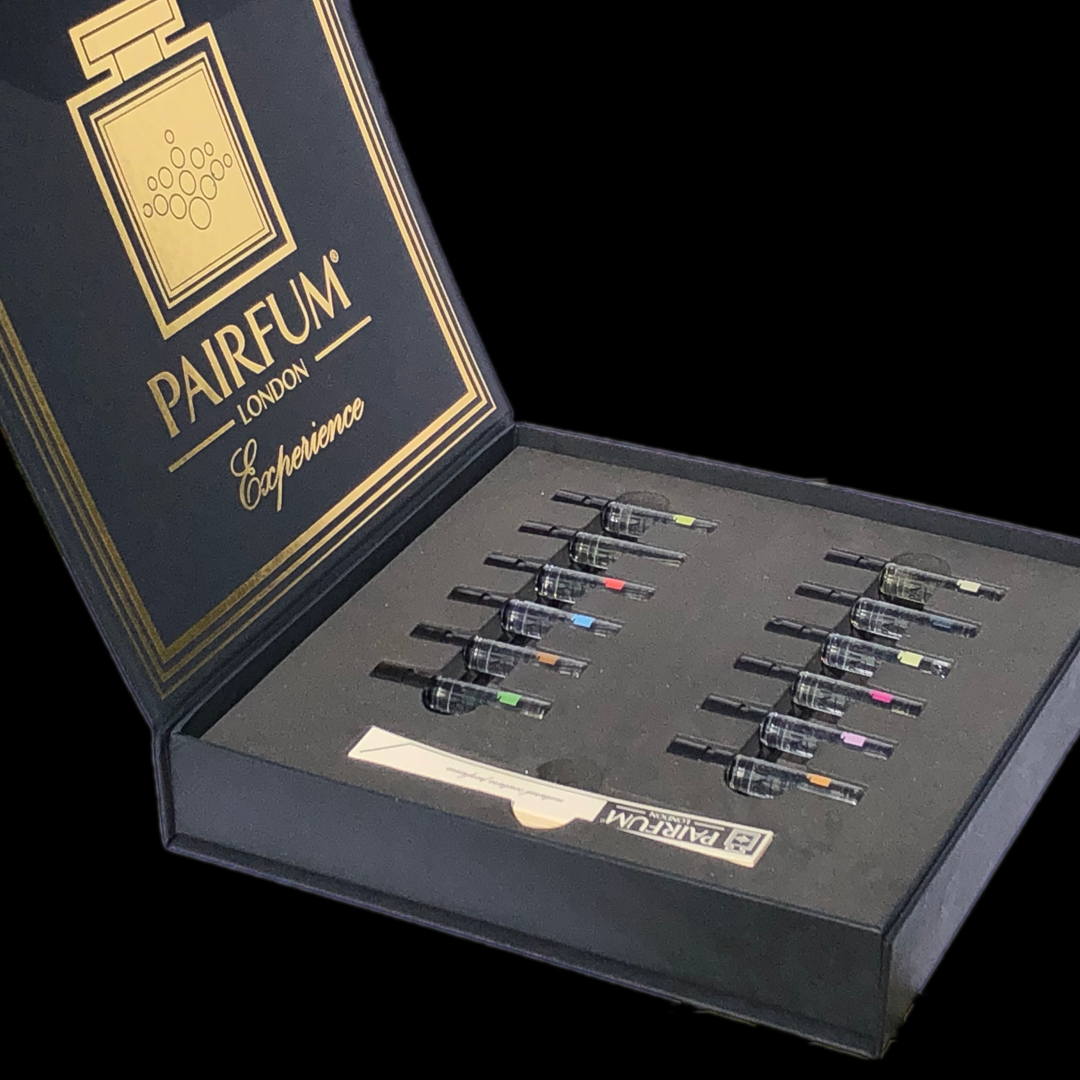
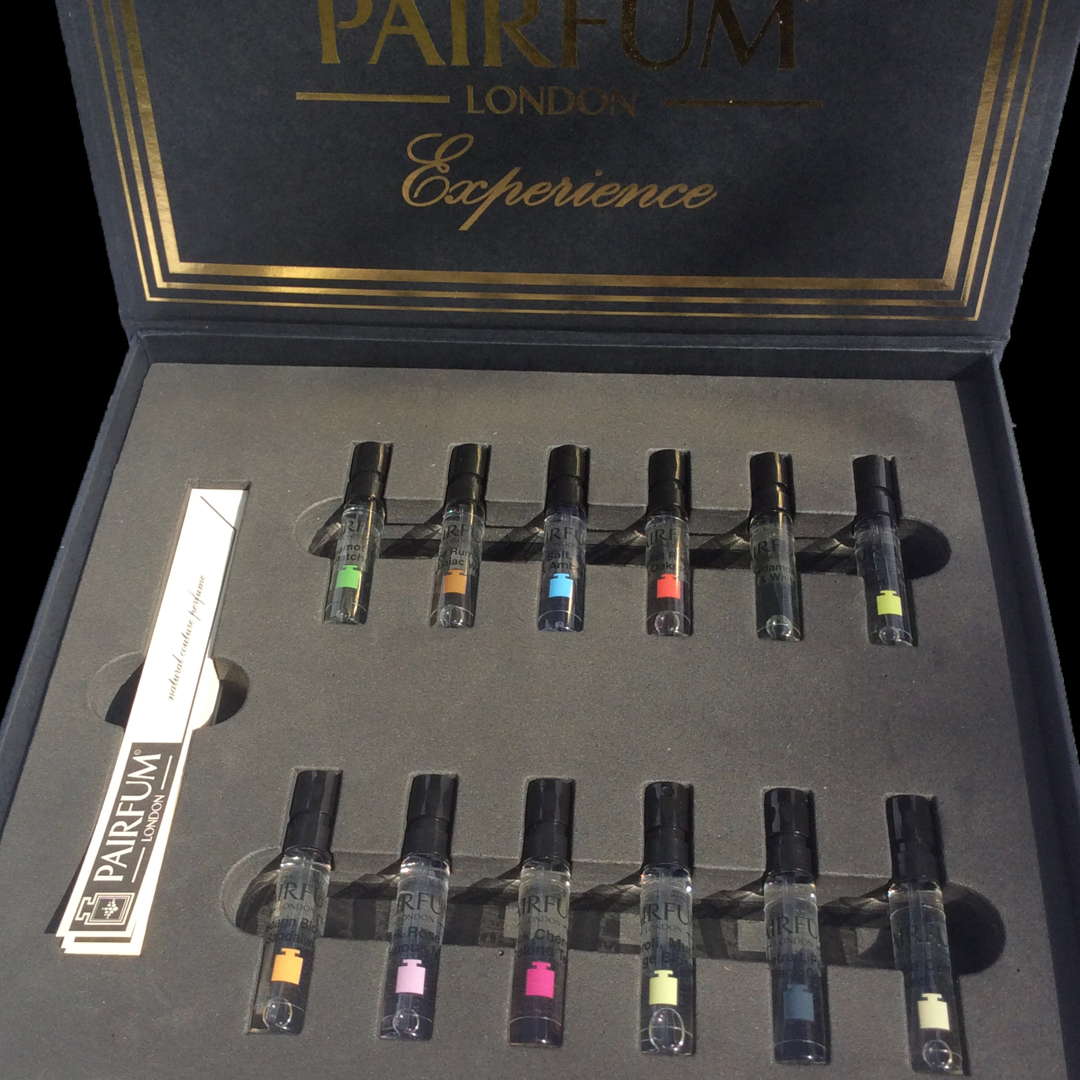
For those looking to explore animal-free fragrances in all their variety, the Pairfum London Fragrance Library Perfume Experience Box Collection offers an ideal introduction. This thoughtfully curated set features a selection of elegant, naturally-inspired perfumes, each crafted to embody the values of clean beauty: purity, transparency, and sustainability. Perfect as a gift or for personal discovery, order the Perfume Experience Box and enjoy sophisticated scents while supporting a brand committed to ethical ingredients and responsible luxury.
Conclusion
Animal notes remain an essential chapter in the story of perfumery, celebrated for their ability to bring depth, warmth, and a sense of sensuality to fragrance compositions. While once sourced directly from animals, modern innovation now allows us to recreate these captivating notes using ethical, animal-free alternatives. At Pairfum London, we are proud to offer perfumes that are completely free from animal products, providing the artistry and richness of animal notes with care for animals and respect for ethical values. We invite you to experience the unique allure and benefits of animal notes, reimagined in a truly animal-friendly way.