


“`html
Key Highlights
- Origin: Hyacinth is a spring perennial bulb native to the eastern Mediterranean.
- Symbolism: Different colors of hyacinths convey distinct meanings, such as sincerity for blue and joy for pink.
- Cultivation: Hyacinths thrive in well-drained soil and can be grown indoors or outdoors.
- Fragrance: The scent of hyacinths is a blend of sweet, spicy, and aquatic notes, making them popular in perfumery.
Hyacinth holds a revered position in the perfume world for its captivating aroma and timeless allure. With its distinct floral bouquet, it has long enchanted those with a passion for fragrance. This beautiful flower does not merely offer a pleasing aroma, it embodies a rich tapestry of history and cultural significance. Hyacinth’s ability to capture the imagination and create an air of elegance is unmatched, making it cherished in both perfumery and gardens.
The allure of hyacinth lies in its delicate balance of freshness and depth. Its floral tones, intertwined with green and sweet components, create a perfume experience that feels both vibrant and comforting. Perfume enthusiasts admire the versatility of hyacinth, since it can thrive as a note on its own or blend harmoniously with other ingredients. This duality makes it ideal for crafting memorable perfumes and experiencing as a fragrant flower in nature.
The Hyacinth Flower: Origins and Botany
Hyacinth is a spring perennial bulb belonging to the genus Hyacinthus orientalis, often simply referred to as h orientalis. It is native to the eastern Mediterranean and the Middle East, thriving in rocky slopes and open meadows before being cultivated widely across Western Europe. Today the common hyacinth is one of the most cultivated spring flowering bulbs anywhere in the world.
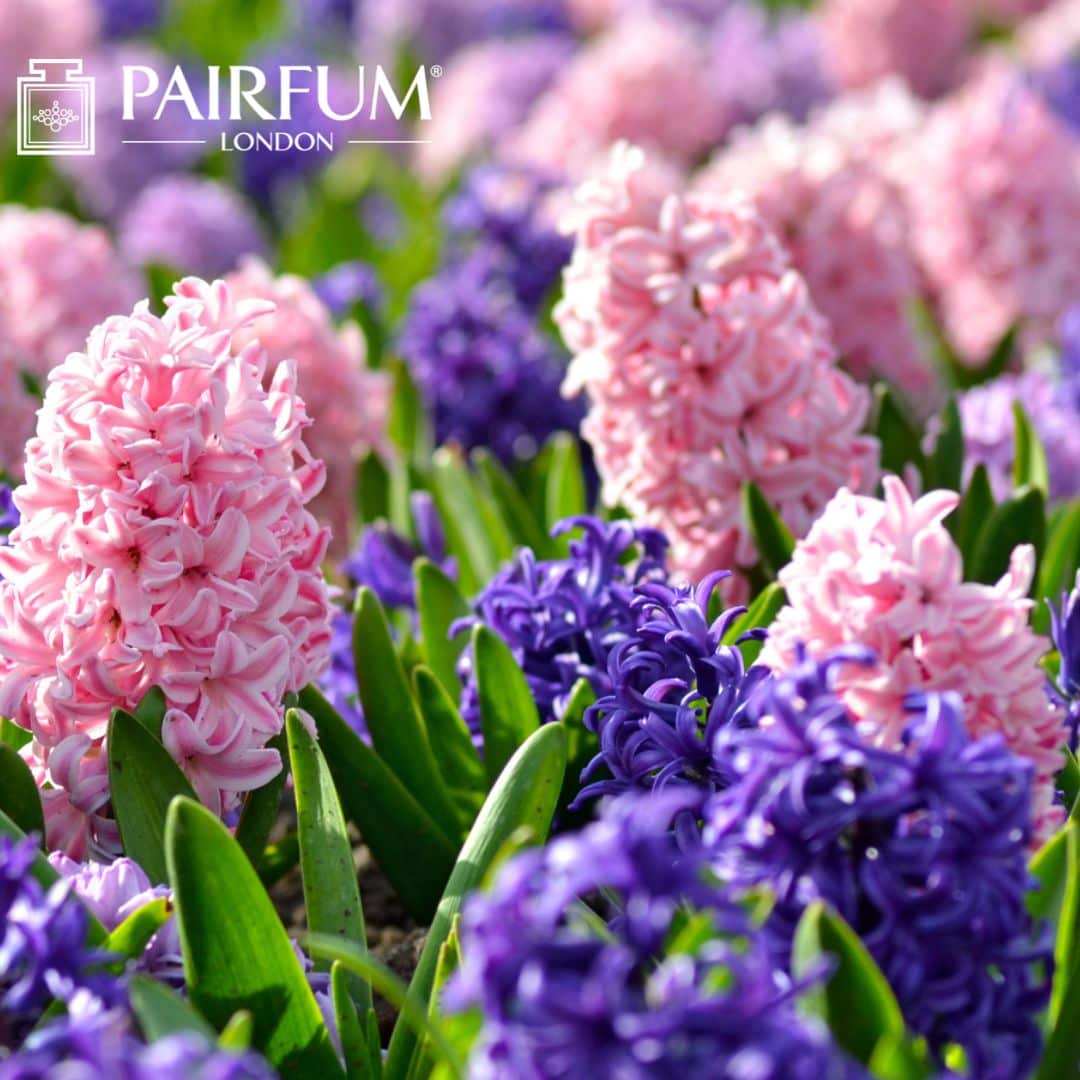
Each hyacinth plant emerges from a single bulb and grows upright leaves with a central stem that supports a dense cluster known as a flower spike. These flower spikes are heavily laden with blossoms, ranging in colour from deep purple and blue hyacinths to soft pink hyacinths, delicate white hyacinths and creamy yellows. This diversity has made hyacinthus orientalis one of the most treasured symbols of spring bloom.
The beauty of the hyacinth flower lies not just in its colours but in its fragrance. A single hyacinth bulb produces an intensely fragrant flower that can perfume an entire room. Historically, historians and horticulturalists alike have noted that hyacinths were used as early as Ancient Greek times for their charm and fragrance.
The History of Hyacinth
Hyacinths have a fascinating history stretching back millennia. According to Ancient Greek mythology, the hyacinth flower sprouted from the blood of Hyacinthus, a beloved youth of Apollo. This tale forever linked hyacinths with beauty, love, tragedy and rebirth.
During the Ottoman Empire, hyacinths were highly esteemed alongside the tulip. Hyacinth bulbs were cultivated for both ornamental gardens and religious ceremonies. In the 17th century Western Europe experienced “bulb mania,” when Peter Stuyvesant imported large collections of tulip bulbs and hyacinth bulbs to New Amsterdam, helping cement their popularity. At this time, possessing hyacinths was a symbol of wealth and refinement.
Hyacinths also became important in the Middle East, where their perfume was used in celebration, rituals and medicinal traditions. The ability of hyacinth plants to bridge the cultural, artistic and horticultural spheres is what makes them such a compelling story even today.
Symbolism and Meaning of Hyacinths
Hyacinth symbolism varies by colour and cultural tradition. Blue hyacinths represent sincerity and constancy, while purple blossoms suggest spirituality. Pink hyacinths embody joy, affection and playfulness. White hyacinths are associated with innocence, reverence and purity. Yellow hyacinths, though less common, symbolise lightness and cheer.
In many traditions, hyacinth plants stand for rebirth and the return of spring. Their annual blooming cycle, awakening from winter to flourish in spring, reflects themes of renewal and hope.
Grape hyacinth is a separate plant group, known as Muscari, which bears clusters of tiny blue bell-shaped flowers. Grape hyacinths are different from hyacinthus orientalis in fragrance, but they often grow nearby in the same gardens, enriching biodiversity and attracting beneficial insects.
Types of Hyacinth
There are different forms of hyacinth plant varieties:
- Dutch Hyacinth: Large vibrant spikes with strong scent from bulbs bred extensively in Western Europe. The Dutch hyacinth is widely planted in gardens and is most familiar to European horticulture.
- Roman Hyacinth: Lighter flowering spikes with a green, airy fragrance that bloom earlier than the common hyacinth.
- Persian Hyacinth: Earthier tones, sometimes muskier, adding depth to both gardens and perfumes.
When you plant hyacinths in carefully prepared soil with compost added, you can enjoy strong flowering in spring. Hyacinthus orientalis cultivars such as Blue Jacket are particularly beloved for their intense colour.
Gardening, Planting and Hyacinth Care
Hyacinths are most often planted as perennial bulbs in autumn for spring flowering. To plant hyacinth bulbs, select a fertile, well-drained site that receives full sun or partial shade. The bulbs should be planted around 10 to 15cm deep with the pointed side up. Always space hyacinth bulbs evenly to allow for air circulation and balanced growth.
Proper hyacinth care includes regular water during dry spells, but be cautious not to leave bulbs sitting in waterlogged soil as this causes rot. Adding compost improves drainage and nourishes the bulb for repeated flowering across multiple seasons.
Hyacinths can also be planted in pots, containers, borders, and beds. They are frequently forced indoors during winter so that indoor hyacinths can bloom ahead of the outdoor season. Many households keep hyacinths indoors in a hyacinth vase which allows the roots to sit just above water without the bulb itself being submerged. This method is a beautiful way to enjoy hyacinths indoors and is known as hyacinth bulbs indoors growing.
Hyacinth bulbs indoors should be kept cool and dark until root growth occurs, before being moved into warmth and light so flowering can occur. Indoor hyacinths in pots offer the fragrance of spring in wintertime.
Gardeners today often plant hyacinths alongside tulips, daffodils, and grape hyacinths to create colourful displays and attract beneficial insects to the garden each spring.
What Does Hyacinth Smell Like?
The scent of hyacinthus orientalis is considered one of the most recognisable in perfumery. The fragrance is powerful yet refined. Hyacinths deliver a blend of sweet, spicy, aquatic and powdery facets that make them adaptable in fragrance design. The bloom of a blue hyacinth may offer slightly cooler fresher tones, while pink hyacinths exude a tender sweetness.
Whether experienced outdoors in a spring garden or as a recreated aroma in fine fragrances, each hyacinth bloom reminds us why this beautiful flower has been admired for centuries.
Extracting the Essence
The process of capturing a hyacinth flower’s scent has always been challenging. As a perennial bulb, the blossoms of hyacinth plants are delicate. Early perfumers relied on enfleurage and later solvent extraction. Today, because natural extraction is expensive and yields are small, headspace analysis is often used to recreate the exact fragrance of a flowering spike from a hyacinth plant.
Some extraction highlights the green aspects of the orientalis bloom, while others retain more creamy powdery notes. This helps perfumers position hyacinths either as a top note or as part of a more blended composition.
Iconic and Historic Associations
Hyacinth has not only inspired perfume but also history, art and garden culture. In the 18th century hyacinth bulbs commanded high prices in Western Europe. Collectors treated them as highly as tulips. The presence of hyacinth plants in grand homes and botanic collections underlined their value.
The common hyacinth became the symbol of spring in European gardens, while the grape hyacinths naturalised in meadows created carpets of blue. The graceful white hyacinth was often depicted in paintings, representing innocence and spirituality. Hyacinths have inspired botanical illustrations, pottery, textiles and poetry.
Blooming Indoors and Out
Hyacinths are equally captivating outdoors in borders and indoors in containers or decorative pots. Gardeners often plant hyacinth bulbs in autumn to produce flowering clusters in spring. To plant hyacinths indoors for winter bloom, bulbs are pre-chilled and later placed in water in a hyacinth vase or grown in pots filled with compost.
The spectacle of flowering hyacinths indoors during dark winter months has been popular for centuries in Western Europe. Whether grown in a container, kept as indoor hyacinths, or arranged among tulips and daffodils in a spring display, hyacinths remain one of the most celebrated seasonal blooms.
Hyacinth Top Notes with Pairfum London
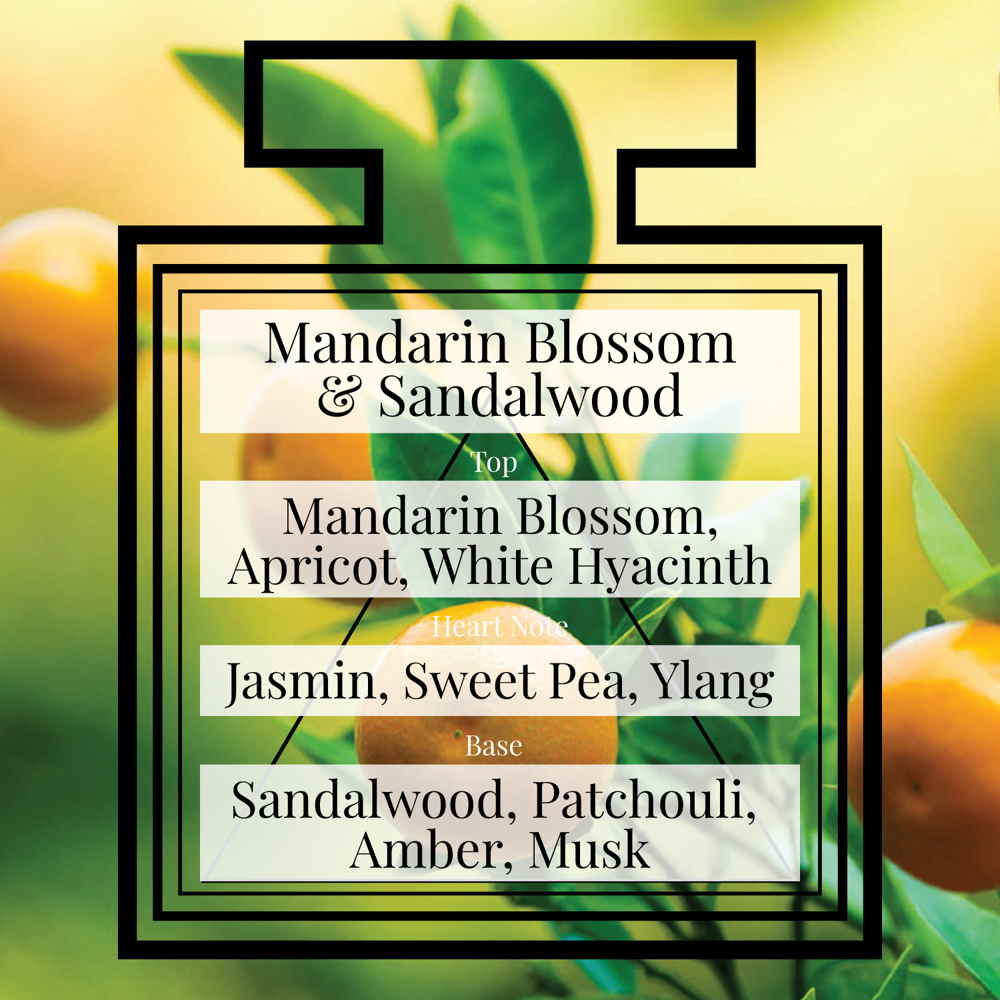
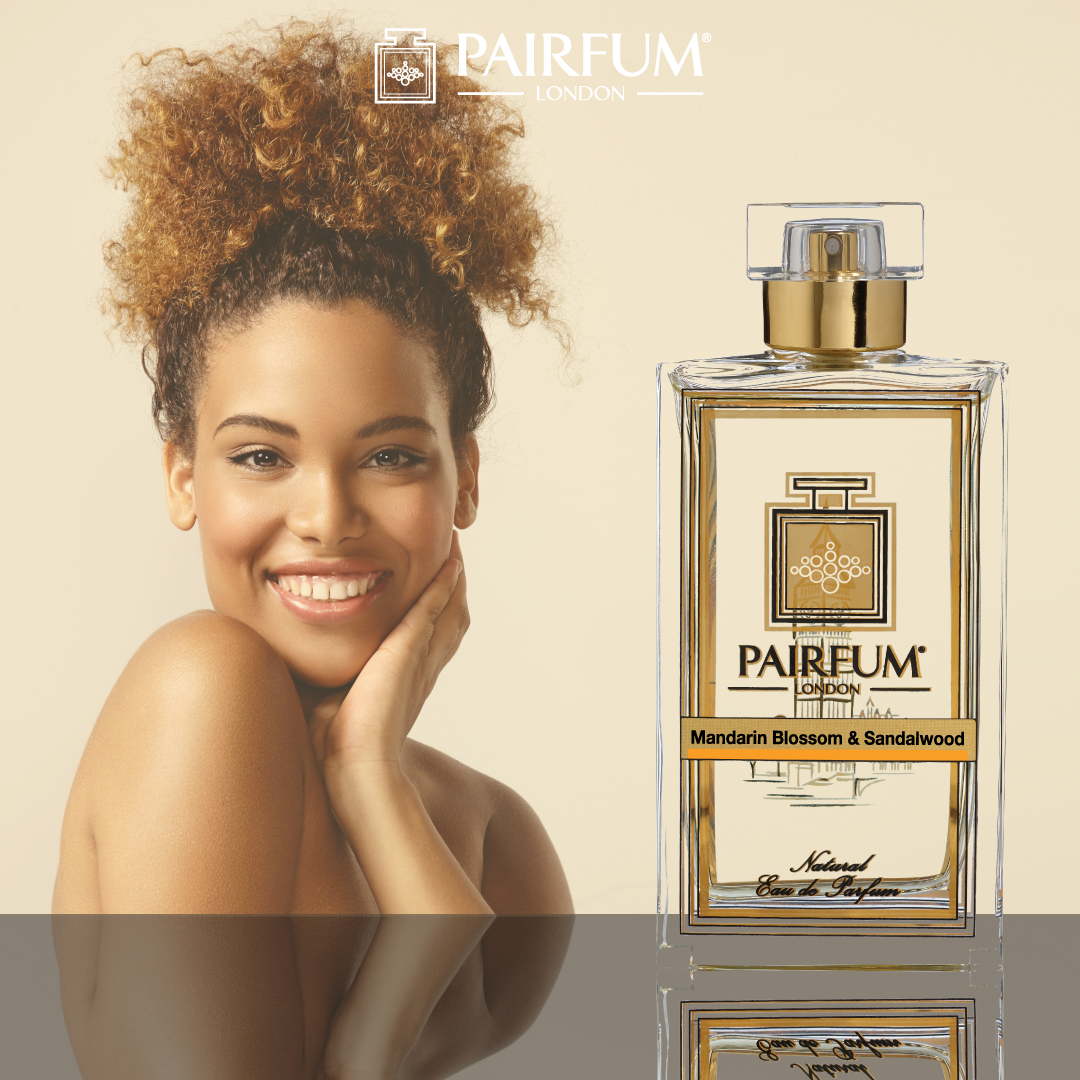
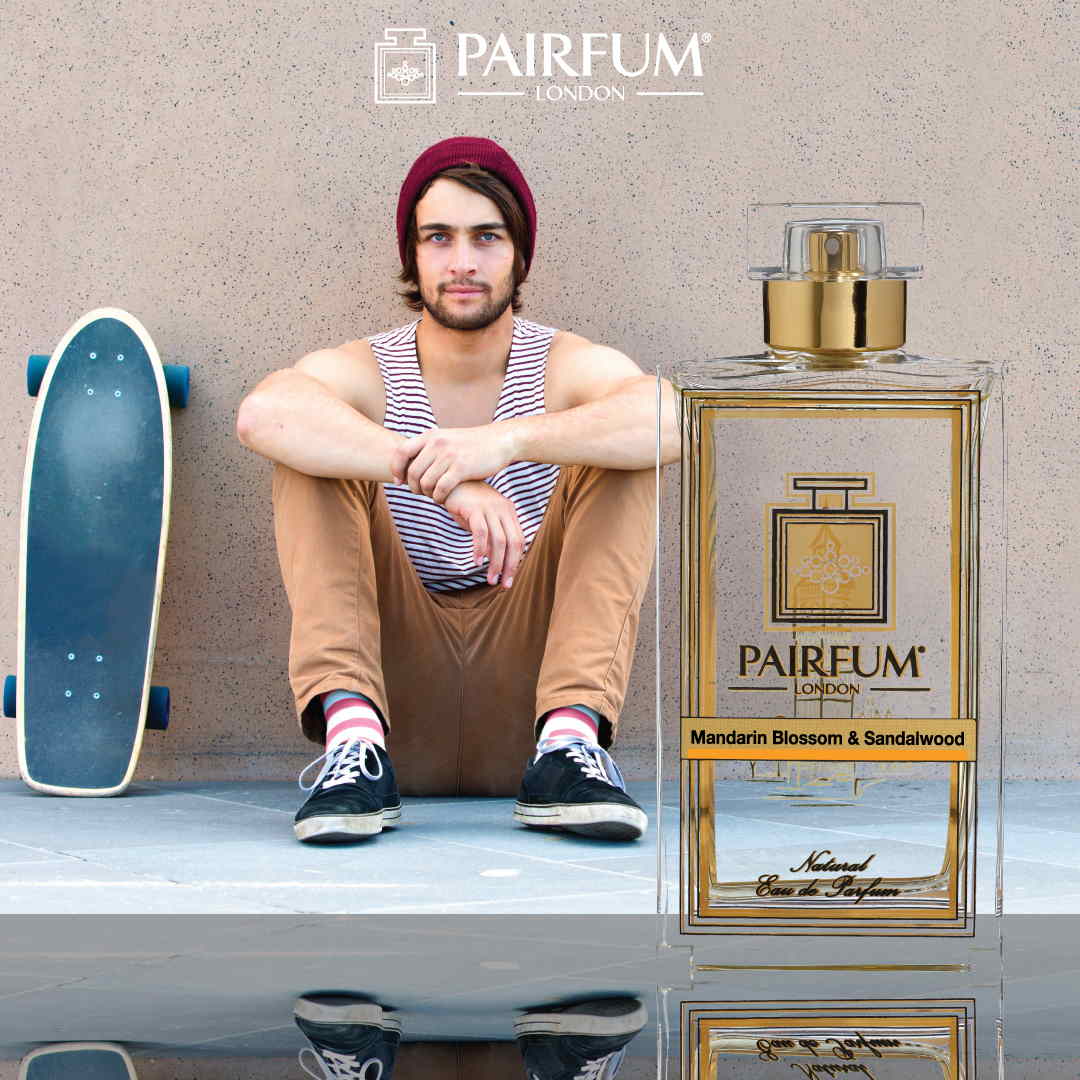
Mandarin Blossom & Sandalwood – Eau de Parfum by Pairfum London
An elegantly, feminine floral Chypre accord opening with the freshness of Mandarin Blossom, Apricot and White Hyacinth as Top notes. It’s romantic heart reveals a floral bouquet of Sweet Pea, Jasmine and Ylang Ylang, while the fond of Sandalwood, Patchouli, Amber and Musk create a magnetic trail.
Why Hyacinth Continues to Enchant
The hyacinth plant is a perennial bulb that flourishes in many settings. Its beauty lies in the annual cycle where the bulb survives winter, allows flowering in spring, and then replenishes for the next season. This life cycle has long connected hyacinths to rebirth and resilience.
Today, gardeners worldwide continue planting hyacinths every autumn, knowing that a bloom will return faithfully. Indoors or outside, hyacinth plants enrich lives with colour, fragrance and poetry. For perfumers, the scent remains a key inspiration, while for gardeners the hyacinth is a treasured part of spring.
The hyacinth remains, quite simply, a beautiful flower celebrated across continents and centuries.
Java Burn

Drink Coffee and Lose Weight
This will close in 12 seconds