


Dealing with acne can often feel like a daunting challenge, but there’s a remarkable ingredient that has stood the test of time and could revolutionize your approach to skin care: sulfur. This naturally occurring element has been celebrated for its skin-enhancing properties for centuries. With its powerful antibacterial and anti-inflammatory qualities, sulfur provides a wide range of benefits specifically for those with acne-prone skin. In this article, we’ll uncover the science that supports sulfur’s efficacy and why it deserves a prominent place in your skin care regimen.
Unlock the Benefits of Sulfur for Effective Acne Treatment
While you might associate sulfur with its distinctive odor, it is also a potent topical treatment for acne. Similar to benzoyl peroxide and salicylic acid, sulfur works by targeting excess oil and dead skin cells on the skin’s surface. It effectively dries out the outer layer of skin while absorbing excess sebum, which helps prevent the formation of clogged pores. This gentle yet effective approach makes sulfur an excellent choice for individuals with sensitive skin, as it doesn’t cause the same level of irritation that harsher treatments might.
Moreover, sulfur possesses natural exfoliating properties that aid in the removal of dead skin cells, significantly reducing the chances of pore blockages. As representatives from Eminence Organics aptly put it, “Sulfur has natural antibacterial, anti-inflammatory, and exfoliating benefits to reduce the appearance of acne.” However, before embarking on any new acne treatment journey, consulting with a qualified dermatologist is crucial to ensure suitability for your specific skin type and condition. Now, let’s delve deeper into how sulfur works effectively to combat acne.
Understanding the Mechanisms of Sulfur in Acne Treatment
Harnessing Sulfur’s Drying and Antibacterial Properties
Sulfur serves as a gentle yet powerful treatment for mild cases of acne. Acting as both a drying agent and an antibacterial solution, it effectively removes excess oils while simultaneously targeting and killing the bacteria responsible for inflammation. This dual-action approach not only helps to prevent the emergence of new acne lesions but also mitigates inflammation before it becomes problematic, providing immediate relief from uncomfortable symptoms.
Enhancing Skin Health with Sulfur’s Keratolytic Action
As a keratolytic agent, sulfur excels in breaking down and exfoliating the outermost layer of the skin by dissolving dead skin cells. This process not only smooths and clarifies the skin’s appearance but also enhances the absorption of other skin care products, thereby improving their overall effectiveness. By incorporating sulfur into your routine, you can promote healthier skin and ensure that your skin care products work optimally.
Now, let’s explore how sulfur effectively targets and treats various types of acne.
Effectively Addressing Various Types of Acne with Sulfur
Combatting Mild Acne: Whiteheads and Blackheads
According to Healthline, whiteheads and blackheads represent common, mild forms of acne that arise when oil and dead skin cells accumulate and clog pores. Sulfur adeptly addresses these concerns by reducing sebum production and facilitating the removal of dead skin cells. Healthline notes that sulfur is a reliable over-the-counter (OTC) option for treating these non-inflammatory types of acne, making it an accessible choice for many individuals.
Managing Moderate Acne: Papules and Pustules
Moderate acne encompasses papules and pustules, which occur when pore walls break down. Papules are small, solid bumps, while pustules are larger and filled with pus. In these cases, sulfur may not possess the potency required to tackle these stubborn forms of acne effectively. Dermatologists often recommend stronger treatments, such as benzoyl peroxide, for moderate acne breakouts.
Addressing Severe Acne: Nodules and Cysts
Severe acne manifests through nodules and cysts that develop deep beneath the skin and can cause considerable pain. Unfortunately, OTC products, including those containing sulfur, are typically ineffective for these severe forms of acne. The American Academy of Dermatology advises seeking prescription treatments, such as antibiotics or isotretinoin (commonly known as Accutane), to effectively manage severe acne cases.
Evaluating Sulfur’s Suitability for Different Skin Types
Sulfur is generally considered safe for various skin types, including those with sensitive skin. However, like any active ingredient, it has the potential to cause irritation. It is recommended to start with a once-daily application, gradually increasing to two or three times per day based on your skin’s tolerance. Be vigilant for any signs of dryness or irritation and adjust your usage accordingly to maintain a healthy skin balance.
Identifying Potential Side Effects of Sulfur
Despite its gentle nature, sulfur can lead to dryness and irritation in some users. The characteristic smell of sulfur is often masked in contemporary products, but it is prudent to conduct a patch test before fully integrating any new skin care products into your regimen. By applying a small amount of the product to a limited area, such as the inside of your arm, and waiting 24 hours, you can assess for any adverse reactions. If no negative symptoms arise, it is likely safe to use the product on your facial skin.
Explore Recommended Sulfur-Based Products for Acne Treatment
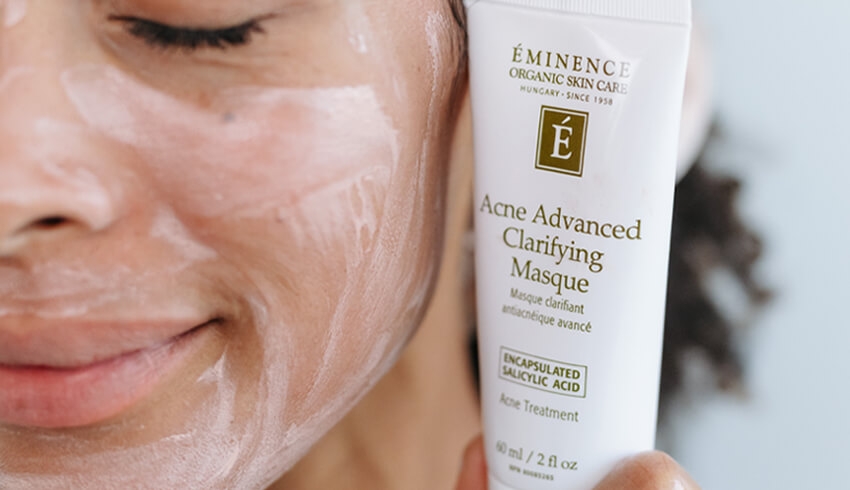
Sulfur is a key ingredient found in a variety of skin care products, ranging from targeted spot treatments to comprehensive masks and cleansers. Our Product Support Representatives highly recommend the Acne Advanced Clarifying Masque, a versatile two-in-one mask and spot treatment that incorporates sulfur, leveraging its natural exfoliating properties to diminish the appearance of acne. This unique clay masque features a blend of potent anti-acne ingredients designed to treat active acne while simultaneously preventing future breakouts. Three types of purifying clay work together to absorb excess oil and reduce shine, while soothing basil oil helps eliminate surface-level bacteria. You can also find this remarkable product as part of the Acne Advanced 3-Step Treatment System.
Before incorporating any new product into your skin care routine, always remember to perform a patch test.
For personalized recommendations, visit your nearest Eminence Organics Spa Partner to discover which products are best suited for your specific skin concerns and type.
