


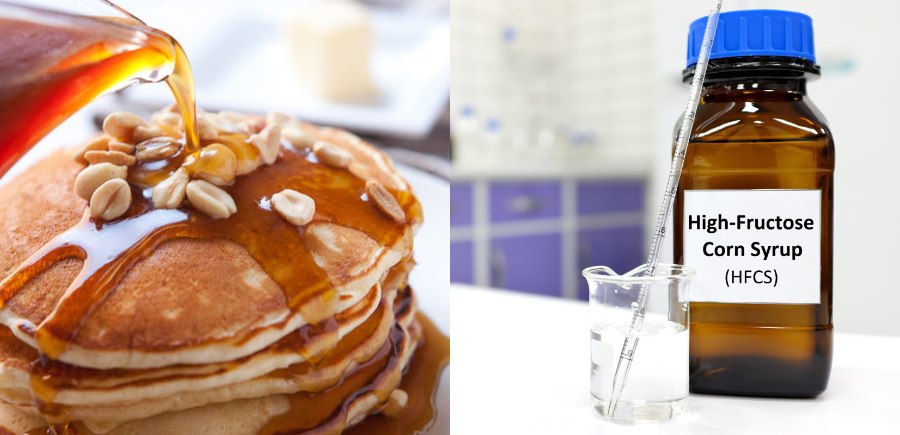
Added sugar is arguably the most significant barrier in anyone’s weight loss journey, primarily due to its multifaceted role in promoting weight gain. It triggers blood sugar fluctuations and sharp spikes in insulin levels, fosters fat storage, and elevates inflammation, ultimately increasing the risk of developing severe health conditions. According to WHO dietary guidelines, individuals should limit their sugar intake to a maximum of 5 to 10 teaspoons per day to prevent weight gain. However, many people consume significantly more, primarily through added sugars found in ultra-processed foods. When our bodies receive more sugar than necessary for energy, the surplus is transformed into fat and stored. It’s crucial to be vigilant about hidden sugars in everyday foods, including those labeled as “healthy,” which are often sweetened to enhance flavor. If you’re on a weight loss mission, especially avoid high-fructose corn syrup (HFCS), as studies have linked its consumption with obesity and other health issues. HFCS, being a highly processed sweetener, provides empty calories devoid of essential nutrients, contributing to weight gain and increasing the risk of obesity-related health problems. Additionally, HFCS is linked to insulin resistance, diabetes, cardiovascular diseases, and non-alcoholic fatty liver disease. It’s prevalent in many ultra-processed foods and sweet condiments that we often use to enhance the taste of our meals. Therefore, a strategic starting point in your weight loss journey is to eliminate sweet condiments, which often contain various forms of added sugar, not just white sugar. Surprisingly, many of us consume these products without realizing they contain significant amounts of sugar under different names. Although these condiments enhance flavor and sweetness, they can derail your weight loss efforts. In this article, we will explore 8 commonly used sweet condiments that you should avoid to successfully lose weight.
1. Uncover the Hidden Dangers of Chocolate Syrup:
Chocolate syrup is a favorite ingredient for enhancing a variety of foods, from milk and pancakes to fruits and coffee. However, the ingredients list of a popular chocolate syrup reveals a concerning reality: Sugar, water, invert sugar, liquid glucose, cocoa solids, and malt extract are just a few of the components. These represent various forms of added sugar that can accumulate quickly. If chocolate syrup is a staple in your pantry, it’s essential to recognize how its frequent use can complicate your weight loss efforts. By indulging in this syrup regularly, you may inadvertently consume excessive amounts of sugar, making it challenging to achieve your weight loss goals!
2. Think Twice Before Choosing Maple Syrup:
Maple syrup is often perceived as a wholesome topping for waffles, pancakes, ice creams, desserts, granola, and fruits. This natural source, derived from the sap of maple trees, may seem like a healthy option. However, many commercially-available maple syrups contain additives such as high-fructose corn syrup, corn syrup, artificial flavors, artificial colors, and preservatives. The sugar content in these syrups can be alarmingly high, negating the supposed health benefits. Therefore, it’s advisable to reconsider your choice of maple syrup in favor of a healthier alternative or to use it sparingly to avoid unnecessary sugar consumption!
3. Beware of Jams and Their Sweet Deception:
Jams often boast sugar as the primary ingredient, alongside fruit pulp or blends. However, research indicates that jams can be a sneaky source of added sugar, including high-fructose corn syrup, which is a major contributor to weight gain worldwide. If you’re serious about losing weight, it’s crucial to eliminate HFCS from your diet entirely. Always read labels carefully and consider making your own homemade jams with minimal sugar to enjoy a healthier option without compromising on taste!
4. The Sweet Trap of Chocolate Spreads:
Chocolate spreads are beloved for their versatility, often slathered on toast, sandwiches, crepes, pancakes, and even used in baking. Yet, these spreads can contain up to 57 teaspoons of sugar in a single jar! Sugar is typically the first ingredient listed, even if the packaging claims it contains only a few ingredients. If you enjoy chocolate spreads, consider limiting your intake or seeking out healthier alternatives to avoid excessive added sugar in your diet.
5. Sweet Chili Sauce: A Sweet Yet Sugary Staple:
Sweet chili sauce is a favored condiment known for adding a delightful sweet and spicy kick to various dishes. Its versatility makes it a common addition to meals, yet it can introduce a significant amount of sugar into your daily intake. From dipping sauces for spring rolls to dressings for salads and marinades for stir-fries, sweet chili sauce is often added without a second thought. Be mindful of how much you’re using, as it can easily lead to unintentional sugar overload in your diet. For healthier options, consider homemade versions that allow you to control the sweetness!
6. The Hidden Sugars in Barbecue Sauce:
Barbecue sauce is a go-to for adding a smoky and tangy flavor to a wide range of dishes, including chicken, tofu, baked beans, and roasted cauliflower. However, many popular brands contain high-fructose corn syrup as the primary ingredient, despite not listing “sugar” directly on the label. Research shows that HFCS significantly increases appetite and promotes obesity more effectively than regular sugar. To maintain your weight loss goals, opt for barbecue sauces with natural ingredients or prepare your own at home to avoid excess sugar.
7. Salad Dressings: The Sugar-Laden Secret:
Common salad dressings, such as vinaigrette, can hide sugars like liquid glucose and maltodextrin. Italian dressings may also contain high-fructose corn syrup, while creamy options like Caesar salad dressing may list sugar and liquid glucose as primary ingredients. These dressings often contain far more sugar than you might expect, undermining your efforts to maintain a healthy diet. For a healthier approach, consider making your own salad dressings at home, allowing you to control the ingredients and sugar content.
8. The Surprising Sugar Content in Ketchup:
Ketchup is a beloved condiment that enhances the flavor of many foods, including pakoras, samosas, momos, pizza, and pasta. However, commercially-produced ketchup is often laden with added sugar, high-fructose corn syrup, and artificial colors and flavors, contributing to empty calories without offering substantial nutritional benefits. Before reaching for that bottle of ketchup to accompany your meals, be aware of the hidden sugars it may contain. Opting for healthier alternatives or using ketchup in moderation can help you manage your sugar intake effectively!
In summary, successfully achieving weight loss requires not only eliminating sweet condiments high in sugar but also embracing a balanced and healthy diet. Rati Beauty diet plans provide valuable resources to support your weight loss journey. By cutting out sugary condiments, you can reduce unnecessary calorie intake and mitigate the adverse effects of excessive sugar consumption. It’s equally important to adopt a comprehensive approach to your diet, focusing on nutrient-dense foods, portion control, and regular physical activity. The Rati Beauty diet offers personalized meal plans, expert tips, and a supportive community to help you reach your weight loss goals sustainably and effectively. Download the Rati Beauty app today to access all our diet plans.
How to Cut Back on Added Sugar to Lose Weight
10 Everyday Foods with High Amounts of Sugar
!function(f,b,e,v,n,t,s)
{if(f.fbq)return;n=f.fbq=function(){n.callMethod?
n.callMethod.apply(n,arguments):n.queue.push(arguments)};
if(!f._fbq)f._fbq=n;n.push=n;n.loaded=!0;n.version=’2.0′;
n.queue=[];t=b.createElement(e);t.async=!0;
t.src=v;s=b.getElementsByTagName(e)[0];
s.parentNode.insertBefore(t,s)}(window, document,’script’,
‘https://connect.facebook.net/en_US/fbevents.js’);
fbq(‘init’, ‘175059706376017’);
fbq(‘track’, ‘PageView’);
