


If there were an award for the ultimate multitasking skin care ingredient, tea tree oil would undoubtedly be a top contender. Renowned for its extensive range of skin-healing benefits, this remarkable plant extract is celebrated as one of nature’s most effective remedies. Its versatility and efficacy make it a staple in many skincare routines, appealing to those seeking solutions for various skin issues.
Through a variety of products such as cleaners, moisturizers, and masks, we can harness the incredible benefits of tea tree oil directly where our skin needs them most. Discover what makes this remarkable oil a fantastic choice on your journey to achieving clear, radiant skin!
Understanding the Origins of Tea Tree Oil
Tea tree essential oil is derived from the steaming process of the evergreen leaves of the Australian Melaleuca alternifolia tree, which should not be confused with the tea plant used for making beverages. This unique extraction method ensures that the oil remains pure and free from chemical contamination, which is often a concern with solvent extraction techniques.
The steam distillation process not only produces a clean oil but also preserves its vital active ingredients, such as terpinen-4-ol, which contributes significantly to its powerful anti-inflammatory properties. The distinctive, earthy aroma of tea tree oil is easily recognizable and brings more than just skin benefits; it has been traditionally used to soothe coughs and colds, serving as a natural remedy for various bacterial conditions throughout history.
Historically, the leaves of the tea tree were crushed and applied to treat skin infections, and soldiers once carried it into battle as a potent antiseptic. Today, the popularity of tea tree oil has surged, finding its way into countless topical medicines, household products, and skincare formulations.
Unveiling the Mechanisms Behind Tea Tree Oil’s Efficacy
What exactly grants tea tree oil its impressive skin care capabilities? This extraordinary oil is packed with naturally beneficial compounds that address a myriad of skin conditions. One of the standout components, terpinen-4-ol, is known for its exceptional anti-inflammatory properties and ability to promote wound healing.
The high concentration of this active compound makes tea tree oil an effective natural remedy for combating bacterial and fungal skin issues, as well as for preventing infections. Its distinct woodsy scent not only makes it a beloved ingredient in aromatherapy but also contributes to creating a refreshing atmosphere in your home, acting as a natural air freshener and deodorizer.
Essential Methods for Incorporating Tea Tree Oil into Your Skincare Routine
With its powerful anti-inflammatory and antimicrobial properties, tea tree oil stands out as a must-have in skincare. Unlike many essential oils, it is non-comedogenic, meaning it won’t clog your pores. Here are some of the most effective applications of tea tree oil and how to use it for optimal results.
#1. Targeting Acne
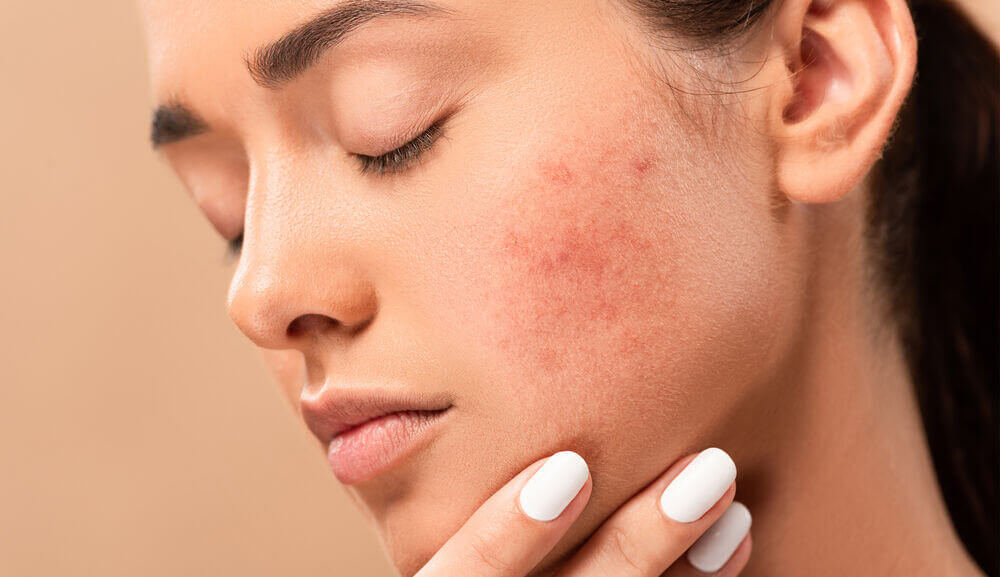
Acne flare-ups are often exacerbated by bacteria, and tea tree oil excels in treating breakouts. It reduces redness and blotchiness while also helping to diminish the appearance of acne scars. The anti-inflammatory properties of tea tree oil make it ideal for soothing and healing skin irritation caused by sun exposure, insect bites, or bacterial infections.
#2. Effective Treatment for Warts
Warts can be pesky and often appear unexpectedly. Thanks to its antiseptic and antiviral properties, tea tree oil is an excellent choice for treating warts. It can help heal wounds, fend off infections, and some studies suggest it may even stimulate white blood cells that combat the viruses responsible for warts.

#3: Fungal Conditions on the Scalp
As a naturally antifungal herb, tea tree oil can be particularly beneficial for treating fungal scalp conditions. It effectively alleviates issues like dandruff, cradle cap, and lice, helping to soothe irritated skin and restore balance to your scalp.
#4. Relief for Itchy Skin
Tea tree oil offers a powerful natural remedy for the discomfort associated with itchy skin. Its additional antimicrobial properties also help combat infections that may arise from scratching. This makes it an effective treatment for calming irritated skin and alleviating itchy insect bites.
#5. Natural Treatment for Skin Tags
Let’s face it, skin tags are not welcome guests on our skin. While they are harmless, they can be bothersome and appear in inconvenient locations like armpits and neck areas. A simple dab of tea tree oil around the base of the skin tag can help restrict blood flow, eventually causing it to dry out and fall off.

#6: Combatting Athlete’s Foot and Promoting Nail Health
You might be surprised to learn that you can develop athlete’s foot without stepping into a gym. This condition consists of two distinct infections: one affecting the skin on your feet and another targeting your toenails. Tea tree oil is effective against various bacteria and fungal infections, making it a powerful ally in treating athlete’s foot.
Thanks to its antifungal and anti-inflammatory properties, tea tree oil can soothe the itching, scaling, and burning sensations often associated with athlete’s foot, helping you regain comfort and health in your feet.
#7: Natural Solution for Body Odor
Here’s an interesting fact: sweat itself is odorless. The unpleasant scent that follows a vigorous workout is actually caused by bacteria on the skin. Tea tree oil boasts powerful antibacterial qualities that are perfect for neutralizing these unwanted odors. Consider using a tea tree deodorant to keep your underarms fresh and clean!
The pleasant aroma of tea tree oil and its numerous antimicrobial and anti-inflammatory benefits make it an exceptional addition to your skincare arsenal. Now that we’ve explored the diverse advantages of tea tree oil for skin health, you can confidently incorporate this remarkable ingredient into your beauty routine, addressing concerns ranging from acne to eczema!
var windowWidth,lazyLink,lazyImages,lazySource,lazyBackground,lazyIframe,lazyScripts,navigator_platform,lazyLoadedJS,src,style,datasrc,urls,analytics,s,x,i,j,flag;
function init(){flag&&(flag=0,load_all_js(),lazyLoadImg(),lazyLoadBackground(),lazyLoadIframe(),lazyLoadSource())}
function isElementInViewport
var a=t.getBoundingClientRect();
return a.top>=0&&a.left>=0&&a.bottom<=(window.innerHeight||document.documentElement.clientHeight)&&a.right<=(window.innerWidth||document.documentElement.clientWidth)
}
function insertAfter(newNode, referenceNode) {
referenceNode.parentNode.insertBefore(newNode, referenceNode.nextSibling);
}
function isElementInView
var a=t.getBoundingClientRect();
return a.top(window.innerHeight/2||document.documentElement.clientHeight/2)
}
function lazyLoadLink(){
lazyLink.forEach(function
t.href=null==t.dataset.href?t.href:t.dataset.href
})
}
function lazyLoadImg(){
lazyImages.forEach(function
null!=(src=windowWidth<600?null==t.dataset.mobsrc?t.dataset.src:t.dataset.mobsrc:t.dataset.src)&&(t.src=src),t.classList.remove("lazy2")
})
}
function lazyLoadImg2(){
lazyImages.forEach(function
isElementInViewport
})
}
function lazyLoadSource(){
lazySource.forEach(function
t.srcset=null==t.dataset.srcset?t.srcset:t.dataset.srcset
})
}
function lazyLoadBackground(){
lazyBackground.forEach(function
lazybg=windowWidth<768?null==t.dataset.mobstyle?t.dataset.style:t.dataset.mobstyle:t.dataset.style,null!=lazybg&&(t.style=lazybg),t.classList.remove("lazybg")
})
}
function lazyLoadIframe(){
lazyIframe.forEach(function
t.src=null==t.dataset.src?t.src:t.dataset.src
})
}
function lazyLoadScripts(){
j!=lazyScripts.length&&("lazyload2"==lazyScripts[j].getAttribute("type")?(lazyScripts[j].setAttribute("type","lazyloaded"),void 0!==lazyScripts[j].dataset.src?((s=document.createElement("script")).src=lazyScripts[j].dataset.src,document.body.appendChild(s),s.onload=function(){j++,lazyLoadScripts()}):((s=document.createElement("script")).innerHTML=lazyScripts[j].innerHTML,document.body.appendChild(s),j++,lazyLoadScripts())):(j++,lazyLoadScripts()))
}
function lazyLoadCss
(s=document.createElement("link")).rel="stylesheet",s.href=t,document.getElementsByTagName("head")[0].appendChild(s)
}
function lazyLoadJS
if(lazyLoadedJS)return setTimeout(function(){lazyLoadJS
}
function wnwAnalytics() {
var script2 = document.querySelectorAll(".analytics");
script2.forEach(function(analyticsScript) {
trekkie.integrations=false;
s = document.createElement("script");
s.innerHTML = analyticsScript.innerHTML;
insertAfter(s, analyticsScript);
analyticsScript.parentNode.removeChild(analyticsScript);
});
}
document.addEventListener("DOMContentLoaded",function(){windowWidth=screen.width,lazyLink=document.querySelectorAll("link"),lazyImages=document.querySelectorAll("img.lazy2"),nolazyImages=document.querySelectorAll("img.lazy"),lazyBackground=document.querySelectorAll(".lazybg"),lazyIframe=document.querySelectorAll("iframe"),lazySource=document.querySelectorAll("source"),lazyScripts=document.getElementsByTagName("script"),navigator_platform=navigator.platform,i=0,j=0,flag=1,window.addEventListener("scroll",function(){init()}),window.addEventListener("mousemove",function(){init()}),window.addEventListener("touchstart",function(){init()}),"Linux x86_64"!=navigator_platform&&init(),setTimeout(function(){init()},60000)});
function load_all_js() {
lazyLink=document.querySelectorAll("link");
lazyLoadLink();
}
wnwAnalytics();
setTimeout(function() {
const wnw_load = new Event('wnw_load');
window.dispatchEvent(wnw_load);
}, 100);
setTimeout(function() {
var DOMContentLoaded2_event = document.createEvent("Event");
DOMContentLoaded2_event.initEvent("DOMContentLoaded2", true, true);
window.document.dispatchEvent(DOMContentLoaded2_event);
}, 60000);
j=0;
lazyScripts = document.querySelectorAll("script[type=lazyload2]");
lazyLoadScripts();
lazySource = document.querySelectorAll("source");
lazyLoadSource();
}