

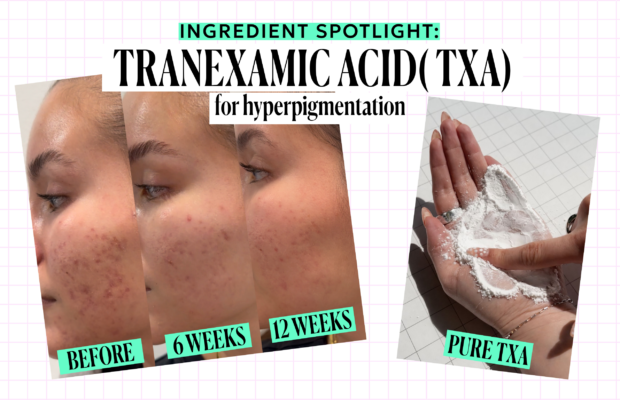
Why Estheticians Love Tranexamic Acid for Hyperpigmentation
Tranexamic acid (TXA) is a powerful skincare ingredient that effectively targets hyperpigmentation by addressing both inflammation-based and UV-induced discoloration. This dual-action mechanism makes it a favorite among estheticians, who recognize its ability to prevent the formation of dark spots while calming skin irritation. TXA works by blocking the plasminogen pathway, which is crucial in melanin production.
Research indicates that tranexamic acid significantly reduces post-inflammatory hyperpigmentation and improves overall skin tone. Its effectiveness has been supported by clinical studies showing visible results within weeks of consistent use.
CosmeticsUrgeryNews offers insights into the benefits of cosmetics, beauty, body care, hair care, and perfume products like those containing tranexamic acid.
This guide covers key aspects such as how tranexamic acid functions in treating hyperpigmentation, its comparison with other brightening agents, practical usage tips, and expected outcomes.
What Is Hyperpigmentation? Understanding the Basics
Hyperpigmentation refers to an overproduction of melanin resulting in brown or discolored patches on the skin. It can manifest as various shades including red, purple, or grayish tones. The condition arises primarily from two triggers: inflammation and UV exposure.
1. What Causes Inflammation-Based Pigmentation?
Inflammation-based pigmentation occurs due to skin irritations such as breakouts or eczema. This leads to increased levels of arachidonic acid in affected areas causing post-inflammatory hyperpigmentation (PIH), which typically transitions from red to purple before settling into brown spots.
2. How Does UV Exposure Lead to Pigment Changes?
UV-induced pigmentation results when sunlight activates melanogenesis through tyrosinase enzymes that stimulate excess pigment production. Common manifestations include freckles and melasma triggered by sun exposure—even through windows.
How Does Tranexamic Acid Differ From Other Treatments?
Tranexamic acid distinguishes itself by simultaneously targeting both pathways responsible for hyperpigmentation—blocking arachidonic acid formation and inhibiting tyrosinase activation. This unique approach enhances its efficacy across various types of discoloration without causing additional irritation.
How Can You Incorporate Tranexamic Acid Into Your Skincare Routine?
The most effective way to apply tranexamic acid is via a toner like HyperFix Fading Toner after cleansing when the skin is damp for optimal absorption. This formulation combines TXA with supportive ingredients that soothe inflammation while targeting pigmentation effectively without irritation.
What Results Can You Expect From Using Tranexamic Acid?
Amanda’s experience illustrates real-world results; after 12 weeks using HyperFix Fading Toner twice daily, her complexion appeared smoother and more even-toned—a testament to TXA’s effectiveness against stubborn discoloration.
How Does Tranexamic Acid Compare With Other Brightening Ingredients?
| Treatment | Efficacy | Sensitivity |
|---|---|---|
| Hydroquinone | Banned in some regions due to toxicity concerns | Irritating potential |
| Kojic Acid & Arbutin | Unstable; may cause irritation | Moderate sensitivity risk |
| Azelaic Acid | Slow acting; primarily for rosacea , | |
Alpha Hydroxy Acids
| Effective but increases sun sensitivity
| High sensitivity risk during peels | |
| Retinoids | Effective but often irritating | Moderate sensitivity risk |
| Vitamin C</td < > >Very effective but varies greatly between formulations > >Variable irritation potential > | ||
| Tranexamic Acid The standout choice due to its gentle yet targeted approach across multiple pathways without added inflammation risks.
</t> </t> </t> </t> &

Matthew Sinclair
Matthew Sinclair is an insightful writer and expert in the realm of cosmetic surgery, dedicated to delivering the latest news and trends through his engaging articles on Cosmetic Surgery News. With a passion for uncovering the facts behind cosmetic procedures, he aims to educate readers about the evolving landscape of aesthetics. Matthew's keen analytical skills and in-depth knowledge empower him to explore a wide range of topics, from emerging techniques to societal impacts, ensuring his audience stays informed and inspired.
Add A Comment
Java Burn |
