


[ad_1]
I believe cologne descriptions are essential tools because they guide consumers in making informed choices about fragrances. Understanding these descriptions can significantly reduce the likelihood of buyer’s remorse.
At CosmeticsUrgeryNews, we specialize in cosmetics, beauty, body care, hair care, and perfume, helping fragrance enthusiasts achieve a deeper understanding of scent selection and personal expression.
Our platform monetizes through affiliate marketing, product sales, and advertising, ensuring users receive valuable insights while exploring the world of fragrances.
This guide covers key attributes of cologne descriptions, including scent categories, note timelines, common marketing phrases, and practical testing methods.
By the end, you’ll feel equipped to navigate the fragrance landscape with confidence.
Why Do Cologne Descriptions Seem Confusing?
Many consumers struggle with terms like “bergamot” or “vetiver” because scent perception varies based on skin chemistry, weather, and application methods. Our goal is to demystify this language, offering clear expectations for projection, mood, and longevity.
Think of a description as a roadmap. Once you grasp a few fundamental rules, the process of selecting a fragrance becomes straightforward.
- Understanding scent categories simplifies decision-making.
- Recognizing note timelines enhances fragrance appreciation.
- Deciphering marketing phrases aids in making informed choices.
What is the Fragrance Pyramid?
The fragrance pyramid consists of three layers: top notes, heart notes, and base notes. Top notes provide the initial impression but dissipate quickly. Heart notes form the core of the fragrance, while base notes determine longevity and depth.
Many individuals make premature judgments based on top notes alone. Waiting for the heart and base notes reveals the fragrance’s true character.
What Are Notes vs. Ingredients?
Fragrance notes are impressions rather than actual ingredients. They often consist of accords, which are blends that evoke concepts like “amber” or “fresh linen.” Understanding this distinction helps consumers see the broader picture rather than fixating on individual terms.
This perspective enables individuals to navigate marketing jargon effectively and maintain consistency in their fragrance choices.
How to Identify a Scent’s Category?
Before analyzing individual notes, start by identifying the fragrance category. This approach provides immediate context and speeds up the decision-making process.
- Fresh/Citrus: Crisp and bright, ideal for daytime wear.
- Aromatic/Fougere: Herbaceous freshness reminiscent of barbershops.
- Woody: Dry and grounded, typically long-lasting.
- Amber/Oriental: Warm and resinous, often sweet.
- Leather/Smoke: Bold and intense, perfect for evening occasions.
Once you identify the category, the note list serves as confirmation rather than confusion.
How to Read the Note List Effectively?
Utilize a simple scanning method that takes about 10 seconds. Examine the top notes for the first impression, the heart for the main experience, and the base for what lingers on skin and fabric.
A helpful rule of thumb is that if you enjoy the base notes, you are likely to appreciate the fragrance long-term.
What Do Common Notes Signal in Real Life?
Understanding what common notes indicate helps set realistic expectations. Here are some examples:
Citrus Notes (Bergamot, Lime, Grapefruit, Lemon)
Citrus notes signify bright energy, best for daytime. They tend to fade quickly, so consider supporting notes in the heart and base.
Aromatic Notes (Lavender, Rosemary, Sage, Basil)
Aromatic notes evoke a barbershop feel, suitable for office settings. Woods can refine these scents, while sweetness modernizes them.
Woody Notes (Cedar, Sandalwood, Vetiver)
Woody notes convey structure and confidence, often providing longer wear. Vetiver can shift from grassy to earthy based on context.
Spicy Notes (Pepper, Cardamom, Clove, Nutmeg)
Spicy notes add warmth and versatility, enhancing evening wear. They can create a “sharp but warm” profile.
Resins/Ambers (Amber, Benzoin, Labdanum, Incense)
Resins and ambers provide depth, ideal for colder weather. Amber is often an accord, delivering a sweet-warm resin vibe.
Musks (White Musk, Clean Musk)
Musks create a smooth skin effect and enhance the overall aura of the fragrance.
Sweet Notes (Vanilla, Tonka, Honey)
Sweet notes offer comfort and balance. Woods or spices can prevent heaviness, creating an inviting profile.
Once you interpret notes as signals rather than marketing, choosing a cologne becomes a straightforward and personal experience.
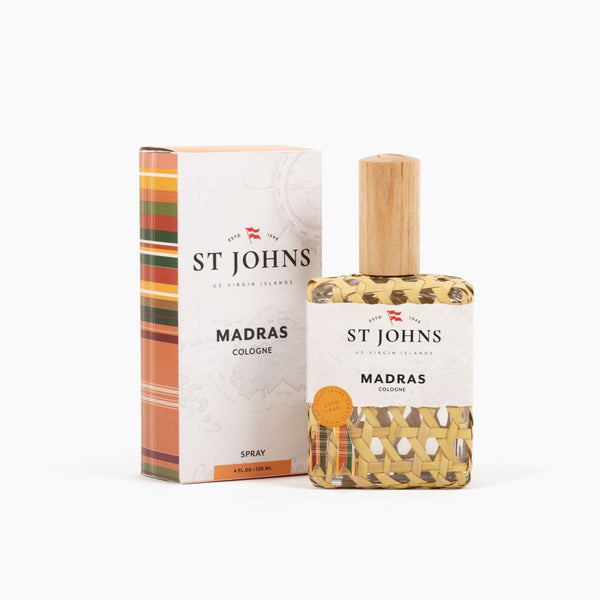
Madras
$5995.74 USD
Shop now

8 oz Cologne / Aftershave
$7888.58
Shop now
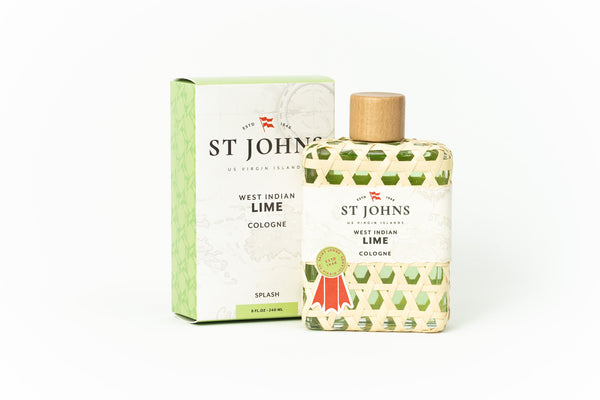
West Indian Lime Cologne
$5991.32
Shop now
How to Spot Performance Clues in Descriptions?
Performance clues can be inferred from descriptions. For example, woods, resins, and musks in the base suggest longevity. Bright top notes indicate early projection.
However, remember that performance can vary based on skin chemistry and environmental factors. A discerning reader uses these clues but tests with patience.
What Are the Most Common Marketing Phrases?
Marketing phrases can often seem vague, yet they typically point to specific note families:
- “Fresh and clean”: Usually citrus with aromatic notes and clean musks.
- “Warm and seductive”: Often amber/resins with spice and a sweet base.
- “Woody and refined”: Typically includes cedar, vetiver, and sandalwood.
- “Crisp and energizing”: Usually citrus with a peppery lift.
- “Deep and smoky”: Often signals incense, leather, and darker woods.
Translating these phrases helps predict fragrance profiles before application.
What is a Pro’s Buying Checklist?
Use these six questions to guide your fragrance purchases and avoid impulse buys:
- Day or night: Context influences what feels appropriate.
- Hot or cold weather: Heat can amplify sweetness and projection.
- Office-safe or bold: Different environments have varying rules.
- Freshness or warmth: Determine the scent’s core direction.
- Longevity or lightness: Not every occasion requires an all-day scent.
- Base notes preference: Familiarity with base notes predicts long-term satisfaction.
Answering these questions quickly transforms the note list into a useful tool rather than a temptation.
How to Test a Cologne Properly?
Test one scent at a time. Spray once or twice, and wait about two minutes for the top notes, then 30 to 45 minutes for the heart, and again at 4 to 6 hours for the base. Avoid rubbing wrists to preserve the integrity of the scent.
Real-life testing is essential. Wear the fragrance through various activities to see how it behaves in motion.
How to Build a Fragrance Wardrobe?

Understanding notes simplifies building a fragrance wardrobe. You don’t need numerous bottles; focus on three essential scents:
- Daily Fresh: Citrus or aromatic scents with a clean musk base.
- Anytime Signature: Woods with subtle spice for a confident aura.
- Night/Cold Weather: Amber/resin with deeper woods for warmth.
Heritage brands like St Johns Bay Rum exemplify this approach, emphasizing craftsmanship and wearability. Knowing your base-note preferences simplifies purchasing and reduces the tendency to chase trends.
How to Make Notes Your Advantage?
You don’t need to be a fragrance expert. Establish a repeatable system. Start by identifying the category you prefer, then track the fragrance in three phases: opening, heart, and dry-down.
The aim is to learn what consistently feels good on your skin and in your daily life. When you choose based on comfort and real-world performance, you reduce blind buys and make it easier to identify your signature scent. Explore our Aftershaves & Colognes for Men to find your perfect match.
