


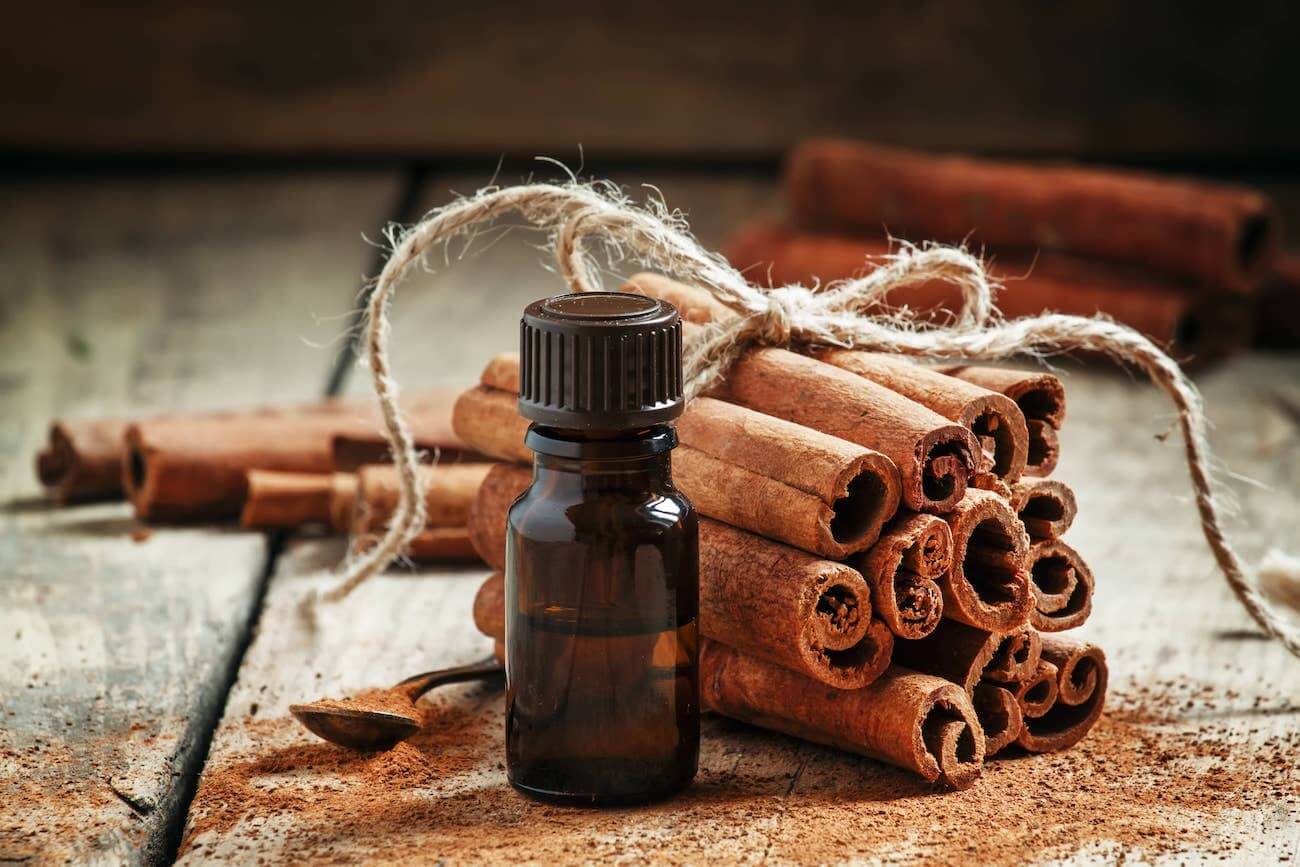
In the captivating universe of fragrance, one scent emerges as the quintessential embodiment of autumn’s charm: cinnamon fragrance. Its warm, spicy notes encapsulate the essence of fall, conjuring feelings of comfort and cherished memories. Explore how this classic aroma weaves its enchanting spell throughout the world of scents.
Cinnamon is a multifaceted spice; if spices could don hats, this one would wear many. It boasts a rich and vibrant history, revered for its diverse applications that span from culinary delights to medicinal remedies, and even extending to the exquisite perfumes crafted by our talented perfumers at Alpha Aromatics.
The essential oil extracted from the dried inner bark of various bushy evergreen trees belonging to the genus Cinnamomum showcases oval leaves, thick barks, and wild berries, making it a fascinating botanical. Today, cinnamon is cultivated across Asia, the West Indies, and South America, with notable production in countries such as Sri Lanka, India, Bangladesh, Myanmar, China, Vietnam, and Indonesia.
Discover the Labor-Intensive Harvesting Process of Cinnamon
When the time comes for the intricate and laborious practice of harvesting, the outer bark of the cinnamon tree is meticulously peeled and scraped away, revealing the precious inner layer. After this removal, the bark pieces are sun-dried for approximately 24 hours, causing them to curl into distinctive quills.
These quills are then filled with smaller pieces of bark, which help to stabilize the outer layer. This painstaking process can yield, at best, around three pounds of quills per day, showcasing the dedication involved in cinnamon production.
Once dried for three to four days, the quills are transported to processing facilities where they are meticulously graded and priced based on their width, thickness, color, and essential oil content. The resulting brown oil is highly sought after in the perfume industry due to its spicy, delicate fragrance and warm, sweet flavor, making it a key ingredient in numerous autumn-inspired fragrances.
Explore the Rich Historical Significance of Cinnamon
In culinary traditions worldwide, cinnamon serves primarily as an aromatic condiment and flavoring agent in a myriad of cuisines, enhancing both sweet and savory dishes, breakfast cereals, snacks, bagels, teas, hot chocolate, and traditional foods. Its flavor profile makes it an essential ingredient in various culinary creations.
Particularly, in the Indian subcontinent, it is a favored choice for flavoring curries, while Middle Eastern cuisine utilizes it in savory chicken and lamb dishes. In Mexico, cinnamon enhances the flavors of chocolate and yams. In Western cultures, it is a staple in baked goods like cinnamon rolls and cookies, often paired with apples and pears in delicious pies, crumbles, and cobblers.

Historically, cinnamon has been valued for its medicinal properties for thousands of years, with origins tracing back to ancient Egypt around 2000 BC. It was used for culinary purposes, in embalming processes, and for various medicinal applications.
Rich in antioxidants and beneficial compounds, cinnamon has been revered for its health benefits. Records from ancient China as early as 2800 BC mention true cinnamon, referred to as kwai, a name derived from both Hebrew and Arabic, meaning fragrant spicy plant.
During Roman times, Emperor Nero infamously ordered the burning of a year’s supply of cinnamon to honor his deceased wife, highlighting its immense value. At one point, it was considered more precious than gold, sought after during the Middle Ages for both religious rites and culinary applications.
The pursuit of cinnamon and other spices inspired significant voyages, including those of Christopher Columbus and Vasco da Gama, leading to the eventual control of the cinnamon trade by the Portuguese, Dutch, and British over the centuries.
Understanding Cinnamon’s Essential Role in Perfumery
The naturally sweet and powdery essence of cinnamon has captivated perfumers throughout history. Today, it remains a vital component in various fragrance formulations, both in its essential oil and synthetic forms. Its inviting warmth and spice evoke feelings of comfort and home, creating a unique emotional connection.
With warm, woody undertones and subtle vanilla nuances, cinnamon blends harmoniously with ambery and woody fragrances, enhancing their overall complexity. It adds a gentle sweetness and a delightful touch of spice to gourmand compositions, while pairing beautifully with floral notes, introducing an element of sensuality that is irresistible.
Explore the Distinct Varieties and Species of Cinnamon
While many consider cinnamon a singular spice associated with autumnal flavors and scents, it encompasses a variety of types, each with unique characteristics and complexities that set them apart. There are two primary classes of cinnamon: Ceylon and Cassia, along with four major species categorized based on their geographic origin.
More details on each type can be found below, showcasing their individual traits and uses.
1. True Cinnamon, Also Known as Ceylon or Mexican (Cinnamomum zeylanicum)
Ceylon cinnamon is notably more expensive due to its intensive harvesting process, which can only be conducted during the early rainy season in Sri Lanka when its exquisite aroma reaches its peak concentration. Producing the highest quality Ceylon cinnamon takes four times longer than other varieties, with broken pieces being ground into powder.
This type has a light brown color and is the most sought-after variety, commonly found in kitchens across Mexico and Europe. Ceylon cinnamon consists of multiple thin, delicate layers of the inner bark, and there are ten recognized types, each varying in sweetness, sharpness, and spiciness.
2. Indonesian Cinnamon (Cinnamomum burmanni)
Also referred to as Korintje cinnamon, this variety is sweeter and more mellow than its counterparts. It possesses a minimum essential oil content of 2.5%, delivering a flavor profile that is distinctly woodsy with hints of pepper and a warm, piquant clove finish.
The finest quality bark is sourced from trees grown in rich sandy loam soil, thriving in areas with high rainfall and moderate temperatures.
3. Vietnamese Cinnamon (Cinnamomum loureiroi)
Commonly known as Saigon cinnamon, this variety is harvested from the central mountain forests of Vietnam and is derived from the Cinnamomum loureiroi tree. It boasts an unusually high essential oil content, resulting in a rich, sweet, and heady flavor profile.
This species contains elevated levels of cinnamaldehyde, which contributes to its robust flavor and aroma, alongside a range of antioxidant and anti-inflammatory properties.
4. Cassia or Chinese Cinnamon (Cinnamomum aromaticum)
Cassia cinnamon is the most prevalent variety used in North America, commonly incorporated into numerous formulations. Indigenous to Sri Lanka, the Malabar coast of India, and Myanmar, it features a dark brown hue and a dense, hard outer layer that is carved from the tree and dried in the sun.
With its sweet, warm, and spicy flavor, Cassia cinnamon is a more affordable option compared to other types due to a less labor-intensive harvesting process.
Experience Our Selection of Cinnamon-Infused Fragrances
Below is a curated list of some of our most popular cinnamon-infused fragrances that exemplify the enchanting qualities of this beloved spice.
Cinnaspice
Evoking memories of festive gatherings and delightful aromas wafting from a family kitchen, this uplifting fragrance opens with bright, clean citrus notes. These vibrant top notes soon transition into a spicy heart dominated by warm, fruity cinnamon.
The scent concludes with a dry down featuring earthy, sensual musk, creating an alluring and nostalgic olfactory experience.
Cinnamon Buns
Imagine the essence of a warm, sugary cinnamon bun—this enticing gourmand fragrance captures that delightful aroma perfectly. The inviting heart notes blend freshly ground cinnamon with hot clove and nutty, warm nutmeg, leading to a dry down of sweet, glazed brown sugar and rich, buttery vanilla.
Coriander Oud
This captivating Alpha Aromatics formulation opens with vibrant head notes of tangy black currant. A heart of warm, piquant cinnamon intertwines with refreshing coriander, culminating in a luxurious dry down of creamy sandalwood, earthy patchouli, rich vanilla, and dry balsamic cedar.
Tonka Oud Patchouli
This exquisite fragrance begins with bright, juicy blood orange blended with floral and fruity wild berries. The heart reveals a bouquet of sugary jasmine, spicy tropical lily, light neroli, and dreamy red rose, finishing with a dry down of smoky oud, dark patchouli, warm amber, inviting cinnamon, and piquant clove.
Winter Fir and Balsam
Invoking nostalgic memories of the holiday season, this vibrant blend is infused with vivid aromas reminiscent of festive celebrations. It opens with smoky cypress, minty pine, and crisp apple notes, followed by a heart of dry fir blossom, warm cozy cinnamon, nutmeg-tinged chestnuts, refreshing pine, and invigorating eucalyptus. A dry down of tangy raspberry and sweet crystal sugar completes this olfactory journey.
Explore Our Cinnamon Options Today
If you own or manage a business seeking a new fragrance for your product or product line, consider incorporating an intriguing and captivating cinnamon scent. Contact our dedicated team at Alpha Aromatics today! We are always ready to assist you in finding the perfect fragrance solution.
The post The Warm Quintessential Fall Fragrance Of Cinnamon first appeared on Alpha Aromatics.