


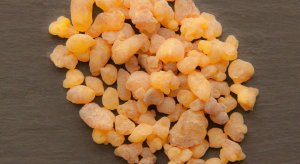
In the captivating realm of perfumery, there lies an ancient tradition that has flourished for centuries. This sophisticated craft centers around the creation of resinous scents, a unique category of fragrances that harnesses the rich aromatic potential of natural resins. Sourced from various trees and plants, these resins provide a remarkable depth and complexity to perfumes, setting them apart in the world of fragrance. In the following sections, we will explore the enchanting universe of resin-infused scents, revealing the secrets behind their irresistible allure and the meticulous process involved in their creation.
The inclusion of resinous elements in perfume crafting is vital, as they serve as essential compounds that enrich the development of intricate fragrances with multifaceted aromas. These natural resins contribute a spectrum of scents that are both sweet and spicy, making them a staple in many modern formulations. The perfumes created with these resins are imbued with powerful notes, including sugary and powdery vanilla, fruity and dry labdanum, and various animalic undertones. Their ability to enhance a fragrance’s character is unparalleled, making them invaluable to the perfumer’s palette.
Moreover, resinous compounds are not limited to fragrance creation; they are also widely utilized in cosmetics. The essential oils extracted from these plants yield a thick, sticky substance known as resin, which is renowned for its aromatic properties. The diversity of aromas and their origins is vast, yet history indicates that these resinous elements served as the foundation for traditional oriental (ambery) perfumes, dating back to the ancient civilizations of Egypt and Cyprus. Notably, the oldest perfume factory was discovered in 2005 in Cyprus, highlighting the long-standing significance of these scents in human culture.
Over the centuries, these raw materials have evolved into essential components for creating incense and antiseptics. Prominent resins like frankincense, labdanum, myrrh, Copahu, Tolu balsam, and gum benzoin are frequently found in natural perfumes, while pine and fir resins are commonly favored in synthetic fragrances. The allure of resinous perfumes lies in their elegant and luxurious character, cherished for their intense, inviting, and balsamic notes. These fragrances evoke memories of deep woods and mysterious landscapes, creating a captivating olfactory experience.
Below, we will highlight some of the most popular resins that are prevalent in contemporary perfumery, each with its unique charm and contribution to scent composition.
Benzoin
Known as Friar’s Balm and Storax, this aromatic gum resin is celebrated for its rich, sweet, smooth, and vanilla-like qualities. Extracted from the bark of styrax trees, it is a versatile natural compound that is highly sought after by skilled perfumers, including the experts at Alpha Aromatics. Benzoin often embodies the smoky and sacred essence of incense or enhances the sharp balsamic notes found in gourmand and woody accords, acting as a superior fixative that prolongs the fragrance’s longevity.
There are two primary variations of benzoin resin: Siamese benzoin and Sumatra benzoin. The former is characterized by its light, delicate nature and vanilla tones, making it the most prized and rare of the two, resulting in a higher cost. Often referred to as gum benjamin, this variety hails from ancient India, sourced from the Commiphora wightii tree. Perfumers frequently blend it with frankincense to achieve a refined and sophisticated effect. Traditionally, this resin has been used in church incense, prepared by sprinkling it over hot embers to produce a smoky, vanilla-tinged, woody balsamic aroma.
On the other hand, Benzoin Sumatra offers a rich and complex fragrance profile that is known for its ability to comfort and uplift the human spirit. Its scent is sugary, resinous, slightly floral, and spicy, making it a beloved ingredient in various fragrance formulations.
Copahu Balsam
This captivating resin is harvested from a tropical tree adorned with small, white, sweet-smelling flowers, which can grow up to 100 feet tall. The raw material is obtained from the trunk through incisions made into the bark. Widely used in perfumes, scented lotions, and soaps, Copahu balsam is also known for its unique ability to restore faded colors in ancient paintings. In fragrance compositions, it adds a substantial richness to woody accords and is recognized for its ability to linger elegantly on the skin, creating a lasting impression.
Some popular notes found in numerous formulations by Alpha Aromatics include honeyed amber, creamy sandalwood, elegant vanilla, rich caramel, sweet coumarin, floral iris, balsamic gummy resins, roasted coffee, and sweet honey, showcasing the diverse applications of this exquisite resin.
Frankincense
With roots in Africa, India, and the Middle East, frankincense oil has played a crucial role for thousands of years, both economically and culturally. It has been an essential ingredient in incense, believed to foster spiritual awareness, and has traditionally been used in perfumes that are sweet and citrus-infused. Extracted from the hardened gum resins of the Boswellia tree, frankincense was traded extensively along the Arabian Peninsula and the Horn of Africa during the era of the Silk Road, and it was widely used in ancient Cyprus for worship in the cult of Aphrodite.
Galbanum
Renowned for its intense green, bitter, woody, and balsamic characteristics, galbanum is a gum resin extracted from specific Asian aromatic flowering plants that belong to the celery and parsley family. These plants are notable for their hollow stems, divided or compound leaves, and distinctive flowers. Galbanum has been utilized as a medicinal and aroma-therapeutic ingredient since ancient times, with Egyptians importing large quantities from Persia for use in their religious ceremonies, embalming practices, and as a therapeutic healing aid. In modern perfumery, this resin is a common fixative that stabilizes the various elements of a fragrance.
Originating from South America and Africa, incense is derived from the gray bark of the Boswelia tree, which can be easily peeled. The resin is collected and steam-distilled, creating a revered ingredient in both sacred and therapeutic contexts. Its olfactory profile is dark, potent, woody, subtly fruity, smoky, and infused with licorice notes, making it a highly sought-after component in perfumes.
Labdanum
This rich resin is collected from the sticky brown substance found on the Cistus plant, also known as Rock Rose. Historically, labdanum was gathered from the coats, beards, and legs of goats and sheep grazing on these shrubs. Today, extraction typically involves the leaves and solvents. This ancient resin has origins in very dry regions of the Mediterranean, North Africa, and the Middle East. When crafted into perfume, labdanum notes often feature prominently in ambery, chypre, and floral fragrance families, providing a rich, deep, and soothing character.
Myrrh
Dating back to the grandeur of ancient Greece, myrrh is a primordial spice deeply woven into sacred mythology. It is notably mentioned in the Bible as one of the three precious gifts presented to the infant Jesus, alongside gold and frankincense. While there are over 100 distinct species of myrrh, only three varieties are used in perfumery: Commiphora Nees, Abyssinia, and Schimperi. The composition of myrrh consists of 60% gum, 30% resin, and essence, along with a distinctive bitter note. It is rarely employed alone, typically burned with frankincense to intensify the incense’s aroma. Its olfactory profile is nuanced with licorice, woody, and slightly fruity notes, often featured in ambery fragrances that evoke the allure and mystery of distant lands.
Styrax
Similar to benzoin, styrax is a liquid raw material obtained from two species of trees found in Syria, Asia Minor, and Africa that produce a resinous substance known as styrol, along with cinnamic acid and styracine. Its fragrance is characterized by fierce vanilla, soft creamy floral, leathery, thick, and milky notes. Styrax is commonly found in numerous floral fragrances, such as almondy green lilac, earthy fruity hyacinth, warm delicate apple blossom, and spicy fiery carnation, among many others.
Tolu Balsam
Harvested from the tall Myroxylon toluiferum tree native to South America (Colombia) and the West Indies, Tolu balsam offers a fresh and glorious aroma. Collectors make small incisions in the tree bark, allowing thick brown drops of precious resin to flow forth. This rich and complex raw material emits warm, inviting notes of cinnamon, lush vanilla, and soft, delicate floral facets. Perfumers at Alpha Aromatics frequently utilize Tolu balsam in their ambrées, creating captivating fragrance profiles. As Sarah McCartney of 4160 Tuesdays describes, Tolu balsam is more than just a scent; it engages the mind and body, fostering a sense of calm and introspection. In traditional perfumery, it is blended with top and middle notes, allowing the mixture to macerate for months to enhance its richness and depth while preserving the lighter molecules.
White Pine And Fir Resins
Various types of trees yield distinct resins, especially as they harden. Pine, spruce, and fir resins are known for their anti-carcinogenic properties. In perfumery, these woodsy scents are rich and deep, harmonizing beautifully with creamy sandalwood, which adds a warm, sweet note that serves as a unique dry down for complex balsamic accords. When crushed, fir needles produce a potent, camphorous balsam sap that is sugary, rich, and woody, enhancing the overall fragrance profile.
Mastering the Art of Blending Resinous Scents
The process of creating resin-infused fragrances is a delicate and intricate art form. Perfumers meticulously balance resinous ingredients with other fragrance elements, such as essential oils, floral notes, and spices, to achieve a harmonious and captivating composition. The objective is to establish a perfect equilibrium between the deep, grounding qualities of the resins and the lighter top and heart notes that provide freshness and complexity.
Resinous perfumes frequently belong to the category of oriental fragrances, which are celebrated for their opulence and longevity. In these compositions, the resins serve as a foundational base upon which the rest of the fragrance is structured, effectively anchoring the scent and allowing it to develop beautifully over time. As the perfume dries down, the resins gradually unveil their full character, resulting in a fragrance that evolves and transforms as it interacts with the skin.
The Revival of Resinous Scents in Contemporary Perfumery
Despite their deep historical roots, resin-infused fragrances continue to hold relevance and admiration within the modern perfume industry. Today, perfumers are equipped with an expansive selection of natural and synthetic ingredients, enabling them to explore and push the boundaries of resinous scents. Recently, there has been a notable resurgence in the popularity of resin-infused fragrances, as consumers increasingly seek out unique and authentic olfactory experiences that stand out in a crowded market.
Perfume houses and niche brands are responding to this demand by crafting innovative resin-based fragrances that resonate with a new generation of fragrance enthusiasts. These contemporary perfumes often blend traditional resinous ingredients with modern twists, resulting in captivating and dynamic scents that appeal to a diverse audience.
Exploring Our Exquisite Resinous Fragrance Creations
Below are just a few examples of the many resinous scents we have meticulously developed for various industries, showcasing our expertise in crafting unique fragrances.
Frankincense
This green and glorious fragrance begins with head notes that burst with sugary, tart, and balsamic raspberry leaf, complemented by the smooth warmth of saffron. A herbal, floral heart soon emerges, combining spicy thyme, nutty sage, rich jasmine, and earthy fig leaf. The fragrance culminates in a dry down characterized by elements of piney frankincense, honeyed amber, and smooth suede, creating a sophisticated olfactory experience.
Galbanum
Wild Iris Galbanum
This robust fragrance opens with invigorating notes of fresh lemon, grapefruit, crunchy green apple, and fatty apricot kernel. A heart bouquet follows, showcasing intense woody galbanum, haunting jasmine, and smooth iris. The fragrance concludes with a dry down of noble vanilla, earthy white musk, sensual dark patchouli, buttery sandalwood, and exotic spices, offering a harmonious and multifaceted scent.
Labdanum
Labdanum Orchid
This glorious resinous perfume developed by Alpha Aromatics opens with luscious notes of orange, buttery black coconut, and dark red berry. These elements seamlessly transition into a floral heart featuring light neroli, vanilla-tinged orchid, intense jasmine, and creamy gardenia. The fragrance concludes with a warm dry down of sensual musk, deep labdanum, smooth sandalwood, passionate musk, noble vanilla, and dark amber, creating a compelling olfactory journey.
Myrrh
Indonesian Patchouli Amber
This unisex fragrance opens with revitalizing citrus and tropical sweet blooms. The heart features velvety Indonesian patchouli, seamlessly drifting into a rich dry down of elegant vanilla, velvety sandalwood, balsamic cedar wood, spicy frankincense, and comforting myrrh, offering a warm and alluring scent profile.
Winter Fir And Balsam
This bright winter fragrance captures the essence of the holiday season, evoking nostalgic memories of Christmas with notes of warm cinnamon, invigorating pine, medicinal fir, roasted chestnuts, earthy firewood, and fresh apple pie. The opening notes feature crunchy green apple, smoky cypress, and woody balsamic pine, leading to a heart of fir balsam and minty eucalyptus. The fragrance concludes with a dry down of woody raspberry and vanilla-tinged crystallized sugar, creating a delightful holiday scent.
Discover the World of Resinous Perfumes
If you aim to enhance your product line or introduce a new fragrance, consider exploring the enchanting world of resinous perfumes. Contact Alpha Aromatics today to uncover the potential of boosting traffic to your establishment, fostering brand loyalty, and ultimately improving your bottom line.
The post The Art Of Crafting Resinous Scents – A Perfumer’s Guide first appeared on Alpha Aromatics.
