

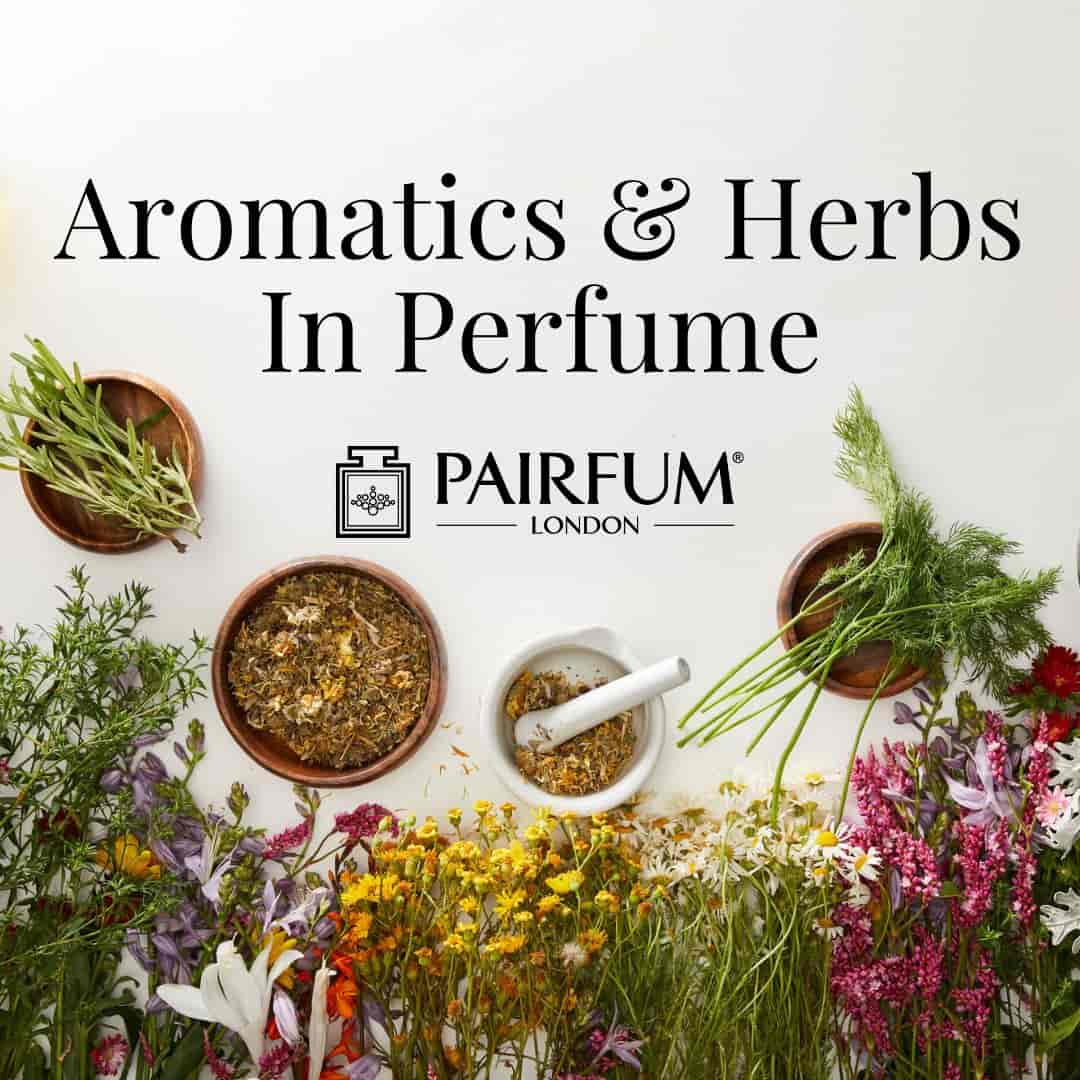
The incorporation of aromatics and herbs in perfume creates a rich and sensory experience filled with olfactory treasures—an enchanting symphony of scent that encapsulates the essence of nature, seamlessly blending it with the artistry of our fragrant desires. As a boutique perfumery house attuned to the latest trends in fragrance, Pairfum London invites you to embark on an immersive journey through the mesmerizing realm of herbal infusions within exquisite perfumes.
In this exploration, we will uncover the unique flavor profiles, captivating history, and sophisticated blending techniques that add profound depth and intrigue to the fine art of perfumery, particularly through the use of aromatic herbs. Awaken your sensory curiosity and fully engage with this intricate tapestry, a journey that unveils the natural beauty and subtle nuances of herbal essence enriching the fragrances we adore.
Unveiling the Historical Significance of Aromatics and Herbs in Perfume
Long before the emergence of modern perfumes, aromatic herbs have held a pivotal role in the fragrance domain. Ancient civilizations, including the Egyptians, Romans, and Greeks, utilized these fragrant botanicals for various purposes. From anointing bodies with infused essential oils to mask unpleasant odors and protect against ailments, to filling spaces with incense during rituals and ceremonies, herbs have profoundly influenced the fragrant tapestry of human history.
Noteworthy herbs such as lavender, mint, and rosemary were cherished not only for their aromatic properties but also for their significance in aromatherapy and herbal tea traditions. Their integration into spiritual and medicinal practices underscores the versatile applications of herbs throughout the ages, revealing their multifaceted roles in enhancing well-being and ambiance.
As the craft of perfumery has advanced, so too has the integration of these aromatic marvels. Today, modern fragrance compositions frequently incorporate various herbs, enriching the olfactory experience with added depth, freshness, and complexity.
Exploring the Unique Scent Profiles of Aromatic Herbs
The diverse selection of aromatics and herbs in perfume presents a vibrant array of olfactory delights, ranging from revitalizing scents to calming, warm aromas. Below are some prominent aromatic herbs often featured as key notes in the world of perfumery:
1. Lavender: Timeless Tranquility
Lavender exudes a fresh, sweet, and floral essence, complemented by herbaceous undertones, making it a vital ingredient in numerous fragrances, especially within the renowned ‘fougère’ family of perfumes. Its enduring appeal contributes a soothing, uplifting, and sophisticated quality to the fragrances it enriches.
2. Mint: A Refreshing Kick
The invigorating aroma of mint is unparalleled among herbs in perfume. Its crisp, slightly sweet, and uplifting scent profile adds a delightful effervescence to fragrance compositions, particularly in top notes, captivating and energizing the senses.
3. Rosemary: Earthy Depth
Rosemary showcases a unique woody and evergreen scent that infuses fragrances with earthy depth and freshness. This versatile herbaceous note brings subtle hints of pine, camphor, and herbal dimensions, making it an intriguing addition to herbal perfume compositions.
4. Basil: Spice and Warmth
The lush, green aroma of basil imparts warmth and spice to a fragrance, introducing an unexpected twist that tantalizes the senses. With undertones of anise and clove, basil’s intricate character is both robust and refined, offering an irresistible aromatic charm.
5. Thyme: Comforting Richness
Thyme presents a delightful blend of herbaceous, subtly sweet, and warm aromas, making it an engaging component in perfumery. Its presence adds a layer of richness and depth to fragrance profiles, creating a soothing and inviting scent experience.
Embracing Modern Innovations in Herbal Perfumery
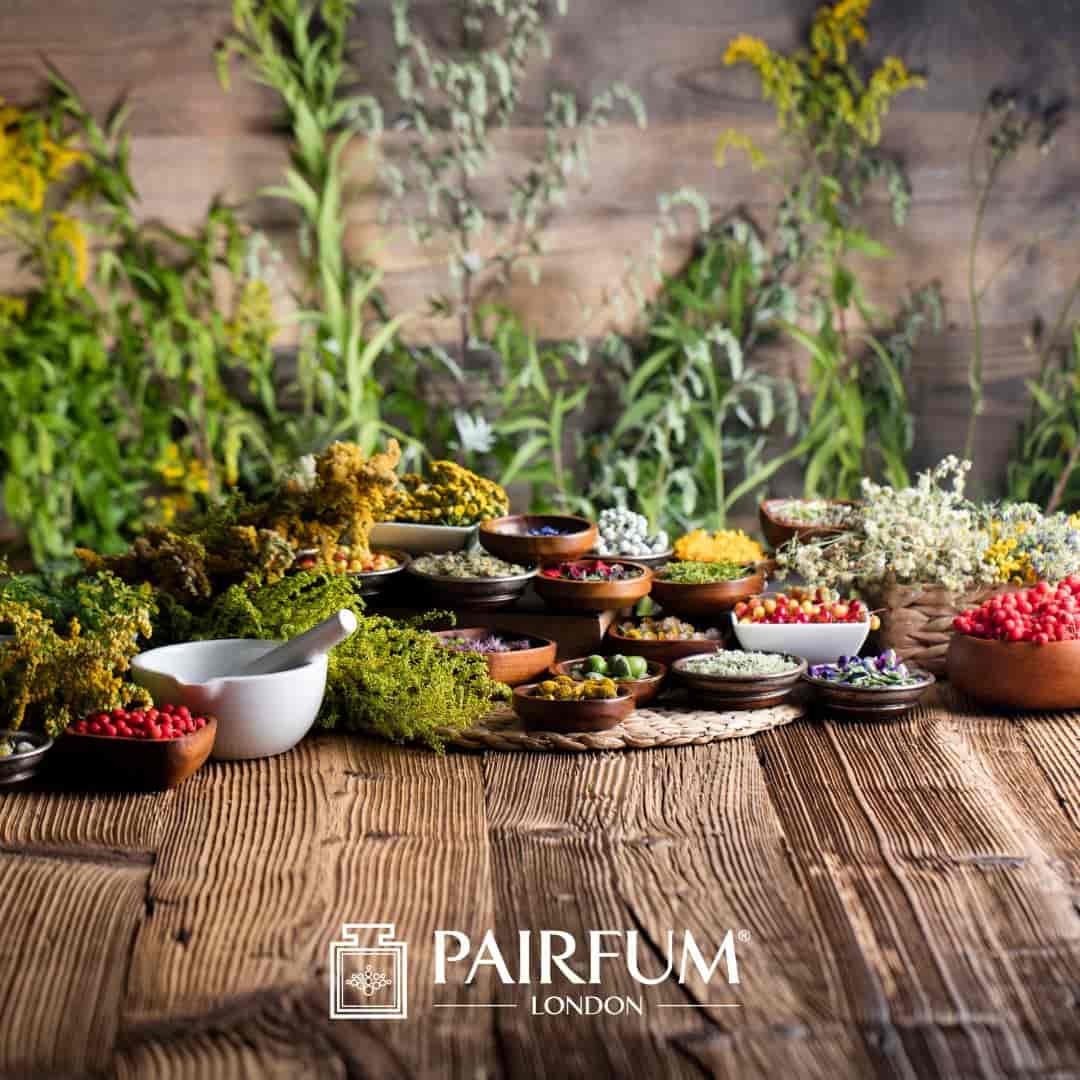
The realm of natural perfumery is experiencing thrilling innovations as artisans and fragrance experts seek novel approaches to integrate natural ingredients and raw materials, including aromatic herbs. These advancements have ignited a revival in the appeal of natural perfumes, which spotlight the beauty and intricacy of herbs as central fragrance elements.
One prevalent technique employed for extracting essential oils from herbs is steam distillation, which captures the pure aromatic essence utilized in perfumes. This method preserves the authentic fragrance, ensuring that each aromatic scent is lively and true to its origin.
Modern perfumers are creatively experimenting with aromatic plant materials to craft fragrances that are not only delightful but also eco-friendly, emphasizing sustainability and ethical sourcing. This movement resonates with the rising consumer demand for natural fragrance products that honor both personal health and environmental integrity.
Artful Blending: Harnessing Aromatics and Herbs in Perfume Compositions
The use of aromatics and herbs in perfume is a time-honored practice that continues to evolve as perfumers experiment with blends and pairings to reveal new dimensions within this art form. Below are examples of how herbs can be artfully blended within fragrance compositions to create a mesmerizing tapestry of scents:
1. Lavender & Citrus: A Refreshing Olfactory Harmony
The invigorating freshness of lavender pairs exquisitely with the zesty brightness of citrus fruits, resulting in a harmonious scent experience that revitalizes and uplifts the senses. In fougère compositions, this duo collaborates beautifully, enhancing the fragrance profile with an energetic burst that feels both refreshing and inviting.
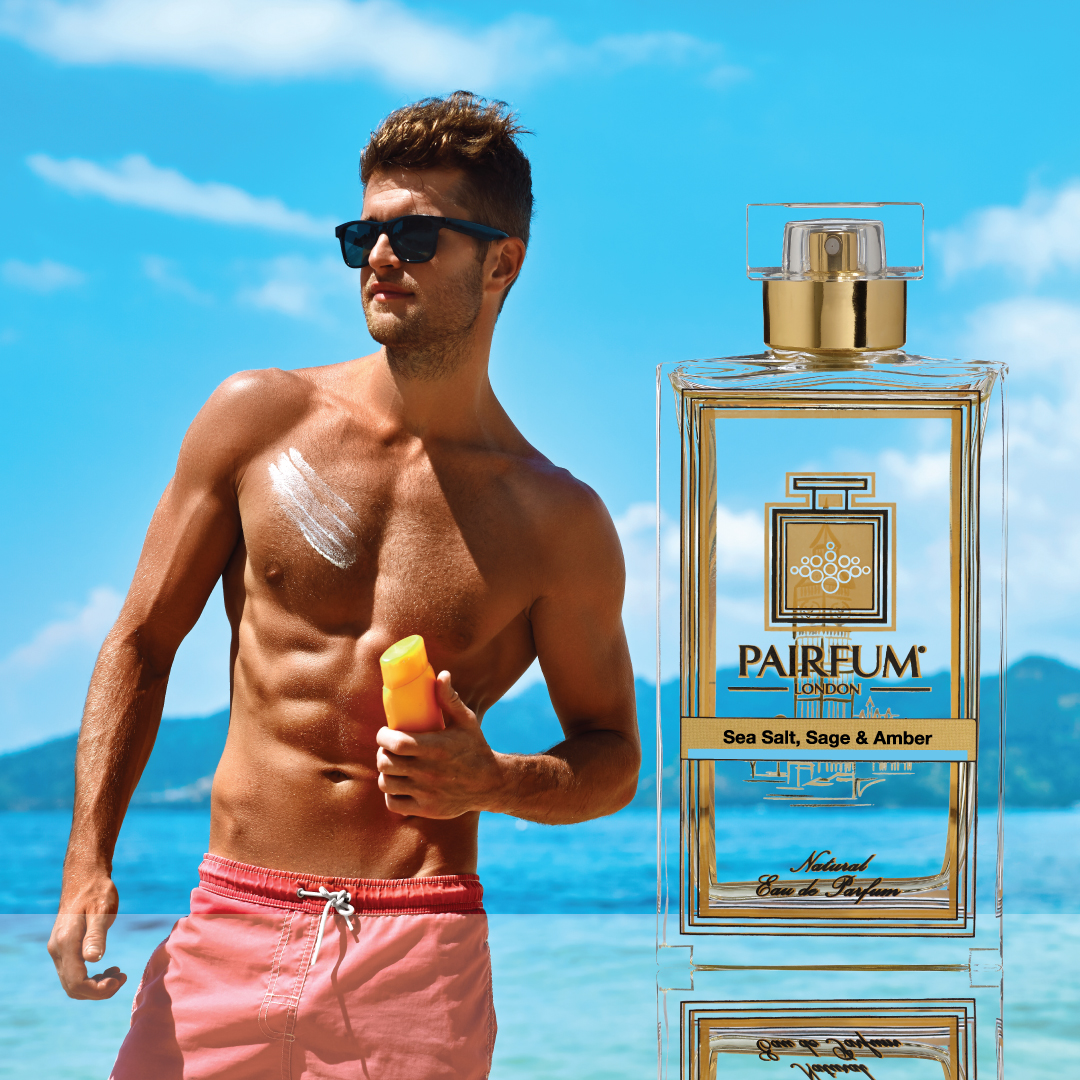
2. Sage & Aquatic Notes: A Cool, Breezy Embrace
The innate freshness and invigorating characteristics of sage work harmoniously with aquatic notes to create a breezy ambiance within a fragrance. This fusion evokes imagery of serene waters and open spaces, transporting the wearer to a tranquil oasis with its camphoraceous, woody, and earthy undertones.
3. Rosemary & Floral Accords: A Delicate Balance
The grounding, earthy essence of rosemary finds an exquisite counterpart in the delicate beauty of floral accords. The woody and evergreen notes of rosemary harmonize with the ethereal elegance of blossoms like jasmine or rose, adding a layer of aromatic contrast that accentuates their intoxicating allure.
4. Basil & Spicy Notes: An Intriguing Symphony
Basil’s warm, spicy notes become even more captivating when blended with spices such as cinnamon and vanilla. This combination introduces a spicy note richness that deepens the fragrance, infusing it with an air of mystery and sophistication that is hard to overlook.

The Transformative Role of Aromatic Herbs in Aromatherapy
Beyond their integration into perfumery, aromatic herbs hold significant importance in the practice of aromatherapy. The therapeutic advantages of these herbs have been acknowledged for centuries, with aromatic herb plants utilized to foster relaxation, elevate mood, and enhance overall well-being.
Herbs such as lavender, rosemary, and mint are frequently incorporated into aromatherapy practices, providing a holistic approach to wellness through their calming and revitalizing properties. The inclusion of herbs in herbal tea blends and home scent diffusers further enhances ambiance, cultivating a soothing environment.
The synergy between aromatic herbs and their healing potential underscores the power of nature’s offerings. Whether found in personal care products or ambient home fragrance solutions, the integration of herbs continues to inspire and refresh our lives.
Unlocking a World of Possibilities: Layering Fragrances
As you navigate the intricate and inviting world of aromatics and herbs in perfume, the opportunities for experimentation and personalization are endless. One effective method to incorporate a touch of herbal allure into your fragrance collection is by layering existing perfumes with complementary herb-infused scents. This tailored blending allows you to enhance or modify specific herbal notes within your fragrance profile, resulting in a captivating aroma that is uniquely your own.
For instance, combining a natural perfume featuring lavender and mint with a warm, spicy fragrance can create an intriguing aromatic contrast that elevates the overall aromatic scent. Moreover, layering can be an excellent way to explore the subtle nuances of dried herbs and their contributions to a home fragrance atmosphere.
Another exciting avenue is to seek niche perfumes that emphasize the artistic use of herbs in their formulations. With the growing appreciation for innovative and unconventional fragrance creations, a plethora of enticing herbal perfumes are available to delight, enchant, and inspire. The inclusion of herbs like violet leaf, known for its delicate and powdery aroma, adds another enriching dimension to the perfume experience.
Incorporating synthetic fragrances alongside natural elements can also provide a contemporary twist, ensuring stability and consistency while still allowing the aromatic plant characteristics to shine through. This approach represents the harmonious balance of raw materials and natural ingredients utilizing modern techniques to create perfumes that are both enduring and dynamic.
 <img decoding="async" width="1080" height="1080" src="https://www.pairfum.com/wp-content/uploads/2024/08/Floral-Aromatics-In-Perfume.jpg" alt="Floral Aromatics In Perfume" class="kb-img wp-image-51182" srcset="https://www.pairfum.com/wp-content/uploads/2024/08

Sienna Blake is a licensed aesthetic consultant and beauty writer specializing in cosmetic surgery advancements and non-invasive treatments. With a background in dermatology and over eight years of industry experience, Sienna is passionate about helping people achieve confidence through informed beauty decisions. She holds a Bachelor's degree in Health Sciences and regularly collaborates with top plastic surgeons to stay at the forefront of aesthetic innovations. Outside of her work, Sienna enjoys traveling, skincare research, and practicing Pilates.
