


Honey.
This delightful word evokes a sense of warmth and sweetness, whether it’s a term of endearment or the taste of nature’s golden nectar melting on your tongue. Yet, not all honey varieties are created equal. You might have heard of manuka honey, but do you truly understand what sets it apart and why it has surged in popularity within the realms of natural healing and wellness? Although it might seem like just a trend, there is a wealth of compelling and emerging scientific research supporting its benefits. Dive into this guide to discover everything about manuka honey and its versatile uses in your home.
EXPLORE THE POWERFUL HEALING BENEFITS OF HONEY
For centuries, honey has been revered for its remarkable ability to heal wounds, and today we recognize its natural antimicrobial and anti-inflammatory properties. The antibacterial qualities of regular honey can be attributed to two primary factors. Firstly, honey has an exceptionally high sugar concentration coupled with a low pH, creating an environment that is inhospitable for bacteria. Secondly, when honey comes into contact with human skin or bodily fluids, the altered pH and sodium content activate an enzyme called glucose oxidase, breaking down glucose and producing hydrogen peroxide. Isn’t that fascinating? This same substance is what your mother applied to your cuts as a child, causing them to foam! Thus, when you apply honey to a wound, it acts as both a disinfectant and a protective barrier against infection. (I hope you find that to be one of the coolest facts you’ve learned this week!) Discover more about honey’s benefits here!
UNDERSTAND THE UNIQUE PROPERTIES OF MANUKA HONEY
Manuka honey, sourced from New Zealand and Australia, is produced by bees that pollinate the manuka bush (Leptospermum scoparium) and exhibits distinct properties. In the 1980s, Professor Peter Molan from Waikato University observed that local manuka honey exhibited significantly higher antibacterial activity compared to other honey types, prompting further investigation. His research revealed that manuka honey contains a high concentration of a compound called methylglyoxal, which plays a crucial role in its potent antibacterial effectiveness.
Why is this important for you? If you’re interested in health and medicine, the implications are groundbreaking (even for someone in the medical field like myself). Studies have demonstrated that active manuka honey can effectively inhibit the growth of nearly all known human pathogens, including those increasingly resistant to conventional antibiotics, such as Staphylococcus aureus, Escherichia coli, and Clostridium difficile. This presents significant possibilities for wound healing, especially since bacteria do not seem to develop resistance to manuka honey over time. Some research even suggests that using manuka honey alongside traditional antibiotics may reduce the risk of developing resistant strains—an important consideration for everyone! (I hope you’ve ditched your antibacterial hand soap by now!)
In addition to its wound-healing properties, manuka honey possesses the unique ability to penetrate biofilms, which are protective layers formed by certain bacteria, making them difficult for most antibiotics to penetrate. Biofilms can develop on mucosal surfaces (such as your esophagus or stomach), in wounds, on teeth (complicating gingivitis treatment), and even on implanted medical devices like mechanical heart valves. Although research in this area is still in its infancy, it holds immense potential for exploration by innovative researchers in the future.
GUIDE TO PURCHASING AUTHENTIC MANUKA HONEY
Due to the varying levels of methylglyoxal in manuka honey, the need for standardization became evident. Consequently, the Unique Manuka Factor Honey Association was established, which now offers a trademarked “UMF” rating system for manuka honey: to be classified as “active,” manuka honey must achieve a UMF rating of 10 or higher, indicating a specific level of antibacterial activity. Generally, the higher the rating, the more potent the activity.
When searching for manuka honey, always look for a visible UMF rating or logo—it ensures you are choosing a pure, unadulterated product, especially considering the prevalence of scammers in the manuka honey market! This premium product comes at a cost, as bees must visit approximately four million flowers to produce just one kilogram of honey. Therefore, use it wisely and sparingly. Here are some fantastic ways to incorporate this healing powerhouse into your daily routine.
INTEGRATE MANUKA HONEY INTO YOUR SKINCARE ROUTINE FOR RADIANT SKIN
- Cleanse your face using manuka honey once a week. Apply a teaspoon of honey to damp skin, gently massaging it into your face and neck with clean hands. Rinse off using a clean, wet cloth for a refreshing cleanse.
- Indulge in a manuka honey mask once a month—apply two teaspoons of honey to freshly washed skin and leave it on for 15 minutes. Wipe or rinse clean, and you might find you don’t even need a moisturizer afterwards.
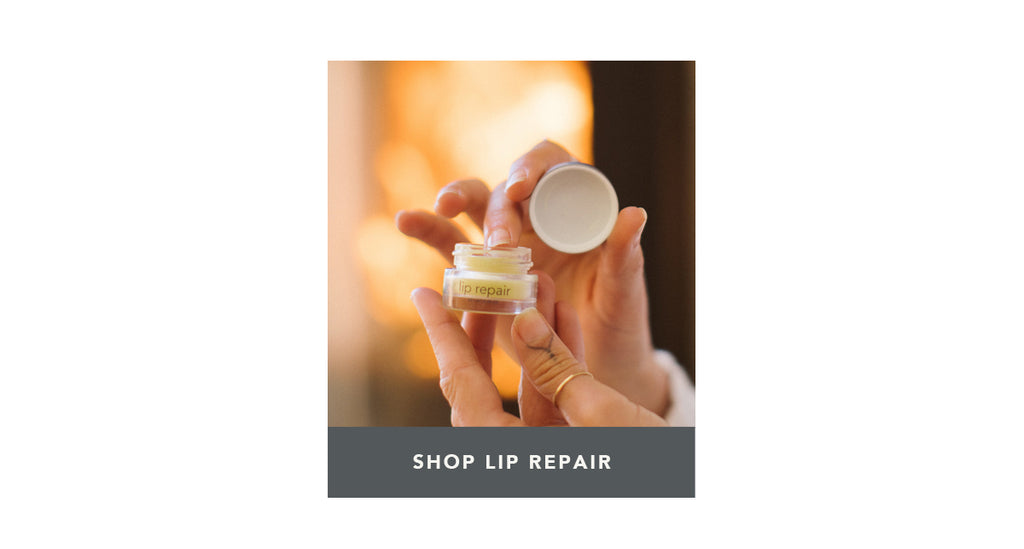
- Soothe your cracked lips with a dab of raw manuka honey, especially before bedtime (try not to lick it off!). Alternatively, you can use our Lip Repair product, which combines raw manuka honey with cupuacu butter and myrrh for exceptional healing benefits.
- If you have cracks at the corners of your mouth (angular cheilitis), use a Q-tip with tea tree oil on one side and manuka honey on the other—this powerful duo acts like a tiny magic wand. Apply the tea tree oil first, and follow up with the honey for optimum healing.
DISCOVER THE HEALTH BENEFITS OF MANUKA HONEY FOR OVERALL WELLNESS
- Gargling manuka honey in lukewarm water can provide soothing relief for an irritated throat. Gargle for 60 seconds, swallow, and avoid eating or drinking for 20 minutes afterward to maximize effectiveness.
- Taking two teaspoons of manuka or buckwheat honey before bedtime can help suppress nighttime coughs. Note: Do not give raw honey to children under one year of age.
- For heartburn relief, consider brewing a tea with fresh ginger root and manuka honey. Allow it to cool to lukewarm before drinking it an hour before bedtime each night.
- Apply a thin layer of manuka honey to cuts, scrapes, or minor burns, and then cover with a clean band-aid. Repeat this process 1-2 times a day until the area is healed.
- Given that manuka honey possesses antibacterial properties and can penetrate biofilms, consider using it mixed with warm water as a mouthwash to enhance your dental health, particularly if you are dealing with periodontal disease.
- Explore oil pulling with a combination of coconut oil and manuka honey. You might be surprised by the improvements your dentist notices at your next check-up!
A final note: always ensure you are sourcing your honey from responsible suppliers who prioritize the health of bees! The alarming issue of colony collapse poses a significant threat, and we all must do our part to safeguard these essential pollinators and the vital role they play in our ecosystem.
With love and a commitment to your health from us to you,

Resources:
https://www.ncbi.nlm.nih.gov/pmc/articles/PMC6613335/
https://www.ncbi.nlm.nih.gov/pmc/articles/PMC5302252/
https://www.ncbi.nlm.nih.gov/pmc/articles/PMC3609166/
https://www.hmpgloballearningnetwork.com/site/wounds/article/honey-biologic-wound-dressing
https://www.ncbi.nlm.nih.gov/pmc/articles/PMC4837971/
https://www.ncbi.nlm.nih.gov/pmc/articles/PMC6225154/
The information contained in this post is for educational interest only and is not intended to represent claims for actions of manuka honey. This information is not intended to be used for diagnosis or treatment of any physical or mental illness or disease.
