


As a dedicated beauty writer, I’ve eagerly embraced every facial gadget and treatment that has crossed my path. I’m always enthusiastic about exploring the latest and most viral beauty trends, tools, and innovative ingredients. Amidst an endless stream of new products and devices hitting the market daily, ancient tools and methods occasionally resurface, reminding us of their enduring effectiveness. Thus, when I was presented with the opportunity to delve into the centuries-old art of facial cupping, I was thrilled to discover what all the excitement was about.
Understanding the Ancient Healing Practice of Cupping Therapy
Cupping therapy is a therapeutic practice that employs suction to invigorate the skin, muscles, and blood circulation. This method, rooted in rich historical traditions, is deeply embedded in Traditional Chinese Medicine and has origins traceable to ancient Egypt. Cupping can be applied to both the face and body to alleviate pain, ease muscle tension, and minimize swelling and water retention. In the context of Traditional Chinese Medicine, cupping is believed to enhance the flow of Qi, which translates to “circulating life force” or “energy.” Essentially, it serves as a revitalizing treatment that alleviates discomfort and reduces swelling (such as puffiness) by stimulating the tissue just beneath the skin, facilitating the movement of excess lymphatic fluids and harmful toxins.
Exploring the Techniques Behind Cupping Therapy
My initial encounter with cupping therapy dates back to the early 2000s, when images of celebrities strutting down red carpets adorned with large, circular red marks on their backs went viral. Although these marks appeared to be the aftermath of something bizarre (and potentially painful), it soon became clear that they were actually the result of this ancient form of therapy known as cupping.
The cupping technique utilizes glass cups that are suctioned to the skin through the creation of negative pressure by igniting a material within the cup. In simpler terms, a small flame is lit inside a round glass cup, and the partial vacuum formed by the removal of oxygen pulls the skin tissue into the cup, which is then left in place for several minutes. This method is designed to stimulate the flow of Qi through energy pathways known as meridians. By enhancing blood circulation, cupping helps eliminate stagnation that could be causing discomfort within the muscle layers. The suction and negative pressure generated by cupping may aid in draining excess fluids and toxins, loosening adhesions, lifting connective tissue, enhancing blood circulation to sluggish skin and muscles, and stimulating the peripheral nervous system.
With this background in mind, I felt a slight unease about performing facial cupping on myself. What if I ended up with unsightly red welts all over my face? Thankfully, the prospect of achieving bouncier, brighter, and more radiant skin outweighed my concerns.
The Transformative Benefits of Facial Cupping
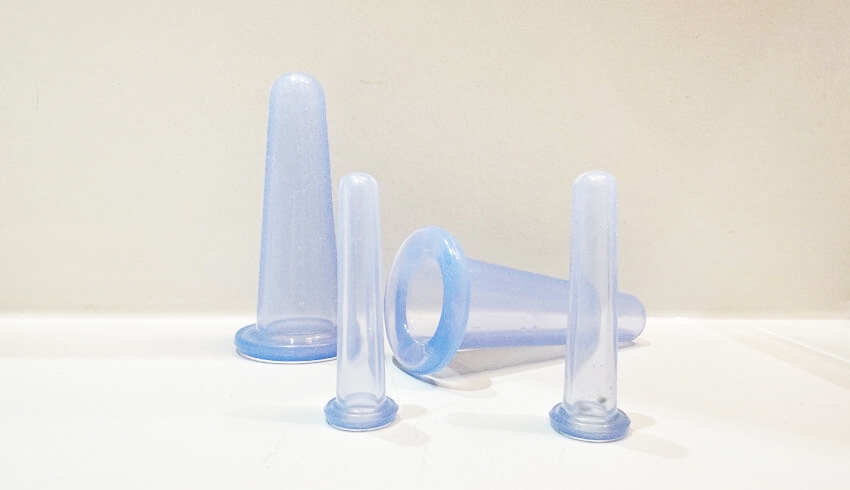
Facial cupping operates on the same principle as traditional cupping but utilizes silicone cups that create suction without the use of heat or glass. This treatment is reported to significantly enhance microcirculation, detoxification, and lymphatic drainage. In simpler terms, if everything goes as planned, my dark circles and puffy under-eye area will be replaced by soft, glowing, and smooth skin. The motion of the cup is believed to effectively circulate and eliminate toxins that accumulate beneath the skin—similar to how lymphatic massage and gua sha can stimulate the detoxification of stagnant fluids, otherwise known as puffiness.
As the popularity of facial cupping continues to rise, it has become increasingly easy to find practitioners who specialize in this technique. My Chinese Medicine doctor has been performing it for years, witnessing tangible benefits for her patients seeking more natural treatments to revitalize their skin and potentially soften fine lines and wrinkles. Given its non-invasive nature, many patients appreciate the idea of trying facial cupping as a gentler alternative to injectables and laser therapies. However, a quick note of caution: Whether you opt for at-home treatment or visit a spa, it’s advisable to wait four to six weeks after receiving Botox or fillers before undergoing this procedure.
A Step-by-Step Guide to DIY Facial Cupping
Before embarking on any new skincare treatments or techniques, always consult with a professional.
I ordered a set of rubber cups online, which arrived in a package containing two large cups and two smaller ones. These were more cone-shaped than traditional “cups” and were thick yet pliable—quite different from the glass spheres I had seen used on the body. The larger cones were intended for use on most areas of the face, such as the cheeks, forehead, and jawline, while the smaller ones were designed for the delicate skin around the eyes. To familiarize myself with the process, I watched several YouTube videos and felt prepared to give it a go.
I began with a thoroughly cleansed face. Next, I applied a light layer of facial oil, opting for my favorite, Facial Recovery Oil, which has a texture just right for the procedure—not too thick, not too thin, offering the perfect glide. A crucial piece of advice I gathered during my research was that the cup should never remain stationary; instead, it should be moved (or slid) from the starting point to the endpoint to avoid creating unsightly red bruise-like marks. Selecting the appropriate oil is vital to this process. Then, it was time to dive into the treatment. Feeling a bit anxious, I pressed the first cup against my cheek, held my breath (not the best idea), and got started.
To my surprise, the experience was quite pleasant. I squeezed the cone between my thumb and index finger, bringing it into contact with my skin. While I felt a firm suction, it was neither overwhelming nor painful. Once I sensed that the cone had adhered properly to my skin, I began gliding it along my facial contours. Starting at my chin, I moved up my jawline to my earlobe and repeated this motion about ten times (always moving upward, never downward). I then transitioned to gliding from the outer corner of my lip to the top of my cheekbone and from the apple of my cheek to my temple. I switched to the smaller cone, beginning at the inner corner beneath my eye and swiping out towards the temple. Again, I employed slow, repetitive motions, focusing on one area at a time. Lastly, I returned to the larger cone, sliding it down from my temple under my chin to the vital chain of lymph nodes located in my neck and collarbone, which may aid in draining lymphatic fluid. I repeated the entire process on the opposite side of my face.
Almost immediately, I sensed an invigorating energy, as if I could feel the fluids being released and moving through the pathways beneath my skin. The sensation was gentle and soothing, not aggressive or painful, almost as if my Qi was coming to life.
Evaluating the Immediate Results of Facial Cupping
After completing the process, I examined my reflection in the mirror and was genuinely impressed by the results I had achieved. My skin appeared flushed in a delightful way—rosy and radiant. Additionally, I perceived that my face looked notably lifted and firm, particularly around my jawline. However, the most significant change I noticed was the transformation of the skin beneath my eyes, which appeared plumped and smooth. The bags had vanished, and I looked revitalized and bright, akin to having enjoyed a full ten hours of sleep and abstaining from any glasses of wine the previous night!
Visual Transformation: Before and After Facial Cupping
Understanding the Side Effects of Facial Cupping
While the redness on my skin could be classified as a side effect, it was certainly a welcomed one. The glow and lifted appearance persisted throughout the day, but the rosy tint faded within an hour. However, I can see how this DIY treatment might lead to some unintended outcomes. When my phone rang and interrupted my rhythm, I inadvertently allowed the cup to remain stationary on my cheek for a few seconds, resulting in a faint red circle forming beneath it. Fortunately, this did not cause any discomfort and disappeared within minutes.
Enhancing Results: Next Steps for Optimal Skin Care
Many of the YouTube tutorials I watched recommended pairing facial cupping with gua sha—another ancient technique known for plumping the skin, stimulating lymphatic flow, and enhancing the detoxification process. Utilizing both practices in conjunction (on alternating days or combined into one session) can complement each other beautifully, helping to minimize puffiness under the eyes and the appearance of fine lines and wrinkles.
My Comprehensive Evaluation of Facial Cupping
The benefits I experienced from treating puffy eyes, enhancing plumpness in areas where fine lines once existed, achieving a rosy glow, and attaining a youthful, vibrant complexion were remarkable, especially considering it only took five minutes of my morning. I have been alternating between the Facial Recovery Oil and the Rosehip Triple C+E Firming Oil, and just a few weeks into my new routine, I feel that my skin appears more vibrant, with any dullness significantly diminished. Additionally, I’ve noticed a marked reduction in puffiness, particularly beneath my eyes, which is a considerable improvement. Overall, my face feels revitalized, refreshed, and lifted. I am committed to making time in my morning routine to continue this beneficial practice.
Have you experimented with facial cupping or other treatments that could help lift and rejuvenate your skin? Share your experiences with us in the comments below or connect with us on social media!
