


Discover the Allure of Green Fragrances: More Than Just Spring Scents
While green fragrances are often associated with the freshness of spring, their aromatic profiles are intricate and multifaceted, making them ideal for the transitional period of ‘not quite autumn.’ Beneath their vibrant, leafy appearances lies a rich tapestry of depth characterized by earthy musks and woody undertones. This captivating interplay of light and shadow adds a layer of sophistication. Typically belonging to the Chypre fragrance family, these scents are known for their mossy and musky qualities that evolve beautifully with the changing temperatures, making them a perfect choice for those seeking an elegant olfactory experience as the seasons shift.
Over the last few years, there has been a notable revival in the popularity of green fragrances, reminiscent of their glory days in the 1970s. This era witnessed an explosion of these nature-inspired scents, cherished by both men and women for their bold, fresh profiles that celebrated the natural world. As we explore modern interpretations of this trend, it’s essential to look back and understand the roots of this aromatic movement. What led to their widespread appeal in the past, and why do they resonate with contemporary audiences today? Let’s delve deeper into the factors that contributed to their timeless allure.

Embrace Nature: The Cultural Significance of Green Fragrances in the 1970s
The rise of green fragrances in the 1970s was closely intertwined with the burgeoning environmental movement and the counterculture ethos of the era. These scents were more than just perfumes; they symbolized a deep-rooted connection to nature and an eco-conscious lifestyle that many individuals sought to adopt. The rich, earthy aroma of patchouli became a defining scent for the hippie generation, embodying their quest for authenticity and harmony with the earth. This cultural alignment allowed green fragrances to resonate profoundly within society, appealing to those who valued sustainability and a natural way of living.
Celebrating Gender Fluidity: The Unisex Appeal of Green Scents
Green fragrances played a pivotal role in challenging traditional gender norms during the 1970s. Many of these scents were crafted to be unisex, blurring the lines between masculine and feminine, thus reflecting the evolving attitudes towards gender roles. This shift allowed both men and women to embrace fragrances that resonated with their personal identities rather than societal expectations. As more individuals sought fragrances that expressed their individuality, the popularity of green scents surged, showcasing their versatility and broad appeal across various demographics.
Fashion Synergy: How Green Fragrances Complemented 1970s Aesthetics
The ascent of green fragrances coincided seamlessly with the fashion trends of the 1970s, characterized by a move towards casual wear and natural fabrics. These scents were the perfect companions to the era’s style, which emphasized a relaxed, effortless vibe that resonated with the sentiment of ‘go with the flow.’ The nature-inspired aesthetics prevalent in fashion at the time harmonized beautifully with the fresh, green notes found in these fragrances, creating a holistic lifestyle that celebrated both style and nature. This synergy contributed to the enduring popularity of green fragrances, making them synonymous with the vibrant spirit of the decade.
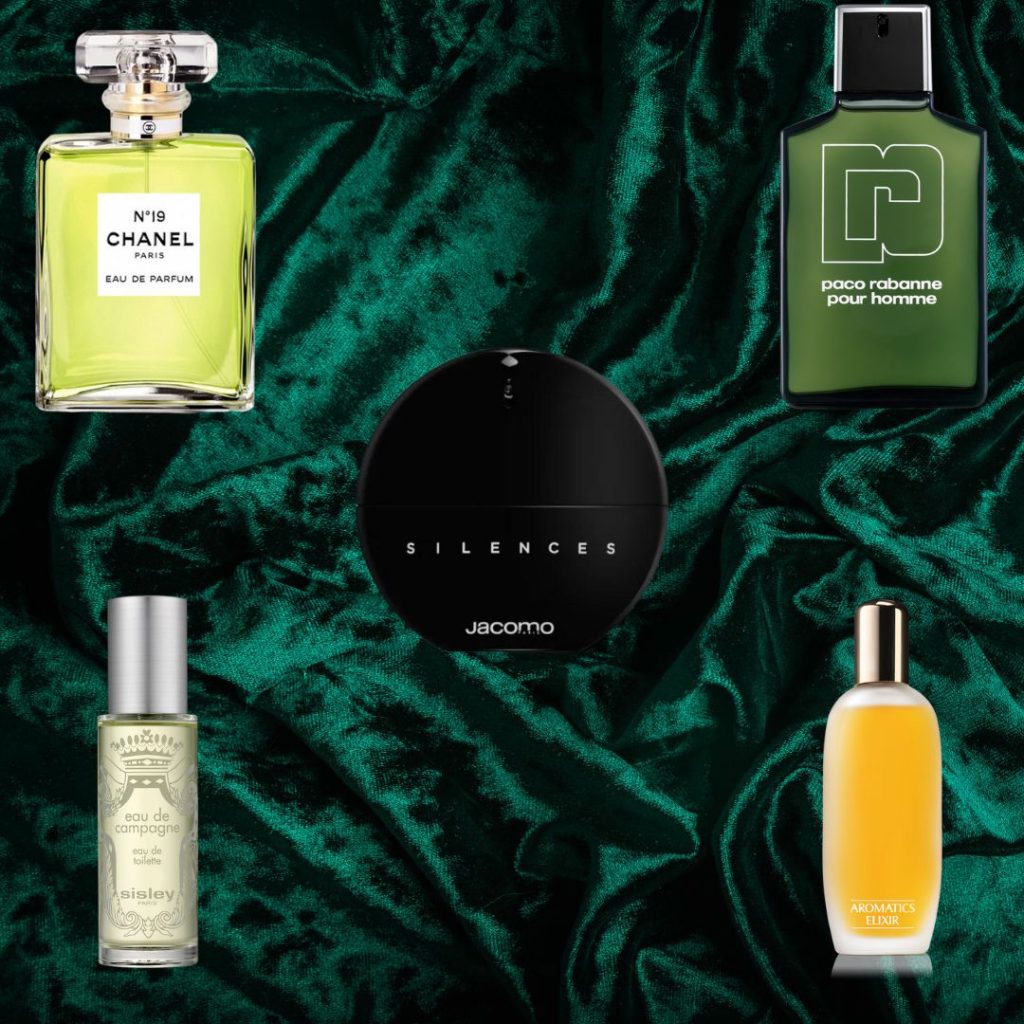
Timeless Classics: Iconic Green Fragrances That Define the Genre
The world of perfumery is filled with renowned green fragrances that have not only achieved popularity but have also become timeless classics: Paco Rabanne Pour Homme (1973): This fragrance captures the essence of masculinity with an exquisite blend of lavender, oakmoss, and honey, creating a fresh yet warm and sensual base. Chanel No.19 (1971): Celebrating Coco Chanel’s birthday, this scent harmonizes the sharp greenness of galbanum with the soft, powdery elegance of iris, making it a sophisticated choice for any occasion. Sisley Eau de Campagne (1976): This fragrance serves as a tribute to the lush French countryside, beautifully capturing the essence of tomato leaves, fresh herbs, and cut grass. Silences by Jacomo (1978): A fragrance that explores contrasts, combining bright galbanum with deep, earthy mossy undertones. Clinique Aromatics Elixir (1971): A bold chypre fragrance that seamlessly blends green notes with a rich, spicy heart and a warm, ambery finish, making it a standout choice in any fragrance collection.
Exploring the Green Chypre Connection: A Fusion of Freshness and Depth
The realm of green fragrances often intersects with that of the chypre family, sharing a mutual appreciation for elements like oakmoss, patchouli, and various woody notes. This intersection creates scents that are both refreshing and deeply rooted, making them particularly suitable for transitional seasons where balance is key. The fusion of these elements in green chypres allows for a unique aromatic experience that resonates with the essence of nature while providing the depth needed for autumnal wear.
Transitioning Seasons: How Green Fragrances Perfectly Bridge Summer and Autumn
As the warmth of summer begins to recede, green fragrances offer a beautifully aromatic bridge to autumn, characterized by their aromatic, woody, and musky notes. These scents reflect the shifting landscape, where lush greenery gradually transforms into the earthy tones of forest floors and sun-warmed bark. In essence, green fragrances encapsulate the complexity of nature, inviting wearers to explore their layers of depth and mystery. They serve as a reminder of the beauty inherent in change, making them ideal companions for anyone looking to transition into the cooler months with style and elegance.
Written by Suzy Nightingale
