

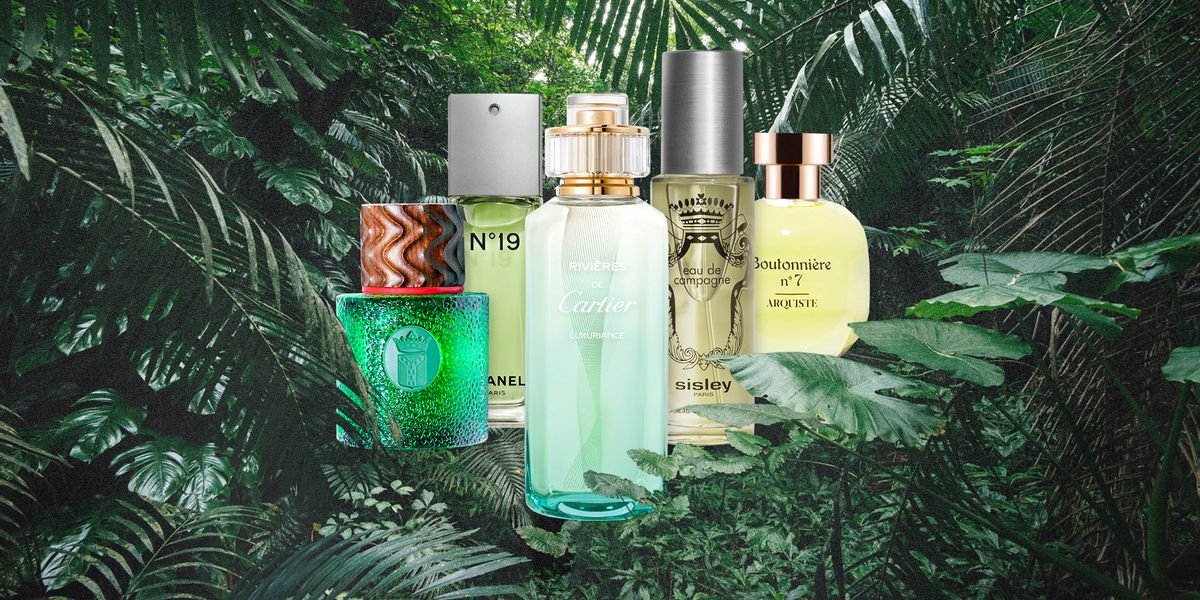
Envision a picturesque path meandering through a lush, vibrant forest, its earth rich and damp from a recent rain. You can feel the texture of a geranium leaf gently crushed between your fingers, releasing its aromatic oils. Imagine walking on a freshly mowed lawn, where the blades of grass create a soft, luxurious carpet beneath your feet, akin to plush fur. Picture a greenhouse brimming with plants, each one energetically engaged in the life-giving process of photosynthesis. Take a deep breath in—that’s the invigorating scent of green. Would you consider wearing this essence on your wrists?
The allure of green-smelling perfumes has ebbed and flowed over time, much like trends in fashion. Fragrance families, from ambers to chypres to ouds, have witnessed shifts in popularity. Green notes first emerged in the fragrance world during the 1940s. The original Miss Dior, launched in 1947, was a harmonious blend of herbaceous and floral elements, while Carven’s Ma Griffe, famously introduced with a remarkable marketing stunt in 1946, showcased a distinctive green profile, featuring notes of clary sage and grassy vetiver. However, a true milestone in green fragrances was achieved with Pierre Balmain’s Vent Vert, crafted by the trailblazing female perfumer Germaine Cellier in 1947. This fragrance, marked by a powerful dose of galbanum, an intensely vegetal resin from a flowering plant native to Iran, was uniquely bold and encapsulated the vibrant spirit of spring, resonating beautifully with the hopeful atmosphere of post-War Europe.
The resurgence of green fragrances came in the 1970s, a decade that coincided with the establishment of Earth Day, a growing awareness of eco-consciousness, and a notable boom in houseplants for interior decor. In a clever twist, Coco Chanel anticipated this trend with the release of Chanel No. 19 in 1971, a masterpiece of 20th century perfumery that ingeniously juxtaposed vivid green notes with earthy, powdery florals, including a significant amount of rare and distinctive orris. Following this, other noteworthy fragrances emerged, such as Estée Lauder Alliage, a green chypre featuring notes of artemisia, oakmoss, and vetiver; Sisley Eau de Campagne, created by renowned perfumer Jean-Claude Ellena, which transports you to the countryside with its wild herbs, basil, tomato leaf, and geranium; Halston, which in its original 1975 formulation delivered a refreshing burst of green leaves and mint; and Chanel Cristalle, known for its tagline “A Brilliant Burst of Fragrant Energy,” which opens with a delicate layer of basil and petitgrain that enhances the floral essence of blooming hyacinth at the heart of the fragrance.
More From Town & Country
Classic Greens

CHANEL No19 Eau de Toilette Spray

Sisley Paris Sisley Paris Eau de Campagne Eau de Toilette at Nordstrom, Size 3.3 Oz

CHANEL Cristalle Eau de Toilette Spray

Creed Creed Green Irish Tweed Fragrance

Estée Lauder Private Collection Fragrance Spray
Experts in the fragrance industry, including perfumer Olivier Polge, assert that green notes “bring sparkle to a perfume, as well as a feeling of joyfulness.” This could explain their recent revival in the realm of fine fragrances. During the pandemic, there was a noticeable increase in demand for rich, intense perfumes, often characterized by spicy, smoky, amber-y profiles, designed to penetrate through masks and rekindle a sense of olfactory pleasure for those temporarily deprived of their sense of smell. However, the pandemic also sparked a renewed appreciation for the beauty of nature. While it made sense to seek comfort in warm, enveloping scents during isolation, it follows that we now yearn to emerge from our cocoon and embrace something refreshing, invigorating, and vibrantly alive.
“The scent of green connects us directly to the plant kingdom and to the nurturing embrace of mother nature,” explains D.S. & Durga founder and perfumer David Seth Moltz. He crafted the brand’s lively and aromatic Bistro Waters, integrating a variety of vegetal notes, including an extraction of fresh bell pepper, pea flower, lime water, and basil. “Green embodies earthiness, grass, stems, and leaves; it signifies freshness and vitality. This is why we feel an innate attraction to it.” Moltz also emphasizes the wellness aspect, noting, “Our bond with nature fosters feelings of safety, calmness, and repose.” This connection aligns with the practice of forest bathing or Shinrin-Yoku, a therapeutic approach originating in Japan during the 1980s. Research indicates that inhaling phytoncides—the airborne chemicals released by trees and plants—and terpenes, which are present in their essential oils, can significantly lower blood pressure, heart rate, and stress hormones. Essentially, the scent of green not only delights our senses but is also beneficial for our well-being. UK wellness brand The Nue. Co has embraced this concept with their fragrance Forest Lungs, marketed as an “anti-stress fragrance supplement,” featuring notes such as vetiver, pine, and patchouli, shown to alleviate anxiety. Additionally, Understory, a limited-edition fragrance from Vintner’s Daughter released earlier this year, also encapsulated a restorative journey through woodland, incorporating notes of conifer, bay, moss, and violet leaf.
Numerous raw materials—both natural and synthetic—contribute to the green notes found in contemporary fragrances, similar to how diverse instruments can harmonize to create a symphony. The most prominent elements include galbanum, violet leaf, vetiver, petitgrain, geranium, and oakmoss. The latter two are essential components of the Fougere or fern accord, a hallmark of 19th-century men’s fragrances. Herbaceous notes like rosemary and sage, along with balsamic evergreens such as pine, also play significant roles. Cartier perfumer Mathilde Laurent, renowned for her ability to faithfully capture the essence of plants and flowers, has a particular admiration for the wild, forest-like aroma of lentiscus, or mastic—a shrub native to her home in Corsica. “I have incorporated it into many of my fragrances,” she shares, “but it holds special significance in Luxuriance Riviere, inspired by my beloved river in my Corsican village. Each time I visit with family and friends, I gather lentiscus leaves and share them, allowing everyone to experience this incredibly fresh, green, and watery scent that is almost reminiscent of garlic. It holds a dear place in my heart.”
New Greens
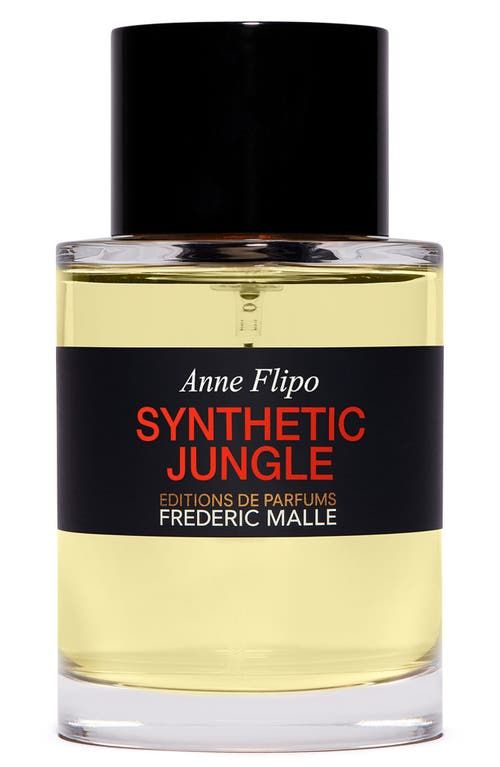
Frédéric Malle Frédéric Malle Synthetic Jungle Parfum at Nordstrom, Size 0.34 Oz

D.S. & Durga Women’s Bistro Waters Eau De Parfum – Size 2.5-3.4 oz.

Sienna Blake is a licensed aesthetic consultant and beauty writer specializing in cosmetic surgery advancements and non-invasive treatments. With a background in dermatology and over eight years of industry experience, Sienna is passionate about helping people achieve confidence through informed beauty decisions. She holds a Bachelor's degree in Health Sciences and regularly collaborates with top plastic surgeons to stay at the forefront of aesthetic innovations. Outside of her work, Sienna enjoys traveling, skincare research, and practicing Pilates.