


The green smell in perfumery is a captivating and tantalizing scent that has intrigued fragrance enthusiasts for generations. This enchanting aroma evokes the essence of nature, conjuring images of lush landscapes and hidden treasures waiting to be discovered. The allure of the green smell lies in its ability to transport us to serene outdoor spaces, making it a beloved choice among many perfumers and fragrance aficionados alike.
Green notes provide a distinctive crispness and sharpness that enhances the natural quality of perfumes. Whether these notes are woven into floral, chypre, aromatic, woody, or fruity fragrances, their refreshing essence serves as a magical element, infusing a sense of ‘outdoor life’ into every scent. The versatility of green notes makes them an essential component in the world of perfumery, allowing for innovative and vibrant olfactory compositions.
As a boutique perfumery house that embraces the latest trends and sensibilities in fragrance, Pairfum invites you on a fascinating journey to explore the mysterious green smell of perfumery. In this article, we will unveil its intricate nature, shedding light on its captivating characteristics and the artistry behind its creation.
Join us as we dive into the origins of this captivating aroma, uncover its various nuances, and examine its profound impact on the art and craft of perfumery. Prepare to immerse yourself in this mystical olfactory world, where green perfumes embody the spirit of nature and its intricate allure, captivating the senses and transporting us to a realm of sensory enchantment.
Exploring the Rich Heritage of the Green Smell in Perfumery
While the term ‘green smell’ may evoke a sense of mystery, it has a rich heritage that is deeply intertwined with the history of perfumery. This enigmatic aroma refers to a specific genre of scents inspired by leaves, stems, and the fresh essence of grass. Its roots can be traced back to nature, where it draws inspiration from the vibrant greenery found in gardens and forests.
During the transformative periods of the 1960s and 1970s, perfumers began to explore the unique olfactory charms of green notes, with classic fragrances such as Estée Lauder’s Alliage, Givenchy’s III, Vent Vert by Balmain, and Chanel’s Nº19 leading the charge. As the practice of olfactory artistry evolved, so too did the green smell, finding its way into diverse fragrance compositions. This captivating scent has captured the hearts of perfume enthusiasts who seek solace in nature’s embrace.

Discovering the Nuances and Variations of the Green Smell
Just as nature presents a diversity of scents, the green fragrance in perfumery encompasses a vast array of olfactory experiences that can be classified along several fascinating spectrums. Each category captures the essence of different green elements, allowing for a rich tapestry of scents that evoke various aspects of the natural world.
Revitalizing Fresh, Leafy Greens
Imagine the invigorating scents that fill the air after a refreshing rain in a lush forest or earthy garden. These fragrances often contain a bright note reminiscent of crushed green leaves and rich vegetation, capturing the essence of vibrant life. This fresh and invigorating aroma, akin to freshly cut grass, calls to mind the lively fragrances of summer that celebrate the beauty of greenery and the natural world.
Exploring Bitter Greens and Resinous Exudations
Some green scents carry a bitterness that evokes the sap-filled resin exuding from a freshly broken tree branch or stem. One prominent example is galbanum, a plant often used in perfumery for its uniquely potent green note. The resin derived from galbanum (Ferula galbaniflua) exudes an aromatic profile that conveys a deeply green, bitter, and earthy scent, adding complexity to fragrance compositions.
Embracing Grassy Greens and the Sweetness of Coumarin
This category of green scents is inspired by the nostalgic aroma of newly mown grass. The olfactory compound coumarin, found in sweet grasses and plants like tonka bean, creates a sweet, hay-like fragrance that evokes sunny days spent outdoors. The scent of freshly cut grass is both invigorating and reminiscent, embodying the very essence of summer.
Infusing Herbal Greens with Warm Spices
Aromatic herbs such as lavender, rosemary, basil, sage, and thyme impart a warm green aroma with a fragrant, spicy character. These herbal green notes can evoke the delightful sensation of wandering through herb gardens on a sunny day, introducing an added layer of depth and complexity to various fragrances. When combined with citrusy or aquatic notes, these aromatic elements create a light, refreshing, and outdoor-inspired scent. Additionally, they blend beautifully with mosses, woods, and resins, enhancing the overall fragrance experience.

Key Botanical Ingredients Enhancing the Green Smell in Perfumery
When searching for the ingredients that contribute to the green aroma in perfumery, several botanical elements stand out due to their distinctive green notes:
Galbanum: The Essence of Green in Fragrance
As previously discussed, galbanum is a vital ingredient in numerous green fragrances. This plant, native to Iran, releases a powerful earthy aroma with underlying green and bitter tones. Perfumers often utilize galbanum to create green chypres and intriguing scent combinations, enhancing the overall olfactory profile of the fragrance.
Green Tea: A Soothing Touch of Freshness
Green tea contributes a soft, calming aura to perfumes, imparting a delicate freshness that is simultaneously subtle and sophisticated. Its unmistakable scent features hints of green leaves coupled with a slight earthiness, enriching the composition with a serene, natural quality that appeals to many fragrance lovers.
Ivy: A Crisp and Vegetal Green Note
Ivy offers a crisp, vegetal green scent that brings a distinctive charm to green perfumery. The addition of ivy to a fragrance can evoke wistful nostalgia, conjuring images of ancient castles draped in ivy and overgrown gardens filled with secrets and stories waiting to be told.
Oakmoss: Nature’s Earthy Richness
Oakmoss, a member of the lichen family, imparts a woody, earthy aroma that deepens the fragrance profile, establishing a connection to the forest floor. Frequently used in chypre fragrances for its resinous and green qualities, oakmoss adds a level of intensity and richness that enhances the overall scent experience.
Violet Leaf: The Dewy Freshness of Nature
Violet leaf introduces a fresh, green leaf aroma that carries a slightly metallic quality. This ingredient contributes a dewy, crisp aspect to perfumes, reminiscent of the green leaf volatiles one might encounter in nature, adding a layer of freshness to fragrance compositions.
Fig: Fruity Freshness with Earthy Undertones
The green fig note offers a fruity and fresh scent, with a hint of earthiness that evokes the lushness of fig trees. This note adds a sweet, succulent dimension to green fragrances, enhancing their complexity. Additionally, the scent of green beans, with its unique and slightly sweet vegetal aroma, further enriches the vibrancy of these fragrances.
Unveiling the Unique Aroma of Matcha in Perfumery
In the realm of perfumery, matcha, a finely ground green tea powder, is celebrated for its unique and distinctive scent profile. The aroma of matcha in a fragrance can be characterized by several defining qualities:
- Green and Fresh: Matcha has a vibrant green aroma that is invigorating and refreshing, closely resembling the scent of freshly cut grass or green leaves.
- Earthy and Vegetal: There is a notable earthy and vegetal quality to matcha, evoking the natural essence of tea leaves and their grounding characteristics.
- Slightly Bitter: Matcha carries a subtle bitterness akin to green tea, contributing depth and complexity to a fragrance.
- Creamy and Smooth: The aroma often features a creamy and smooth undertone, providing a soft and comforting facet to its scent profile.
- Mildly Sweet: A gentle sweetness can also be found in matcha’s aroma, balancing its earthy and green characteristics.
Overall, matcha imparts a fresh, earthy, and slightly sweet quality to perfumes, creating a serene and sophisticated olfactory experience that resonates with many fragrance enthusiasts.
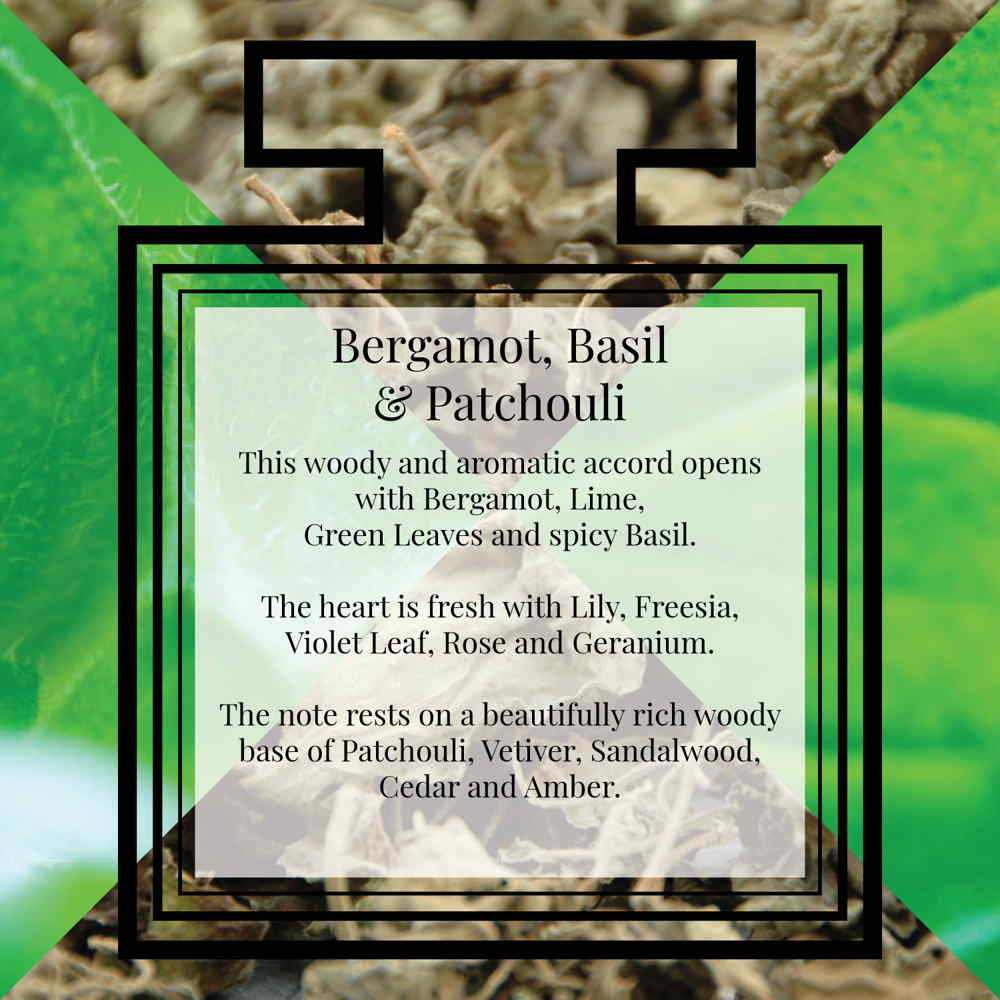
Basil: The Herbaceous Delight in Fragrance
In the world of perfumery, basil presents a distinct and multifaceted aroma profile. Here are the key characteristics that define basil’s scent:
- Herbaceous and Fresh: Basil possesses a green, herbaceous quality that is rejuvenating and invigorating, reminiscent of freshly crushed leaves.
- Spicy and Warm: A subtle clove-like spiciness adds warmth and complexity to basil’s fragrance, elevating its aromatic profile.
- Sweet and Slightly Anise-like: Basil can exhibit a sweet undertone, accompanied by hints of anise or licorice, contributing to its unique and appealing scent.
- Citrusy and Bright: Certain varieties of basil feature a mild citrusy aspect, adding a bright and zesty note to perfumes.
Basil brings a lively, aromatic, and slightly spicy character to fragrances, making it a popular choice among perfumers seeking to create both fresh and complex scent compositions.
Mastic: The Rare Green Note in Fragrance
Mastic, also known as lentisque or lentisk, is a resin obtained from the mastic tree (Pistacia lentiscus). In perfumery, mastic is recognized for its distinctive and multifaceted aroma. It offers a natural green note that, while not very common in fragrances, adds an intriguing touch.
Its scent profile can be characterized by:
- Green and Fresh: Mastic has a sharp, green, and slightly balsamic quality that imparts a fresh and invigorating character to perfumes.
- Pine and Resinous: Its aroma possesses a pine-like, resinous scent that adds depth and complexity, evoking the essence of the outdoors or forest.
- Earthy and Woody: Mastic features earthy, woody undertones that enhance the natural and grounding aspects of a fragrance.
- Slightly Citrus: There is also a subtle citrusy facet to mastic, contributing a hint of brightness and zest.
Overall, mastic lends a clean, aromatic, and slightly spicy dimension to perfumes, making it a versatile and valued ingredient in both men’s and women’s fragrances.
Garlic: Unlikely Aromatic in Perfumery
In the realm of perfumery, garlic is typically avoided as a primary note due to its strong and often off-putting aroma. However, if garlic were to be analyzed in the context of fragrance, its scent profile would include:
- Pungent and Sharp: Garlic possesses a very intense aroma that is immediately recognizable and can be overwhelming.
- Spicy and Sulfurous: The scent of garlic is spicy and contains sulfur compounds, contributing to its distinctive and often acrid profile.
- Earthy and Raw: There is an earthy quality to garlic, frequently associated with freshly cut bulbs.
- Savoury and Warm: Garlic’s aroma can also be described as warm and savoury, commonly linked with culinary applications.
Blackcurrant Bud: A Unique Green-Fruity Aroma
The young blackcurrant buds are primarily harvested in Burgundy (France) early in the year, and the absolute is obtained through solvent extraction. Its olfactory profile is both green and fruity, resembling boxwood, and adds a delightful twist to various fragrance compositions.
Synthetic Green Notes: Expanding the Olfactory Palette
In addition to natural ingredients, there exists a variety of synthetic green notes that enrich the fragrance landscape by providing diverse facets to the green smell in perfumery:
- Cis-3-Hexenol, Cis-3-Hexenyl Acetate, Triplal, Vivaldie, Cortex, and Gabascone.
- Fruity facets: Liffarome, Stemone.
- Vegetal facets: Asparagus, Gardenia, Sytrallyl Acetate.
- Cucumber facets: Nonadienal.

Sienna Blake is a licensed aesthetic consultant and beauty writer specializing in cosmetic surgery advancements and non-invasive treatments. With a background in dermatology and over eight years of industry experience, Sienna is passionate about helping people achieve confidence through informed beauty decisions. She holds a Bachelor's degree in Health Sciences and regularly collaborates with top plastic surgeons to stay at the forefront of aesthetic innovations. Outside of her work, Sienna enjoys traveling, skincare research, and practicing Pilates.
