


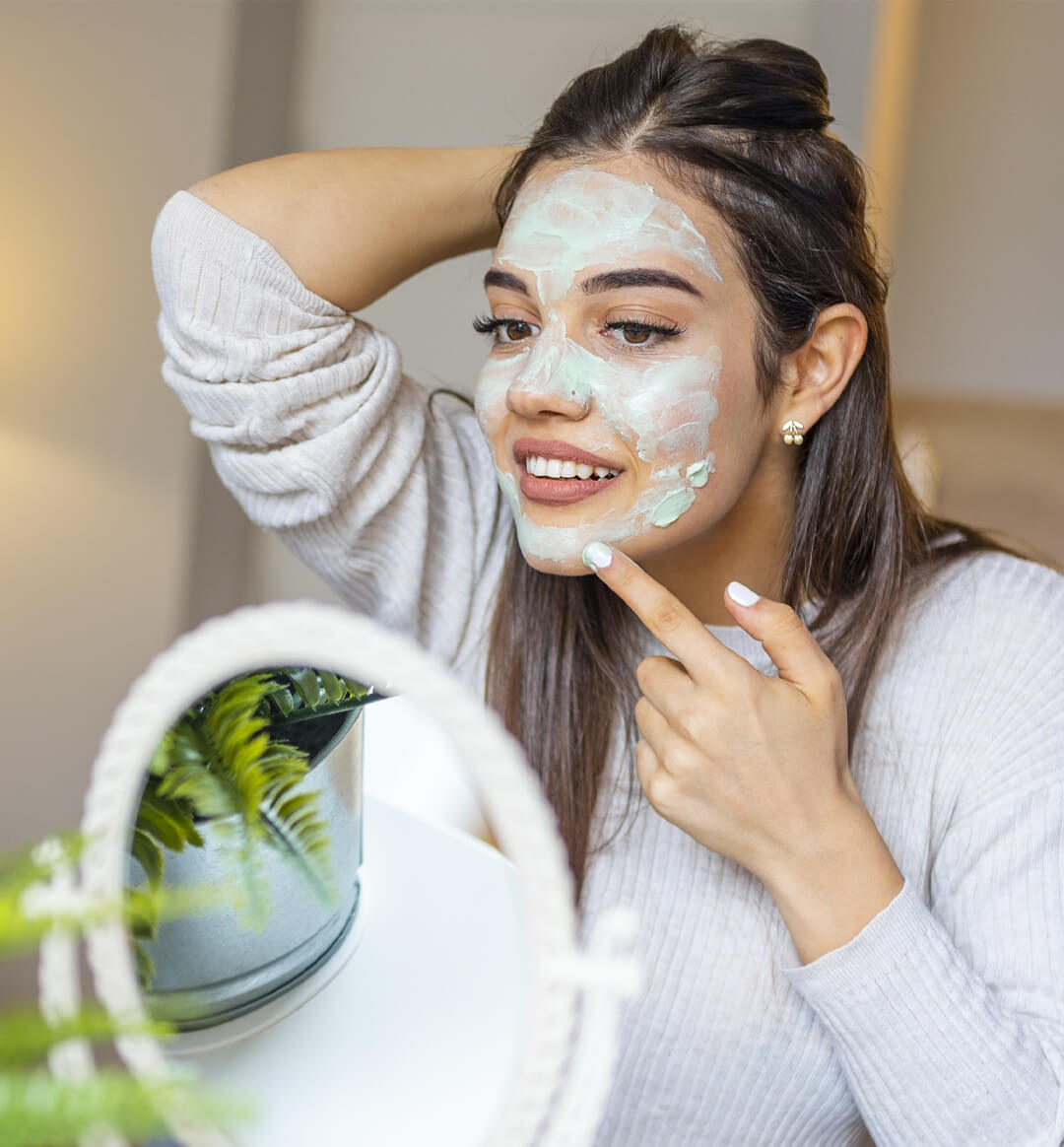
Acne can often feel like the ultimate adversary to achieving clear, healthy skin. When an unsightly acne blemish appears, we frequently resort to extreme measures, resorting to strange treatments or making hasty decisions in an effort to eliminate it. This rash behavior might include applying products not intended for skin care, like Windex, or trying questionable DIY extraction methods. However, it’s crucial to emphasize that applying Windex directly on your pimple is a major no-go.
Statistics indicate that approximately 80 percent of individuals will experience the distress of acne at some point in their lives. Given the frequency with which pimples manifest, it’s understandable that we’re inundated with countless myths and misguided treatment ideologies. This article aims to decode the most prevalent acne myths and unveil effective DIY acne blemish treatments that genuinely promote clearer skin – all without the unwanted side effects!
Debunking Common Acne Treatment Myths and Discovering Effective Alternatives
Are you searching for guidance in the treacherous landscape of acne remedies? For each myth surrounding acne treatment, we’ll introduce a reliable DIY solution aimed at restoring your skin to its healthy state.
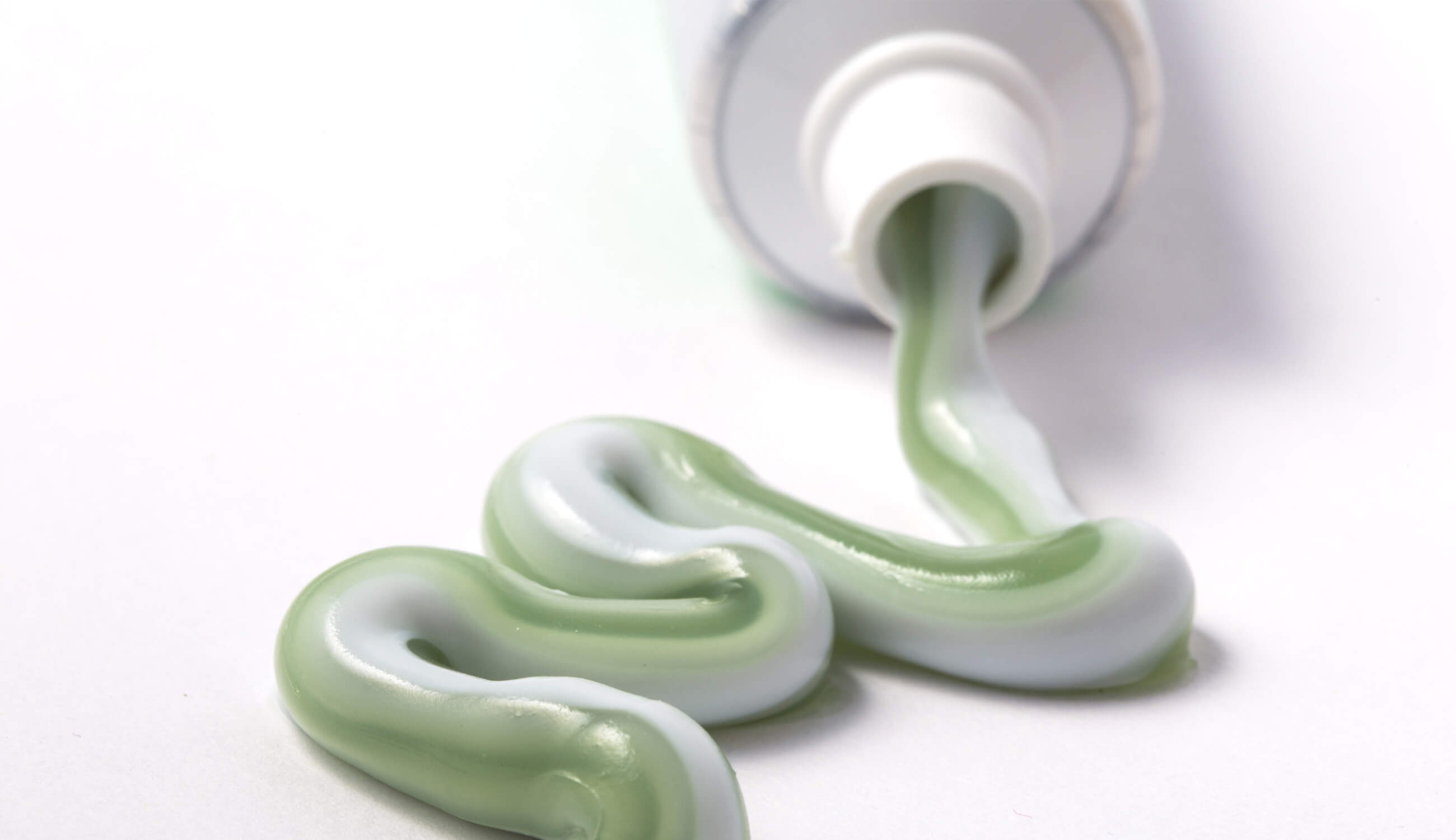
Myth #1: Applying Toothpaste to Treat Pimples
When you think of the annoying buzzer and the large, orange ‘X’ that indicates an incorrect answer on Family Feud, that’s the cue you should hear in your mind. Applying toothpaste to your acne is a misguided strategy – it’s simply not a suitable treatment!
While toothpaste is indeed a potent product for whitening teeth and removing surface stains, it’s not formulated for your skin. Dr. Rachel Nazarian from the Schweiger Dermatology Group cautions against this practice, stating, “You shouldn’t apply something intended for dental hygiene on your sensitive skin – it could lead to irritation.”
Natural Apple Cider Vinegar Acne Spot Treatment
Organic apple cider vinegar, water, cotton balls
Instead of relying on toothpaste, consider applying diluted organic apple cider vinegar to your breakout. This natural remedy possesses remarkable anti-acne properties, as the organic acids in ACV work to eliminate acne-causing bacteria, reduce inflammation, and diminish the visibility of scars.
Step 1: Combine 1 part apple cider vinegar with 3 parts water.
Step 2: Gently cleanse your face using a natural cleanser to remove surface debris. Our Pore Detox Herbal Cleanser effectively detoxifies skin and unclogs pores, enhancing your complexion.
Step 3: After cleansing, apply the ACV mixture to your skin using a cotton ball. Allow it to sit on the acne blemish for 1-2 minutes, then rinse with water and gently pat dry.
Myth #2: Squeezing Blackheads is Acceptable
Many of us have succumbed to the temptation of squeezing blackheads and popping pimples. It’s challenging to resist when those pesky blackheads resemble dirt dots on our skin, or when an acne blemish seems to demand our attention. Blackheads occur when clogged pores are exposed to air, leading to oxidation and the formation of dark spots – hence the term “blackhead.”
It’s crucial to avoid squeezing those stubborn blackheads and inflamed pimples. Using your fingers can leave unsightly indentations and exacerbate the situation. Without care, you risk developing broken capillaries or scars, which could become long-term issues.
Gentle DIY Blackhead Exfoliating Scrub
Dry oatmeal, baking soda, lemon juice, bowl, towel
You can easily create a soothing home remedy for a gentle scrub or spot treatment. This natural scrub works wonders for exfoliating skin and controlling excess oil, leading to clearer pores and a more radiant complexion.
Step 1: Start with clean, dry skin. (This is an ideal moment to indulge in a steam facial for added benefits).
Step 2: In a mixing bowl, combine 1/4 cup of dry oatmeal with 1 teaspoon of baking soda, then add 1 tablespoon of fresh lemon juice.
Step 3: Blend the ingredients into a paste. If the mixture seems too dry, add more lemon juice; if it’s too watery, incorporate additional oatmeal until reaching the desired consistency.
Step 4: It’s time to scrub! Apply the mixture to damp skin, working it in gently for about a minute. Use circular motions, focusing on areas prone to blackheads, such as your nose and chin. Rinse thoroughly and pat dry.
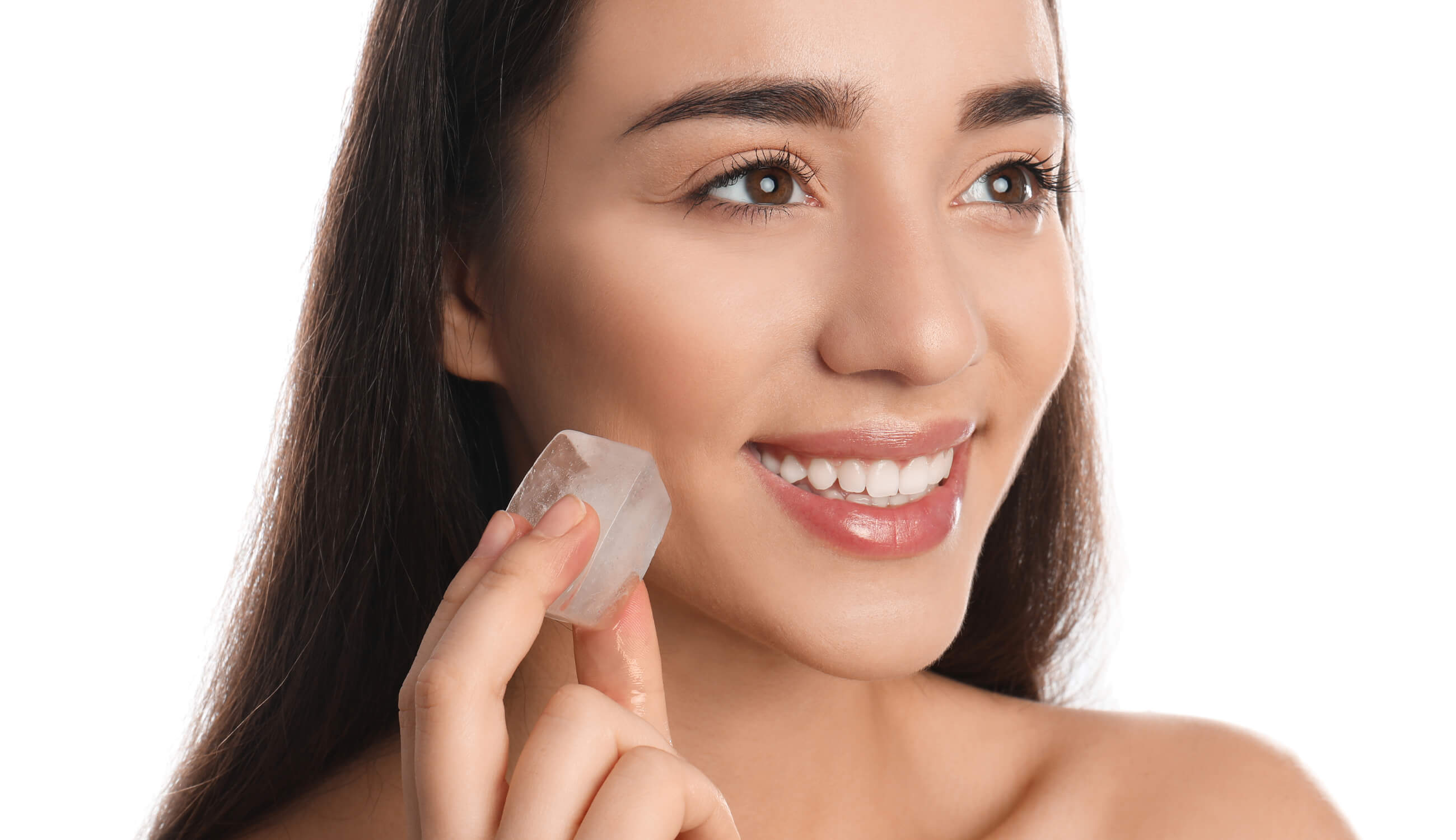
Myth #3: Icing Reduces Redness and Swelling
The concept of using ice for inflammation is not a revolutionary idea. Since the 1970s, especially following the introduction of that iconic RICE method for injuries, people have recognized the benefits of ice. RICE stands for rest, ice, compression, and elevation, and is an effective strategy for minimizing pain and swelling.
Ice can indeed soothe redness and diminish the inflammation associated with an acne blemish. The application of ice constricts blood vessels, leading to reduced swelling and irritation.
DIY Ice Pack and Infusion Cubes
Pre-made ice or empty ice tray, towel or cotton cloth, lemon juice or green tea (optional)
Using an infused ice pack wrapped in a cloth is significantly kinder to your skin than direct contact with an ice cube. Always avoid placing ice directly on your skin or acne blemish, as it could result in ice burns or peeling, especially if your skin is dry.
Step 1: Create an ice pack by wrapping ice cubes in a small towel or placing them inside a sandwich bag, then encase it in a towel for protection.
Step 2: Hold the cold compress against the affected area for about 5-10 minutes. Afterward, take a break for 3-4 minutes, then reapply for another 5-10 minutes.
Step 3: For added benefits, consider making infusion ice cubes by freezing a 50:50 mixture of water and either lemon juice or green tea. Rubbing these cubes on the affected areas can provide anti-inflammatory and soothing effects.
Myth #4: Avoid Facial Oils if You Have Oily Skin
It’s understandable that those with oily skin may want to shy away from facial oils, largely due to the misconception that applying oil will lead to even more breakouts. This notion is a myth that deserves to be debunked!
The reality is that for those with oily skin, the occurrence of breakouts and additional oil production is often a result of overly drying the skin by skipping moisturizer or using harsh ingredients that strip away natural oils. When the skin is deprived of its essential oils, it compensates by producing even more, often leading to further breakouts.
Facial oils can actually help restore your skin’s natural oil balance, preventing excessive oil production and breakouts. They also deliver anti-inflammatory and antibacterial properties, which can alleviate redness and sensitivity associated with acne.
DIY Face Oil for Oily Skin
Jojoba oil, tea tree oil, glass bottle
Step 1: Combine 30 mls of jojoba oil (or another non-comedogenic carrier oil) with 2-3 drops of tea tree oil. Jojoba oil is excellent for regulating oil production while rehydrating the skin. The antibacterial qualities of tea tree oil combat acne-causing bacteria, making this blend highly effective. You can also find tea tree oil in our Tea Tree Balancing Moisturizer and Tea Tree Deep Detox Mask.
Step 2: Apply 3-5 drops of this mixture to your palms, rub your hands together to warm the oil, and then gently pat the oil onto your face until it’s fully absorbed. Store the remaining mixture in a dark glass bottle in a cool, dry location.
Myth #5: Alcohol-based Products are Effective for Treating Zits
Many of us have experienced the moment of desperation where we turned to rubbing alcohol for our acne, thinking it might be a quick fix. However, it’s essential to understand that this ingredient, which is effective for disinfecting surfaces, has no place on your delicate facial skin!
Alcohol strips the natural oils from your skin, leaving it uncomfortably dry. In response, your skin compensates by producing even more oil, leading to a cycle of breakouts and exacerbating your acne issues.
Fortunately, there are far gentler and more effective alternatives available. A proper cleansing routine is critical, especially when using a cleanser with ingredients specifically targeting acne concerns, such as our Tea Tree & Willow Clarifying Cleanser. Moreover, incorporating a vitamin C serum can help fade acne scars and enhance overall skin health!
Additionally, rather than resorting to alcohol-based toners that strip the skin, consider a natural astringent tailored for acne-prone skin. A DIY astringent featuring witch hazel can naturally reduce acne due to its strong antioxidant and astringent properties, effectively tackling bacteria that thrive within the skin’s pores.
Witch hazel, tea tree oil, distilled water, glass bottle
Step 1: Combine 1/4 cup of witch hazel with 2-3 drops of tea tree essential oil or alternatively, marula or green tea oil.
Step 2: Pour the mixture into a glass bottle and fill the remainder with 1 cup of distilled water. Mix thoroughly.
Step 3: Use a cotton pad to dispense the toner and apply it gently all over your skin, moving upwards and outwards from the center of your face.
Curious about acne care and the potential causes behind it? Discover common triggers for breakouts and learn effective strategies to combat them. It’s time to abandon those acne myths and embrace proven solutions! Share this knowledge to help end the cycle of misinformation about acne treatments!
Answers to Common Questions About Acne Treatments
What are some prevalent myths regarding acne treatments?
Myth: “Acne is a result of poor hygiene.”
Fact: While maintaining cleanliness is crucial, acne primarily arises from factors such as genetics, hormonal changes, and bacterial presence, not from inadequate hygiene practices.
Myth: “Tanning helps clear up acne.”
Fact: Although sun exposure may temporarily dry out acne, it poses risks by damaging the skin and potentially leading to more breakouts later. Additionally, UV exposure heightens the risk of skin cancer.
Myth: “Acne only affects teenagers.”
Fact: Acne can affect individuals of any age, including adults in their 30s, 40s, and beyond, often due to hormonal fluctuations, stress, and various other factors.
Myth: “You can eliminate acne overnight.”
Fact: Effective acne treatments require time to show results, and there is no overnight solution. Consistent skincare and patience are essential components of the process.
Is toothpaste a viable spot treatment for acne?
No, toothpaste is neither an effective nor a recommended solution for treating acne. Although it contains ingredients such as baking soda or hydrogen peroxide that might dry out a pimple, it can also lead to skin irritation, causing redness, flaking, or even worsening the acne. It’s better to opt for products specifically designed for treating acne.
Can squeezing blackheads effectively remove them?
Squeezing blackheads is not advisable and can often lead to more harm than good. This action may push bacteria and debris deeper into the skin, resulting in increased breakouts, inflammation, and potential scarring. Instead, utilizing a gentle exfoliant or a product containing salicylic acid can unclog pores and reduce blackheads over time.
How effective is ice in reducing acne-related inflammation?
Ice can be useful for temporarily diminishing the redness and swelling associated with an inflamed pimple. It operates by constricting blood vessels and slowing blood flow to the area, which minimizes inflammation. However, ice should be viewed as a supplementary treatment rather than a primary solution, as it does not address the root causes of acne.
Should individuals with oily skin avoid using facial oils?
Not necessarily. Although it might seem counterproductive, certain facial oils can actually assist in balancing oily skin and preventing excessive sebum production. Lightweight, non-comedogenic oils like jojoba, squalane, and rosehip won’t clog pores and can hydrate the skin without triggering breakouts. It’s essential to select suitable oils and use them in moderation.
