



Experiencing a dental injury is a common occurrence for children as they navigate their active lives. From the moment they start to walk as toddlers to their engagement in sports and outdoor play, it’s not unusual for children to chip or break a tooth. If you discover that your child has chipped a tooth, there’s no need for panic; just ensure you visit a pediatric dentist for a thorough examination. This guide will provide valuable insights into dental chipping or breaks in children, the immediate actions you should take if it happens, and the various treatment options available to restore your child’s dental health.
Understanding Why a Chipped Tooth is Common Among Children
Due to their playful nature and boundless energy, children are constantly in motion—running, jumping, and sometimes falling. With such high levels of activity, it’s not surprising that they might experience impacts to their teeth. Dental injuries can occur from simple play or sports activities, leading to various types of tooth damage.
In many cases, a child may sustain only a minor fracture where a small part of their tooth is chipped. However, more severe instances can occur, such as a complete avulsion, where a permanent tooth is entirely knocked out of its socket. This type of injury requires urgent medical attention and is classified as the most serious form of dental trauma.
As a proactive measure, it’s essential for parents to contact a dentist, preferably a pediatric dentist, even if the tooth appears to be in good condition at first glance. Children often do not exhibit immediate pain or noticeable symptoms, making it crucial to seek professional evaluation to ensure proper care.
Immediate Steps to Take When Your Child Chips a Tooth
Discovering that your child has chipped a tooth can be concerning, but it’s important to remember that most dental injuries are not life-threatening. Therefore, staying calm is vital for both you and your child. Keeping a level head will help you navigate the situation effectively and reassure your child, who might be feeling anxious or scared. Your supportive demeanor can greatly influence how your child reacts to the incident.
Maintain Composure in a Stressful Situation
As a parent, exhibiting calmness during this stressful moment is crucial. Your ability to remain composed not only helps you manage the situation but also alleviates your child’s fear. By providing comfort and using soothing words, you can create a sense of security for your child, allowing them to feel more at ease despite the circumstances.
Conduct a Thorough Inspection of Your Child’s Mouth
Carefully inspect your child’s mouth to determine if there are any fragments of the chipped tooth. Rinse their mouth gently and assess for any signs of pain or bleeding. Applying a cold compress can help alleviate any discomfort. If you notice that the tooth is loose or partially dislodged, it’s crucial to place a clean, moist gauze on the affected area and have your child bite down gently to maintain pressure and stability.
Promptly Contact Your Dentist for Professional Guidance
Contact your dentist without delay. Even if your child seems fine and is not experiencing significant pain, it’s still wise to schedule an appointment with a pediatric dentist. Chipped teeth can sometimes involve deeper cracks that may expose the tooth’s pulp to bacteria, increasing the risk of infection. Early intervention is key to ensuring your child’s dental health.
Recognizing When It’s Critical to Seek Dental Care
While you can take some initial steps at home, it’s essential that your child receives a comprehensive evaluation from a dentist or pediatrician after any dental injury. Many parents may be uncertain about the need for professional medical care. To help you make this decision, here are specific signs and symptoms that indicate your child’s tooth requires immediate attention, whether at an emergency room or a dental office:
Identifying Pain or Sensitivity in the Affected Tooth
If a tooth has been chipped or broken, the nerve may be exposed, resulting in increased sensitivity and pain, particularly to hot or cold stimuli. This discomfort is a clear indication that professional evaluation is necessary.
Managing Bleeding in the Tooth and Gums
To address bleeding, apply gentle pressure to the affected area. However, if the bleeding persists after ten minutes of pressure, you should contact your dentist immediately for further assistance. Persistent bleeding can be a sign of more serious issues that require prompt attention.
Monitoring for Additional Complications Post-Injury
Should the chipped or injured tooth go untreated, your child might face additional complications, including fever, increased pain levels, difficulty eating, redness, pus, or swelling. These symptoms are indicative of potential infections and can signal the presence of a dental abscess, which necessitates urgent care to prevent the infection from spreading.
Be vigilant for other serious infection symptoms, such as pain or stiffness in the neck, chest pain, or an inability to fully open the mouth. Recognizing these signs early can be crucial in obtaining timely medical intervention.
Exploring Available Treatment Options for Dental Injuries in Children
The management of your child’s dental injury will depend on whether the affected tooth is a primary (baby) or permanent (adult) tooth. A qualified dentist will provide tailored treatment recommendations based on your child’s age and the specific nature of the injury.
Since primary teeth eventually fall out, if the injury involves a small chip and there is no risk of infection, your pediatric dentist may determine that treatment is not necessary. However, they will assess the situation and discuss the most suitable options moving forward to ensure your child’s dental health.
Understanding the Bonding Procedure for Chipped Teeth
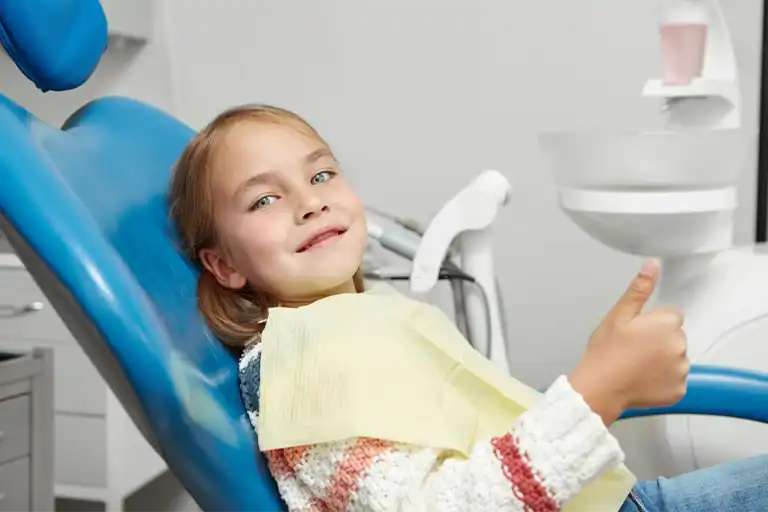
Bonding is a straightforward and commonly performed procedure to address a chipped tooth. During this treatment, the dentist applies a composite resin—an aesthetic filling material that matches the natural color of the tooth—to the chipped area. The dentist then molds this material to seamlessly restore the tooth’s original shape and functionality, allowing your child to regain confidence in their smile.
Considering Crowns for More Severe Damage
In cases where a child has experienced significant damage to a tooth, a dental crown may be recommended by the pediatric dentist. This crown acts as a protective cap that covers the affected tooth, restoring its size, shape, and function. Crowns are particularly useful in preserving the integrity of the tooth while preventing further complications.
When Tooth Extraction Becomes Necessary
If the fracture of the tooth is particularly severe and restoration is not feasible, extraction may be the only viable option. In such cases, your pediatric dentist will carefully remove the tooth to prevent the spread of infection or damage to surrounding teeth. After extraction, a space maintainer may be employed to keep the adjacent teeth from shifting into the gap left by the lost tooth. This device, often referred to as a spacer, is essential for preventing complications such as overcrowding or misalignment in the future.
