


In the vibrant beauty industry, the term clean is currently generating considerable excitement and interest. As you browse through online platforms or stroll through retail outlets, you’ll encounter a plethora of products proudly labeled as “clean beauty,” and consumers are enthusiastically purchasing these items. Research conducted by market analysis firm Statista reveals that more than half of women prefer natural or organic formulations when selecting skincare products. While it is evident that we are experiencing a significant clean beauty movement, the definition of what constitutes clean beauty is somewhat ambiguous. For some individuals, clean beauty signifies formulations composed solely of natural, “nontoxic” ingredients. Others associate it with products that are produced sustainably and ethically. There are also consumers who expect clean beauty products to meet both these criteria, and potentially more.
The complex reality is that while the FDA oversees cosmetic products, it does not evaluate or approve individual products or ingredients prior to their market release. A representative from the agency emphasizes that companies are required to ensure their products are safe as per legal standards. Additionally, the Modernization of Cosmetics Regulation Act of 2022 aims to provide the FDA with enhanced resources and authority to oversee cosmetic brands and enforce necessary recalls. “In Europe, more than 1,300 ingredients are banned,” notes Defne Arikan, CEO of Bryhel Cosmetic Labs, who collaborates closely with chemist Yehiel Amouyal. “However, in the U.S., only a relatively small number of substances are banned by the FDA in formulations.” (The Personal Care Products Council, an industry association, has claimed that “80 percent of these ingredients have either never been used or would not be utilized as cosmetic components.”)
This highlights that terms such as clean, green, and eco-friendly lack regulation from a governing body, allowing brands and individuals to define these terms according to their own standards. To assist you in locating products that embody the ideals of being clean, natural, sustainable, and effective, we consulted with cosmetic chemists, brand founders, dermatologists, and environmental advocates. Their insights help illuminate the essential characteristics to look for in clean beauty products.
Exploring Essential Skin Nutrients for Radiant Skin
These carefully crafted oil blends harness the power of consciously sourced plants combined with safe synthetics to enhance skin health and vitality.
Farm to Face
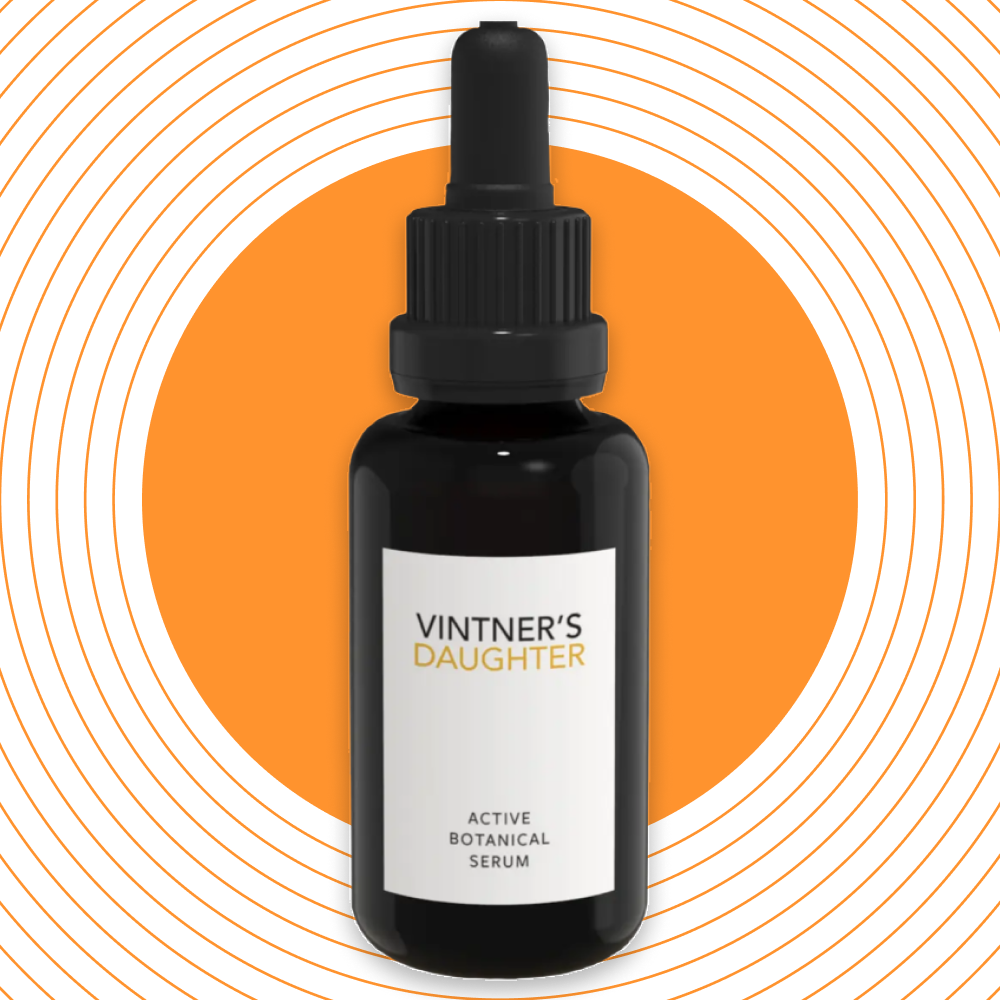
1. Vintner’s Daughter Active Botanical Serum
This innovative treatment incorporates twenty-two meticulously selected plants, which are expertly infused into this oil-based serum. It is designed to balance, soothe, and illuminate all skin types, enhancing your natural beauty.
Moisture Lock
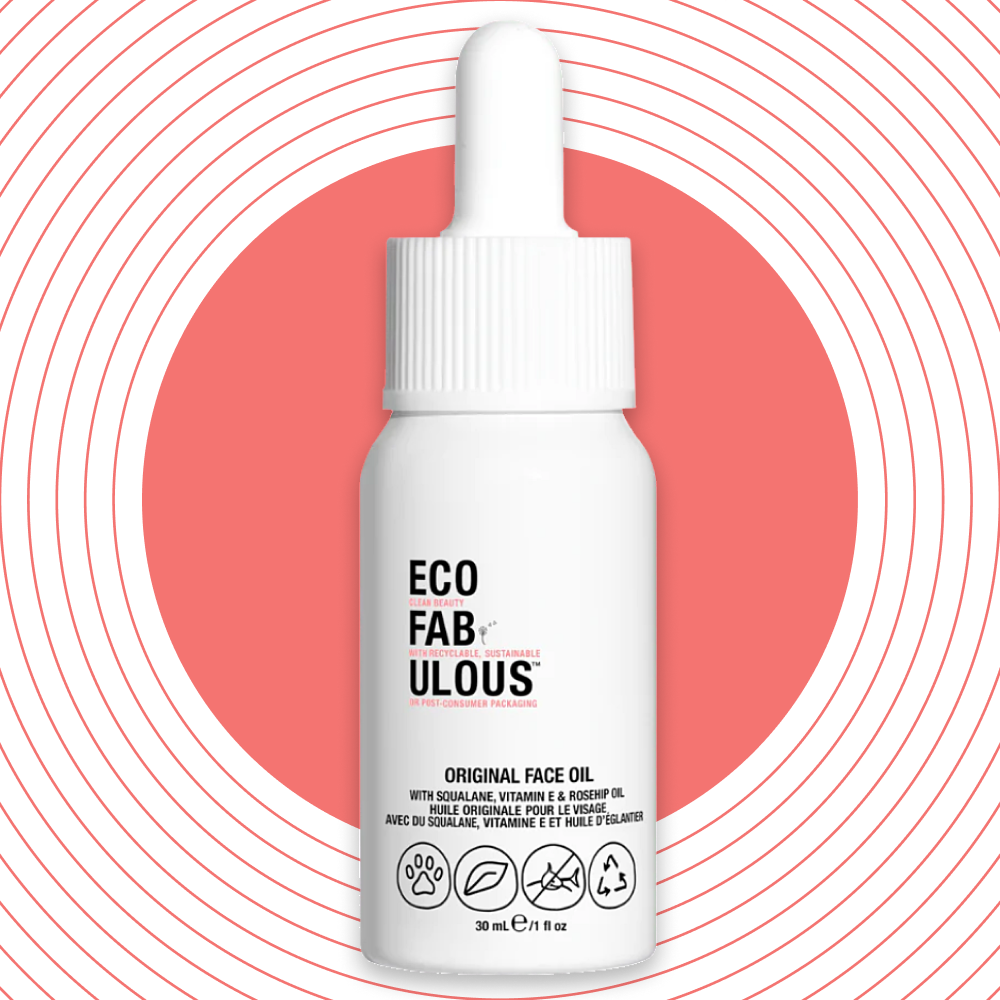
2. EcoFabulous Original Face Oil
This lightweight facial oil features a blend of squalane, rose hip oil, and vitamin E. Apply it to damp skin post-cleansing or toning to lock in moisture, followed by your preferred treatments like retinol and moisturizer for optimal hydration.
A Drop of Dew
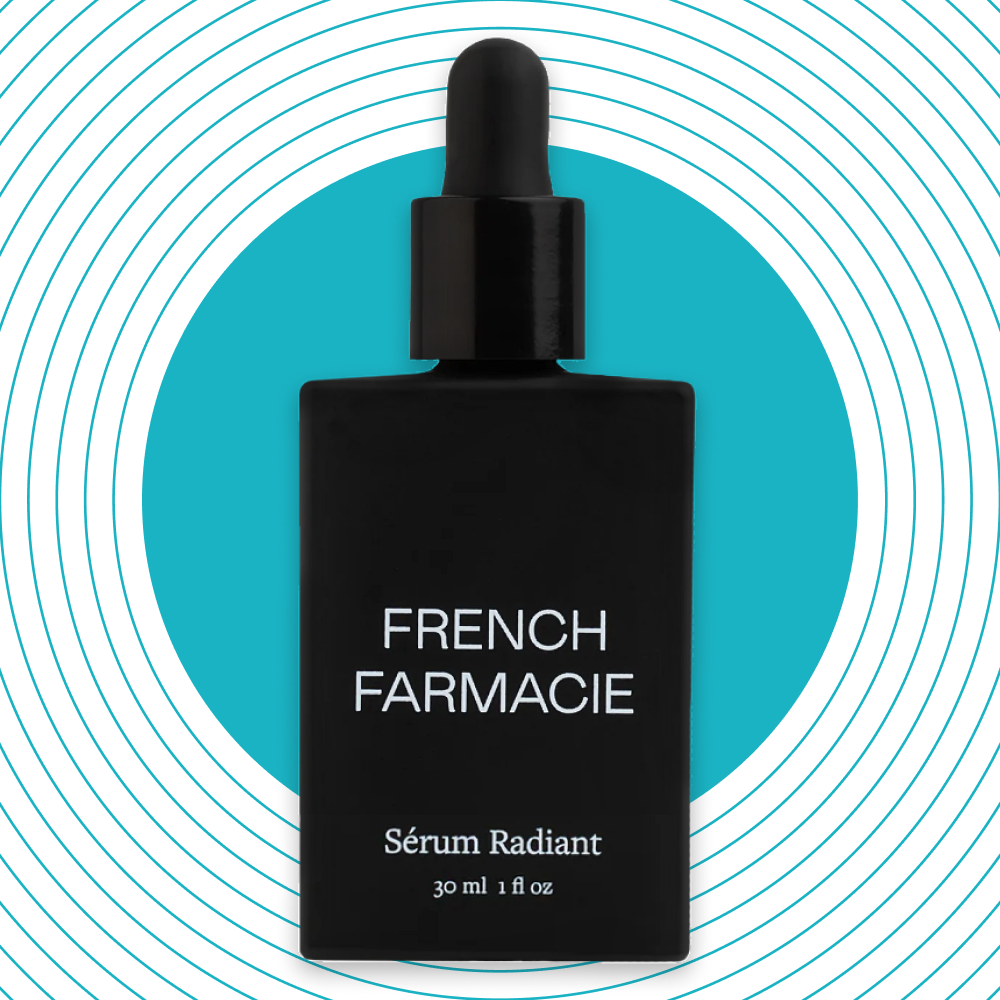
3. French Farmacie Sérum Radiant
This radiant serum is packed with antioxidants, vitamins, and minerals sourced from a diverse array of oils and extracts, including sea buckthorn, rosemary, and plum. It provides a luminous glow, especially when blended with your foundation.
Evaluating Ingredients for Optimal Skin Health
Since your skin is the largest organ in your body, it’s vital to be discerning about the products you apply to it. Many skincare enthusiasts advocate for selecting clean formulas that prioritize natural ingredients as a means of promoting skin health.
This perspective holds merit, as numerous beneficial skin-enhancing compounds are found in nature. Consider ingredients like shea butter, jojoba oil, and argan oil, which offer remarkable advantages. However, it is also important to recognize that certain synthetic components may irritate sensitive skin or pose environmental hazards. For instance, silicones can contribute to environmental pollution, while specific sulfates, such as SLS (a foaming agent), can be detrimental to marine ecosystems and irritate the skin. “My primary motivation for creating my own clean skincare line fifteen years ago stemmed from the realization that the negative impact of toxic chemicals overshadowed any benefits from the so-called active ingredients,” shares Macrene Alexiades, MD, a dermatologist based in New York City.
Nevertheless, there is a caveat. Just because an ingredient is sourced from nature doesn’t guarantee its safety or effectiveness for your skin. Numerous natural substances can cause irritation or even adverse reactions. A prime example is poison ivy, but certain essential oils used in skincare can lead to redness or exacerbate acne.
Moreover, the concept of “natural” does not inherently equate to “good,” just as “synthetic” does not automatically imply “bad.” In fact, synthetic ingredients can sometimes be more environmentally friendly than their natural counterparts. “I prefer using specific ingredients in their synthetic forms to ensure higher purity and quality,” states Krupa Koestline, a cosmetic biochemist and consultant for KKT Consultants. “Colorants, for instance, fall under this category since natural colorants may harbor concerning levels of heavy metals that must be processed to meet FDA standards. Synthetic colorants, on the other hand, are formulated in controlled environments without these impurities. New synthetic methods for producing vitamins are often preferable as extracting naturally sourced vitamins depletes resources and is an energy-intensive process.”
Innovative companies like Amyris, known for popular brands such as Stripes and Biossance, are pioneering the fusion of technology and chemistry to create sustainable, safe ingredients that surpass the environmental impact of their natural equivalents. For example, squalene, a moisturizing ingredient traditionally derived from shark livers and plant sources like olives (which is then hydrogenated to form “squalane” for cosmetic purposes), is now being synthesized using proprietary yeast strains and sustainably harvested sugarcane. “The outcome is a squalane that is not only purer but of superior quality compared to that derived from olives,” explains Daan Thorn Leeson, senior director of product innovation at Amyris.
Ultimately, shoppers interested in clean beauty tend to seek products that contain safe ingredients for themselves and the planet. This can be achieved through responsibly sourced natural ingredients or intelligently formulated synthetics.
Discovering Must-Have Makeup Essentials for a Clean Beauty Routine
Clean cosmetics have significantly advanced in terms of performance; innovations in pigment and formula have resulted in rich colors and long-lasting formulations that apply smoothly and enhance the overall appearance and texture of the skin.

Cheek, Please
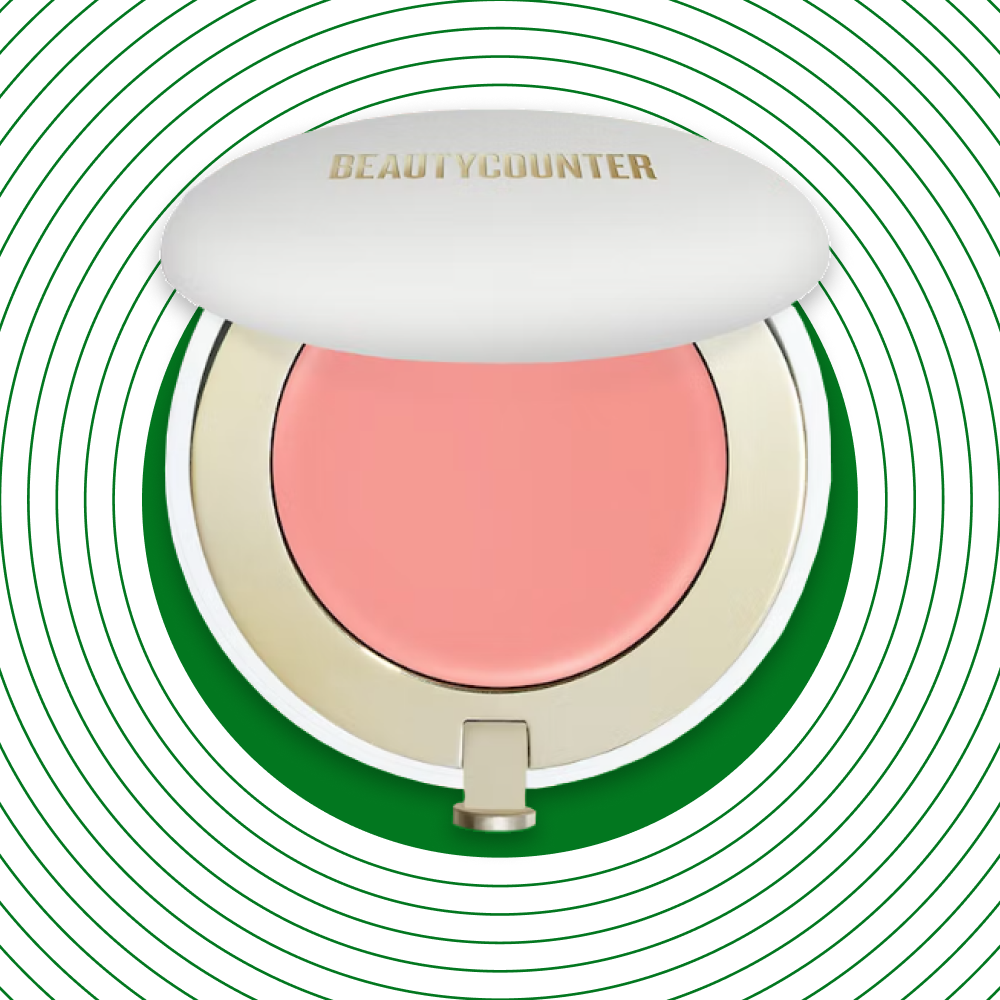
1. BeautyCounter Cheeky Clean Cream Blush in Cider
For a dewy and natural flush, swirl a fingertip into this creamy peach tint, housed in a refillable recycled plastic compact, and gently dab onto your cheeks.
Slick Move
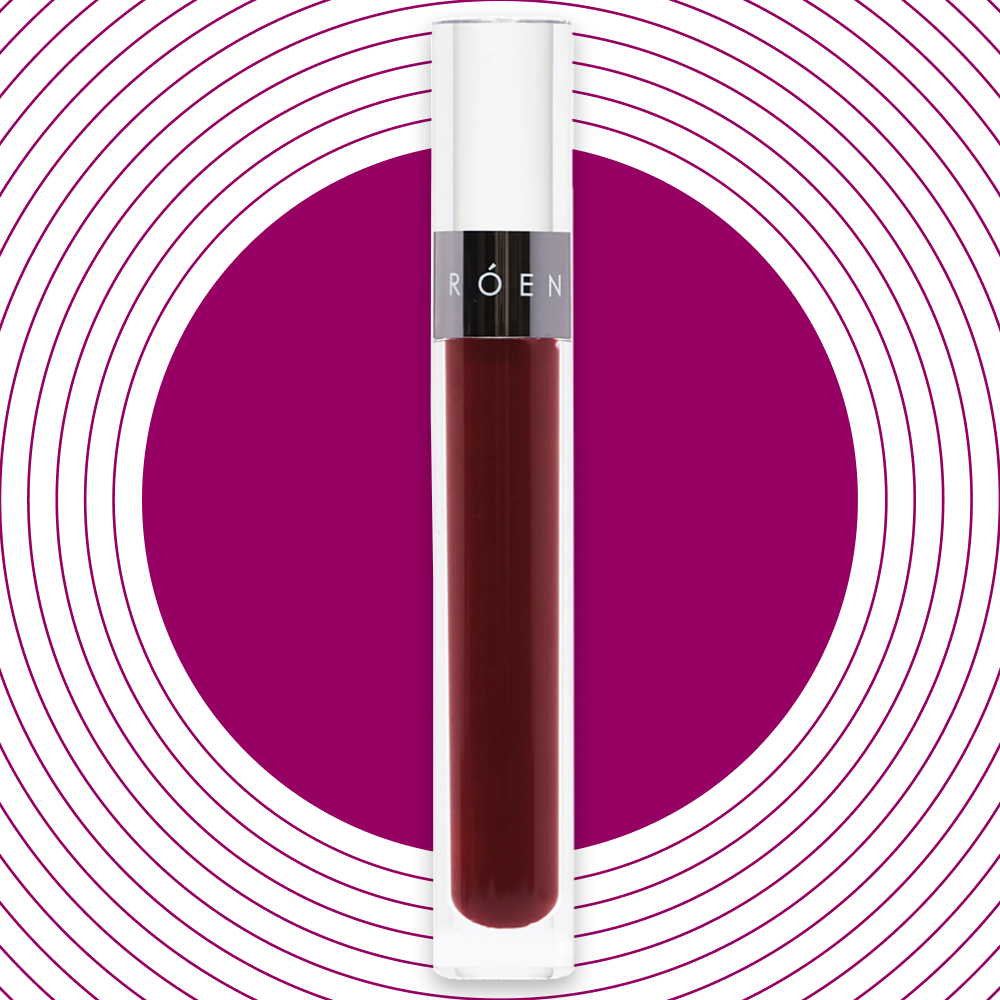
2. Róen Kiss My Liquid Lip Balm in Scout
This luxurious lip balm is infused with mango, avocado, coconut, and grapeseed oils, providing a glossy finish without any stickiness, while peppermint oil delivers a refreshing tingle.
Double Duty
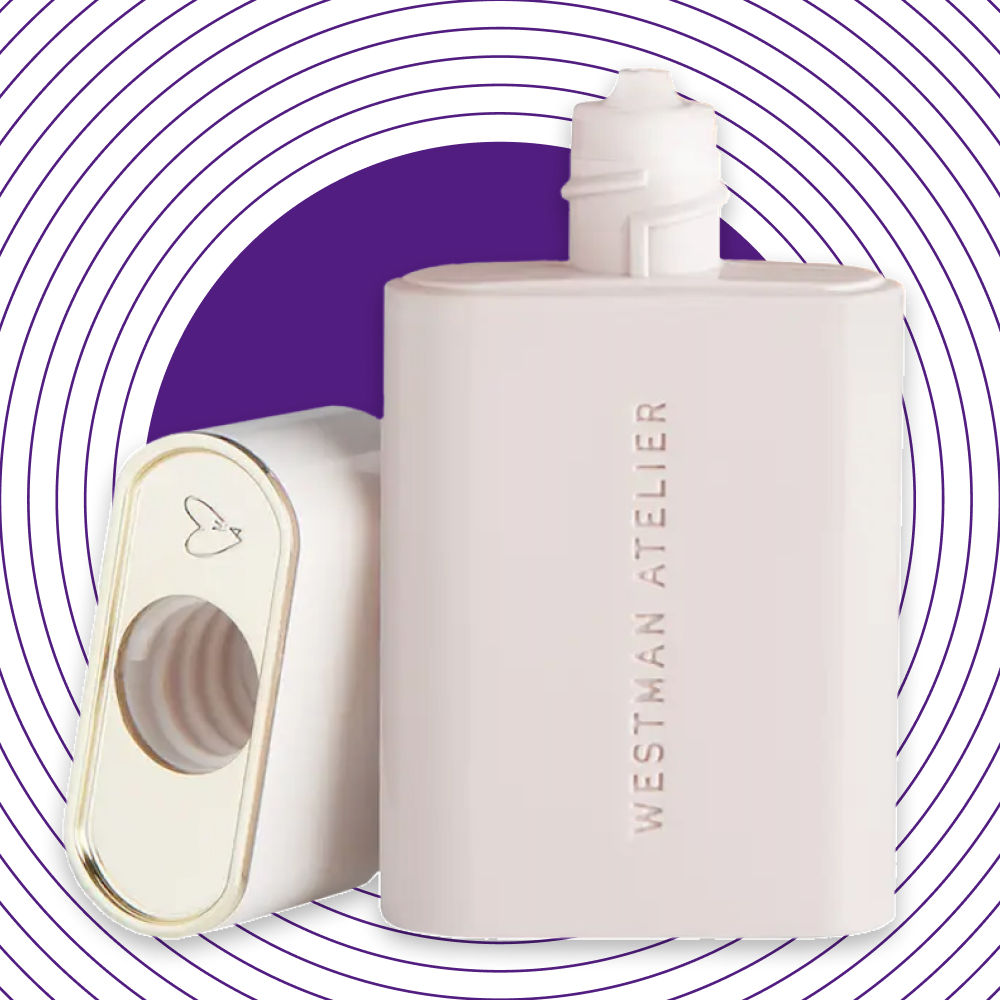
3. Westman Atelier Vital Skincare Dewy Foundation Drops
This innovative foundation combines skincare benefits with a sheer tint, featuring ginseng and pomegranate extract to enhance skin texture and radiance.
Get In Line

4. Jones Road Beauty The Best Pencil in Brown
Renowned makeup artist Bobbi Brown’s latest project features a clean eyeliner pencil that applies and smudges beautifully, merging performance with ethical standards.
<div class="css-1khxyv7 ebzsuj

Sienna Blake is a licensed aesthetic consultant and beauty writer specializing in cosmetic surgery advancements and non-invasive treatments. With a background in dermatology and over eight years of industry experience, Sienna is passionate about helping people achieve confidence through informed beauty decisions. She holds a Bachelor's degree in Health Sciences and regularly collaborates with top plastic surgeons to stay at the forefront of aesthetic innovations. Outside of her work, Sienna enjoys traveling, skincare research, and practicing Pilates.
