


Commonly referred to as age spots, liver spots, black spots, or sun spots, these skin patches often indicate underlying skin damage. Understanding dark spots is crucial for addressing the issue effectively. In this comprehensive guide, we will explore the mechanisms behind hyperpigmentation, the causes of these skin changes, and the best skincare solutions available to help you restore your skin’s natural radiance.
Explore the Causes of Dark Spots and Effective Prevention Strategies
Uncover the Primary Causes of Dark Spots on Your Skin
Every individual, regardless of whether they have dark or light skin, contains a pigment known as melanin, produced by specialized cells called melanocytes. Melanin serves as a protective barrier for the skin against harmful environmental factors. However, when hyperpigmentation occurs, the skin generates excessive melanin, leading to darker spots and patches compared to the surrounding areas. This condition can impact anyone; however, it is particularly prevalent among individuals with darker skin tones. Here are three prominent factors that may contribute to the development of dark spots:
The Impact of Sun Exposure on Skin Health
Sun damage stands out as the leading cause of dark spots on the skin. When your skin is exposed to harmful UV rays, the melanocytes become activated, releasing melanin as a natural defense mechanism. This melanin acts much like a sunscreen by absorbing UV energy and redistributing it. However, prolonged sun exposure can trigger excessive melanin production, resulting in unsightly dark patches. Furthermore, the sun is also responsible for age spots, which accumulate due to years of sun exposure. According to Harvard Health Publishing, “years of being in the sun start to add up.” Typically seen in adults over 55, these tan, brown, or black spots frequently appear on sun-exposed areas like the face, hands, back, feet, and shoulders. Aging exacerbates the visibility of hyperpigmentation for two main reasons: first, the number of melanocytes decreases while their size and pigment production increase; second, the skin becomes thinner and more translucent with age, highlighting the prominence of dark spots.
Understanding Hormonal Influences on Skin Pigmentation
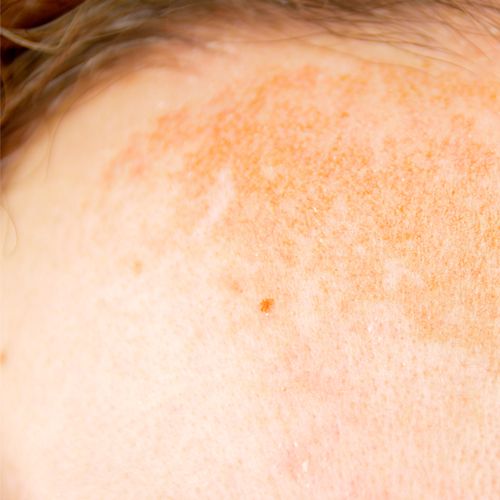
Fluctuations in hormone levels can lead to a common pigmentation alteration known as melasma. This condition is frequently observed during pregnancy, hormonal treatments, or shifts in contraceptive methods. An increase in hormone levels stimulates the melanocytes to produce more melanin, resulting in dark patches often referred to as the “mask of pregnancy” or chloasma. These patches typically appear on the nose, cheeks, jawline, forehead, or chin and may fade once hormonal levels stabilize post-pregnancy. Additionally, exposure to sunlight and heat can exacerbate this condition. If you are managing melasma, consider avoiding high-temperature environments like saunas or hot yoga sessions, as they can worsen dark patches, causing them to grow larger and spread more extensively.
The Role of Inflammation in the Formation of Dark Spots
Dark spots may also emerge as a result of inflammation or injury to the skin, particularly for individuals experiencing conditions like acne, eczema, or allergic reactions. This phenomenon, known as post-inflammatory hyperpigmentation, is a natural response of the skin to inflammation. Following an injury, the skin undergoes inflammation, and as it heals, it often produces excess melanin, leading to darker areas. It is especially common after acne breakouts, where irritated skin can leave behind dark spots that range in color from pink to red, purple, brown, or black. The severity of inflammation typically correlates with the size and darkness of the resulting spot. This is why experts caution against picking at acne; doing so can significantly increase the chances of developing post-inflammatory hyperpigmentation or dark spots.
Effective Strategies to Prevent Dark Spots and Hyperpigmentation
Preventing further skin damage is equally as crucial as treating existing hyperpigmentation. Here are our top recommendations to prevent the emergence of new dark spots:
Protect Your Skin from Harmful Sun Exposure
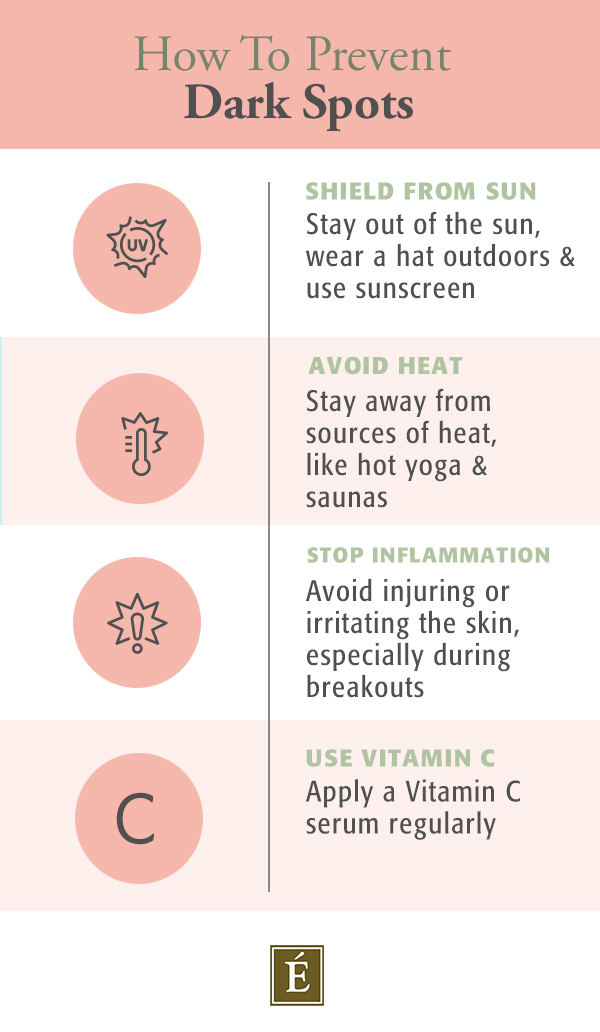
According to Brian Goodwin, International Educator at Eminence Organic Skin Care, time spent in the sun significantly contributes to the development of hyperpigmentation. Many people may not realize the full impact of their sun exposure until they notice the effects later. “Since we typically see the results of a day in the sun after we’ve retreated indoors, you may not realize that your consistent sun care habits (or lack thereof) are responsible for the formation of hyperpigmentation,” he notes. Since sun damage is a primary cause of dark spots, including age spots, it is vital to minimize exposure to UV rays. This includes staying out of direct sunlight, wearing protective clothing, and diligently applying sunscreen. By reducing or blocking the UV rays that trigger melanin production, you can significantly lower the chances of developing new dark spots.
Minimize Heat Exposure to Protect Your Skin
In addition to UV rays, heat sources can also trigger melanin production, exacerbating the risk of developing dark spots. Therefore, it is advisable to avoid excessive heat exposure and maintain a cool environment for your skin.
Combat Inflammation to Reduce Hyperpigmentation Risk
Given that inflammation is a significant contributor to hyperpigmentation, it is essential to eliminate any harmful habits that may cause injury or irritation to the skin. This includes avoiding the urge to pick at pimples and steering clear of any activities that could aggravate your complexion.
Incorporate Vitamin C into Your Skincare Routine
Experts recommend using a topical antioxidant like a Vitamin C serum regularly to address the appearance of dark spots. Vitamin C is known to inhibit melanin production and offers a multitude of additional benefits for skin health. Keeping a bottle of this powerful antioxidant on hand is a vital step in your journey to prevent and treat hyperpigmentation.
This article was originally authored in June 2017.
