


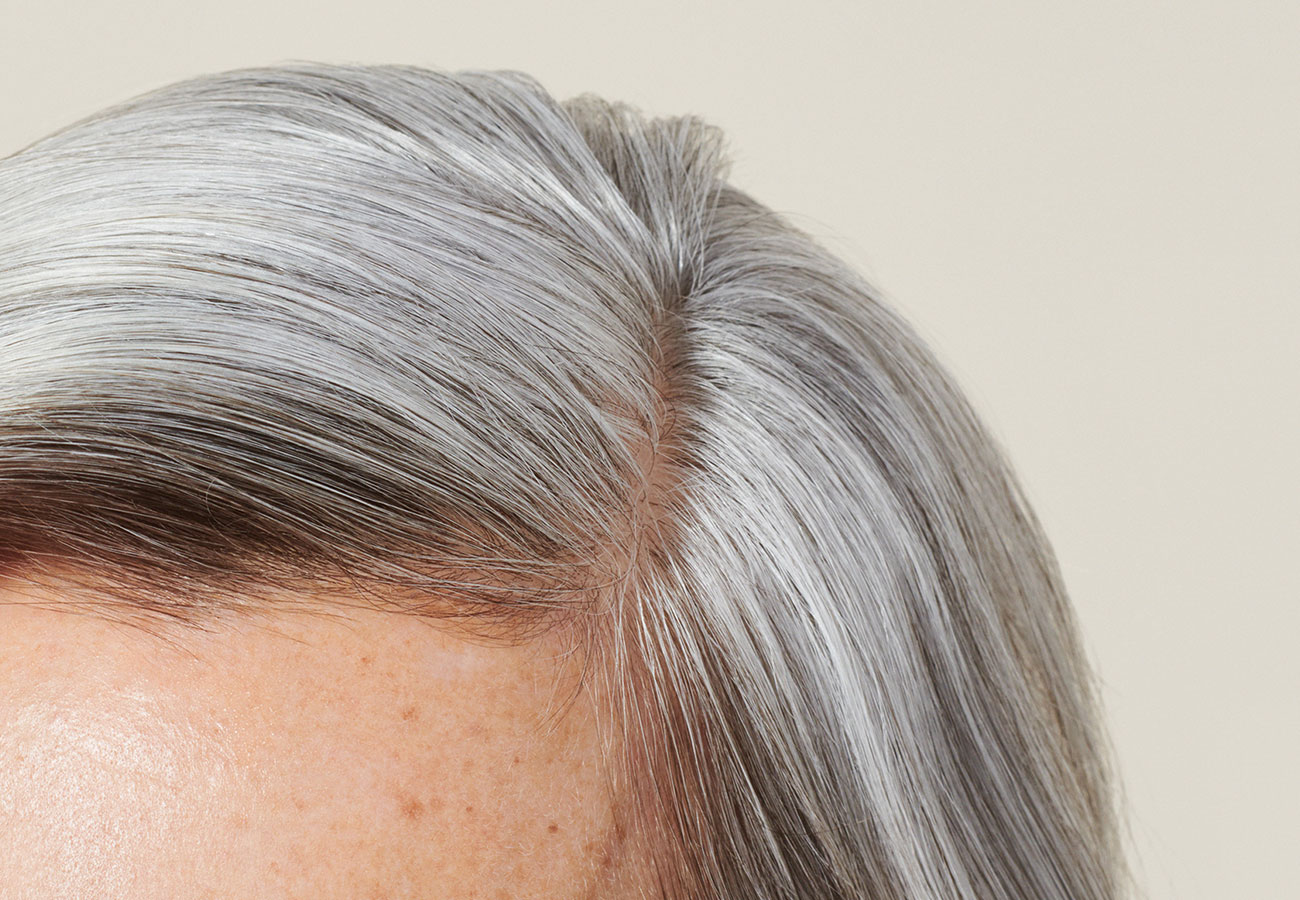
Are you unsure about whether you have a flaky scalp or a dry scalp? Understanding the distinctions between these two conditions is crucial for effective treatment. To provide you with the most reliable information, we consulted Dr. Heather Rogers, a reputable dermatologist and the founder of Doctor Rogers RESTORE skincare as well as Modern Dermatology located in Seattle. Her expertise sheds light on the symptoms, causes, and remedies for both conditions, helping you navigate your scalp health.
Understanding the Causes and Effective Treatments for Flaky and Dry Scalps
Dr. Rogers offers valuable insights into the underlying causes of both flaky and dry scalps, as well as the most effective treatment and prevention strategies that can lead to healthier scalp conditions.
Identifying the Causes of a Flaky Scalp
A flaky scalp is primarily caused by irritation, which accelerates the turnover rate of scalp cells, resulting in flaking. According to Dr. Rogers, various factors can trigger this irritation. One significant factor is the overgrowth of microorganisms on the scalp, such as yeast (like Malassezia) and skin mites (like demodex). This overgrowth can also stimulate increased oil production, especially in individuals with naturally oily skin, compounding the flaking issue. Furthermore, environmental elements such as stress, sleep deprivation, and cold, dry weather—particularly during the winter months—can exacerbate scalp irritation, leading to increased cell turnover.
On top of environmental factors, Dr. Rogers highlights that certain medical conditions and treatments can contribute to scalp irritation. These include neurological disorders, depression, HIV, Parkinson’s disease, psychiatric medications, and antidepressants. If you suspect that any of these factors are influencing your scalp health, it is important to seek advice from a qualified medical professional for a tailored approach to treatment.
Additionally, genetic predisposition plays a significant role in scalp health. Dr. Rogers explains that certain genetic mutations are linked to conditions like seborrheic dermatitis, which can cause severe itching, scaling, and flaking. Men over the age of 30 are at the highest risk, although this condition can affect individuals of any age.
Effective Treatments and Preventive Measures for a Flaky Scalp
To effectively address a flaky scalp, it’s essential to prioritize your hair care routine. Dr. Rogers recommends using a specialized shampoo like Prose, which contains jujube bark extract known for its soothing properties that promote overall scalp health. For a more targeted treatment, using an exfoliating scalp mask can help restore balance to your scalp’s microbiome and manage flaking effectively. Dr. Rogers also suggests incorporating treatments with salicylic acid to help eliminate dead skin and excess sebum buildup, both of which contribute to flaking.
Moreover, she advises considering the use of skin probiotics or selecting hair care products that include probiotics as ingredients. These can help nourish a healthy skin biome. In addition to these treatments, adopting stress management techniques and ensuring you get adequate sleep can significantly improve scalp health.
Understanding the Causes Behind a Dry Scalp
A dry scalp can manifest as a temporary issue or a persistent genetic condition that fluctuates over time. Dr. Rogers compares it to having naturally dry skin, which might worsen during specific seasons or situations, such as during the cold winter months or after prolonged exposure to hot showers. Just as our facial skin requires moisturizing, our scalps do too. While your regular conditioner may provide some relief, it may not be sufficient on its own to combat dryness effectively. Making adjustments to your hair care habits may be necessary to maintain optimal moisture levels in your scalp.
Strategies for Treating and Preventing a Dry Scalp
If you’re looking to alleviate a dry scalp, whether temporarily or long-term, consider reducing the frequency with which you wash your hair. Dr. Rogers suggests aiming for two to three washes per week, utilizing a gentle shampoo free from harsh surfactants. Following each wash, apply a rich conditioner to hydrate your scalp. Additionally, once a week, consider using a pre-shampoo scalp mask or treatment oil—ingredients like jojoba oil and castor oil can be particularly beneficial. Apply these treatments to your scalp one hour before your shower for maximum effectiveness.
Differentiating Between a Flaky Scalp and a Dry Scalp
While both conditions can result in flaking, they are not synonymous. Dr. Rogers clarifies that with a dry scalp, the flakes tend to be smaller and may be accompanied by itchiness that primarily affects the scalp area. In contrast, a flaky scalp may present with larger flakes that can also affect areas such as the eyebrows, nose, or ears, often accompanied by yellow, greasy buildup in addition to the flakes. Regardless of whether your scalp is dry or flaky, if you do not see improvement after two weeks of self-care efforts, it is advisable to consult a dermatologist for a comprehensive evaluation and personalized treatment recommendations.