

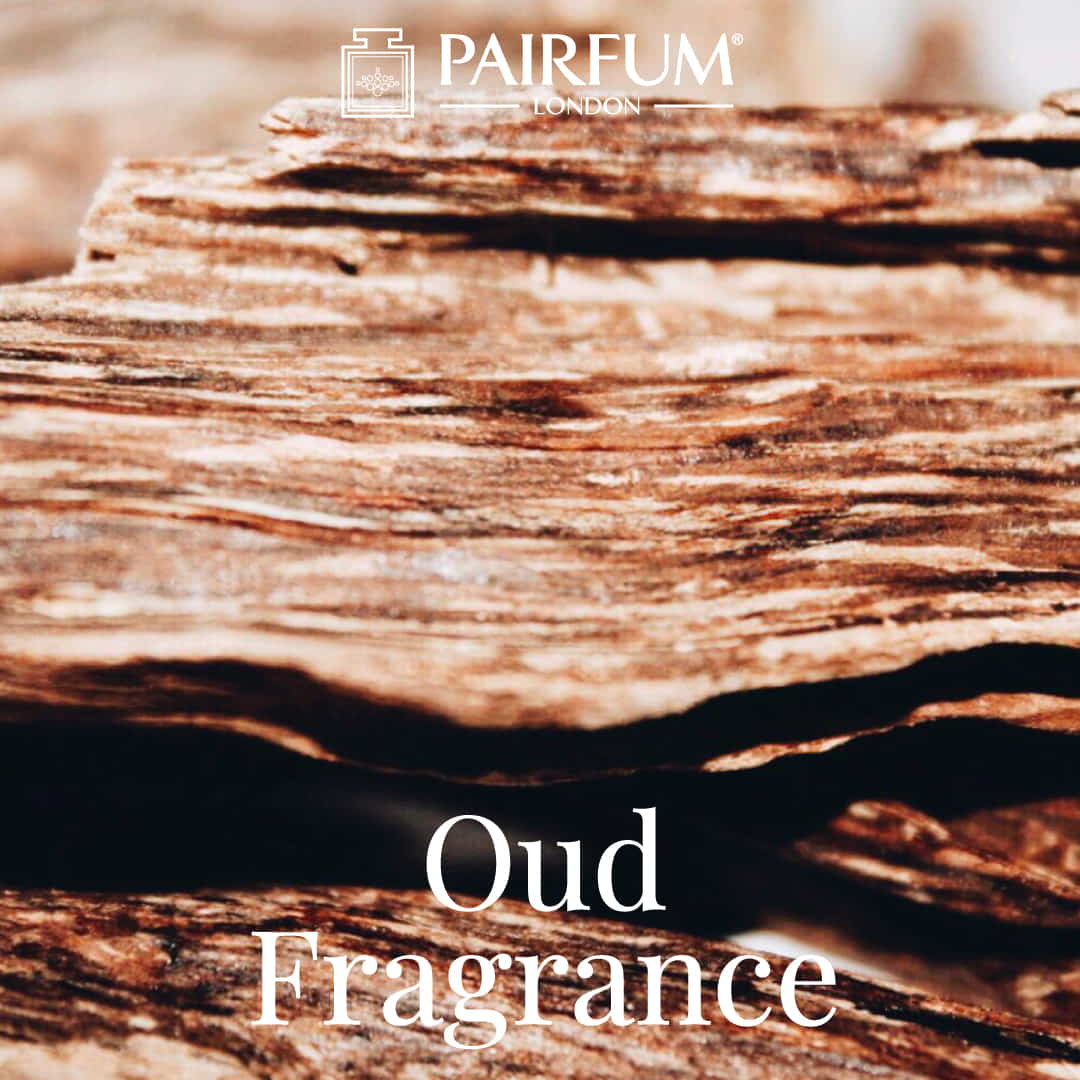
With its scent of oud, this mystical and captivating fragrance embodies a rare essence that has enchanted generations of perfume lovers with its mysterious charm. Often dubbed as ‘liquid gold’ due to its immense value and irresistible allure, oud has established itself as a quintessential element in the realm of high-end perfumery.
As a distinguished boutique perfume house, we are deeply committed to the art of fragrance and its continuous evolution reflecting the current ‘zeitgeist’. We find ourselves both inspired and enchanted by the extraordinary scent of oud.
This article invites you on a sensory adventure to explore the fascinating narrative of oud, delving into its rich history, origins, and the alluring aroma profile that has rendered it one of the most desired fragrance ingredients worldwide. From ancient legends to contemporary admiration, join us as we uncover the elements that make the fragrance of oud simply irresistible.
Unveiling the Rich History of Oud in Perfumery
The intricate relationship between fragrances and human emotions has been woven throughout history, dating back to ancient civilizations. From the ceremonial use of perfumes in Egypt to the Greeks’ fascination with aromatic substances, these exquisite olfactory creations have long been tied to specific emotions and treasured memories.
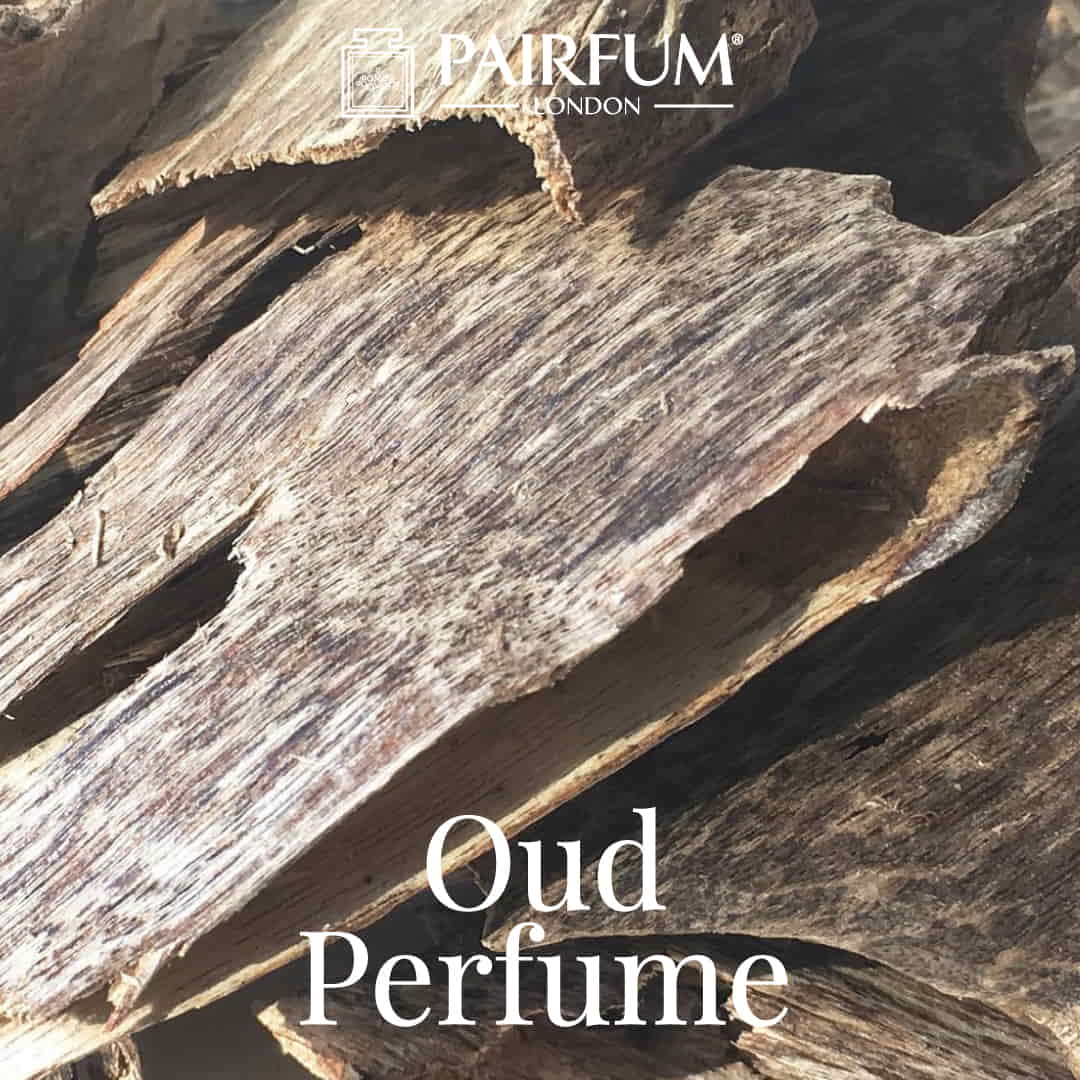
The fascinating origins of oud can be traced back to the lush ancient forests of Southeast Asia, notably in regions such as India, Malaysia, and Indonesia. This extraordinary wood forms as certain species of Aquilaria trees succumb to a particular type of mold. To protect themselves, these trees produce a thick, fragrant resin known as oud, which is highly sought after.
The extraction process of oud is both meticulous and steeped in tradition. As the agarwood trees become infused with this precious resinous oud oil through fungal infection, the transformation can take decades. This makes oud a rare and immensely valuable commodity. The traditional method of extraction involves carefully chipping the infected wood and distilling it with steam to create concentrated oud oil, which is then aged to enhance its complex aroma.
The rich history of oud in perfumery spans thousands of years. Ancient Asian civilizations, including China, Japan, and India, revered oud not only for its unique fragrance but also for its medicinal benefits. References to oud can be found in various historical texts and religious scriptures, emphasizing its profound cultural significance. Throughout history, oud has symbolized luxury and prestige, often gracing the royal courts and sacred ceremonies of the East.
Exploring the Alluring and Extravagant World of Oud
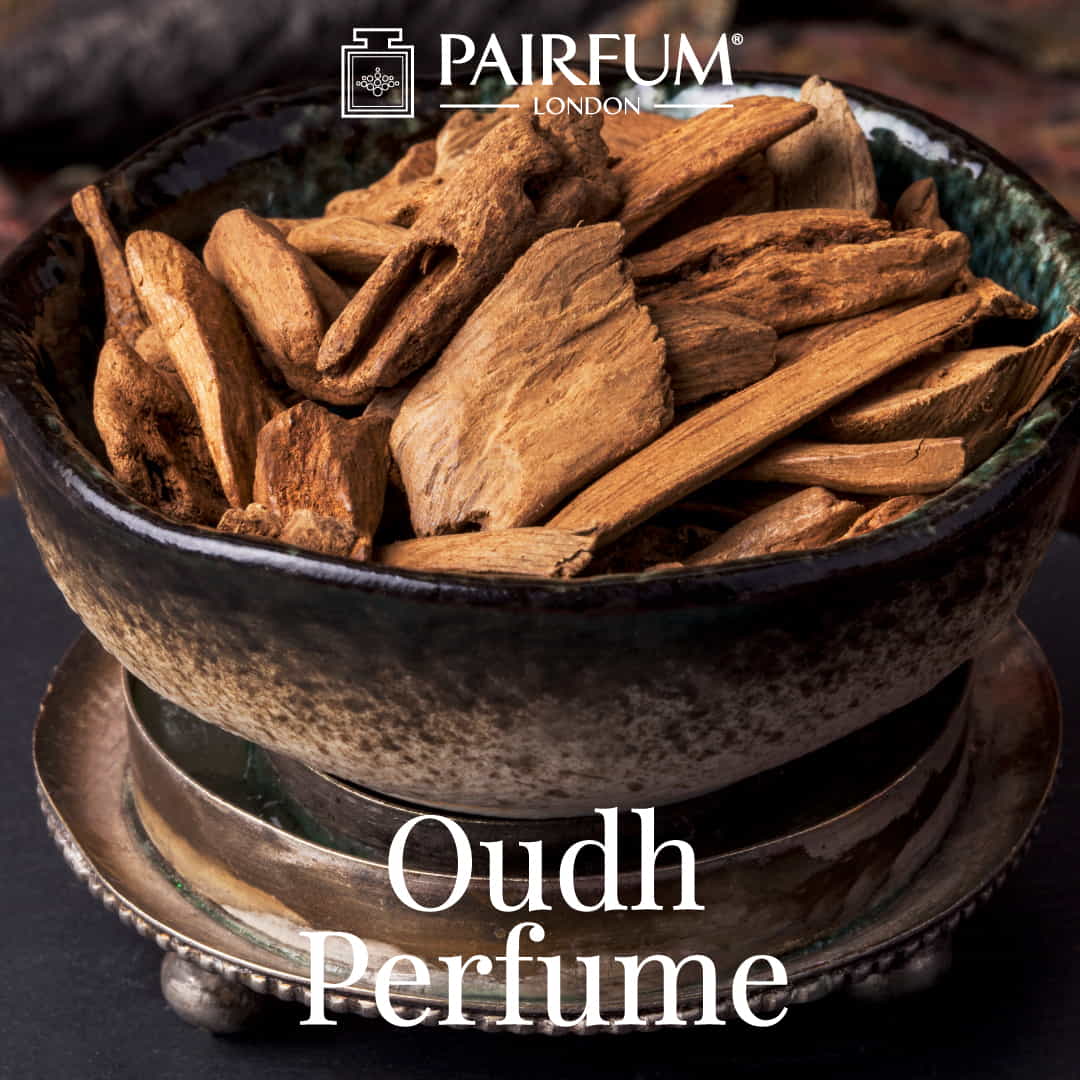
The enchanting scent of oud has captivated audiences for centuries, with its distinctive aroma often celebrated as the ‘liquid gold’ of the fragrance world. Sourced from the agarwood tree, oud is recognized as one of the rarest and most precious natural raw materials, revered for its warm, sensual, and intricate characteristics.
Understanding Oud’s Olfactory Profile and Unique Accords
Oud and its associated perfumes showcase a broad range of aromatic profiles and accords. The harmonious blend of smoky, sweet, and woody notes provides a compelling and exotic olfactory experience, evoking emotions that range from sophistication and luxury to sensuality and spirituality.
The scent profile of oud can differ significantly based on the species of the tree, its origin, and the distillation methods used. Some types of oud present a robust, woody aroma with undertones of leather, smoke, and balsamic hints. In contrast, others may feature a sweeter, floral character, reminiscent of delicate notes like roses or violets.
This remarkable diversity positions oud as an adaptable ingredient in perfumery, enabling perfumers to craft a wide array of captivating fragrances that appeal to diverse preferences.
Diverse Types of Oud and Their Unique Qualities
Oud is available in various forms, each presenting a distinct aromatic experience. Among the most sought-after types are:
- Natural Oud: Extracted from mature Aquilaria trees, natural oud is treasured for its unmatched depth and intricacy.
- Synthetic Oud: Produced through chemical synthesis, synthetic oud provides a more economical alternative while still retaining the essence of the natural ingredient.
- Aged Oud: As oud resin matures, it becomes more aromatic and valuable, evolving deeper and richer nuances over time.
Mastering the Extraction Methods of Oud
The process of extracting oud is intricate and demands both skill and patience. Traditionally, oud is harvested using one of the following techniques:
- Steam Distillation: This method involves passing steam through oud wood chips, effectively capturing the aromatic compounds in a condensed form.
- Enfleurage: In this technique, oud chips are soaked in a carrier oil, allowing the fragrance to infuse over time, creating a unique scent.
- Solvent Extraction: This method employs chemical solvents to dissolve the aromatic compounds, which are then separated and concentrated for use.
Versatile Applications of Oud in Modern Culture
Oud’s versatility transcends traditional perfumery, finding its place in a variety of products including:
- Perfumes: Oud acts as a luxurious base note in numerous premium fragrances, contributing depth, warmth, and sophistication. Its enduring scent on the skin is particularly valued in perfumes.
- Incense & Bakhoor: Often used as a room fragrance, in spiritual practices, and aromatherapy, oud is celebrated for its sensual, grounding, and calming properties.
- Luxury Goods: From scented candles to high-end skincare products, oud imparts an aura of opulence to a wide range of luxury items.
Iconic Perfumes That Showcase the Beauty of Oud
Many legendary perfumes have achieved acclaim thanks to their incorporation of oud. Noteworthy examples include:
- Tom Ford Oud Wood: A contemporary classic that fuses oud with spices, vanilla, and amber to create a luxurious and seductive fragrance.
- Dior Oud Ispahan: A captivating blend of amber, rose, and oud for both men and women.
- Creed Royal Oud: A regal fragrance that contrasts oud with citrus, spice, and wood notes, exuding timeless elegance.
- YSL M7 Oud Absolu: A bold and adventurous scent that highlights oud’s aromatic richness, complemented by warm and resinous undertones.
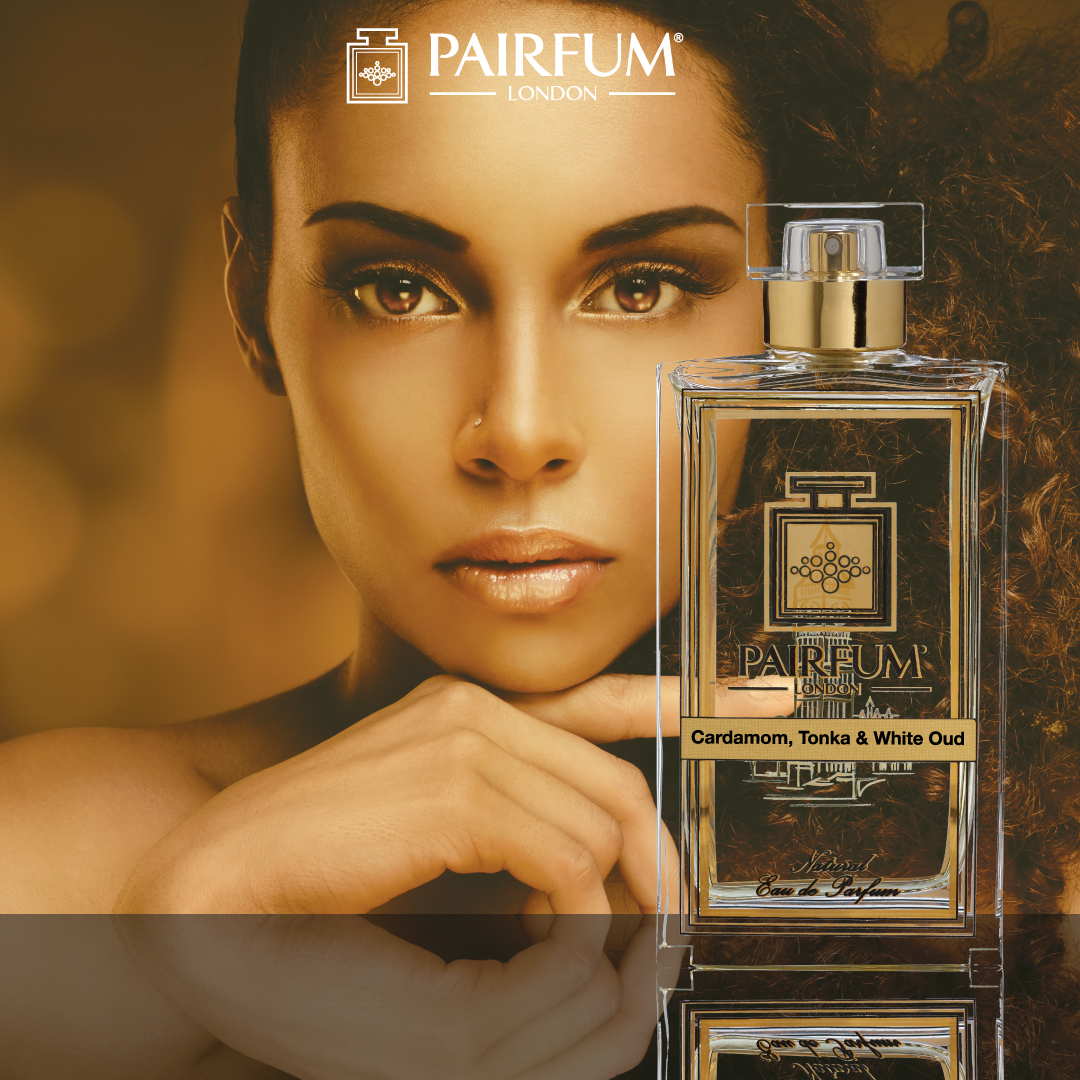
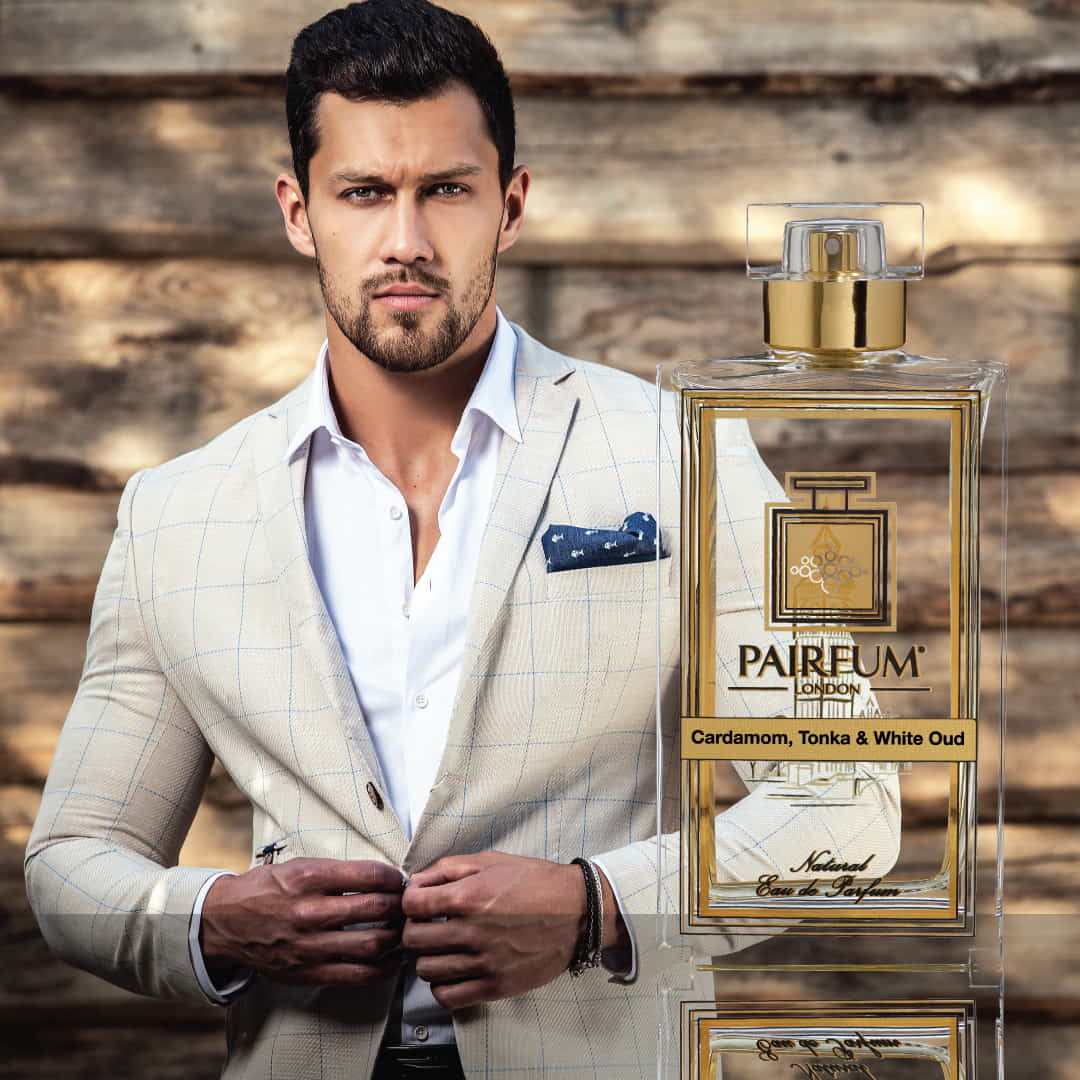
In this context, Pairfum London’s Eau de Parfum “Cardamom, Tonka & White Oud” emerges as the innovative contender, daring to redefine traditional notions with its creamy and spicy oud accord.
Understanding the Emotional Resonance of Different Perfume Types
The unique emotional qualities associated with fragrances can greatly depend on their composition, character, and intensity. Selecting the right perfume plays a pivotal role in conveying the emotions you wish to embody and evoke in those around you. Below are some examples illustrating the emotional impact that various perfume types can have:
– Floral: Often romantic, feminine, and delicate, floral perfumes evoke feelings of love, nurturing, and softness. The enchanting blend of petals and blossoms can transport the wearer to a fragrant garden filled with cherished memories.
– Citrus: Zesty, fresh, and invigorating, citrus fragrances tap into emotions of happiness and vitality. They conjure images of sun-soaked orchards, expressing an energetic and vibrant personality.
– Chypre: Elegant, refined, and sophisticated, chypre perfumes embody the allure of an enigmatic and luxurious persona. They hint at a taste for the finer things in life and embody unwavering self-confidence.
– Oriental: Sensuous, mysterious, and intense, oriental perfumes possess a captivating quality that enthralls the senses. Their rich tapestry of warm spices, exotic resins, and opulent florals communicate passion, seduction, and depth.
Crafting a Memorable Fragrance Presence through Oud
Creating an enticing and unforgettable fragrance presence hinges on choosing the right scent that resonates with your emotions, character, and the messages you wish to convey. Here are several

Sienna Blake is a licensed aesthetic consultant and beauty writer specializing in cosmetic surgery advancements and non-invasive treatments. With a background in dermatology and over eight years of industry experience, Sienna is passionate about helping people achieve confidence through informed beauty decisions. She holds a Bachelor's degree in Health Sciences and regularly collaborates with top plastic surgeons to stay at the forefront of aesthetic innovations. Outside of her work, Sienna enjoys traveling, skincare research, and practicing Pilates.
