


Whether you’re preparing for a special occasion or simply want to embrace the trending “clean girl look,” craving skin that is smoother, renewed, and glowing is entirely natural. Radiant skin often reflects our inner health and vitality, and achieving it can boost our confidence significantly.
After diving into various methods to achieve that coveted radiant complexion, many discover that exfoliation is frequently hailed as a key solution. Yet, a common concern arises: can your skin withstand the exfoliation process without adverse effects? Understanding your skin’s tolerance is crucial in this journey.
If you’re apprehensive about the potential for irritation or damage during exfoliation, rest assured you’re not alone. While the benefits of exfoliating dry and dull skin are well-documented, improper techniques or overly aggressive methods can lead to irritation, causing more harm than good.
The good news is that exfoliating is indeed a process that can work for everyone; the key is identifying the right method tailored to your unique skin type. The plethora of exfoliant options available may seem overwhelming, but our aim is to guide you through selecting the most suitable exfoliation techniques for your skin.
In this comprehensive guide, we’ll explore gentle exfoliation methods specifically designed for sensitive skin, enabling you to unveil the luminous and hydrated complexion you desire.
Comprehending the Basics of Exfoliation for Sensitive Skin
Let’s begin with the fundamentals: what exactly is exfoliation? In its simplest form, exfoliation is the process of removing dead skin cells and excess oil from the surface of your skin. This process allows fresh, healthy skin to emerge, promoting a vibrant appearance.
Regular exfoliation can be incredibly advantageous, as it not only prevents the accumulation of dead skin and impurities on both your face and body but also combats dullness, helps clear breakouts, minimizes pore size, and can, over time, reduce the visibility of hyperpigmentation.
However, it’s crucial to recognize that exfoliating can be easily overdone or executed improperly. The journey often begins with the choice of exfoliant, underscoring the importance of selecting one that aligns with your skin’s needs.
With this in mind, let’s embark on an extensive overview of the primary exfoliant categories: physical, chemical, and enzymatic.
Diving into the Different Types of Exfoliation
- Physical exfoliation involves the mechanical removal of debris using products with natural, gentle abrasives, such as scrubs.
- Chemical exfoliation employs mild acids that dissolve the bonds holding dead skin cells and oil to the skin’s surface.
- Enzymatic exfoliation is akin to chemical exfoliation, but utilizes enzymes derived from fruits to break down dead skin and oil effectively.
Exploring Gentle Physical Exfoliation Techniques
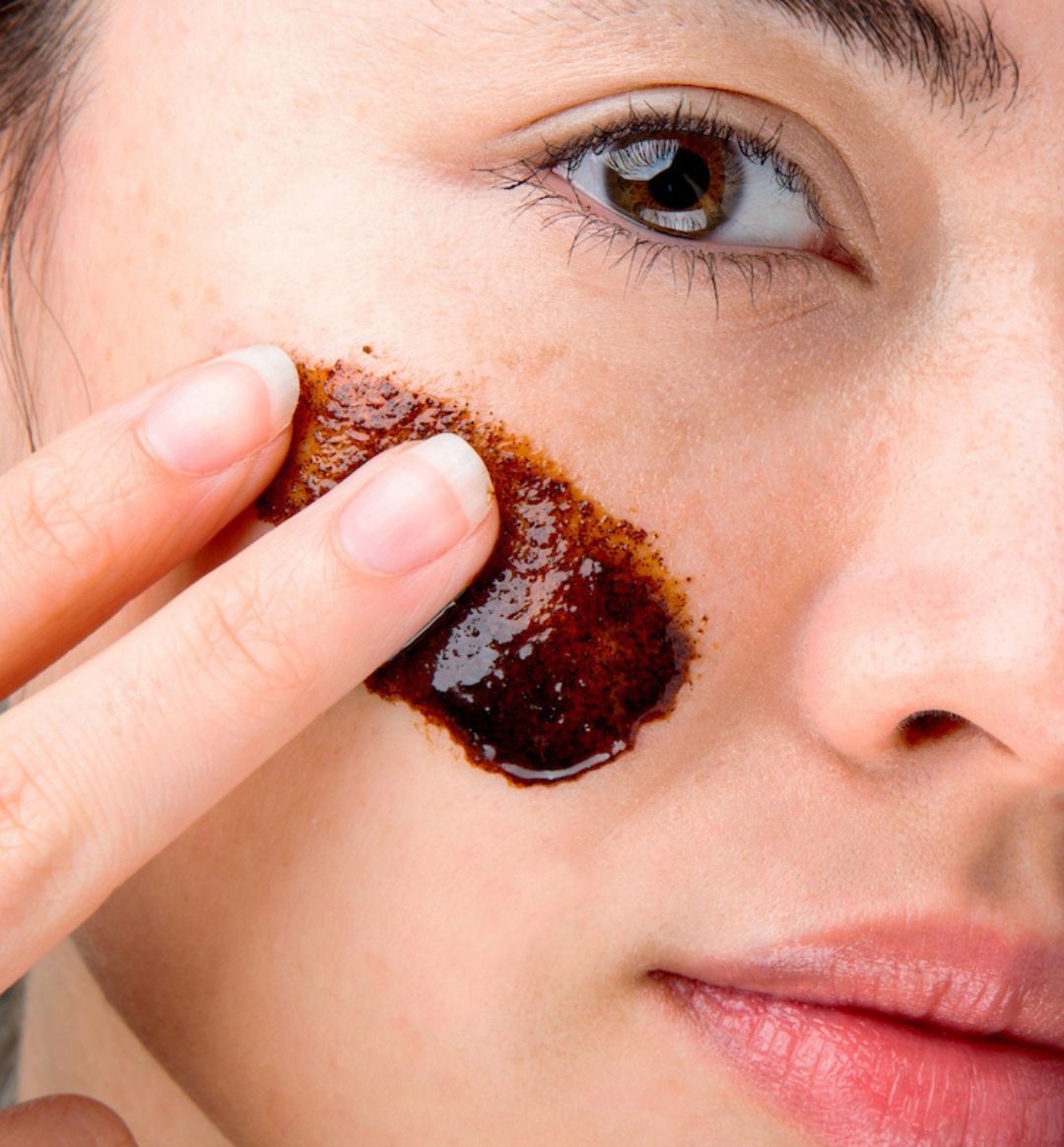
For those with sensitive skin, the thought of using a physical exfoliant may feel daunting. However, when performed with care and the right products, physical exfoliation can be a valuable addition to your skincare regimen. These exfoliants work by manually sloughing away dead skin cells using small particles like finely milled jojoba beads or rice bran, leaving the skin feeling rejuvenated and smooth.
For sensitive skin types, it’s essential to select physical exfoliants that contain gentle, rounded particles while steering clear of those with sharp or abrasive granules that might cause microtears or irritation. Adopting a soft, gentle technique and limiting exfoliation to once or twice weekly can help you enjoy the glow-enhancing benefits of physical exfoliation without overwhelming your skin.
Here are some notable examples of effective physical exfoliation techniques:
Utilizing Soft Cloths and Brushes
-
Microfiber Cloths
- Microfiber cloths provide a gentle yet effective method of exfoliation, making them ideal for sensitive skin. These soft cloths can exfoliate without irritation, enabling daily use. Regularly using microfiber cloths can also enhance the absorption of serums and moisturizers, optimizing their effectiveness. In addition to exfoliating, they serve dual purposes, such as removing makeup and cleansing the skin, often without needing a separate cleanser. Moreover, their reusable, machine-washable nature makes them a sustainable choice compared to disposable wipes or bulky skincare items.
-
Konjac Sponges
- Konjac facial sponges are highly regarded for their ability to cleanse while providing gentle exfoliation. Crafted from the soft fibers of the konjac plant, these sponges are frequently recommended for unclogging pores and reviving dull skin, particularly beneficial for oily and acne-prone complexions.
-
Gentle Dry Brushing Techniques
- Dry brushing can serve as an effective way to gently exfoliate and invigorate the skin. To begin, select a natural bristle brush with a long handle to reach all body areas. Starting at your feet or ankles, brush upward using light pressure and small, circular motions. For thicker skin areas, such as the soles of your feet, a bit more pressure is acceptable, but be cautious around sensitive regions like the abdomen, breasts, and neck, where you should apply lighter pressure. Avoid lingering on a single spot for too long to prevent irritation. Following dry brushing, take a lukewarm shower to wash away exfoliated skin, and apply a moisturizer to maintain hydration. Consistency is crucial, so aim to dry brush for a few minutes multiple times a week, adjusting your pressure based on comfort, and use a softer brush for facial areas to prevent irritation.
Natural, Mild Abrasives for Gentle Exfoliation
-
Rice Bran
- Rice bran is a superb gentle exfoliant suitable for daily use without irritating the skin, making it appropriate for various skin types. Its softer texture allows for effective exfoliation while minimizing the risk of sensitivity. Additionally, rice bran helps balance the skin’s natural oils and provides hydration, promoting a healthy, moisturized complexion.
-
Oatmeal Scrubs
- Oatmeal serves effectively as an exfoliant, helping to remove dead skin cells, dirt, and oil. It also possesses moisturizing properties and can reduce inflammation, making it a popular home remedy for dry, itchy, or irritated skin.
-
Jojoba Bead Exfoliants
- Derived from hardened jojoba oil, jojoba beads are common in face and body scrubs. Their smooth, round nature allows them to gently remove dead skin cells without causing damage. Furthermore, jojoba beads are biodegradable and customizable, making them ideal for a diverse range of exfoliating products.
Exploring Chemical Exfoliation Options for Sensitive Skin
In the realm of skincare, chemical exfoliation presents a powerful and effective avenue for achieving a smoother, more luminous complexion. For those with sensitive skin, it’s imperative to understand the various types of chemical exfoliants—AHAs, BHAs, and PHAs—to find the right product that harmonizes effectiveness with gentleness.
Delving into AHAs and BHAs
AHAs (Alpha Hydroxy Acids) are water-soluble acids that primarily target the skin’s outer layer. They are designed to exfoliate dead skin cells, resulting in a brighter, more even skin tone. AHAs are especially beneficial for normal to dry or sun-damaged skin, as they enhance moisture content while addressing surface-level issues like roughness, fine lines, and pigmentation. Common AHAs include glycolic acid (derived from sugar cane), lactic acid (from milk), and mandelic acid (from almonds). Among these, lactic acid stands out for its gentle nature, making it suitable for regular use while delivering results such as improved texture, increased hydration, and a more uniform skin tone.
BHAs (Beta Hydroxy Acids) are oil-soluble and can penetrate deeper into the skin by dissolving excess oil. This unique capacity allows BHAs to unclog pores effectively, making them ideal for oily or acne-prone skin. By working within the pores, BHAs remove excess sebum and dead skin cells, addressing issues like blackheads, whiteheads, and clogged pores. Salicylic acid, derived from willow bark, is the most prevalent BHA, renowned for its ability to mitigate acne and excess oil production while calming inflammation.
PHA: Gentle Exfoliation for Sensitive Skin
Introducing PHAs (Polyhydroxy Acids), the latest generation of gentle exfoliants designed to provide an effective solution for those with sensitive skin. PHAs possess a larger molecular structure than AHAs, enabling them to penetrate the skin more slowly and minimizing the risk of irritation, redness, or sensitivity. This quality makes them ideal for individuals with sensitive, dry, or reactive skin, including those dealing with conditions like eczema or rosacea.
In addition to gentle exfoliation, PHAs act as humectants, drawing moisture into the skin and enhancing hydration levels during the exfoliation process. They also offer antioxidant protection, shielding the skin from environmental damage and combating free radicals that contribute to premature aging. Another benefit of PHAs is their reduced sun sensitivity; unlike AHAs, they are less likely to heighten the skin’s sensitivity to sunlight, making them safer for outdoor use—though sunscreen remains essential.
Common types of PHAs include gluconolactone, which provides hydration and antioxidant benefits; lactobionic acid, known for its moisturizing properties and ability to strengthen the skin barrier; and galactose, a naturally occurring sugar that aids in moisture retention while providing mild exfoliation.
Overall, PHAs provide gentle exfoliation that is suitable for all skin types, particularly sensitive skin. With their capacity to boost hydration, offer antioxidant protection, and reduce irritation compared to stronger acids, PHAs are an excellent choice for anyone seeking a soothing approach to chemical exfoliation. By selecting the appropriate exfoliant, individuals with sensitive skin can reap the rewards of chemical exfoliation without sacrificing comfort or skin health.
Dispelling Exfoliation Myths and Marketing Misconceptions
In the world of skincare, numerous myths can obscure understanding and hinder opportunities for achieving healthy skin. A prevalent myth is the belief that those with sensitive skin should entirely avoid exfoliation. This misconception can be counterproductive, as gentle exfoliation can significantly enhance skin health and texture. It’s crucial to recognize that sensitive skin can still gain from exfoliating products, particularly those formulated with gentle ingredients like PHAs or low-concentration AHAs and BHAs.
Challenge the “No Exfoliation for Sensitive Skin” Belief
The assumption that sensitive skin should avoid exfoliation stems from a misunderstanding of the nature of sensitivity. Sensitive skin often reacts to environmental factors, irritants, or harsh components rather than the act of exfoliation itself. When approached with the right techniques and products, exfoliation can effectively eliminate dead skin cells, unclog pores, and promote a smoother complexion without causing irritation. Selecting exfoliants specifically designed for sensitive skin is crucial, focusing on gentler options that offer the benefits of exfoliation without sacrificing comfort.
Interpreting “Sensitivity” in Product Claims
Another challenge involves deciphering product claims regarding “sensitivity.” Many brands market their products as suitable for sensitive skin, but the effectiveness and gentleness can vary widely. It’s vital to scrutinize ingredient labels and seek formulations that prioritize soothing, hydrating components alongside exfoliating agents. Products formulated with ingredients like aloe vera, chamomile, or green tea can help alleviate irritation and support sensitive skin during the exfoliation process. Always consider conducting a patch test to understand how your skin might react before fully integrating a new product into your regimen.
Preventing Over-Exfoliation and Harsh Treatments
While exfoliation offers numerous benefits, over-exfoliation can result in more harm than good, particularly for sensitive skin. Stripping the skin of its natural oils can lead to irritation, redness, and heightened sensitivity. Establishing a balanced exfoliation routine is vital to avoid this. Begin with a gentle exfoliant, limiting use to 1-2 times per week, and gradually adjust based on your skin’s reactions. Stay attuned to your skin’s signals; if you notice signs of irritation or discomfort, reduce frequency or switch to a milder product.
Crafting Your Gentle Exfoliation Routine for Optimal Results
Establishing a gentle exfoliation routine can be a transformative step toward achieving healthy, radiant skin. By approaching exfoliation with care and mindfulness, you can enjoy its benefits without risking irritation or damage.
Determining the Right Frequency for Exfoliation
When embarking on your exfoliation journey, it’s crucial to start slowly, allowing your skin to build tolerance over time. For sensitive skin, initiating exfoliation just once weekly is an advisable starting point. As your skin adjusts, you can gradually increase frequency to 1-2 times weekly, depending on your skin’s response. Listening to your skin’s needs is paramount; if you observe signs of irritation, such as redness, dryness, or discomfort, it may be time to dial back. This method not only allows your skin to acclimate but also helps you identify the ideal frequency that enhances your complexion without causing harm.
Employing Gentle Application Techniques
When applying exfoliants, gentle motions and light pressure are essential to protecting your skin. Whether you’re using a chemical exfoliant or a physical scrub, steer clear of aggressive scrubbing or rubbing, as this can lead to irritation. Instead, concentrate on soft circular motions or gentle swipes, allowing the product to perform its work. Additionally, post-exfoliation care plays a vital role in maintaining your skin’s health. After exfoliating, always follow up with a hydrating serum or moisturizer to restore moisture and soothe the skin. This step is crucial in mitigating any potential dryness or sensitivity caused by exfoliation.
Safely Combining Exfoliation Methods
Combining different exfoliation methods can enhance your routine when done safely. Alternating between physical and chemical exfoliants allows you to address various skin concerns while minimizing the risk of over-exfoliation. For example, you might opt for a gentle physical scrub one week and a mild chemical exfoliant the next. Furthermore, consider adapting your routine to seasonal changes. In drier months, you may prefer more hydrating exfoliants like PHAs, while summer may call for lighter AHAs or BHAs to combat oiliness or clogged pores.
Discovering 100% PURE Gentle Exfoliation Products
When it comes to gentle exfoliation, 100% PURE provides an array of products meticulously crafted to address various skin types and concerns while emphasizing safety and efficacy. These thoughtfully formulated products harness the power of natural ingredients to offer the benefits of exfoliation without compromising your skin’s comfort.
Fermented Rice Water Toner
The Fermented Rice Water Toner is an excellent introduction to gentle exfoliation. This toner harnesses the natural exfoliating properties of fermented rice water, brightening and smoothing the skin. Rich in antioxidants, vitamins, and minerals, it nourishes the skin while providing a mild exfoliating effect. This toner is perfect for prepping the skin for subsequent treatments, enhancing absorption, and leaving your complexion looking radiant and refreshed.
Acai Pulp Facial Scrub
The Acai Pulp Facial Scrub offers a delightful combination of gentle physical exfoliation and nourishing ingredients. Formulated with acai pulp and natural exfoliants, this scrub effectively buffs away dead skin cells, revealing a smoother texture. Its hydrating properties ensure your skin feels soft and moisturized post-exfoliation, making it suitable for regular use without fear of irritation.
Lavender Oat Milk Soothing Cleanser
For individuals with sensitive skin, the Lavender Oat Milk Soothing Cleanser provides a gentle cleansing experience with mild exfoliating benefits. Infused with calming lavender and nourishing oat milk, this cleanser soothes irritation while effectively eliminating impurities. Its light exfoliating action promotes a fresh and clean complexion, making it an ideal choice for daily use.
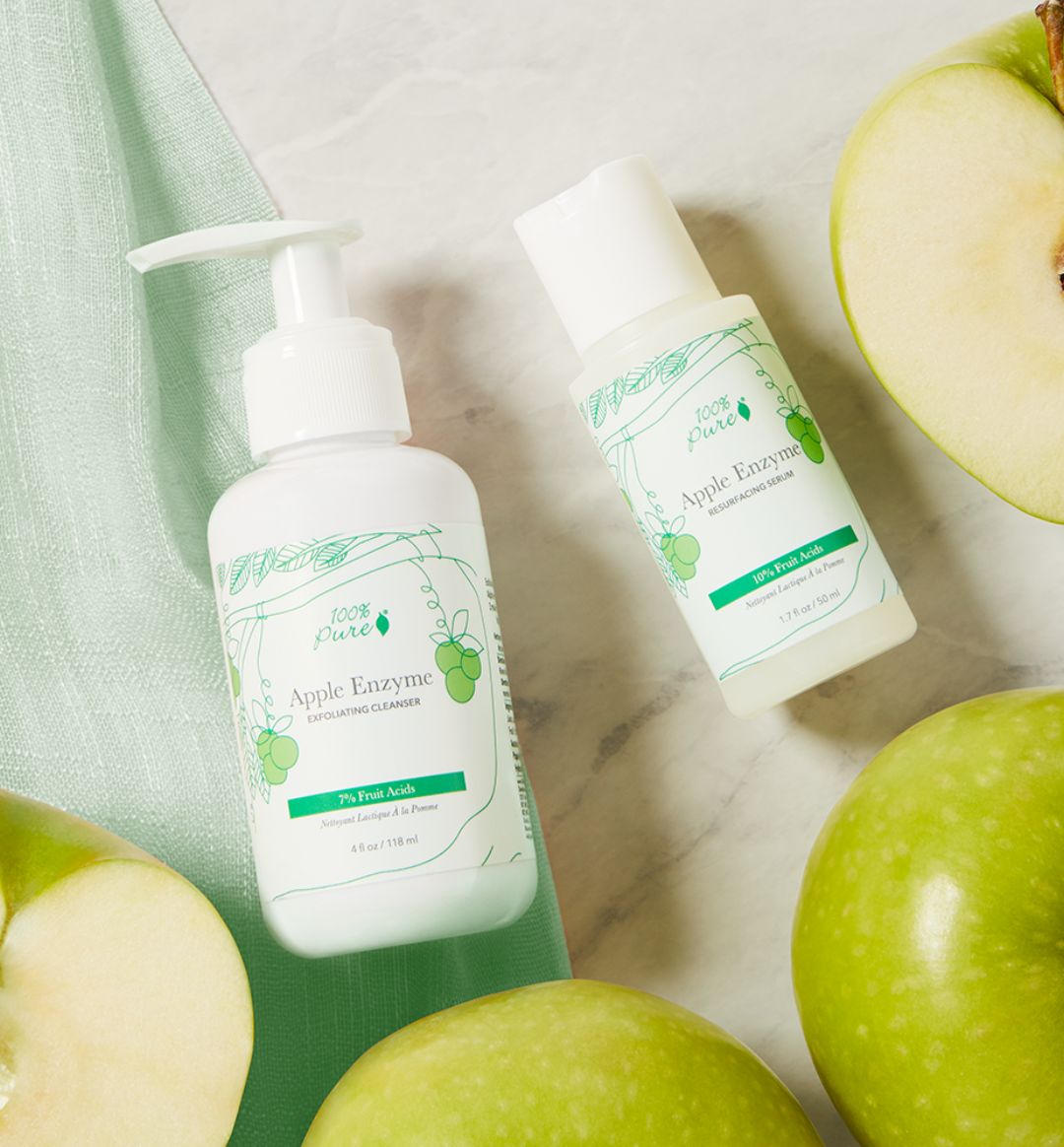
10% Fruit Acids Apple Enzyme Resurfacing Serum
The 10% Fruit Acids Apple Enzyme Resurfacing Serum presents a potent yet gentle option for those seeking chemical exfoliation. Formulated with fruit acids derived from apples, this serum works to dissolve dead skin cells and stimulate cell turnover, unveiling a brighter and more even complexion. The formula is designed to minimize irritation, making it suitable for sensitive skin types aiming to enhance texture and radiance.
7% Fruit Acids Apple Enzyme Exfoliating Cleanser
Completing the lineup is the 7% Fruit Acids Apple Enzyme Exfoliating Cleanser, which merges the cleansing action of a traditional face wash with the exfoliating advantages of fruit acids. This cleanser effectively eliminates dirt and impurities while gently exfoliating the skin, helping to prevent clogged pores and encouraging a smoother texture. Its balanced formulation ensures even those with sensitive skin can enjoy the benefits of exfoliation without discomfort.
Empowering Your Skincare Journey
Gentle exfoliation is an essential aspect of a healthy skincare routine, particularly for those with sensitive skin. By incorporating the right techniques and products, you can effectively enhance your skin’s texture and radiance without risking irritation. Key strategies include starting with a low exfoliation frequency, employing gentle application techniques, and safely combining methods to maintain your skin’s balance and health.
As you embark on your gentle exfoliation journey, remember to experiment with care and remain attuned to your skin’s unique requirements. What works wonderfully for one person may not suit another, so it’s vital to invest time in discovering what aligns best with your individual needs. Adjusting your routine based on your skin’s responses will help you achieve optimal results while maintaining comfort.
Answers to Common Exfoliation Questions
How frequently should sensitive skin be exfoliated?
For individuals with sensitive skin, starting with exfoliation once a week is advisable. This allows your skin to gradually acclimate to the process. As your skin builds tolerance, you can incrementally increase the frequency to 1-2 times weekly, based on your skin’s reactions. Always remain attentive to your skin and reduce frequency if you observe any signs of irritation.
Can I use retinol if I have sensitive skin and am exfoliating?
Yes, incorporating retinol into a sensitive skincare routine is possible, but it’s vital to introduce it gradually and monitor your skin’s reactions. As both retinol and exfoliants can cause sensitivity, consider using them on alternating nights or as part of a staggered regimen. If irritation occurs, reduce frequency or consult a dermatologist for tailored advice.
Are natural exfoliants always the best option for sensitive skin?
Not necessarily. While natural exfoliants may be gentler for some, they can also contain irritating ingredients for others. It’s crucial to select products based on your skin’s unique needs and sensitivities rather than making blanket assumptions about all natural ingredients being safe. Always review ingredient lists and conduct patch tests when trying new products.
What are the signs of over-exfoliating sensitive skin?
Indicators of over-exfoliation include redness, irritation, dryness, peeling, or a tight sensation in the skin. If you experience these symptoms, it may signal that you are exfoliating too frequently or using excessively harsh products. Scale back on exfoliation and prioritize soothing and hydrating treatments until your skin recovers.
Is exfoliation necessary for sensitive, acne-prone skin?
Exfoliation can benefit sensitive, acne-prone skin by removing dead skin cells that can clog pores and contribute to breakouts. Nonetheless, it’s crucial to choose gentle exfoliation methods and products specifically formulated for sensitive skin. Integrating exfoliation into your routine can enhance skin texture and prevent acne, but always approach it with caution and remain attentive to your skin’s signals.

Sienna Blake is a licensed aesthetic consultant and beauty writer specializing in cosmetic surgery advancements and non-invasive treatments. With a background in dermatology and over eight years of industry experience, Sienna is passionate about helping people achieve confidence through informed beauty decisions. She holds a Bachelor's degree in Health Sciences and regularly collaborates with top plastic surgeons to stay at the forefront of aesthetic innovations. Outside of her work, Sienna enjoys traveling, skincare research, and practicing Pilates.