


Explore the Causes and Effects of Hyperpigmentation
Have you ever noticed unwelcome dark spots on your skin and questioned, “What’s behind this?” You’re certainly not alone in this experience! Hyperpigmentation is a prevalent skin concern that can lead to an uneven and lackluster appearance. It is often instigated by factors such as sun exposure, hormonal fluctuations, or remnants of past acne. However, there’s no need to worry! By gaining insight into the underlying causes and implementing a thorough skincare routine, you can effectively diminish hyperpigmentation and unveil a brighter, more uniform complexion that exudes health and vitality.
Defining Hyperpigmentation: What You Need to Know
Hyperpigmentation refers to a widespread skin condition marked by the darkening of specific skin areas. This phenomenon occurs when the skin produces an excess quantity of melanin, the natural pigment that gives skin its color. Consequently, this can result in patches or spots that are noticeably darker than the surrounding skin, leading to an unbalanced complexion. Common varieties of hyperpigmentation include:
Post-Inflammatory Hyperpigmentation (PIH)
This type arises from skin injuries or inflammation, including conditions like acne, eczema, or physical trauma. As the skin recovers from these issues, it may leave behind dark spots or patches. PIH is particularly prevalent among individuals with darker skin tones, as inflammation often triggers a more significant melanin response, making it crucial to manage inflammation effectively.
Melasma: Understanding Its Triggers
Melasma is often associated with hormonal changes, especially during pregnancy—often referred to as “the mask of pregnancy”—or from the use of birth control pills. This condition typically manifests as large, symmetrical patches of darkened skin, most frequently located on the face. It is thought that these hormonal shifts can heighten the skin’s sensitivity to sunlight, resulting in an overproduction of melanin and accentuating the appearance of dark spots.
Sunspots (Solar Lentigines): The Effects of UV Exposure
Sunspots, also known as age spots or liver spots, develop due to prolonged exposure to UV rays over time. This excessive sun exposure stimulates increased melanin production, resulting in the formation of dark spots. These spots typically appear on areas that are frequently exposed to the sun, such as the face, hands, shoulders, and arms, and they are most common in older adults, highlighting the importance of sun protection.
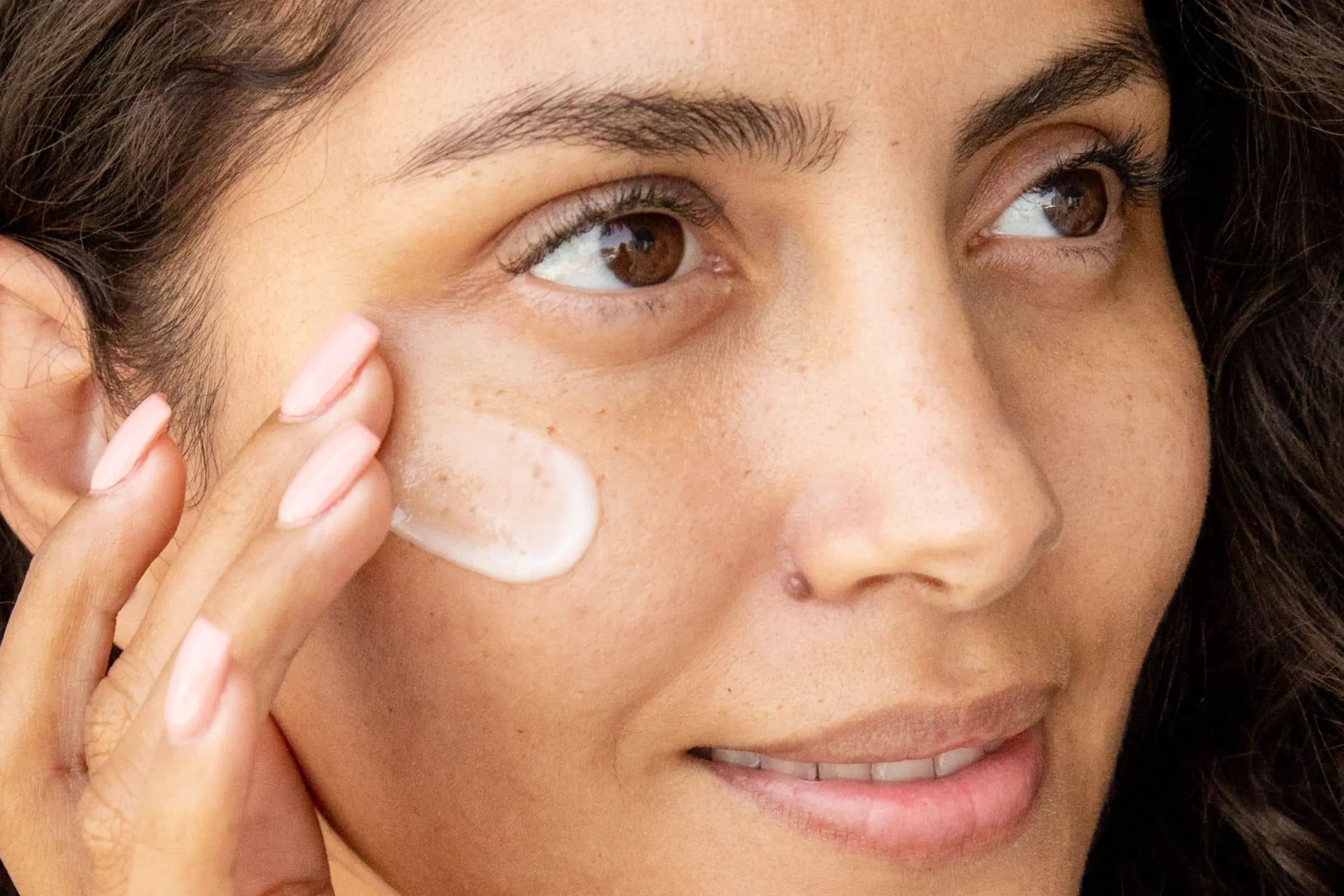
Identify the Key Triggers of Hyperpigmentation
Before delving into product solutions, it’s essential to pinpoint the root cause of your hyperpigmentation. Understanding what triggers your skin condition can greatly assist in selecting the most effective treatments while also preventing additional aggravation.
Sun Exposure: Extended exposure to harmful UV rays triggers melanocytes—cells responsible for melanin production—in the skin, leading to increased melanin levels. This surplus can accumulate over time, resulting in the development of dark spots or patches commonly referred to as sunspots or solar lentigines.
Hormonal Changes: Fluctuations in hormones, particularly increases in estrogen and progesterone, can stimulate melanocytes to produce heightened levels of melanin. This often presents as melasma, marked by symmetric dark patches on the face, especially on the cheeks, forehead, and upper lip. Hormonal changes during pregnancy or from hormonal contraceptives can intensify this condition, necessitating careful management.
Skin Injury and Inflammation: Trauma to the skin, such as acne breakouts, cuts, burns, or other inflammatory conditions, can trigger a response that leads to hyperpigmentation. As part of the healing process, melanocytes may become overactive and produce excess melanin, resulting in post-inflammatory hyperpigmentation (PIH). These dark spots can linger long after the initial injury has healed, particularly in individuals with darker skin tones, making prevention vital.
Certain Medications: Some medications, including specific antibiotics (such as tetracyclines), nonsteroidal anti-inflammatory drugs (NSAIDs), and chemotherapy agents, may induce photosensitivity or directly stimulate melanocyte activity. This can heighten the risk of developing hyperpigmentation, especially when combined with exposure to sunlight or UV radiation.
Explore Proven Treatments for Hyperpigmentation
100% PURE is your go-to brand for effectively addressing hyperpigmentation concerns, offering a variety of products specifically designed to tackle dark spots and promote an even skin tone. Our Vitamin C Serum is celebrated for its powerful brightening effects and capability to diminish dark spots, thanks to its robust antioxidant properties that not only lighten existing pigmentation but also shield the skin from future damage caused by environmental stressors.
Another notable product is the Niacinamide Boost from 100% PURE, which is known for improving overall skin tone by reducing pigmentation and alleviating inflammation. Niacinamide helps regulate melanin production, making it an essential ingredient for effectively managing hyperpigmentation.
For those seeking rapid results in skin renewal and dark spot reduction, the Retinol Restorative Overnight Balm by 100% PURE comes highly recommended. The retinoids in this formulation encourage cell turnover, effectively fading dark spots over time while contributing to a smoother, more refined complexion.
Additionally, 100% PURE offers specialized treatments such as the Brightening Serum and Dark Spot Remover, which specifically target stubborn pigmentation issues, assisting in achieving a more uniform skin tone.
When it comes to exfoliation, our Alpha Hydroxy Acids (AHAs) found in products like the Strawberry Brightening Scrub gently exfoliate the skin, helping to eliminate dead cells and promote a brighter complexion. Meanwhile, the Beta Hydroxy Acids (BHAs)</b) in our Tea Tree & Willow Clarifying Astringent penetrate deeply into pores for cleansing and exfoliation, significantly reducing pigmentation associated with acne and enhancing overall skin clarity.
Finally, our Yerba Mate Mist SPF 30 sunscreen should be a fundamental part of any hyperpigmentation treatment regimen, delivering broad-spectrum protection against harmful UV rays. By shielding the skin from sun damage, this sunscreen not only prevents additional pigmentation but also helps maintain the efficacy of other treatments, ensuring long-term skin health and clarity.
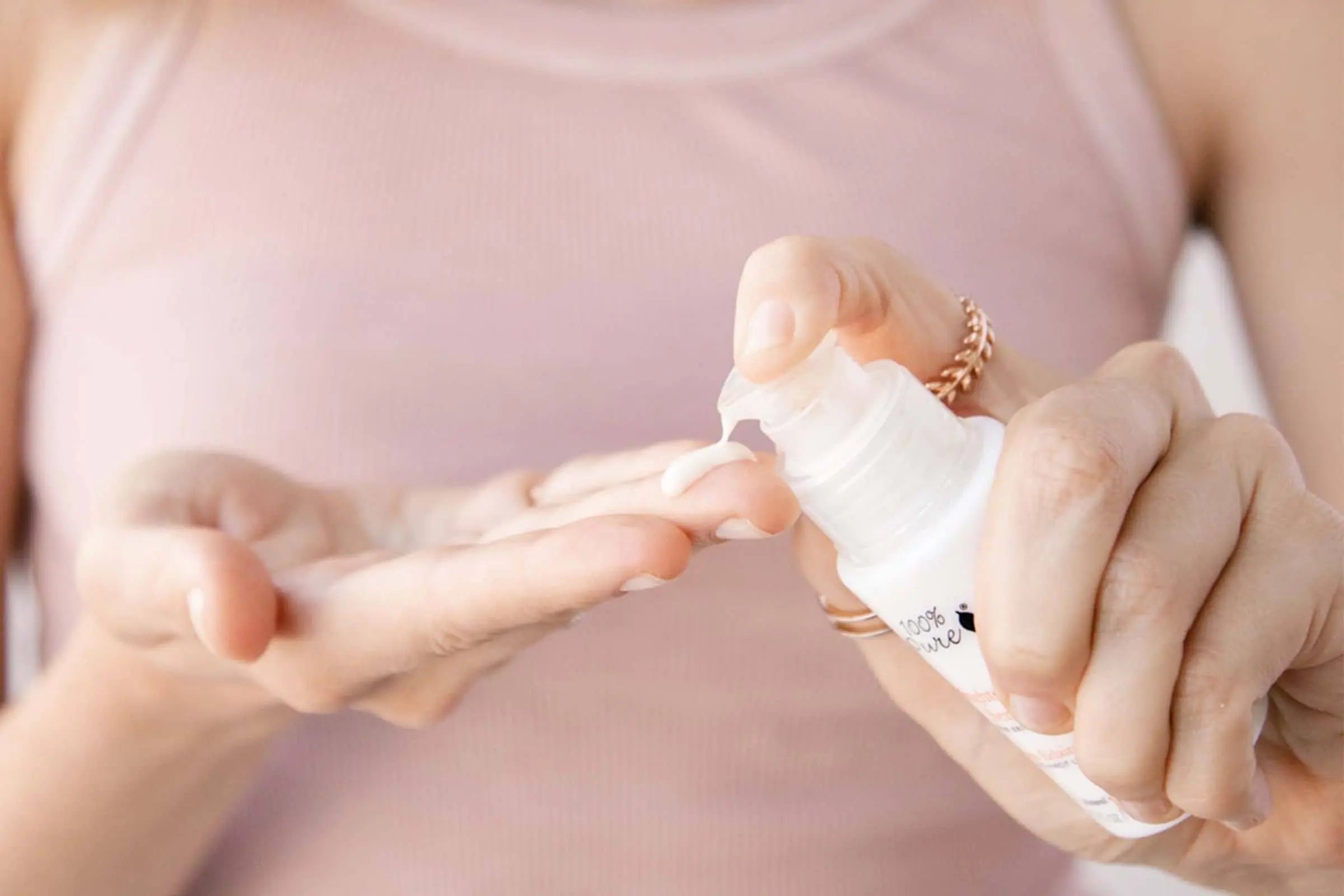
Complementing Treatments with Healthy Lifestyle Choices
There are numerous effective strategies to combat hyperpigmentation:
Consistent Skincare Routine: Establish a regular skincare routine that includes cleansing, gentle exfoliation, and adequate moisturization. Cleansing eliminates impurities, exfoliation promotes skin renewal, and moisturization keeps the skin hydrated and supports its healing processes.
Sun Protection: Apply broad-spectrum sunscreen daily with an SPF of 30 or higher, ensuring generous application to all exposed skin areas, and reapply every two hours, especially when outdoors. Wearing protective clothing such as hats and sunglasses, and limiting sun exposure during peak hours (10 AM to 4 PM) is crucial in preventing further pigmentation.
Healthy Diet: Prioritize a diet rich in antioxidants (like berries and leafy greens), vitamins (particularly C and E), and essential minerals to bolster skin health and combat oxidative stress. Incorporating nuts, seeds, and omega-3 fatty acids (found in fish) can significantly enhance overall skin nourishment.
Avoid Picking and Scratching: It’s important to refrain from picking at pimples or scabs, as this behavior can exacerbate hyperpigmentation by causing additional skin damage. Instead, treat acne and skin irritations with suitable skincare products to minimize the risk of scarring and pigmentation issues.
See What 100% PURE Customers Are Saying
100% PURE has cultivated a dedicated following of satisfied customers who have achieved outstanding results using our skincare products. From diminishing stubborn dark spots to evening out skin tone, our natural formulations consistently yield visible enhancements in skin health and appearance. Here’s what some of our customers have to say:
Ruby Z. on Strawberry Brightening Scrub: “This works great for sensitive skin. Helps fade dark spots if used every day.”
Meliss F. on Dark Spot Remover: “I bought this in the past and it definitely lightened up a super dark patch on my face – over time. I think it took almost a year of consistent use but it is super gentle on the skin. I stopped using it, which was a mistake, and now have started up again. Looking forward to getting the same results.”
Jessica R. on Tea Tree & Willow Clarifying Astringent: “This astringent is wonderful to keep skin hydrated, prevent acne, and clear up acne. It makes skin feel soft, hydrated, and fresh with a great scent!”
Experience the transformative power of 100% PURE’s skincare products for yourself. Start your journey towards clearer, more even-toned skin today. Visit 100% PURE to discover our range of effective solutions for hyperpigmentation and embrace the confidence that comes with healthier skin.
Begin Your Path to Treating Hyperpigmentation Today
Kickstart your journey to achieving clear, even-toned skin with 100% PURE’s effective products specifically formulated for hyperpigmentation. Our Vitamin C Serum, Niacinamide Boost, and Retinol Restorative Overnight Balm provide powerful solutions to brighten skin, diminish dark spots, and encourage skin renewal. For targeted treatment, delve into our Brightening Serum and Dark Spot Remover. Elevate your skincare routine with our gentle yet effective Alpha Hydroxy Acids (AHAs) and Beta Hydroxy Acids (BHAs) exfoliants, such as the Strawberry Brightening Scrub and Tea Tree & Willow Clarifying Astringent.
Discover our products and the benefits they offer your skin: 100% PURE Products
Reach out to our customer support team for personalized recommendations: Customer Support
Uncover detailed product information and ingredient lists: Product Information
Take control of your skin health today with 100% PURE’s natural and potent formulations designed to combat hyperpigmentation effectively.
Your Top Questions About Hyperpigmentation Answered
What are the main causes of hyperpigmentation?
Hyperpigmentation can arise from various factors, including sun exposure, hormonal fluctuations (like those occurring during pregnancy or due to birth control), skin injuries or inflammation (such as acne), and certain medications that increase sensitivity to sunlight or disrupt melanin production.
How long does it take to see results from hyperpigmentation treatments?
The timeframe for seeing results from hyperpigmentation treatments varies based on the severity of the pigmentation, the selected treatment method, and individual skin responses. Typically, noticeable improvements can be observed within a few weeks to several months of consistent application.
Can hyperpigmentation be prevented?
Hyperpigmentation can often be prevented or minimized by using sunscreen daily to protect against harmful UV rays, avoiding excessive sun exposure, managing hormonal fluctuations under medical supervision, promptly treating skin injuries or inflammation, and being cautious with medications that may alter pigmentation.
What are the best ingredients for treating dark spots?
Effective ingredients for addressing dark spots include:
Vitamin C: Known for its ability to brighten and even skin tone.
Hydroquinone: Works by lightening dark spots through reducing melanin production.
Retinoids: Promote accelerated cell turnover, effectively fading pigmentation.
Alpha hydroxy acids (AHAs) and beta hydroxy acids (BHAs): Help exfoliate the skin while gradually fading dark spots over time.
How important is sunscreen in treating hyperpigmentation?
Sunscreen plays a critical role in managing hyperpigmentation, as UV exposure can worsen existing pigmentation and instigate new spots. Regular application of sunscreen (SPF 30 or higher) is crucial for safeguarding the skin from UV damage, allowing hyperpigmentation treatments to function effectively and preventing any further darkening of the skin.
var windowWidth,lazyLink,lazyImages,lazySource,lazyBackground,lazyIframe,lazyScripts,navigator_platform,lazyLoadedJS,src,style,datasrc,urls,analytics,s,x,i,j,flag;
function init(){flag&&(flag=0,load_all_js(),lazyLoadImg(),lazyLoadBackground(),lazyLoadIframe(),lazyLoadSource())}
function isElementInViewport
var a=t.getBoundingClientRect();
return a.top>=0&&a.left>=0&&a.bottom<=(window.innerHeight||document.documentElement.clientHeight)&&a.right<=(window.innerWidth||document.documentElement.clientWidth)
}
function insertAfter(newNode, referenceNode) {
referenceNode.parentNode.insertBefore(newNode, referenceNode.nextSibling);
}
function isElementInView
var a=t.getBoundingClientRect();
return a.top(window.innerHeight/2||document.documentElement.clientHeight/2)
}
function lazyLoadLink(){
lazyLink.forEach(function
t.href=null==t.dataset.href?t.href:t.dataset.href
})
}
function lazyLoadImg(){
lazyImages.forEach(function
null!=(src=windowWidth<600?null==t.dataset.mobsrc?t.dataset.src:t.dataset.mobsrc:t.dataset.src)&&(t.src=src),t.classList.remove("lazy2")
})
}
function lazyLoadImg2(){
lazyImages.forEach(function
isElementInViewport
})
}
function lazyLoadSource(){
lazySource.forEach(function
t.srcset=null==t.dataset.srcset?t.srcset:t.dataset.srcset
})
}
function lazyLoadBackground(){
lazyBackground.forEach(function
lazybg=windowWidth<768?null==t.dataset.mobstyle?t.dataset.style:t.dataset.mobstyle:t.dataset.style,null!=lazybg&&(t.style=lazybg),t.classList.remove("lazybg")
})
}
function lazyLoadIframe(){
lazyIframe.forEach(function
t.src=null==t.dataset.src?t.src:t.dataset.src
})
}
function lazyLoadScripts(){
j!=lazyScripts.length&&("lazyload2"==lazyScripts[j].getAttribute("type")?(lazyScripts[j].setAttribute("type","lazyloaded"),void 0!==lazyScripts[j].dataset.src?((s=document.createElement("script")).src=lazyScripts[j].dataset.src,document.body.appendChild(s),s.onload=function(){j++,lazyLoadScripts()}):((s=document.createElement("script")).innerHTML=lazyScripts[j].innerHTML,document.body.appendChild(s),j++,lazyLoadScripts())):(j++,lazyLoadScripts()))
}
function lazyLoadCss
(s=document.createElement("link")).rel="stylesheet",s.href=t,document.getElementsByTagName("head")[0].appendChild(s)
}
function lazyLoadJS
if(lazyLoadedJS)return setTimeout(function(){lazyLoadJS
}
function wnwAnalytics() {
var script2 = document.querySelectorAll(".analytics");
script2.forEach(function(analyticsScript) {
trekkie.integrations=false;
s = document.createElement("script");
s.innerHTML = analyticsScript.innerHTML;
insertAfter(s, analyticsScript);
analyticsScript.parentNode.removeChild(analyticsScript);
});
}
document.addEventListener("DOMContentLoaded",function(){windowWidth=screen.width,lazyLink=document.querySelectorAll("link"),lazyImages=document.querySelectorAll("img.lazy2"),nolazyImages=document.querySelectorAll("img.lazy"),lazyBackground=document.querySelectorAll(".lazybg"),lazyIframe=document.querySelectorAll("iframe"),lazySource=document.querySelectorAll("source"),lazyScripts=document.getElementsByTagName("script"),navigator_platform=navigator.platform,i=0,j=0,flag=1,window.addEventListener("scroll",function(){init()}),window.addEventListener("mousemove",function(){init()}),window.addEventListener("touchstart",function(){init()}),"Linux x86_64"!=navigator_platform&&init(),setTimeout(function(){init()},60000)});
function load_all_js() {
lazyLink=document.querySelectorAll("link");
lazyLoadLink();
}
wnwAnalytics();
setTimeout(function() {
const wnw_load = new Event('wnw_load');
window.dispatchEvent(wnw_load);
}, 100);
setTimeout(function() {
var DOMContentLoaded2_event = document.createEvent("Event");
DOMContentLoaded2_event.initEvent("DOMContentLoaded2", true, true);
window.document.dispatchEvent(DOMContentLoaded2_event);
}, 60000);
j=0;
lazyScripts = document.querySelectorAll("script[type=lazyload2]");
lazyLoadScripts();
lazySource = document.querySelectorAll("source");
lazyLoadSource();
}