


The journey to becoming a master perfumer is a profound exploration that commences with the understanding that the art of perfume creation is inherently chemical and stands as a distinct artistic discipline. Much like the master painters of the Renaissance, such as Michelangelo and Leonardo da Vinci, who wielded color and brush strokes to showcase their extraordinary talents and techniques, a master perfumer is a passionate artist equipped with refined perceptual skills and an in-depth comprehension of olfactory elements. This intricate craft marries artistry with science, necessitating a dedication to understanding the complexities of scents.
Master perfumer Jean-Claude Ellena eloquently stated: “To create is to be responsible for your own universe.” Just as the majestic elements of the universe—earth, water, fire, and air—interact to unveil a grand order, so too does the expert blending of aromatic components manifest into a unique olfactory experience. The meticulous creation of fragrances resembles a symphony where each note contributes to a harmonious whole, leading to a distinctive aromatic narrative.
Our skilled perfumers recognize that achieving true mastery in this field requires a passionate commitment, an eagerness to learn, and a delicate balance between artistic expression and scientific understanding. It is essential to grasp how to effectively merge creativity with a deep knowledge of fragrance accords, the interplay of notes, and their transformations over time. This expertise is cultivated through rigorous study and hands-on experiences, often taking a decade or more to reach a level of mastery that signifies true proficiency in the art of perfumery.
Historically, the craft of perfumery encompasses much more than merely creating scents. 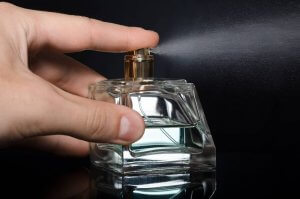
In ancient times, fragrances were crafted from natural materials like flowers, spices, and resins. These early creations held significant cultural value, often intertwined with medicine, spirituality, and even luxury, symbolizing status and association with mystical rituals thought to ward off malevolent forces. Today, crafting perfumes involves a much more intricate process than the simple formulations of the past, reflecting advancements in both art and science.
Schools of perfumery play a crucial role in the evolution of master perfumers. These institutions provide specialized training and post-secondary programs taught by esteemed professionals, which are vital for developing modern perfumers. The fusion of talent and knowledge gained from these teachings leads to the creation of exquisite perfume formulations. 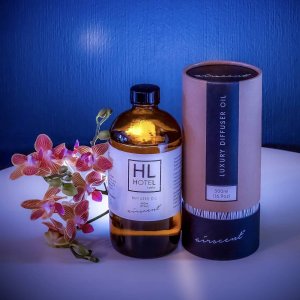
These educational programs can take up to six years to complete, meticulously designed to help students distinguish themselves in the industry. Additionally, many schools offer job placements, allowing students to gain practical experience while pursuing their studies. Aspiring apprentice perfumers can also learn the trade from the ground up through entry-level positions in the fragrance industry, such as fragrance evaluators, sales representatives, or fragrance chemists.
Exploring the Diverse Elements of Perfume Creation
The realm of fragrances comprises a multitude of interconnected components, including fragrance families, aromatic molecules, and accords. Each scent family possesses its own unique character and emotional resonance. The iconic fragrance wheel, developed in 1992 by renowned perfume expert Michael Edwards, illustrates the four primary fragrance families: woody, floral, ambery (formerly known as oriental), and fresh, along with their respective sub-families. Master perfumers must possess a comprehensive understanding of how these categories interact and blend, an expertise that can only be attained through years of dedicated education and training.
The concept of a perfume accord draws an intriguing parallel to music, emphasizing the harmonious combination of different ingredients. 
An accord represents a blend of several components that, when combined with a fragrance formulation, transcends the sum of its individual parts. This complex composition requires the melding of diverse raw materials that together encapsulate the essence of a fragrance’s unique character. Understanding how aromatic molecules interact and form accords is paramount for modern perfumers, as the process begins with translating an image or concept into a fragrance.
According to scent expert Ann Gottlieb, “…A lot of work is intuitive and a lot involves factoring in what is going on in the fragrance marketplace.” This insight highlights the dynamic nature of scent creation, where market trends and consumer preferences significantly influence the development of new fragrances.
Diving Deep into Natural vs. Synthetic Ingredients
Embarking on the rigorous path to becoming a master perfumer involves a comprehensive understanding of the diverse range of ingredients available. Natural components are sourced from plants, seeds, fruits, and flowers, while synthetic elements are engineered in laboratories to expand the perfumer’s palette. 
In the contemporary perfume industry, expert perfumers increasingly rely on aromatic molecules that are not found in nature. While both natural and synthetic ingredients come with their own advantages and drawbacks, the novice perfumer must closely study their chemical compositions and applications. Synthetic ingredients provide a broader spectrum of possibilities, enabling perfumers to innovate and create distinctive fragrances that resonate with modern sensibilities.
Identifying the Distinct Types of Perfumers
Aspiring perfumers often aim to specialize in one of two primary categories: niche or designer fragrances. Although both types utilize similar ingredients, their philosophies and approaches differ significantly. Niche fragrances, often referred to as artisanal scents, are typically produced by smaller, independent perfume houses or individual artisans. These creations are less widely distributed, allowing for greater artistic freedom and unique expressions of scent.
In contrast, designer fragrances are crafted with a focus on mass appeal and are tied to specific brands, often sold in major department stores and retail outlets. Some master perfumers carry the title of nez, meaning “nose” in French, a testament to their remarkable ability to recall and differentiate between hundreds of diverse scents in ways that an untrained nose cannot comprehend.
Understanding the Multifaceted Role of a Master Perfumer
Master perfumers are true artisans of olfactory artistry, possessing extensive expertise in fragrance creation. They blend various aromatic elements to produce unique and harmonious compositions, reflecting a deep understanding of scent nuances and emotional resonance. 
This role demands not only an acute sense of smell and creativity but also a comprehensive knowledge of raw materials, including rare and exotic ingredients. Beyond their technical skills, master perfumers adeptly interpret and translate emotions, concepts, or brand identities into captivating olfactory experiences. They skillfully navigate the delicate balance between top, middle, and base notes, ensuring that a fragrance evolves beautifully over time.
Master perfumers blend traditional techniques with modern innovations, continuously adapting to cultural trends while maintaining their unique signature styles. 
Collaboration is essential in this profession, as master perfumers frequently work alongside marketers, product developers, and brand representatives to ensure that fragrances resonate with consumer demands. This role entails a lifelong commitment to learning, as staying informed about new materials and techniques is crucial in this ever-evolving and competitive field.
Ultimately, a master perfumer’s legacy is encapsulated in the lasting allure of their creations, which continuously shape the sensory landscape of the perfume industry.
The Significance of Time and Patience in Perfume Creation
While time and patience are intangible qualities that cannot be directly taught in any formal education, they are cultivated through experience and become instinctive for master perfumers as they develop new formulations. The final fragrance is rarely the result of a few attempts; instead, it often requires numerous trials and adjustments, much like the meticulous art of winemaking, where grapes must ferment to achieve perfection that only experienced artisans can discern.
Creating a fragrance that captivates the senses and evokes profound emotions is a skill that emerges only through dedicated practice and time. Patience is not merely a virtue; it embodies an untapped power that fosters wisdom, resilience, and an understanding of the learning curve that accompanies the pursuit of perfection.
Exploring the Artistry of Master Perfumers
The path to becoming a master perfumer is a captivating journey of artistry, creativity, and an unwavering dedication to the craft of scent creation. These artisans possess not only an exceptional olfactory sense but also an innate understanding of the emotional impact that fragrances can have on individuals. As a leader in perfume manufacturing, we take pride in honoring the legacy of master perfumers who have significantly influenced the fragrance industry with their expertise and devotion.
The title of master perfumer encompasses more than technical skill; it represents a harmonious blend of tradition and modernity, a keen awareness of market dynamics, and an ability to craft olfactory experiences that resonate across time. We understand that this prestigious title signifies a profound comprehension of the intricate interplay between fragrance notes, a relentless pursuit of excellence, and an enduring passion for the transformative power of scent.
As we embark on our own aromatic journey, we draw inspiration from the high standards set by these masters, continually celebrating their remarkable achievements with every fragrance we develop.

The post What Exactly Defines The Title Of Master Perfumer? first appeared on Alpha Aromatics.