


[ad_1]
Mint is an aromatic herb from the genus Mentha, known for its refreshing flavor and versatile applications in cooking, beverages, and digestive remedies. I believe mint is a key ingredient in the fragrance category because it enhances freshness and complexity in perfumes. At CosmeticsUrgeryNews, we specialize in cosmetics, beauty, body care, hair care, and perfume, helping beauty enthusiasts achieve a vibrant and refreshing scent experience.
Our platform monetizes through affiliate marketing, product reviews, and advertising, guiding users to the best products in the beauty industry. This comprehensive guide covers the significance of mint in fragrances, its historical context, the various types used, and practical tips for incorporating mint into your daily life.
- Understanding the meaning and usage of mint.
- Exploring the historical roots of mint in fragrance.
- Learning about mint plant botany and growth.
- Discovering types of mint used in perfumes.
- Identifying iconic fragrances featuring mint.
What Does Mint Mean in Language and Usage?
The term mint has several meanings. It can refer to an aromatic plant, a place where coins are produced, or describe quality. This linguistic evolution reflects the connections between value, purity, and freshness. In Old English, mint denoted both the plant and the minting location, while Middle English expanded its usage, reinforcing these associations.
Common phrases like “mint condition” illustrate this flexibility. Originally linked to coins from the royal mint, it now describes anything in pristine condition, including collectibles and perfumes. In culinary and fragrance contexts, synonyms often relate to freshness, while financial terms emphasize authenticity.
What Are the Historical Roots of Mint in Fragrance?
Mint has been utilized for thousands of years across cultures as a cooking herb and natural remedy. Before its incorporation into fragrance, mint was valued for its ability to alleviate stomach issues and freshen air. Perfumers recognized its clean and invigorating qualities, leading to its inclusion in various perfumes.
Mint adds brightness and structure to compositions that might otherwise be overly floral or woody. Different mint varieties contribute unique aromas, enhancing fragrance complexity. As of 2026, mint remains a vital component in both modern and classic perfume formulations.
What Is the Botany and Growth of the Mint Plant?
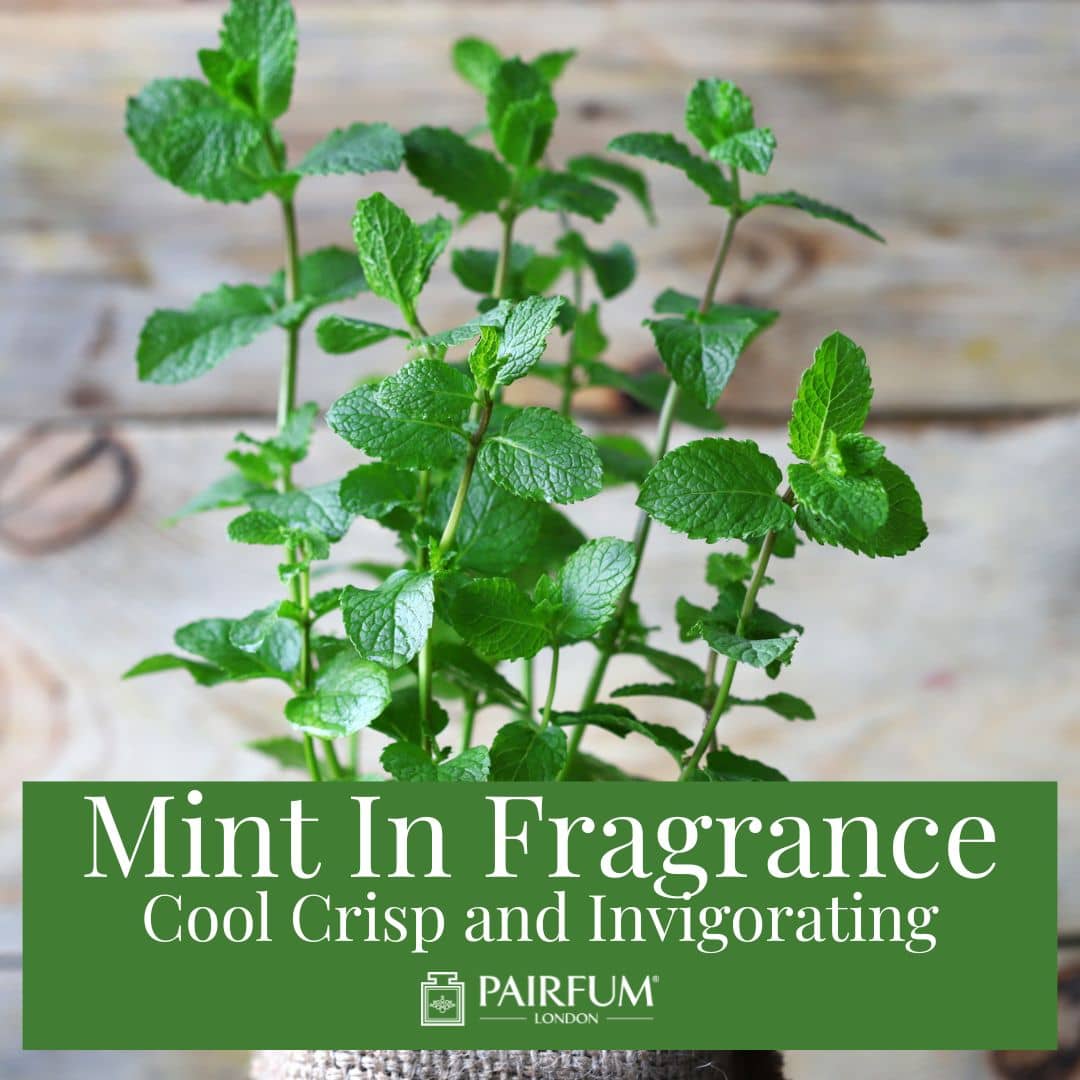
The mint plant belongs to the Lamiaceae family and the Mentha genus. It includes numerous recognized varieties and natural hybrids. Mint is a hardy perennial with a spreading root system that allows it to regenerate annually. The plant features a square stem, textured leaves, and pale purple, pink, or white flowers.
Due to its vigorous growth, mint is often cultivated in containers to prevent aggressive spreading. This method allows for easier management and ensures healthy growth.
How Can You Grow Mint at Home?
Growing mint is straightforward, even for beginners. It thrives in moist soil and moderate temperatures, preferring partial shade but tolerating full sun with adequate watering. Young nursery plants are recommended for planting, ensuring accurate identification of varieties like peppermint, spearmint, or apple mint.
Regularly harvesting mint leaves encourages bushier growth and maintains plant health. Left to flower, mint attracts pollinators, contributing to a vibrant garden ecosystem.
What Are Mint Leaves, Menthol, and Their Extraction Process?
The aroma of mint primarily comes from its leaves, which contain menthol, responsible for its cooling sensation. Menthol interacts with cold-sensitive receptors, creating a perception of freshness. To extract the scent for fragrance, leaves are typically steam-distilled, producing concentrated essential oils.
Peppermint oil, known for its clarity and strength, is widely used in perfumery. Due to its potency, perfumers apply it judiciously, as even a small amount can significantly influence a fragrance’s overall structure.
What Types of Mint Are Used in Perfume?
Different mint varieties offer distinct characters in fragrance. Peppermint (Mentha piperita) is the most recognized, known for its high menthol content and sharp profile. It provides a clear, energetic opening in many perfumes.
Spearmint (Mentha spicata) has a softer, greener aroma, blending well with florals and citrus. Other varieties, like apple mint and chocolate mint, offer unique nuances, while wild mint contributes an earthier profile.
How Is Mint Integrated into Food, Culture, and Daily Life?
Mint plays a significant role in daily life, featuring prominently in salads, desserts, and beverages. Dried mint is common in spice blends, while mint sauce is a traditional accompaniment to dishes like roast lamb. Its unique flavor profile is hard to replicate, making it a staple in various cuisines.
Mint tea, made by infusing leaves in hot water, is cherished for its calming qualities. The herb’s connection to scent, taste, and memory ensures its strong presence in cultural practices worldwide.
Why Does Mint Shine in Winter Perfumes?
Winter perfumes often feature dense notes like spice and wood. Mint provides valuable contrast, lifting heavier accords and evoking cold air. In these fragrances, mint:
- Lifts heavier accords
- Adds contrast and brightness
- Evokes cold air and freshness
Mint is commonly paired with clove, fir, or cinnamon, balancing warmth with clarity during colder months.
How Do Perfumers Extract and Use Mint?
Mint essential oil is extracted from leaves via steam distillation. This method gently heats the plant material, allowing aromatic compounds to rise and condense into oil. Peppermint oil is light and highly aromatic, typically used as a top note in fragrances.
Perfumers often:
- Blend peppermint with citrus oils for a fresh opening
- Mix it with herb notes to enhance structure
- Use it against woods or resins for contrast
These combinations ensure that peppermint adds clarity without overwhelming the fragrance.
What Are Some Iconic Fragrances Featuring Mint?
Several renowned perfumes utilize peppermint to enhance their structure. It is especially common in men’s and unisex fragrances, where clarity and balance are essential. Mint often appears:
- Following spicy or woody openings
- Paired with citrus or green notes
- Used to lighten floral compositions
Mint creates space within the fragrance, allowing other notes to shine.
Which Iconic Perfumes Feature Mint?
Guerlain – Héritage
This classic fragrance features peppermint, adding a subtle lift to a warm, woody, and spicy structure, keeping it elegant and breathable.
Amouage – Beach Hut Man
A vivid green fragrance centered around fresh peppermint, ivy, and galbanum, evoking open air and natural landscapes.
Comme des Garçons – Amazingreen
This modern fragrance combines peppermint with palm leaf and gunpowder notes, creating a crisp yet mineral effect that provides clarity and contrast.
