



Caring for oily skin can be quite a challenge. There’s nothing more disheartening than starting off your day with a fresh and vibrant complexion, only to find it has turned into an oily mess by lunchtime. Fortunately, there are effective skin care strategies and techniques that can help you manage oily skin and keep your complexion looking radiant throughout the day. This comprehensive guide provides you with essential tips for maintaining an oily complexion, featuring a tailored skin care routine specifically for oily skin.
Understanding the Factors Behind Oily Skin
There are numerous reasons why you might be experiencing oily skin, ranging from climatic conditions to genetic predispositions. Understanding these factors can help you identify the root causes and find appropriate solutions to manage your skin.
The Genetic Link to Oily Skin: Understanding Heredity
The tendency toward oily skin often runs in families and is closely linked to genetics. Individuals with oily skin have a predisposition to overproduce the hormone dihydrotestosterone (DHT), which stimulates an overproduction of sebum. Sebum is essential for maintaining the skin’s moisture barrier, but excessive amounts can lead to enlarged pores and an increased risk of breakouts. To combat this, regular cleansing and gentle exfoliation are crucial to prevent pore congestion. Exfoliating helps remove excess oil and impurities, allowing the pores to return to their normal size. Incorporating clay and charcoal masks can further help by tightening pore openings and regulating oil production.
How Weather Influences Oil Production in Your Skin
The climate, particularly during hot and humid summer months, can significantly affect oil production in your skin. Increased temperatures and humidity often lead to a spike in oil secretion. While it might be tempting to overcompensate by cleansing excessively or exfoliating too often, these practices can strip your skin of its natural moisture and disrupt the skin’s protective barrier function. Striking a balance is key to maintaining a healthy complexion without exacerbating the issue.
The Impact of Hormonal Changes on Oily Skin
Hormonal fluctuations can significantly influence your skin’s oil production, and you’re not imagining it—these changes persist even after puberty. Events such as pregnancy, menopause, and menstrual cycles can trigger spikes in oiliness and contribute to breakouts. According to Foreo.com, androgens are the primary hormones responsible for stimulating oil production, and fluctuations often occur at key life stages, including during puberty, just before menstruation, during pregnancy, and throughout menopause.
Choosing the Right Products for Oily Skin: Avoiding Harsh Ingredients
Using the wrong skin care products can exacerbate oily skin issues. When selecting products, Dr. Hooman Khorasani, a renowned Dermatologic and Cosmetic Surgeon, recommends opting for gel or lotion formulations. It’s essential to choose lightweight or matte moisturizers that won’t clog pores. Additionally, keeping oil-absorbing sheets handy can assist in managing excess oil throughout the day, ensuring your skin remains fresh and balanced.
Surprising Advantages of Having Oily Skin
While managing oily skin may initially seem daunting, you might be pleasantly surprised to discover some benefits associated with it.
Natural Resistance to Wrinkles and Fine Lines
Individuals with oily skin may experience fewer wrinkles and fine lines compared to those with dry skin. This is primarily due to the antioxidants produced by active sebaceous glands, which help to preserve skin elasticity. While wrinkles are unavoidable, those with oily skin may find that their lines and creases do not appear as early, showcasing a hidden advantage of this skin type.
Enhanced Skin Defense Mechanism
Oily skin produces more sebum, which plays a crucial role in your skin’s defense against environmental threats and infections. This natural oil contains vitamin E, an antioxidant that fortifies the skin’s surface, providing an additional layer of protection against harmful agents.
The Advantages of Makeup Application on Oily Skin
Applying makeup on oily skin can often yield better results compared to dry skin types. While setting sprays may be necessary to prevent makeup from sliding off, reapplying makeup is generally easier on oily skin. This allows for a smoother finish without the patchiness that can occur with dry skin, making it a more forgiving canvas for makeup application.
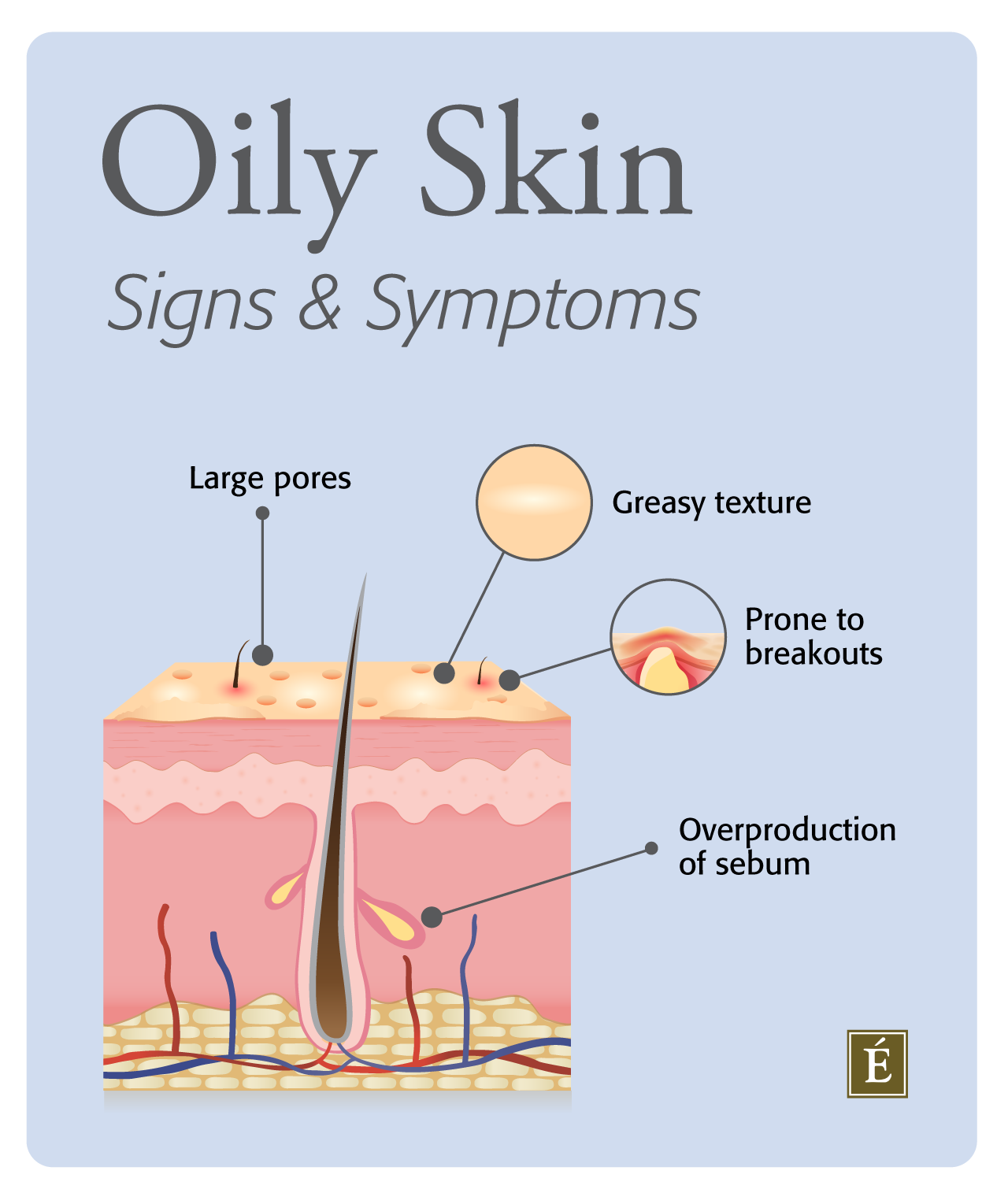
Identifying Oily Skin: A Simple Skin Type Test
Recognizing oily skin can be straightforward if you know what to look for. Typically, oily skin exhibits these distinct characteristics:
- A shiny appearance on the skin
- A greasy texture when touched
- A texture resembling orange peel with visible, enlarged pores
- Prone to acne and breakouts
- Makeup tends to slide off shortly after application
If you’re uncertain whether you have oily skin, you can conduct this simple three-step test to accurately determine your skin type:
1. Cleanse Your Skin and Allow It to Rest
Begin by washing your face with a gentle Eminence Organics cleanser, and refrain from applying any additional products for at least one hour. This will give your skin time to return to its natural state.
2. Blot Your T-Zone for Oil Residue
Take a clean tissue and gently dab your T-zone to check for any residual oil. This will help you gauge the level of oiliness in your skin.
3. Analyze Your Skin’s Feel
If your skin feels comfortable and not tight, yet the tissue shows some oil residue, it indicates that your skin is likely oily. This straightforward test can help you understand your skin type better.
Effective Strategies for Managing Oily Skin
While oily skin can be inherited, various factors such as hormonal changes, stress, environmental conditions, and seasonal variations can influence oil production. Below are some actionable tips to help you keep oily skin under control and maintain a clearer, healthier complexion.
1. Avoid Harsh Ingredients That Strip Natural Oils
Many products marketed for oily skin can actually worsen the condition by containing harsh ingredients that strip the skin of its moisture barrier. Although these products may provide a temporary reduction in oiliness, they often lead to increased oil production as the skin attempts to compensate for the loss of moisture. Incorporating ingredients like salicylic acid and clay can be highly effective in treating acne-prone skin and preventing future breakouts. Salicylic acid penetrates deep into pores, clearing blockages and neutralizing bacteria, while clay acts like a magnet, drawing out impurities. It’s vital to select a cleanser that balances oil removal without over-drying your skin.
When choosing a cleanser, Real Simple recommends avoiding harsh surfactants that can strip your skin of necessary oils. Ingredients like sodium lauryl sulfate (SLS) and ammonium lauryl sulfate (ALS) can leave your skin feeling taut and dry. Instead, opt for natural and organic products that are free of harmful additives, ensuring your skin retains the moisture it needs.
2. Modify Your Diet for Healthier Skin
Making adjustments to your diet can have a significant impact on your skin’s oil production. Limiting alcohol and spicy foods, which can elevate your body’s temperature and lead to perspiration, is a smart strategy. Instead, focus on incorporating foods rich in vitamin A, such as carrots, grapefruit, and kale, which help to regulate oil production. Surprisingly, healthy fats found in foods like salmon, tuna, walnuts, and pumpkin seeds can also be beneficial, as they help balance the hormones that control oil levels.
3. Keep Your Skin Care Products Cool
Boldijarre Koronczay, President of Eminence Organics, suggests storing your masks and moisturizers in the refrigerator. Applying products that are cooled can lower the temperature of your skin, which may help in reducing oil production. This simple habit can contribute to a more balanced complexion.
4. Simplify Your Makeup Routine
If you struggle with oily skin, it may be beneficial to rethink your makeup routine. Many primers and liquid foundations contain silicones that can clog and enlarge pores, worsening oiliness. Consider swapping your silicone-based products for natural alternatives that are less likely to aggravate your skin.
5. Explore Professional Spa Treatments for Advanced Care
For individuals dealing with moderate to severe acne, professional spa treatments can offer significant benefits. Acne facials are designed to deeply cleanse the skin, utilizing high-concentration peels to eliminate buildup, as well as extractions performed by licensed estheticians to clear blackheads and whiteheads effectively. These treatments can help restore clarity and balance to your complexion.
Are you struggling to manage oily skin? We invite you to explore our step-by-step skin care routine tailored specifically for your skin type. We would love to hear your personal tips and strategies for maintaining control over oily skin, so feel free to share your thoughts in the comments below and join the conversation on our social media platforms.