


Patchouli has transitioned from being an emblem of the counterculture movements of the 1960s to a revitalized and sophisticated element in modern perfumery, showcasing its rich aromatic profile. Its warm, exotic, and lingering fragrance is captivating yet requires careful blending, as its earthy notes can quickly dominate a composition. In this exploration, our teams delve into its fascinating history, its prevalent role as a base note in contemporary perfumes, and offer guidance on effectively incorporating it into various fragrance formulations.
Patchouli is a complex fragrance that elicits a diverse range of reactions from people, often seen as either a beloved scent or one that is less favored. This polarizing nature is well acknowledged among perfumers, who recognize that individuals tend to have strong preferences for or against its distinctive aroma. There is rarely a neutral stance. The origins of patchouli trace back to India, Malaysia, and Indonesia, where its name is derived from two ancient Tamil words—patchia, meaning green, and ellai, meaning leaf. This context enriches our understanding of its significance in various cultures.
Historically, the indigenous populations were the first to utilize and cultivate patchouli, originally employing it for its medicinal properties and incorporating it into their herbal teas. The journey of patchouli as a fragrant commodity is believed to have traveled along the ancient Silk Road, where it was traded for silk and spices for over 1,500 years. This trade route functioned as a lifeline between the East and West, facilitating the exchange of goods and ideas from 130 BCE until the Ottoman Empire restricted trade routes in 1453 CE. During this time, early European merchants valued patchouli so highly that they often exchanged one pound of it for an equivalent weight in gold.
The ancient Silk Road not only facilitated the exchange of luxurious goods but also fostered cultural interactions that enriched the trading nations. Patchouli’s rich history and its esteemed value have undoubtedly contributed to its enduring appeal in modern perfumery.
Unveiling the Rich Qualities of Patchouli Essential Oil
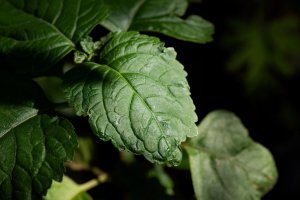
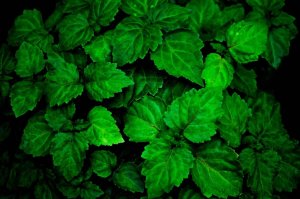
The extraction of patchouli essential oil comes from a vibrant green bush that belongs to the mint family. This bush can grow up to three feet tall, adorned with delicate pink flowers that bloom from seeds in the autumn, contributing to its mystique. The oil’s powerful, slightly sweet scent is obtained through the steam distillation process, which involves techniques like scalding, drying, or gentle fermentation of the leaves. This meticulous process ensures that the resulting essential oil retains the unique characteristics of the plant.
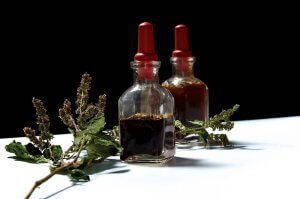
Experts in essential oils assert that the highest quality patchouli essential oil is derived from fresh plants that are distilled close to their source, preserving their aromatic integrity. Harvesting the leaves involves careful hand-picking when they reach maturity, followed by an immediate drying process that can take several days. This is crucial to ensure that the leaves become crisp enough for optimal extraction. The yield of essential oil is significantly influenced by both the quality of the leaves and the distillation method employed, with approximately 100 kilograms (about 200 pounds) of fresh leaves needed to produce just one kilogram of essential oil.
Distinctive Characteristics of Patchouli Essential Oil Compared to Others
Patchouli essential oil is revered by perfumers for its unique and multifaceted nature, making it a beloved ingredient in both traditional and contemporary fragrance creations. Its allure lies in the captivating blend of woody, earthy, and musky notes, forming an aroma that is warm, deep, and exotic—a true sensory experience. The complexity of its chemical composition includes distinctive compounds such as patchoulol and norpatchoulenol, which add layers of depth and intrigue to its scent profile, creating a truly enchanting fragrance.
Interestingly, patchouli is often associated with themes of love and romance. The scent has the power to stimulate the pituitary gland, which then triggers the release of endorphins—the so-called “love hormone”—into the bloodstream, enhancing feelings of euphoria and attraction. This emotional connection to patchouli adds another layer to its appeal, making it a popular choice in romantic perfumes and blends.
Exploring the Multifaceted Benefits of Patchouli Essential Oil
The therapeutic benefits of patchouli essential oil extend to various skin types, proving advantageous for both dry and oily skin. Medical research has indicated that it promotes a smooth, radiant complexion while effectively reducing the visible signs of aging, including wrinkles, scars, and stretch marks. Beyond its cosmetic applications, patchouli is widely recognized in the realm of aromatherapy for its ability to positively influence mood and emotional well-being. It interacts with the scent receptors in the brain, fostering a sense of emotional balance and harmony.
Globally, patchouli essential oil is celebrated as an effective remedy for a range of skin issues, including dandruff, dryness, peeling skin, and dermatitis. Its diverse applications and benefits highlight the incredible versatility of this essential oil, solidifying its place in both traditional and modern healing practices.
A Few More Fascinating Historical Insights About Patchouli
Patchouli’s Role in the Hippie Movement
As previously mentioned, patchouli became a defining fragrance within the hippie culture of the 1960s and 70s, embodying the spirit of freedom, love, and unconventional lifestyles. Participants of this movement embraced its potent scent to mask the aromas of marijuana and alcohol, integrating the fragrance into their daily lives as a symbol of their values.
Patchouli as a Royal Fragrance in Ancient Egypt
Historical records from ancient Egypt reveal that King Tutankhamun was buried with an impressive collection of fragrances, including ten gallons of patchouli, signifying its esteemed status among royal circles. This highlights the profound historical significance of patchouli, linking it to the rituals and customs of ancient civilizations.
Patchouli’s Use in Funerary Practices
During the 17th to 19th centuries, the potent aroma of patchouli was so powerful that it was utilized in funerary ceremonies to mask the unpleasant odors of decomposition. This practice illustrates the complex relationship between scent and cultural rituals throughout history.
Napoleon Bonaparte’s Introduction of Patchouli to Europe
Napoleon Bonaparte played a pivotal role in popularizing patchouli in Europe after transporting the leaves from his Egyptian campaign. He used them not just as a fragrance but also as effective moth repellents, placing them within luxurious cashmere and silk items to protect his treasures from pests. Even today, patchouli is recognized for its insect-repellent properties, further enhancing its value and appeal in various applications.
The Transformative Journey of Patchouli in Modern Perfumery
The rise of patchouli’s popularity can be traced back to the counterculture movement of the 1960s, where it became synonymous with rebellion, freedom, and self-expression. During this transformative period, patchouli oil was embraced as a means to cover the natural odors associated with communal living. The rich, earthy, and exotic scent resonated with a generation eager to connect with nature and explore spiritual dimensions. Over the decades, however, patchouli has undergone a significant evolution, transitioning from a niche fragrance component to a highly sought-after ingredient in contemporary perfumery.

Today, perfumers skillfully utilize patchouli’s unique character to craft a diverse array of fragrances, ranging from bold and oriental to fresh and modern. No longer confined to its counterculture origins, patchouli has established itself as an essential component in luxurious perfumes, celebrated for its depth, complexity, and timeless appeal. This remarkable journey reflects patchouli’s transformation from a symbol of the past into an icon of modern scent artistry.
The Essential Role of Patchouli in Contemporary Fragrance Creation
In the intricate world of perfume formulation, patchouli stands out as an integral ingredient and a powerful fixative. Its versatile nature allows it to contribute to various aspects of fragrance development, often serving as a prominent base note. Patchouli’s aroma is grounding and comforting, deeply rooted in the rich aromatic heritage of ancient civilizations. It is frequently paired with floral notes such as sweet Ylang Ylang, musky rose, or resins like spicy frankincense and warm myrrh to create a multifaceted scent profile.
Key Considerations for Incorporating Patchouli into Fragrance Blends
When integrating patchouli into fragrance compositions, it is essential to approach the process with care to achieve a harmonious and balanced scent profile. The robust, earthy characteristics of patchouli can easily overpower other notes if used excessively. Perfumers typically begin by selecting complementary ingredients such as citrus, florals, or woods to enhance the overall complexity of the fragrance. They often start with a conservative amount of patchouli oil, gradually increasing it to achieve the desired intensity, always mindful that a little can go a long way. Allowing the fragrance to mature is crucial, as patchouli often mellows and enhances the overall scent profile over time. This careful experimentation and precise measurement are vital in creating a beautifully balanced fragrance that showcases patchouli as a valuable component.
Showcasing Our Latest Patchouli-Infused Fragrance Creations
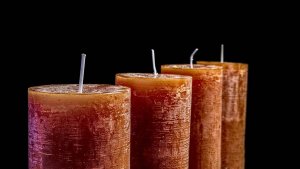
Our dedicated perfumers frequently incorporate patchouli as a key ingredient in both fine perfumes and the myriad of skin and personal care products we craft, including diffuser oils, candles, and soaps. Each product line reflects the versatility and depth that patchouli brings to modern scent creations.
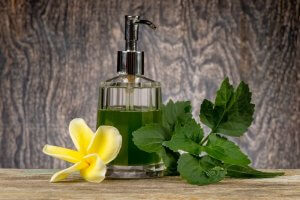
Here are some of our recent favorites, each showcasing varying degrees of patchouli:
Tonka Oud Patchouli
This captivating fragrance opens with vibrant citrus and fruity notes of sweet blood orange and floral wild berries. A rich floral heart follows, featuring intense jasmine, bright lily, herbaceous neroli, and passionate red rose. The scent concludes with a luxurious dry down of smoky, leathery oud, earthy and slightly sweet patchouli, honeyed amber, creamy tonka bean, spicy cinnamon, bittersweet saffron, and fiery clove, creating a memorable olfactory experience.
Applewood Oak Moss
This fragrance evokes the essence of distant, lush forests, starting with crisp green apple and tropical pineapple notes. Following this, the heart reveals dreamy rose, intoxicating jasmine, warm ginger, and powdery violet. The scent culminates in a dry down characterized by amber-tinged oak moss, aromatic white musk, passionate patchouli, and warm cedar wood, offering a captivating sensory journey.
Black Currant Tobacco
The head notes of this bold, masculine fragrance burst with spicy bergamot, woody raspberry, and tangy black currant. This vibrant start flows into a floral heart rich in creamy gardenia, haunting jasmine, and piquant clove. The scent concludes with a dry down of whiskey-tinged tobacco leaf, buttery sandalwood, and dark, sensual patchouli, creating a robust and unforgettable fragrance.
This robust scent starts with invigorating grapefruit, fresh lemon, and crisp green apple. The heart features intense galbanum, rich jasmine, and raspberry-infused iris, leading to a dry down marked by lush vanilla, sensual white musk, dark erotic patchouli, and buttery sandalwood, creating a multifaceted fragrance experience.
Sandalwood Osthmantus
This enchanting fragrance opens with dark cassis, fruity plum, fresh lemon, and sweet mandarin. The heart features rich osthmantus, floral neroli, dreamy rose, spicy hyacinth, and fresh coriander. The scent concludes with a base of earthy patchouli, potent oak moss, creamy sandalwood, and dark amber, offering a beautifully layered olfactory experience.
Embracing the Essence of Patchouli in Fragrance
The enduring appeal of patchouli lies in its capacity to enhance both niche perfumes and mainstream designer fragrances. Its unique character adds sophistication and intrigue to any composition, whether it stands alone or is combined within a complex olfactory profile. We invite you to connect with our teams today and explore the endless possibilities that patchouli offers for your products and product lines!

The post Patchouli’s Resurgence – Hippie Icon to Perfume Powerhouse first appeared on Alpha Aromatics.
